

Best Tea for Sore Throat: 7 Soothing Options That Work
This article has been written by Dr. Sana Lodhi (General Medicine). The contents of this article are for informational and educational purposes only and are not a substitute for professional medical advice, diagnosis, or treatment. Always consult a qualified healthcare provider regarding any medical symptoms, persistent sore throat, or before trying new herbal remedies.
A sore throat can make even a simple drink uncomfortable, especially when swallowing hurts or a cough keeps irritating the throat. If you are looking for the best tea for sore throat, the most useful way to think about tea is as a source of symptom relief rather than a treatment for the underlying illness. Warm, comfortable fluids can soothe an irritated throat and help you maintain hydration, while honey can help relieve cough in adults and children age 1 and older. CDC
There is not one tea that has been proven to treat every sore throat. Ginger, chamomile, peppermint, licorice and green tea can all be reasonable choices depending on your preferences and health circumstances, but the evidence for most individual herbs specifically treating sore throat is limited.
Here are seven practical options, along with what they may offer, where the evidence is stronger or weaker, and when you should seek medical care.
Quick Comparison: 7 Teas for a Sore Throat
| Tea option | Potential benefit | Best suited for | Evidence and safety note |
|---|---|---|---|
| Honey and lemon tea | Warmth plus honey for cough relief | Sore throat with cough | Honey has better evidence for cough than lemon does for sore throat |
| Ginger tea | Warm, spicy and soothing drink | People who enjoy ginger | Direct evidence for treating sore throat is limited |
| Chamomile tea | Caffeine-free, mild drink | Evening use and gentle hydration | Limited evidence for sore throat; allergies and interactions are possible |
| Peppermint tea | Refreshing, cooling sensation | Throat discomfort | Peppermint tea appears generally safe, but direct evidence for sore throat is limited |
| Licorice root tea | Traditional herbal option | People interested in herbal preparations | Some throat-related evidence, but important safety concerns |
| Green tea | Warm fluid with naturally occurring plant compounds | Traditional tea drinkers | Direct evidence for sore throat relief is limited |
| Herbal tea with honey | Warm fluid plus honey | Sore throat accompanied by cough | Practical combination supported by general self-care guidance |
Why Warm Tea May Soothe a Sore Throat
The comfort you get from tea does not necessarily mean the tea is eliminating an infection.
A sore throat can result from a viral infection, bacterial infection, allergies, postnasal drainage, acid reflux, dry air or other forms of irritation. Treating the underlying cause is different from temporarily reducing discomfort.
Warm beverages can help because they provide fluid while keeping the mouth and throat moist. The warmth can also feel soothing when swallowing is uncomfortable. The CDC recommends warm beverages and plenty of fluids for sore-throat symptoms, while Mayo Clinic lists warm, non-caffeinated tea and warm water with honey among comforting options. CDC
If you are trying to choose a warm tea for sore throat, temperature matters. Warm and comfortable is the goal—not extremely hot. A drink that is hot enough to burn your mouth can further irritate already sensitive tissue.
If you also have difficulty eating, you may find other soft foods and drinks easier to tolerate. HealthyPost has additional suggestions in its guide to foods that may soothe a sore throat.
1. Honey and Lemon Tea
Best for: sore throat with cough and general throat irritation
Honey and lemon tea is one of the simplest choices when a sore throat comes with coughing. You can make it with caffeine-free tea, warm water, honey and a small amount of lemon.
The important distinction is that the ingredients do different things.
Honey has the strongest evidence of the three components for cough relief. The CDC recommends honey for cough in adults and children at least 1 year old. Mayo Clinic also notes that honey may reduce coughing and can be added to warm tea or lemon water. CDC
Warm liquid can provide temporary throat comfort and help maintain fluid intake.
Lemon, meanwhile, mainly adds flavor and acidity. It should not be presented as a proven treatment for the underlying cause of a sore throat. Some people actually find acidic drinks uncomfortable when their throat is already irritated, so leave the lemon out if it stings.
A simple preparation is warm—not scalding—water or caffeine-free tea with honey and a small squeeze of lemon.
A crucial honey safety rule
Never give honey to a child younger than 1 year.
Honey can contain bacteria that cause infant botulism, so children under 12 months should not receive honey or foods containing honey. CDC
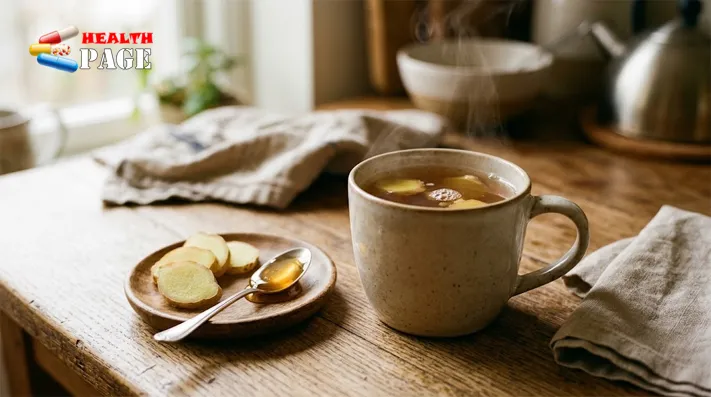
2. Ginger Tea
Best for: people who prefer a warming, spicy herbal drink
Ginger tea is a popular choice when someone wants an herbal tea for sore throat. Its warm, distinctive flavor can make it a pleasant drink when cold or flu symptoms leave you feeling uncomfortable.
However, ginger deserves a careful explanation. It has been studied for several health conditions, but current NCCIH information does not establish ginger tea as a proven treatment specifically for sore throat. NCCIH
That does not mean ginger tea cannot feel soothing. It simply means that the comforting experience should not be confused with clinical evidence that ginger eliminates the cause of throat pain.
You can prepare ginger tea from fresh ginger slices or a tea bag and allow it to cool to a comfortable temperature. Adding honey can make it more pleasant and may be particularly useful if coughing is part of the problem.
Ginger is not ideal for everyone. Oral ginger can cause heartburn, abdominal discomfort, diarrhea or mouth and throat irritation in some people. It may also interact with medicines, so people taking prescription drugs should discuss medicinal use of ginger or concentrated ginger products with a healthcare professional. NCCIH
3. Chamomile Tea
Best for: a mild, caffeine-free evening drink
Chamomile tea is another familiar herbal tea for sore throat, especially for people who want a caffeine-free drink before bed.
Its main practical advantage here is not that chamomile has been proven to heal throat inflammation. Rather, it provides a warm, mild beverage that some people find pleasant when they are unwell.
NCCIH states that evidence is insufficient to establish chamomile’s effectiveness for many specific health conditions. Chamomile is generally considered safe in amounts commonly found in tea, but allergic reactions can occur. People allergic to related plants such as ragweed, chrysanthemums, marigolds or daisies may be more likely to react. NCCIH
Chamomile may also interact with certain medicines, including warfarin, and there are potential interactions with some other drugs. Pregnancy and breastfeeding are additional situations where safety information is limited. NCCIH
So, if you already tolerate chamomile well, a cup of plain chamomile tea may be a reasonable soothing drink. It should not, however, be described as a proven cure for sore throat.
4. Peppermint Tea
Best for: a refreshing drink with a cooling sensation
Peppermint tea can appeal to people who dislike the heavier taste of ginger or chamomile. Its characteristic menthol-like sensation may make the mouth and throat feel refreshed.
That sensation is different from proving that peppermint treats the cause of throat inflammation. Evidence specifically evaluating peppermint tea for ordinary sore throat is limited.
NCCIH notes that peppermint tea made from peppermint leaves appears to be safe, although the long-term safety of consuming large amounts of peppermint leaf has not been well established. NCCIH
If peppermint gives you heartburn or makes your throat feel more irritated, choose another drink. This is particularly relevant because peppermint products can cause digestive symptoms such as heartburn in some people.
Avoid turning peppermint tea into a claim that it “opens the airways” or cures a respiratory infection. For this article, its role is much simpler: it is a pleasant, warm beverage that some people may find soothing.
5. Licorice Root Tea
Best for: people interested in traditional herbal options
Licorice root is more complicated than the other teas on this list because there is some research involving throat symptoms, but the findings should not be generalized too broadly.
NCCIH reports that licorice gargles or lozenges used around surgery may help reduce or prevent postoperative sore throat. That is different from showing that drinking ordinary licorice-root tea treats a typical sore throat caused by a cold or another infection. NCCIH
There is also an important safety issue.
Licorice contains glycyrrhizin, a compound that can cause serious adverse effects when consumed in large amounts or over prolonged periods. Problems can include abnormal heart rhythms and other cardiovascular effects. People with high blood pressure, heart disease or kidney disease may be particularly vulnerable. NCCIH
For that reason, licorice root tea should not automatically be treated as an everyday beverage simply because it is an herb.
If you take medication, have a chronic condition, are pregnant or breastfeeding, or are considering concentrated licorice products, speak with a healthcare professional before using them. NCCIH
6. Green Tea
Best for: people who want traditional tea rather than a herbal infusion
Green tea is different from the herbal teas above. It comes from Camellia sinensis, the same plant used to produce other traditional teas such as black tea.
It can provide a warm drink and naturally occurring plant compounds, but there is not strong evidence that drinking green tea itself treats an ordinary sore throat.
It also contains caffeine. That does not mean you must avoid it whenever your throat hurts, but a caffeine-free drink may be more comfortable for someone who is sensitive to caffeine, has trouble sleeping while sick, or simply prefers to avoid it.
The most useful question is therefore not whether green tea is universally “better” than herbal tea. Ask whether you tolerate it comfortably and whether its temperature, flavor and caffeine content suit you while you are recovering.
If green tea feels drying, irritating or uncomfortable, switch to water or a caffeine-free option.
7. Herbal Tea With Honey
Best for: sore throat accompanied by cough
Instead of treating one particular herb as a winner, consider a simple combination: caffeine-free herbal tea plus honey.
You could use:
- Chamomile tea with honey
- Ginger tea with honey
- Peppermint tea with honey
- Warm water with honey and a little lemon
The reasoning is straightforward. The warm liquid provides hydration and temporary soothing comfort, while honey has specific evidence for helping cough in people over 1 year of age. CDC
This makes a warm herbal drink with honey a practical answer when someone searches for tea for sore throat and cough.
It is still symptom management, though. If a bacterial infection, reflux, allergy or another condition is causing the symptoms, tea will not necessarily address that underlying problem.
Herbal Tea for Sore Throat: What Does the Evidence Say?
Herbal teas are often described as natural remedies for sore throat, but “natural” does not automatically mean effective—or risk-free.
Some herbs have a long history of traditional use. That is useful background, but traditional use and clinical evidence are not the same thing.
A 2022 Cochrane review examined Chinese medicinal herbs for sore throat and included 12 studies involving 1,954 participants. Some preparations appeared to improve symptoms, but most of the studies were considered methodologically poor, and the review concluded that the evidence was not strong enough to recommend a particular herbal formulation as an effective treatment for sore throat. Cochrane
That broader evidence is worth remembering when choosing the best herbal tea for sore throat. A pleasant herbal drink may be worthwhile for comfort, but it should not be promoted as a substitute for appropriate medical care.
What About Lemon and Honey?
Honey deserves more attention than lemon in this combination.
Honey may help reduce coughing, particularly in people with upper respiratory infections. The CDC recommends honey for cough in adults and children at least 1 year old. CDC
Lemon can make the drink more palatable and contributes vitamin C, but there is no reason to claim that lemon tea cures a sore throat. Its acidity can also bother an already irritated throat in some people.
If lemon makes swallowing sting, simply leave it out.
What Should You Avoid in Tea for a Sore Throat?
You do not need a long list of forbidden drinks. A few practical considerations are enough.
Avoid extremely hot tea. A sore throat does not benefit from being exposed to additional heat injury.
Be cautious with strongly acidic drinks. Lemon or other acidic ingredients may sting irritated tissue.
Consider caffeine according to your own tolerance. If caffeinated tea interferes with sleep or feels uncomfortable, choose a caffeine-free alternative.
Be careful with medicinal herbs. Herbal products can interact with medications, and safety varies substantially between herbs. NCCIH advises discussing herbal products with healthcare professionals when medication interactions or other safety concerns are possible. NCCIH
The goal is not to find the strongest tea. It is to find a drink that is comfortable, hydrating and appropriate for your circumstances.

Who Should Be Careful With Herbal Teas?
A normal cup of a familiar tea is not the same as taking a concentrated herbal supplement. Still, extra caution makes sense if you:
- take prescription medicines;
- are pregnant or breastfeeding;
- have heart, kidney, liver or other chronic disease;
- have known plant allergies;
- are considering concentrated herbal extracts; or
- are giving herbal preparations to a child.
The risk varies considerably by ingredient. Chamomile, ginger and licorice, for example, have different potential interactions and side effects. NCCIH
If you are unsure about an herb and take regular medication, a pharmacist can be a useful first source of advice.
When Does a Sore Throat Need Medical Attention?
Tea can make symptoms more comfortable, but it should not delay evaluation when symptoms are severe or unusual.
Seek urgent medical attention if you have difficulty breathing, inability to swallow fluids or saliva, significant swelling, drooling, or rapidly worsening symptoms.
You should also seek medical advice if the sore throat is persistent, repeatedly returns, is accompanied by concerning symptoms, or you are unable to maintain adequate fluid intake.
Some sore throats are caused by viruses, while others can have bacterial or noninfectious causes. The appropriate treatment depends on the cause. If you are unsure why your throat hurts, understanding the different causes of sore throat can provide useful context, but persistent or concerning symptoms deserve professional assessment.
For particularly serious symptoms such as breathing difficulty, inability to swallow saliva or rapidly worsening throat swelling, seek urgent medical care rather than trying to manage the problem with tea alone. HealthyPost also explains these warning signs of a potentially serious throat infection.
Frequently Asked Questions
What is the best tea for a sore throat and cough?
A warm caffeine-free tea with honey is a practical option. The warm liquid can soothe the throat, while honey may help relieve cough in people age 1 and older. No single herbal tea has been proven to treat every sore throat.
Is ginger tea good for a sore throat?
Ginger tea can be a pleasant warming drink, but evidence that ginger tea specifically treats sore throat is limited. Some people may also experience heartburn or mouth and throat irritation from ginger.
Can I drink chamomile tea when I have a sore throat?
If you normally tolerate chamomile, a cup of chamomile tea can be a mild, caffeine-free drink. People with allergies to ragweed, chrysanthemums, marigolds or daisies should be cautious, and medication interactions are possible. NCCIH
Is honey safe for children with a sore throat?
Honey should not be given to babies younger than 1 year because of the risk of infant botulism. For children age 1 and older, honey can be used to help relieve cough. CDC
Does lemon tea cure a sore throat?
No. Lemon may improve flavor, but it has not been established as a cure for sore throat. Some people also find acidic drinks irritating when their throat is inflamed.
How often can I drink tea when I have a sore throat?
There is no single number that applies to every tea. Choose comfortable, moderate amounts and make sure tea does not replace your overall fluid intake. If a particular tea causes heartburn, irritation or another adverse effect, stop using it.
Conclusion
There is no single best tea for sore throat that works for everyone or treats every cause of throat pain. For simple symptom relief, a warm and comfortable beverage can soothe an irritated throat and help you maintain fluid intake.
If coughing is also present, adding honey may provide an additional benefit for adults and children over 1 year. Ginger, chamomile and peppermint can be pleasant caffeine-free choices, while green tea may suit people who prefer traditional tea. Licorice root is more complicated because potential safety concerns make it inappropriate for some people.
The key is to think of tea as supportive care rather than a cure. Choose a drink you tolerate well, keep it comfortably warm rather than scalding, stay hydrated, and pay attention to symptoms that suggest you need medical evaluation.
References
- Centers for Disease Control and Prevention (CDC) — Sore Throat Basics. CDC: Sore Throat Basics
- National Center for Complementary and Integrative Health (NCCIH) — Ginger, Chamomile and Licorice Root: Usefulness and Safety. NCCIH: Ginger NCCIH: Chamomile NCCIH: Licorice Root
- Mayo Clinic — Sore Throat: Diagnosis & Treatment. Mayo Clinic: Sore Throat Diagnosis & Treatment

Dr. Sana Lodhi is a qualified medical doctor (MBBS) with a strong commitment to patient care and evidence‑based medicine. With years of clinical experience and her current role at Liaquat University of Medical & Health Sciences (LUMHS), she brings trusted medical insights to readers, simplifying complex health topics into clear, practical guidance. Her passion lies in promoting preventive healthcare, empowering individuals to make informed decisions, and bridging the gap between medical knowledge and everyday wellness. At HealthyPost.co.uk, Dr. Lodhi shares expert perspectives on health, lifestyle, and medical awareness to help readers live healthier, more balanced lives.
Pingback: Steam Inhalation for Congestion: Does It Work and Is It Safe?