

Vaginal Dryness: Causes, Safe Natural Remedies, and Clinical Treatments
♀️ Women’s Health Clinical Guidance & Disclaimer
This clinical guide was authored by Dr. Wang Zhixin (Gynecology). The medical analysis of reproductive tissue health, underlying hormonal causes of vaginal dryness, topical application risks, and natural remedies is intended strictly for educational and informational purposes. It does not replace a formal gynecological examination, pelvic assessment, or a personalized clinical treatment plan.
While temporary moisturizers or organic oils can mitigate minor localized friction, persistent dryness can be a symptom of progressive estrogen decline, vaginal atrophy, or underlying infections that require expert clinical diagnosis. Always consult a licensed gynecologist or primary care physician regarding chronic pelvic discomfort, unusual changes in discharge, or painful intercourse. Never delay professional medical evaluations because of information accessed on this website.
Vaginal dryness can feel minor at first, then become impossible to ignore. It may show up as burning, itching, friction, or pain during sex. For some people, it is temporary. For others, it lingers and affects sleep, confidence, intimacy, and daily comfort. In our clinical review of patient histories, one pattern stands out: people often wait too long before asking what causes vaginal dryness and whether vaginal dryness natural remedies are enough.
The condition is common, but it is not something anyone should have to “just live with.” Vaginal dryness can happen during perimenopause, after childbirth, while breastfeeding, after certain treatments, or even during periods of stress. It may also appear alongside low estrogen, changes in vaginal health, or medications that reduce natural lubrication. The right approach depends on the cause, your symptoms, and whether pain, irritation, or infections are part of the picture.
If you’ve also been reading about Leukorrhea Facts or Why Is My Period Blood Watery and Pink, you may already know that vaginal symptoms often overlap. That is why a full picture matters. The symptoms may look similar, but the cause can be very different.
1. What Vaginal Dryness Actually Is
Vaginal dryness is a loss of natural moisture in the vaginal tissues. It often occurs when estrogen levels drop, but that is not the only trigger. The vaginal lining becomes thinner, less elastic, and more easily irritated. That can lead to soreness, itching, burning, and painful sex.
Common symptoms include:
- Burning or stinging in the vagina or vulva
- Itching or rawness
- Discomfort when sitting, walking, or exercising
- Pain during intercourse
- Light bleeding after sex
- Increased urgency or burning with urination
This condition is especially common in postmenopausal women, but it also affects younger people. In fact, we often see it in breastfeeding parents, those on hormonal contraception, and patients dealing with autoimmune disease or high stress.
2. What Causes Vaginal Dryness?
Understanding what causes vaginal dryness is the first step toward relief. The most common driver is hormonal change, but several medical and lifestyle factors can contribute.
Hormonal changes
When hormonal changes lower estrogen, the vaginal lining may thin and produce less moisture. This happens in:
- Perimenopause and menopause
- After childbirth, especially while breastfeeding
- After hysterectomy, particularly if the ovaries are removed
- During some cancer treatments that suppress estrogen
Medical conditions and treatments
Some conditions affect moisture throughout the body. These include Sjögren’s syndrome, lupus, diabetes, lichen planus, and thyroid disorders. Chemotherapy, pelvic radiation, and anti-estrogen therapies used in breast cancer care can also cause significant dryness.
Medications
Certain prescriptions and over-the-counter medicines may reduce lubrication, including:
- Antihistamines
- Some antidepressants
- Some birth control pills
- Decongestants
Irritants and habits
Harsh products can strip away the vagina’s protective balance. Examples include:
- Douching
- Scented washes
- Bubble baths
- Perfumed laundry products
- Strong soaps and deodorizing sprays
Stress and arousal changes
Stress, anxiety, and relationship strain can reduce arousal. That can lead to situational dryness even when hormones are stable.
If symptoms are persistent, a pelvic examination may help identify tissue thinning, infection, dermatitis, or another cause.
3. Vaginal Dryness Natural Remedies That May Help
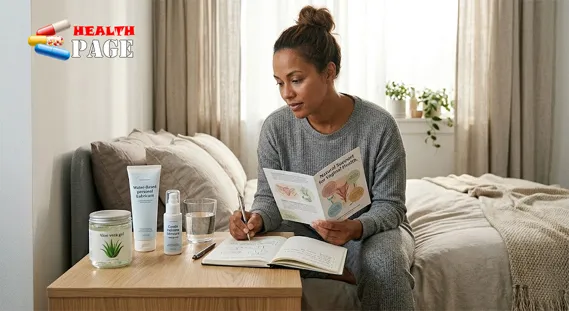
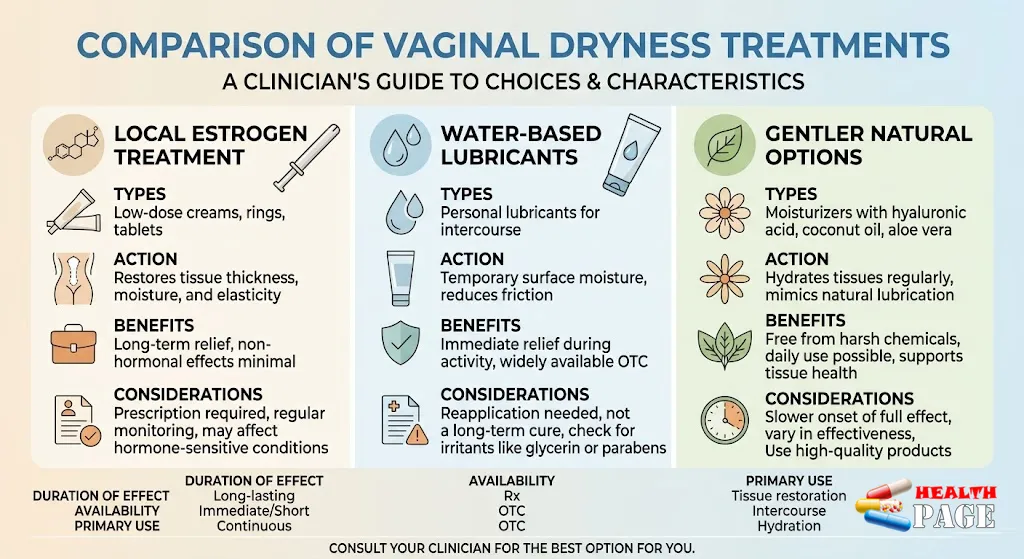
Many readers search for natural remedies for vaginal dryness because they want non-hormonal options first. That is reasonable. Some vaginal dryness natural remedies can reduce friction and support comfort. The key is choosing products that are gentle, fragrance-free, and appropriate for your body.
Aloe vera gel
Pure aloe vera gel may soothe irritated tissue. Look for fragrance-free products with minimal ingredients. A small amount applied externally can help reduce rawness.
Water-based lubricants
Water-based lubricants are often the safest first step for sex. They reduce friction without breaking down latex and are usually less irritating than oil-based products.
Plant oils for external use
Some people use cold-pressed oils such as olive oil, sunflower oil, or sweet almond oil on the vulva. These can help trap moisture on external skin.
Hydration and healthy fats
Drinking enough water matters, but hydration alone will not fix hormonal dryness. Still, a balanced diet with omega-3 fats, nuts, seeds, and oily fish may support overall tissue health.
Pelvic floor exercises
Kegels do not directly rehydrate tissue, but they may improve blood flow and pelvic awareness. That can support comfort in some patients.
Patch test first
Before using any oil or balm, do a 24-hour patch test on the inner forearm. If redness, burning, or rash appears, do not use it on the vulva.
For readers comparing options with Crucial Cervix Test During Pregnancy, it is worth remembering that sensitive tissue needs careful, individualized choices. What is safe on skin may still be too irritating for mucosal tissue.
4. Coconut Oil for Vaginal Dryness: What the Evidence and Safety Say
Interest in coconut oil for vaginal dryness has grown because it feels simple, affordable, and natural. It may help some people as an external emollient. Coconut oil can reduce friction and help skin feel less dry.
But there are important limits.
When it may help
- For external vulvar dryness
- As a temporary friction barrier
- When used sparingly and only if you tolerate it well
When to be cautious
- It can weaken latex condoms and diaphragms
- It may alter the vaginal environment in sensitive users
- It is not ideal if you are prone to yeast infections or bacterial vaginosis
- It is not sperm-friendly if you are trying to conceive
The most important point: never assume “natural” means universally safe. In our review of patient concerns, coconut oil often helps short-term comfort, but it is not a one-size-fits-all solution.
Condom-safe matrix
| Option | Latex condoms | Non-latex condoms | Internal vaginal use | Best use case |
|---|---|---|---|---|
| Water-based lubricants | Safe | Safe | Usually yes | Sex, friction reduction |
| Silicone-based lubricants | Safe | Safe | Usually yes | Longer-lasting lubrication |
| Coconut oil | Not safe | Usually safer, but check product guidance | Use cautiously | External vulvar dryness |
| Olive/sunflower oil | Not safe | Usually safer, but check guidance | Use cautiously | External skin only |
| Aloe vera gel | Generally safe | Generally safe | External use preferred | Soothing irritated skin |
If you need a condom-compatible option, water-based lubricants are usually the first choice. Oils and latex do not mix.
5. When Natural Relief Is Not Enough
If vaginal dryness natural remedies are not working, clinical treatments may help. These are especially useful when dryness is caused by menopause, cancer therapy, or severe low estrogen.
Local vaginal estrogen
Low-dose estrogen comes as a cream, tablet, or ring. It targets vaginal tissue directly and may improve thickness, elasticity, and moisture. This is one of the most effective treatments for hormone-related dryness.
DHEA vaginal inserts
For some patients, vaginal DHEA may help restore tissue comfort and reduce painful intercourse.
Ospemifene
This oral medication acts like estrogen in vaginal tissue and may help people with dyspareunia, especially after menopause.
Laser or energy-based treatments
Some clinics offer laser-based therapies, but evidence is still evolving. These options should be discussed carefully with a qualified clinician, especially because long-term safety data are more limited than for standard therapies.
Treat the root cause
If a medication, infection, autoimmune disease, or skin disorder is contributing, the best treatment is often to address that cause directly.
6. A Practical Plan for Daily Comfort
Small changes can make a real difference.
- Avoid scented soaps and washes
- Wear breathable cotton underwear
- Use water-based lubricants during sex
- Apply vaginal moisturizers regularly if recommended
- Keep the vulva dry, but not stripped
- Pause any product that causes stinging
- Ask about medication side effects
- Get evaluated if symptoms persist
This is also a place where symptom overlap matters. Some people with dryness also notice discharge changes, spotting, or irritation. That is why articles like Leukorrhea Facts can be useful alongside a medical visit. If there is bleeding, unusual odor, fever, or pelvic pain, get checked promptly.
7. When to See a Clinician
You should book a visit if:
- Dryness lasts more than a few weeks
- Sex is painful
- You have bleeding after intercourse
- Over-the-counter products sting
- You have recurrent UTIs or yeast infections
- Symptoms started after a new medication or treatment
A clinician can assess hormone status, review medications, and perform a pelvic examination if needed. That helps distinguish dryness from infection, dermatitis, or other causes.
FAQs
Is vaginal dryness only a menopause problem?
No. While menopause is a common cause, younger people can experience it during breastfeeding, stress, medication use, autoimmune disease, or after childbirth.
Are natural remedies for vaginal dryness safe?
Some are, but not all. Water-based lubricants and fragrance-free moisturizers are usually safer choices than oils for internal use. Always patch test first.
Can coconut oil for vaginal dryness be used with condoms?
Not with latex condoms. Coconut oil can weaken latex and increase the risk of breakage. Non-latex options may be different, but product guidance should be checked.
What causes vaginal dryness in younger women?
Hormonal birth control, breastfeeding, stress, certain medications, and autoimmune conditions are common reasons.
When should I ask for medical treatment?
If pain, burning, or dryness persists, or if it affects sex or daily life, a clinician can help. Prescription treatments may work better when estrogen is low.
Can dryness affect urine symptoms too?
Yes. Dry vaginal tissue can be linked with burning, urgency, and recurrent urinary tract infections. That is why evaluation matters.
Conclusion
Vaginal dryness is common, but it is not trivial. It can affect comfort, intimacy, and confidence. The best results usually come from matching treatment to the cause. For some people, simple vaginal dryness natural remedies such as water-based lubricants, aloe vera, or external moisturizers may help. For others, especially those with menopause-related low estrogen, clinical treatments are more effective.
If symptoms persist, do not guess. A professional evaluation can clarify what causes vaginal dryness in your case and help you choose the safest path. Whether the issue is hormonal, medication-related, or linked to irritation, there are options that can improve vaginal health without harshness or shame.
Also, if you are reviewing related topics like Why Is My Period Blood Watery and Pink or Crucial Cervix Test During Pregnancy, remember that reproductive symptoms often overlap. Getting the right context matters.
Trusted references
- NHS: Vaginal dryness and menopause guidance
- NICE: Menopause assessment and management recommendations

Dr. Wang Zhixin is a distinguished Chief Physician specializing in comprehensive gynecology, perinatology, and maternal healthcare systems. She serves at the acclaimed
Shenzhen Maternity and Child Healthcare Hospital, a premier Grade-III Class-A medical center associated with Southern Medical University. With decades of clinical leadership, Dr. Wang is widely recognized for her contributions to reproductive wellness, prenatal diagnostic precision, and advanced clinical research safeguarding maternal-fetal medical outcomes.
As a core specialist panelist on the HealthPage Medical Review Board,
Dr. Wang leverages her senior clinical oversight to meticulously fact-check, audit, and medically verify our reproductive medicine and maternal wellness guides. Her analytical reviews ensure that intricate obstetric protocols and feminine wellness data are rendered into safe, authoritative, and completely evidence-based reference resources for global audiences.
✉ Professional Inquiries:
[email protected]