
I Got My Period Twice This Month: Am I Pregnant? 7 Possible Reasons
This article, “I Got My Period Twice This Month: Am I Pregnant? 7 Possible Reasons”, has been written by Dr. Wang Zhixin (Gynecology).
Medical Disclaimer: This content is intended for informational and educational purposes only and should not be considered a substitute for professional medical advice, diagnosis, or treatment. Menstrual irregularities and unexpected vaginal bleeding can have various causes. Always consult a qualified healthcare professional for personalized medical advice. If you experience heavy bleeding, severe abdominal pain, dizziness, or fainting, seek urgent medical attention.
Seeing blood again a couple of weeks after your last period is unsettling, especially if you have had sex recently. If you’re thinking “I got my period twice this month, am I pregnant?”, the short answer is: not necessarily. Two bleeding episodes in a calendar month are often explained by a naturally short cycle, ovulation spotting, hormonal shifts or contraception. Pregnancy is one possible cause among several, and a pregnancy test is the only reliable way to rule it in or out.
This guide explains how a true period differs from other bleeding, goes through seven possible causes, and sets out when to test and when to get medical help.
Can You Be Pregnant and Still Have a Period?
No. A true menstrual period does not happen during an ongoing pregnancy. A period is the shedding of the uterine lining when no pregnancy has occurred in that cycle.
Vaginal bleeding can happen during pregnancy, though, particularly in the early weeks, and it is easy to mistake for a light period. That is why “I had a period, so I can’t be pregnant” is not a safe assumption when pregnancy was possible.
| Menstrual period | Bleeding during pregnancy | |
|---|---|---|
| What it is | Lining of the uterus shedding when no pregnancy occurred | Bleeding with several possible causes, which may or may not be serious |
| Pattern | Usually follows your cycle | Can be unexpected |
| Flow | Usually several days, building then tapering | Light, on and off, or occasionally heavy |
| Is pregnancy possible? | Not in that cycle | Yes |
Color, flow and duration alone cannot reliably separate the two. Someone with a light, brownish “period” may be pregnant, and someone with heavy bleeding may not be. Timing and a test matter more than appearance.
Why Did I Get My Period Twice in One Month? 7 Possible Reasons
The first thing to know is that a calendar month is not the same as a menstrual cycle. Cycles are counted from the first day of one period to the first day of the next, and a typical adult cycle runs roughly 21 to 35 days. Many different causes can lead to bleeding twice in one month, and several of them are harmless.
1. A Short Menstrual Cycle
Suppose your period starts on November 2 and the next begins on November 25. That is a 23-day cycle, which sits comfortably inside the usual range. The bleeding landed twice in November only because the cycle is on the shorter side and the first period came early in the month.
If your cycles are consistently this length, you may see two periods in a month a few times a year. Cycles that are suddenly shorter than usual, or shorter than 21 days, deserve a conversation with a clinician.
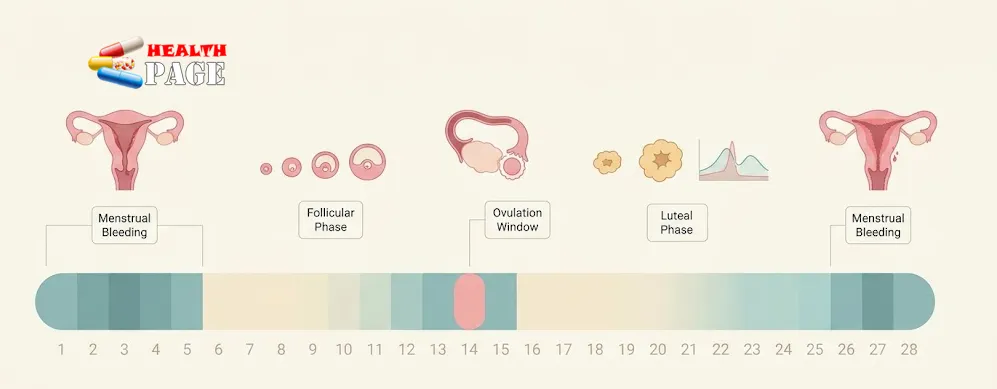
2. Ovulation Bleeding
Ovulation is when an ovary releases an egg, usually around the middle of the cycle. Some people notice light spotting at that time. It is thought to relate to the brief hormonal changes around ovulation, including a temporary dip in estrogen. This differs from persistently low estrogen, which has its own signs and causes.
Typical features of ovulation spotting:
- Very light bleeding, often just seen when wiping
- Pink, red or brown color
- Lasting one or two days
- Occurring around mid-cycle
- Much lighter than a normal period
Light mid-cycle spotting can be harmless. Bleeding between periods that is new, keeps coming back or has no clear explanation is still worth having assessed rather than assumed to be ovulation.
3. Hormonal Fluctuations and Ovulatory Disorders
The menstrual cycle is steered by a signaling loop between the hypothalamus in the brain, the pituitary gland and the ovaries. When that loop is disturbed, ovulation can become irregular, and irregular ovulation can lead to unpredictable bleeding that is sometimes heavier or more frequent than usual.
Possible contributors include:
- Prolonged emotional stress
- Significant weight gain or weight loss
- Excessive exercise or restrictive dieting
- Polycystic ovary syndrome (PCOS)
- Thyroid disorders
- Changes in ovarian function, such as in perimenopause
Hormone-related patterns can also involve the second half of the cycle. Signs of low progesterone, for example, can overlap with spotting before a period or a shortened cycle, although only testing can show what is actually happening.
After childbirth, breastfeeding can delay ovulation and periods, but ovulation can return before the first postpartum period. Bleeding patterns can stay unpredictable for a while, and pregnancy remains possible.
4. Hormonal Birth Control and Contraceptive Changes
This is among the most common causes of unexpected bleeding. Breakthrough bleeding can occur with:
- Birth control pills, especially missed or irregularly timed doses
- Contraceptive implants
- Hormonal injections
- Hormonal IUDs
- Starting, stopping or switching hormonal contraception
It can happen even when contraception is used perfectly, and it often settles after the first few months. If pregnancy is possible, for instance after missed pills, a test is still sensible.
5. Uterine Fibroids and Endometrial Polyps
These are structural causes, and the two are different.
Uterine fibroids are noncancerous growths in or around the uterus. They can cause heavy or prolonged periods and sometimes bleeding between periods, along with pelvic pressure or pain.
Endometrial polyps are small growths in the uterine lining. They can cause irregular bleeding or spotting, including bleeding between periods.
Both are recognized causes of menstrual irregularity, as described by NICHD’s overview of what causes menstrual irregularities. A pelvic ultrasound is a common first step in investigating them.
6. Infections and Other Gynecological Conditions
Infection or inflammation of the reproductive tract can cause bleeding between periods. Examples include cervicitis, endometritis, pelvic inflammatory disease (PID) and sexually transmitted infections such as chlamydia and gonorrhea.
Possible accompanying symptoms:
- Lower abdominal or pelvic pain
- Unusual vaginal discharge or odor
- Pain during sex
- Bleeding after sex
- Fever in some cases
Symptoms vary, and some infections cause none at all. Antibiotics and other treatments depend on the specific diagnosis, so self-treating with leftover medicines is not a good idea.
7. Pregnancy-Related Bleeding
This is the cause that prompts most of the worry behind the main question. A true period does not occur in an ongoing pregnancy, but light spotting or bleeding can. Possible causes include cervical changes, infection, early pregnancy loss and ectopic pregnancy, where the pregnancy develops outside the uterus.
Some early pregnancies involve light spotting around the time the embryo implants, but implantation should not automatically be blamed for every episode of early pregnancy bleeding. For a closer look at how light period bleeding compares with implantation spotting, that guide covers the details.
Bleeding alone cannot tell you whether you are pregnant or whether a pregnancy is developing normally. Severe abdominal pain, shoulder-tip pain, dizziness, fainting or heavy bleeding with possible pregnancy needs urgent care, as these can signal an ectopic pregnancy or another serious complication.
How to Tell a Second Period From Other Bleeding
Many people searching for “bleeding twice in one month but not pregnant” are really asking whether the second bleed was a real period at all. Features that often differ:
| Feature | Typical period | Possible mid-cycle spotting |
|---|---|---|
| Amount | Moderate to heavy | Very light |
| Duration | Commonly 2–7 days | Often 1–2 days |
| Timing | Follows your cycle | Can fall between periods |
| Protection needed | Pads or tampons | Sometimes only visible when wiping |
| Color | Red, dark red or brown | Pink, red or brown |
Treat this as a rough guide rather than a diagnostic test. Bleeding patterns overlap a lot, and appearance alone cannot establish the cause.
When to Take a Pregnancy Test
If pregnancy is possible, test rather than guess. According to the NHS guidance on when to take a pregnancy test, most tests are reliable from the first day of a missed period. If you don’t know when your next period is due, wait at least 21 days after the last time you had unprotected sex, and follow the manufacturer’s instructions.
Two practical points apply when bleeding has been unexpected:
- If your period is genuinely due, test from the first day it is missed. If your cycle is unpredictable, count 21 days from unprotected sex rather than from the bleeding itself.
- First-morning urine is not essential for most home tests, though it can help very early on when hormone levels are low.
A negative result that doesn’t fit your symptoms can be repeated after a few days. If you want more background on why a result might be wrong, can twins cause a false negative pregnancy test is a useful read, and a clinician can confirm with a blood test or an ultrasound when needed.
When Should You See a Doctor?
Book an appointment if:
- You repeatedly have two bleeding episodes in a month
- Your cycle becomes noticeably shorter or more irregular
- You bleed after sex
- Your periods are unusually heavy or prolonged
- You have persistent pelvic pain
- You notice unusual discharge or odor
- You bleed after menopause
Seek urgent medical attention if:
- Bleeding is very heavy, particularly with dizziness or weakness
- You have severe abdominal or pelvic pain
- You have shoulder-tip pain and pregnancy is possible
- You feel faint or lose consciousness
- Pregnancy is possible and bleeding comes with significant pain
If you are already pregnant, Mayo Clinic advises contacting your health care team immediately about any vaginal bleeding.
How Doctors Find the Cause
Not everyone needs every test, and what is ordered depends on age, symptoms, medical history and examination. A clinician may suggest:
- A pregnancy test, to see whether pregnancy could explain the bleeding.
- A pelvic examination, to look at the reproductive organs for abnormalities.
- An ultrasound, to look for fibroids, polyps and other structural problems.
- Blood tests, such as a complete blood count to check for anemia, or thyroid and other hormone tests when indicated.
- Infection testing, if symptoms or history suggest an infection or STI.
Treatment follows the cause. Medicines such as antibiotics, progesterone or other hormonal drugs, and mifepristone need a proper diagnosis and clinician guidance, as do herbal or traditional remedies. Evidence is also insufficient to recommend soy milk or specific foods as a treatment for abnormal uterine bleeding.
Supporting a Healthy Menstrual Cycle
Lifestyle habits cannot cure an underlying condition, but they support regular cycles:
- Eat a balanced diet and avoid extreme dieting
- Keep a consistent sleep schedule
- Manage stress with relaxation activities that work for you
- Exercise regularly without extreme strain
- Track the first day of each period, how long bleeding lasts and how heavy it is
- Mention new or persistent irregular bleeding to a healthcare professional
A tracking app or a simple note on your phone is genuinely useful here. Dates make it much easier for a clinician to see whether you have a short cycle, spotting between periods or something else.
Frequently Asked Questions
Does getting my period twice in a month mean I’m pregnant?
Not necessarily. Short cycles, ovulation spotting, contraception and hormonal changes are all common explanations. Because pregnancy-related bleeding is possible, test if pregnancy is a concern.
Can ovulation cause bleeding twice in one month?
Yes. Light spotting around ovulation can look like a second period, but it is usually lighter and shorter.
What should I tell my doctor?
Share the dates of both bleeds, how heavy each was, any pain, recent changes in contraception, stress or weight, and whether pregnancy is possible.
Is it normal to have two periods in one month?
It can happen occasionally, especially with shorter cycles. Repeated, unusually heavy or unexplained bleeding should be evaluated.
Can I be pregnant if the bleeding was heavy?
Yes, though it is less typical. Early pregnancy loss and other complications can cause heavy bleeding, so heavy bleeding with pain or dizziness needs prompt medical attention.
Conclusion
If you’ve been asking yourself “I got my period twice this month, am I pregnant?”, the most reliable next step is a pregnancy test timed according to the NHS guidance above. Two bleeds in a calendar month often have a simple explanation, and a short cycle is the most common one. Bleeding that is repeated, unusually heavy, painful or unexplained is worth discussing with a healthcare professional, and severe symptoms need urgent care. Keeping a record of your dates gives you the best chance of getting a clear answer quickly.
References
- NHS. “How soon can I do a pregnancy test?” https://www.nhs.uk/common-health-questions/pregnancy/how-soon-can-i-do-a-pregnancy-test/
- NICHD (National Institute of Child Health and Human Development). “What causes menstrual irregularities?” https://www.nichd.nih.gov/health/topics/menstruation/conditioninfo/causes
- Mayo Clinic. “Vaginal bleeding: Causes.” https://www.mayoclinic.org/symptoms/vaginal-bleeding/basics/causes/SYM-20050756

Dr. Wang Zhixin is a distinguished Chief Physician specializing in comprehensive gynecology, perinatology, and maternal healthcare systems. She serves at the acclaimed
Shenzhen Maternity and Child Healthcare Hospital, a premier Grade-III Class-A medical center associated with Southern Medical University. With decades of clinical leadership, Dr. Wang is widely recognized for her contributions to reproductive wellness, prenatal diagnostic precision, and advanced clinical research safeguarding maternal-fetal medical outcomes.
As a core specialist panelist on the HealthPage Medical Review Board,
Dr. Wang leverages her senior clinical oversight to meticulously fact-check, audit, and medically verify our reproductive medicine and maternal wellness guides. Her analytical reviews ensure that intricate obstetric protocols and feminine wellness data are rendered into safe, authoritative, and completely evidence-based reference resources for global audiences.
✉ Professional Inquiries:
[email protected]