

Hormone Optimization Therapy: 7 Key Facts, Benefits, and Risks
Medical Disclaimer: The information provided in the article “Hormone Optimization Therapy: 7 Key Facts, Benefits, and Risks” is intended for general informational and educational purposes only and does not constitute medical advice, diagnosis, or treatment. Hormone therapy protocols, potential benefits, and associated risks vary significantly between individuals, and decisions regarding hormone evaluation or treatment should always be made in consultation with a qualified healthcare professional.
Author: Dr. Sana Lodhi (General Medicine)
Hormone optimization therapy is a phrase you’ll find in both endocrinology clinics and wellness-center advertising, and the two uses aren’t quite the same. In medicine, it means identifying a real hormone deficiency or imbalance and treating it with evidence-based care. In marketing, it sometimes means chasing “ideal” lab numbers in the hope of more energy, a leaner body, and slower aging. This guide explains what the term covers, how treatment differs for men and women, where the benefits are well supported, and why a clear diagnosis matters more than any single lab value.
What Is Hormone Optimization Therapy?
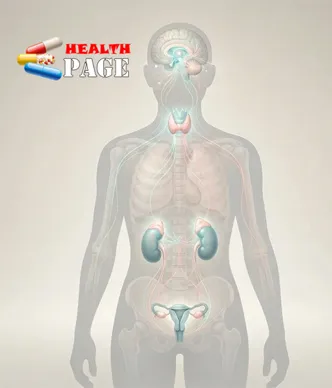
Hormones are chemical messengers made by the thyroid, adrenal glands, ovaries, testes, pituitary gland, and other tissues. They help regulate metabolism, growth, reproductive function, sexual desire, bone strength, sleep, mood, and blood sugar. When one of them falls short for a medical reason, symptoms can follow. Treatment may involve replacing the missing hormone or addressing the condition that disrupted its production.
Hormone optimization is not a single standardized procedure, and no universal protocol defines it. Some clinicians use the phrase simply to mean careful assessment and management of endocrine problems. Others, particularly in commercial programs, use it for restoring “youthful” levels in people with no diagnosed disorder. The first is routine medical practice. The second rests on much thinner evidence, and keeping that distinction in mind makes most later questions easier to answer.
Why Hormone Levels Change
Some shifts are expected. In women, ovarian estrogen and progesterone production falls during perimenopause and menopause, which is generally confirmed after 12 consecutive months without a period. Hot flashes, night sweats, sleep disruption, and vaginal changes are common results, and a closer look at low estrogen symptoms shows how widely they vary from one person to the next.
In men, testosterone tends to drift downward gradually with age, but a lower number alone does not mean deficiency. True hypogonadism arises from testicular or pituitary disorders, certain medications, obesity, and other medical problems.
Plenty of other factors can push hormones off course: thyroid disease, diabetes, chronic sleep loss, liver or kidney disease, adrenal or pituitary disorders, and heavy physical stress. This is why the usual hormonal imbalance symptoms (fatigue, weight change, low mood, poor concentration) are weak evidence by themselves. Each has many non-hormonal explanations.
Seven Key Facts About Hormone Optimization Therapy
1. Diagnosis comes before treatment
A clinician should review symptoms, medical history, examination findings, and targeted hormone level testing before prescribing anything. For men, the American Urological Association guideline says low testosterone should be diagnosed only after two total testosterone measurements, both taken in the early morning on separate occasions. Many women with typical menopausal symptoms don’t need hormone testing at all.
2. It is not the same as anti-aging medicine
Treating a deficiency can restore function. There is no solid evidence that pushing hormones above physiological need reverses biological aging, extends lifespan, or guarantees weight loss. Newer fields such as menopause longevity medicine make interesting reading, but much of that work remains experimental.
3. Men and women need different approaches
Menopause-related treatment typically centers on estrogen, with a progestogen added for women who still have a uterus. Men with confirmed testosterone deficiency may be offered testosterone replacement therapy. The specific hormone, the diagnosis, fertility plans, and medical history decide the choice.
4. The delivery method matters
Hormones come as tablets, patches, gels, sprays, injections, and vaginal creams, tablets, or rings. The route affects absorption, convenience, and certain safety considerations. Oral estrogen, for instance, is associated with a higher clot risk than patches or gels, while low-dose vaginal estrogen delivers far less hormone to the rest of the body.
5. Benefits depend on the underlying condition
Systemic menopausal hormone therapy is the most effective treatment for hot flashes and night sweats and helps prevent bone loss while it’s being taken. In men with confirmed hypogonadism, testosterone mainly improves sexual desire. Results beyond that, including energy, mood, and body composition, are more variable. None of these outcomes is guaranteed.
6. Risks are specific to the hormone, dose, and person
Possible concerns include blood clots, stroke, endometrial overgrowth when estrogen is given without a progestogen, and a small increase in breast cancer risk with some combined regimens. In men, testosterone can raise red blood cell concentration and reduce sperm production. The sections below cover these in more detail.
7. Monitoring is part of treatment
Therapy is not a one-time decision. Follow-up visits, blood tests, symptom reviews, and dose adjustments are routine, and the aim is generally the lowest effective dose, reassessed periodically to confirm benefits still outweigh risks.
Hormone Optimization Therapy for Men and Women
For women
A clinician may discuss treatment for moderate to severe hot flashes, night sweats, sleep disruption linked to those symptoms, early or premature menopause, and genitourinary symptoms such as vaginal dryness and painful intercourse. When those last symptoms are the main concern, low-dose local vaginal estrogen is often considered first.
Women who have had a hysterectomy can use estrogen alone. Those with an intact uterus generally need a progestogen alongside systemic estrogen to protect the uterine lining from overgrowth. Progesterone also shapes the menstrual cycle, and the signs of low progesterone can overlap with other hormonal shifts, which is another reason to investigate before treating.
Timing matters. For many healthy women with bothersome symptoms, the balance of benefit and risk is more favorable when treatment starts before age 60 or within 10 years of menopause. The regulatory picture has also shifted recently: the FDA announced it was removing broad boxed warnings about cardiovascular disease, breast cancer, and probable dementia from menopausal hormone therapy products, while keeping the endometrial cancer warning for systemic estrogen-alone products. The underlying risk information remains in the labeling, so individual assessment still applies.
For men
Testosterone contributes to libido, sperm production, muscle, bone density, and red blood cell production. Reduced sexual desire, fewer morning erections, erectile difficulty, low energy, and loss of muscle mass can all signal low testosterone, but sleep apnea, depression, diabetes, thyroid disease, and medication effects cause the same complaints.
A sound workup repeats morning total testosterone, considers free testosterone when appropriate, checks LH and FSH to find the cause, and measures hematocrit. The AUA guideline also advises PSA testing in men over 40 before starting therapy and notes that up to a third of men placed on testosterone don’t meet diagnostic criteria. Fertility deserves a direct conversation too, because testosterone replacement can suppress sperm production, so men hoping to have children need alternatives discussed first.
Hormone Optimization Therapy Benefits and Risks
The table summarizes what is reasonably well supported for common situations.
| Situation | Potential benefits | Main risks to discuss |
|---|---|---|
| Systemic menopausal therapy | Fewer hot flashes and night sweats, better sleep when symptoms disrupt it, less bone loss | Blood clots, stroke, gallbladder disease, small breast cancer risk with some combined regimens |
| Local vaginal estrogen | Relief from vaginal dryness and urinary symptoms | Mild local irritation, with much lower systemic exposure |
| Testosterone in confirmed hypogonadism | Improved sexual desire, possible help with anemia | Raised hematocrit, acne, fluid retention, reduced sperm production, blood pressure changes |
Certain conditions make particular treatments unsuitable or call for specialist input. For systemic menopausal therapy these include hormone-sensitive breast or endometrial cancer, unexplained vaginal bleeding, prior blood clots, stroke or heart attack, and significant liver disease. For testosterone they include prostate or breast cancer, elevated hematocrit, untreated severe sleep apnea, recent cardiovascular events, and near-term fertility plans. These lists are not interchangeable, and nobody should start, stop, or adjust a hormone medication without their prescriber.
Hormone Optimization vs. Hormone Replacement Therapy
The terms overlap but aren’t identical. Hormone replacement therapy (HRT) refers to replacing hormones the body no longer makes in adequate amounts: estrogen and progestogen for menopause, testosterone for confirmed male hypogonadism, or levothyroxine for hypothyroidism. Each has defined indications and monitoring.
Hormone optimization is broader and less standardized. It can describe legitimate endocrine care, but it also covers wellness programs that adjust hormones toward target numbers without a diagnosis. Thyroid replacement is a separate endocrine treatment and shouldn’t be lumped in with menopause therapy or testosterone programs.
“Bioidentical” products often come up in this comparison. The term means a hormone is chemically identical to one the body makes, and FDA-approved bioidentical products exist. Compounded versions are different: a National Academies review sponsored by the FDA concluded there was insufficient evidence that they are as safe or effective as approved products and recommended restricting their use to specific circumstances.
Where Lifestyle Fits
Healthy habits support endocrine and metabolic health but can’t replace treatment when a true deficiency exists. Regular resistance and aerobic exercise, enough sleep, a varied diet, stress management, and not smoking all help. Weight loss can improve some cases of functional low testosterone, and the AUA recommends lifestyle counseling for all men with testosterone deficiency. No supplement, detox, or herbal product should be described as a guaranteed way to restore hormone balance.
When to Talk With a Healthcare Professional
Persistent hot flashes, menstrual changes, painful intercourse, low libido, erectile difficulty, unexplained fatigue, or unexplained weight change are all reasonable prompts for an evaluation. Postmenopausal bleeding needs prompt attention. Anyone on hormone treatment who develops chest pain, shortness of breath, one-sided leg swelling, sudden weakness, or trouble speaking should seek emergency care. For background reading, HealthPage’s women’s health guides cover many related symptoms and conditions.
Frequently Asked Questions
How long does it take to feel a difference?
It varies. Menopausal symptoms often ease within weeks, while changes in sexual desire with testosterone can take months and don’t occur in everyone.
Can hormone therapy help with weight loss?
It isn’t a weight-loss treatment. Midlife weight gain has many causes, including sleep, activity, metabolism, and diet.
Are bioidentical hormones safer?
Not automatically. Approved bioidentical products have been reviewed by the FDA, whereas compounded preparations have not been evaluated for safety, potency, or consistency.
Do I need hormone testing if I think I’m in perimenopause?
Often not. For women over 45 with typical symptoms, diagnosis usually rests on symptoms and history, though testing may be used when the picture is unclear or symptoms begin early.
Do I have to stay on treatment for life?
No. Duration depends on symptoms, risks, and the underlying condition, and a prescriber should review the need for ongoing therapy periodically.
Final Thoughts
Hormone optimization therapy works best when it is treated as medicine rather than a lifestyle upgrade: a confirmed diagnosis, a treatment matched to that diagnosis, a realistic goal, and regular follow-up. It can improve quality of life for people with genuine deficiencies or disruptive menopausal symptoms, but its benefits have to be weighed against real risks. If you’re wondering whether it applies to you, a conversation with a qualified clinician is a better starting point than a lab number or a clinic’s promise.
References
- U.S. Food and Drug Administration. (2025, November 10). HHS advances women’s health, removes misleading FDA warnings on hormone replacement therapy [Press release]. U.S. Department of Health and Human Services. Read FDA Press Announcement
- Mulhall, J. P., Trost, L. W., Brannigan, R. E., Kurtz, E. G., Redmon, J. B., Chiles, K. A., Lightner, D. J., Miner, M. M., Murad, M. H., Nelson, C. J., Platz, E. A., Ramanathan, L. V., & Lewis, R. W. (2018). Evaluation and management of testosterone deficiency: AUA guideline. Journal of Urology, 200(2), 423–432. View AUA Guideline PDF (also available via PubMed)
- National Academies of Sciences, Engineering, and Medicine. (2020, July 1). Prescribers should restrict the use of non-FDA-approved compounded bioidentical hormones, except for specific medical circumstances [News release]. Browse NASEM Health & Medicine

Dr. Sana Lodhi is a qualified medical doctor (MBBS) with a strong commitment to patient care and evidence‑based medicine. With years of clinical experience and her current role at Liaquat University of Medical & Health Sciences (LUMHS), she brings trusted medical insights to readers, simplifying complex health topics into clear, practical guidance. Her passion lies in promoting preventive healthcare, empowering individuals to make informed decisions, and bridging the gap between medical knowledge and everyday wellness. At HealthyPost.co.uk, Dr. Lodhi shares expert perspectives on health, lifestyle, and medical awareness to help readers live healthier, more balanced lives.