
Low Estrogen Symptoms: 8 Common Signs, Causes, and When to Seek Help
Medical Disclaimer: The article titled “Low Estrogen Symptoms: 8 Common Signs, Causes, and When to Seek Help”, written by Dr. Wang Zhixin (Gynecology), is provided for informational and educational purposes only. It is not intended to be a substitute for professional medical advice, diagnosis, or treatment. Always seek the advice of your physician or other qualified health provider with any questions you may have regarding a medical condition.
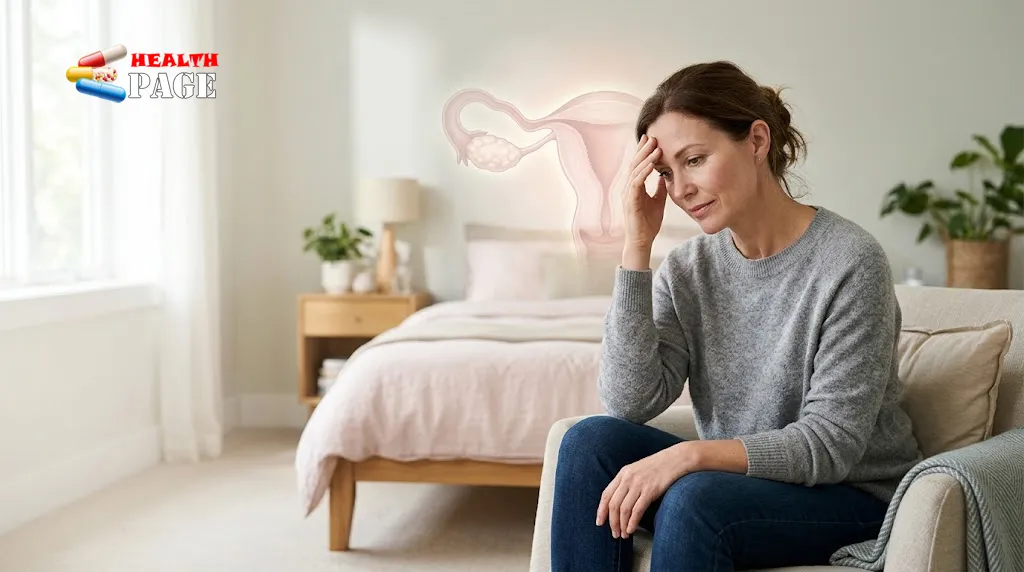
Hot flashes, missed periods, vaginal dryness and broken sleep are the best-known low estrogen symptoms, and most women who notice them are in perimenopause or menopause. They can also appear in younger women, which is where they are most often missed. None of these symptoms proves that estrogen is low on its own, because thyroid problems, pregnancy, stress, medications and under-eating can produce very similar changes. This guide covers the eight signs most closely linked to falling estrogen, how they differ in younger women, what causes the drop, how doctors investigate it, and which treatments are used.
What Is Estrogen and Why Does It Matter?
Estrogen is a group of hormones made mainly in the ovaries, with smaller amounts produced in fat tissue and the adrenal glands. It is best known for driving the menstrual cycle, but its reach is wider. It helps keep vaginal and urinary tissue thick and lubricated, slows the rate at which bone is broken down, contributes to skin hydration, and interacts with the brain areas that govern temperature, mood and sleep.
Levels are never constant. They rise and fall through each cycle, climb during pregnancy, drop after birth and while breastfeeding, and decline over the years around menopause. Low estrogen only becomes a medical concern when levels stay low enough to cause symptoms or affect long-term health, particularly bone density.
8 Common Low Estrogen Symptoms in Women
1. Hot flashes and night sweats
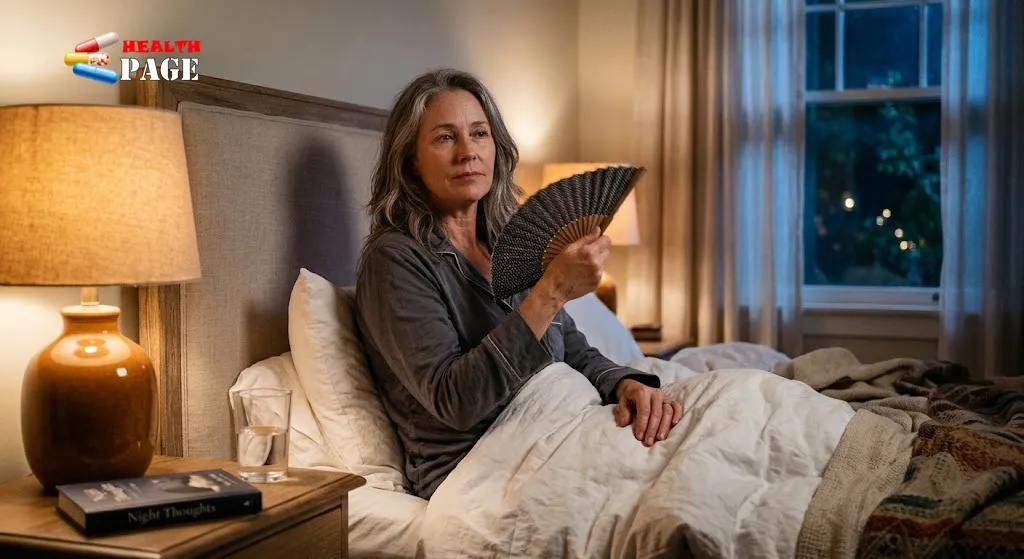
Sudden heat across the face, neck and chest is probably the most recognisable sign. It often comes with flushing, sweating and a racing heart, and at night it can drench bedding and wake you repeatedly. The likely explanation is that falling estrogen makes the brain’s thermostat more reactive, so small temperature changes trigger an exaggerated cooling response.
2. Irregular or missed periods
Estrogen builds the uterine lining each cycle, so when it is low, cycles can lengthen, lighten or stop altogether. Pregnancy, thyroid disease, significant weight change, high prolactin and stress can all do the same, so a missed period is a prompt to investigate rather than a diagnosis. Low progesterone can also disturb cycles in similar ways, and our guide to low progesterone symptoms explains how to tell the two patterns apart.
3. Vaginal dryness and painful sex
Without enough estrogen, vaginal tissue becomes thinner, less elastic and less lubricated. The result can be dryness, burning, itching, soreness or pain during intercourse, and these symptoms tend to persist and worsen after menopause unless treated. If this is your main complaint, the practical options are covered in our article on vaginal dryness causes and treatments.
4. Mood changes, anxiety and irritability
Estrogen influences serotonin and other chemical messengers involved in mood, and some women notice irritability, anxiety, low mood or a shorter fuse during hormonal transitions. Sleep loss from night sweats can amplify this. Depression and anxiety should not be written off as hormonal, though, since they have many independent causes and deserve their own assessment.
5. Sleep problems
Trouble falling asleep, waking at 3 a.m. and unrefreshing sleep are common in perimenopause. Night sweats explain some of it, but sleep can be disrupted even without them. Ongoing insomnia is worth raising with a doctor rather than accepting as an inevitable part of getting older.
6. Reduced sexual desire
Lower libido is often indirect: if sex is dry or painful, interest fades. Desire is also shaped by stress, relationships, medications, other hormones and general health, so low estrogen is rarely the only factor. Treating vaginal symptoms sometimes improves comfort and interest together.
7. Dry skin and loss of elasticity
Estrogen supports collagen and skin moisture, so some women notice drier, thinner skin and more visible fine lines around menopause. These changes are real but unspecific, since sun exposure, ageing, smoking and skin conditions produce them too. On their own they are a poor indicator of estrogen levels.
8. Bone loss
This is the quietest sign and potentially the most important. Estrogen restrains the cells that break down bone, so prolonged deficiency speeds bone loss and raises the risk of osteopenia, osteoporosis and fractures. There are usually no symptoms until a bone breaks, which is why early deficiency in younger women matters so much. For wider context on skeletal health, our orthopedics section covers bone and joint conditions.
Signs of Low Estrogen in Younger Women
Low estrogen is often assumed to be a midlife issue, but younger women can be affected too, and the signs are sometimes mistaken for stress or a lifestyle phase. The most telling pattern is a change in periods: cycles that become irregular, much lighter, or stop for several months. Hot flashes, night sweats, vaginal dryness and painful intercourse may follow, along with mood and sleep changes and difficulty conceiving.
Women under 40 with irregular or absent periods plus menopause-type symptoms should be assessed for premature ovarian insufficiency (POI), where the ovaries stop working normally before 40. It affects roughly 1 in 100 women under that age. Younger women are also more likely to have low estrogen from under-eating, intense training or hormonal signalling problems rather than ovarian ageing. Because these symptoms overlap with many conditions, self-diagnosis is unreliable and a medical assessment is the right next step.
What Causes Low Estrogen Levels?
The causes of low estrogen levels fall into a few broad groups, and treatment depends on which one applies.
Perimenopause and menopause. This is the most common cause. Menopause typically occurs between 45 and 55, with 51 the average age in the UK, and perimenopause can begin several years earlier. Ovarian aging is gradual and varies widely between women, so there is no age at which deficiency reliably begins.
Premature ovarian insufficiency. POI can be genetic, autoimmune or caused by medical treatment, though in many women no cause is found. Because estrogen is low for longer, the effects on bones and general health are greater than in natural menopause.
Low energy availability. Heavy training combined with too little food, rapid weight loss, low body weight or an eating disorder can switch off the brain signals that drive the ovaries. This is called functional hypothalamic amenorrhea, and it is particularly relevant to athletes and to women with restrictive eating.
Pituitary and hypothalamic conditions. Problems in the brain regions that control ovarian hormones can reduce estrogen output, sometimes alongside other hormone disturbances.
Medical treatments. Chemotherapy, pelvic radiotherapy and removal of both ovaries can cause an abrupt fall, often with strong symptoms. Some hormone-suppressing cancer treatments have a similar effect.
Two common assumptions deserve correcting. Polycystic ovary syndrome mainly involves irregular ovulation and raised androgens, and many women with PCOS still have normal estrogen exposure. Thyroid disease can disrupt periods, but it does not automatically mean estrogen is low.
How Is Low Estrogen Diagnosed?
A doctor starts with your age, menstrual pattern, symptoms, medications, weight changes, exercise habits, surgical history and any family history of early menopause. What happens next depends on your age.
For otherwise healthy women over 45 with typical symptoms, NICE guidance in England says perimenopause and menopause can be diagnosed from symptoms alone, without blood tests. Under 40 or with atypical symptoms, testing is more common. Doctors may order the following:
| Test | What it helps assess |
|---|---|
| Pregnancy test | Rules out pregnancy as the reason for missed periods |
| FSH (follicle-stimulating hormone) | Shows how hard the pituitary gland is signalling the ovaries; persistently high levels point to ovarian insufficiency |
| Estradiol | The main estrogen in the reproductive years; interpreted alongside FSH and timing |
| TSH | Screens for thyroid disease |
| Prolactin | Detects raised levels that can stop periods |
| Bone density (DXA) scan | Checks for bone loss in prolonged deficiency |
Not everyone needs every test, and a single estradiol reading can mislead because levels swing within a cycle. Routine day-two hormone panels for everyone are not a sound approach. The right tests depend on your symptoms and suspected cause.
Low Estrogen Treatment Options
There is no single treatment, and the choice depends on the cause, your age, how severe the symptoms are, whether you want to conceive, and your medical history.
Hormone replacement therapy (HRT). HRT replaces estrogen and is an established treatment for troublesome menopausal symptoms, including hot flashes, night sweats, sleep disturbance and vaginal symptoms, and it also helps protect bones while in use. It comes as patches, gels, sprays and tablets. Women with a uterus need a progestogen alongside estrogen to protect the womb lining, while estrogen alone may be suitable after a hysterectomy. Current guidance does not recommend HRT purely to prevent heart disease or dementia, so the decision should rest on symptoms and individual risks and benefits discussed with a clinician.
Vaginal estrogen. For dryness, irritation and painful sex without other symptoms, low-dose vaginal creams, tablets, pessaries or rings act mostly on local tissue with minimal absorption. They do not usually relieve hot flashes.
Treating the underlying cause. When low estrogen stems from thyroid disease, a pituitary problem, an eating disorder or excessive exercise, addressing that condition comes first. For functional hypothalamic amenorrhea, restoring adequate energy intake and easing training load, often with psychological support, can allow normal hormonal signalling to return.
Hormone therapy for POI. Women with POI are generally advised to take hormone therapy, either HRT or a combined hormonal contraceptive, until around the average age of natural menopause (about 50 to 51) unless it is unsuitable. Here treatment protects long-term bone and general health, not just comfort. Fertility, contraception needs and bone health are considered alongside it.
Non-hormonal options, including cognitive behavioural therapy for hot flashes and sleep problems, are also recommended in current UK guidance for those who cannot or prefer not to use hormones.
Can Diet and Lifestyle Improve Estrogen Levels?
Lifestyle supports health around low estrogen, but it does not replace medical treatment or reliably restore levels.
Soy foods and flaxseed contain plant compounds that can weakly interact with estrogen receptors, but they are not equivalent to human estrogen and the evidence that they treat clinical deficiency is limited. Calcium and vitamin D matter for bones, and dairy, fortified foods, oily fish, eggs and leafy greens are good sources; they help bone health without changing estrogen. Eating enough matters most for women whose periods have stopped from under-fuelling, and a varied, balanced approach to healthy food is part of recovery in that situation. Weight-bearing exercise such as walking, strength training and cycling supports bones, mood and sleep, though women with exercise-related missed periods may need to scale back training.
Claims that royal jelly, vitamin E, zinc or selenium raise estrogen are not backed by reliable evidence. Tell your doctor about any supplements you take, especially if you use other medication.
When Should You See a Doctor?
Book an appointment if you have:
- Periods that stay irregular or stop for several months
- Hot flashes or night sweats that disrupt work or sleep
- Persistent vaginal dryness or pain during sex
- Menopause-type symptoms before 45, and particularly before 40
- Difficulty conceiving
- Fractures, or concern about bone health
- Sleep or mood problems that are not improving
Seek urgent care for chest pain, fainting, severe breathlessness or sudden severe symptoms, which should never be put down to hormones. Any unexplained vaginal bleeding after menopause needs prompt assessment.
Potential Complications of Prolonged Low Estrogen
| Area affected | What can happen |
|---|---|
| Bones | Faster bone loss, osteoporosis and higher fracture risk |
| Fertility | Reduced or absent ovulation, making conception harder |
| Vaginal and urinary tissue | Thinning and dryness, with more discomfort and urinary symptoms |
| Sexual health | Painful intercourse and reduced satisfaction |
| Sleep and mood | Ongoing sleep disruption and emotional strain |
Heart disease and dementia are complex conditions with many contributing factors, so low estrogen should not be treated as a certain cause of either.
Frequently Asked Questions
Can you have low estrogen without going through menopause?
Yes. POI, intense exercise with inadequate nutrition, pituitary or hypothalamic problems, ovarian surgery and some cancer treatments can all lower estrogen well before the menopausal years.
Can low estrogen cause anxiety?
It may contribute, mostly through sleep loss and the effect of hormone shifts on mood regulation. Anxiety has many other causes, so it is worth discussing it directly with a doctor rather than assuming it is hormonal.
Do I need a blood test to confirm menopause?
Often not. For healthy women over 45 with typical symptoms, UK guidance supports diagnosis from symptoms alone. Blood tests are more useful in younger women or when the picture is unclear.
Is vaginal estrogen the same as HRT?
Not quite. Low-dose vaginal estrogen works mainly on local tissue and generally has minimal absorption, while systemic HRT circulates through the body and treats symptoms like hot flashes.
Can foods like soy or flaxseed fix low estrogen?
They are healthy additions to a balanced diet, but the evidence does not show they correct clinically low estrogen or replace prescribed treatment.
Conclusion
Low estrogen symptoms range from the obvious, like hot flashes and vaginal dryness, to the silent, like declining bone density, and the cause varies with age. For women over 45 it usually reflects the menopausal transition; for younger women it deserves a closer look, especially when periods change or stop. A clear diagnosis, rather than guesswork or supplements, is what opens the door to effective help. If any of the signs above sound familiar, a conversation with your GP or gynecologist is a sensible first step, and our wider women’s health guides can help you prepare questions.
References
- NICE. Menopause: identification and management (NG23). https://www.nice.org.uk/guidance/ng23
- NHS. Menopause (including early or premature menopause). https://www.nhs.uk/womens-health/menopause/
- Panay N, Anderson RA, et al. Evidence-based guideline: premature ovarian insufficiency. Climacteric, 2024. https://doi.org/10.1080/13697137.2024.2423213

Dr. Wang Zhixin is a distinguished Chief Physician specializing in comprehensive gynecology, perinatology, and maternal healthcare systems. She serves at the acclaimed
Shenzhen Maternity and Child Healthcare Hospital, a premier Grade-III Class-A medical center associated with Southern Medical University. With decades of clinical leadership, Dr. Wang is widely recognized for her contributions to reproductive wellness, prenatal diagnostic precision, and advanced clinical research safeguarding maternal-fetal medical outcomes.
As a core specialist panelist on the HealthPage Medical Review Board,
Dr. Wang leverages her senior clinical oversight to meticulously fact-check, audit, and medically verify our reproductive medicine and maternal wellness guides. Her analytical reviews ensure that intricate obstetric protocols and feminine wellness data are rendered into safe, authoritative, and completely evidence-based reference resources for global audiences.
✉ Professional Inquiries:
[email protected]