
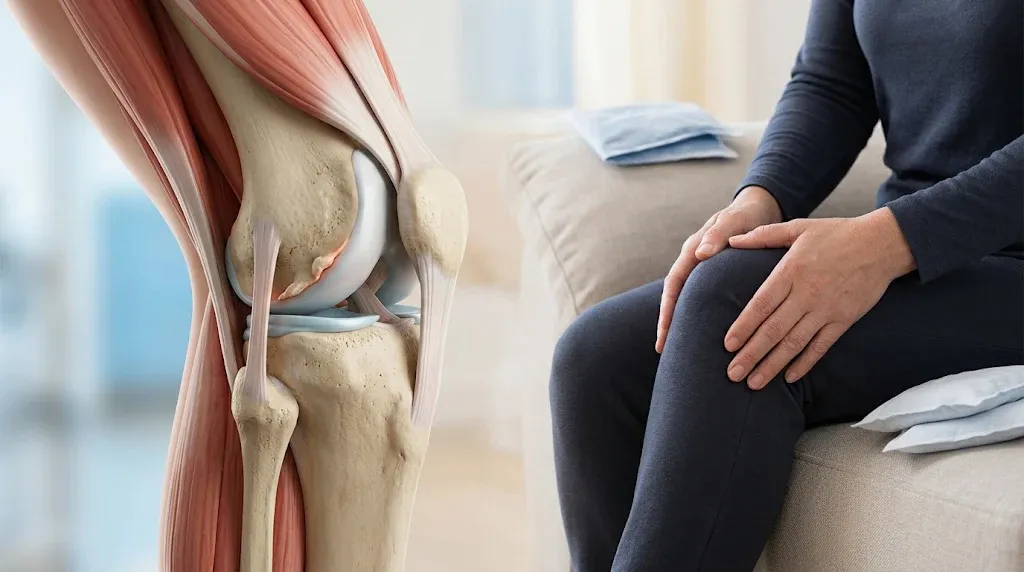
How to Dissolve Bone Spurs Naturally? 7 Safe Ways to Relieve Pain
If you’re searching for how to dissolve bone spurs naturally, the honest answer is that nothing you can eat, rub on or stretch is known to dissolve one. Cleveland Clinic states that no natural treatment or supplement dissolves bony tissue, because bone spur tissue is no different from the rest of your bone. What you can often do is calm the irritation around the spur, and that irritation is usually what’s causing the pain.
That difference between removing a spur and managing its symptoms shapes everything below. It also explains why many people live comfortably with bone spurs for years and never need an operation.
What a bone spur actually is
A bone spur, or osteophyte, is a smooth, extra growth of bone that forms along the edge of a bone, most often near a joint or along the spine. They are common, and they often cause no problems at all.
Bone spurs usually form because the body is trying to repair something. The main cause is joint damage from osteoarthritis, in which cartilage that cushions the ends of bones breaks down and the body responds by building bone near the damaged area. Age-related wear, past injuries and repeated mechanical stress on a joint can feed into the same process.
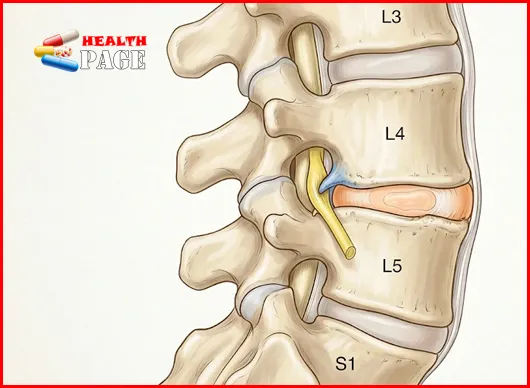
The spine follows the same logic. In osteoarthritis of the spine, disks arrow and bone spurs form, which is why degenerating discs and spurs so often turn up together on imaging. Because a spur is real bone rather than swelling or a loose mineral deposit, the body can’t flush it out the way it clears a bruise.
Many spurs are found by accident. They often turn up as a surprise on an X-ray taken for another reason. A spur on an image doesn’t automatically explain your pain, which is one reason a proper assessment matters.
Can bone spurs go away naturally?
Not in the sense most people mean. Cleveland Clinic notes that bone spurs don’t go away unless a surgeon removes them, but most people won’t need surgery.
Three questions tend to get blurred together, so it helps to separate them:
| The question | The evidence-based answer |
|---|---|
| Can an existing spur dissolve? | No proven natural method does this. |
| Can the pain improve? | Yes, often. Conservative care targets the irritated tissue around the spur. |
| Can I avoid surgery? | Frequently, because symptoms can ease while the spur stays exactly where it is. |
Pain relief is the realistic goal, and for many people it’s achievable.
Why bone spurs hurt (and why some don’t)
A spur causes trouble when it interferes with something nearby. Spurs start to cause symptoms when they press on nearby nerves, restrict movement, or rub against other bones or tissues. That’s why two people with similar-looking X-rays can have very different experiences.
Symptoms depend heavily on location:
- Neck (cervical): stiffness, shoulder pain, pain radiating into the arm, and sometimes tingling or numbness if a nerve is irritated.
- Spine: spurs on the vertebrae can narrow the space containing the spinal cord and pinch the cord or its nerve roots, causing weakness or numbness in the arms or legs.
- Knee: spurs can make it painful to extend and bend the leg.
- Hip: pain with movement, sometimes felt in the knee, and reduced range of motion.
- Heel and foot: pain with the first steps of the day or after long periods on your feet. Heel spurs often travel with plantar fasciitis, and the spur isn’t always the true source of the pain.
- Shoulder: pain when lifting the arm, sometimes linked to impingement, where tissue gets pinched during movement.
Tingling, numbness and weakness can also come from other nerve problems, such as spinal and foraminal stenosis, where the openings around the nerves narrow. That overlap is a good reason to get examined rather than assume a spur is responsible.
Seven safe ways to relieve bone spur pain
None of these removes a spur. Each one aims to reduce irritation, restore movement or take pressure off the area. These are the natural remedies for bone spur pain with the best medical backing.
1. Use cold therapy
Cold can temporarily ease soreness and swelling in the tissue around a spur. Cleveland Clinic describes ice and anti-inflammatory drugs as the most direct ways to treat swelling and soreness around a spur. Wrap a cold pack in a thin cloth, apply it for about 15 to 20 minutes, and let the skin return to normal temperature before repeating. Don’t put ice directly on bare skin, and be cautious if you have reduced sensation or circulation problems.
2. Keep moving with gentle exercise and stretching
Rest has a place during a flare-up, but long stretches of inactivity tend to leave joints stiffer. Mayo Clinic lists walking, biking and swimming as exercise that can help, partly because it strengthens the muscles around joints. Water-based exercise is easier on painful hips, knees and feet. The right movements depend on the affected area, so stop anything that sharpens pain, and avoid forceful neck movements or exercises that increase radiating pain, numbness or weakness.
3. Consider physical therapy
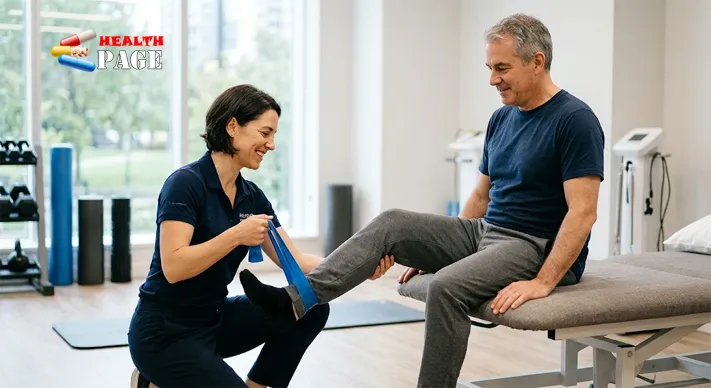
For many people this is the most useful step. Mayo Clinic notes that physical therapy can strengthen the muscles around the joints and improve flexibility, which eases pain and helps you move better. A therapist can also correct movement habits that keep irritating the same spot, such as how you load a knee or hold your shoulder. A program built for your spur’s location is usually safer than copying exercises from the internet.
4. Eat in an anti-inflammatory pattern
No food has been shown to shrink or dissolve a spur, so treat this as general joint and health support rather than a cure. A Mediterranean-style pattern is a sensible choice: vegetables, fruit, whole grains, nuts and seeds, olive oil, adequate protein and oily fish. It supports overall health and can help with weight management, and our healthy food guides cover everyday eating ideas in more detail.
5. Manage your weight if it applies to you
Mayo Clinic says that for people who are overweight and have osteoarthritis of the hips or knees, weight loss may ease bone spur pain, and even a small amount may help. The reason is mechanical: less load passes through weight-bearing joints with every step. Gradual, sustainable change is more realistic than crash dieting, and no one should expect weight loss to shrink a spur that’s already there.
6. Choose supportive footwear and pressure-reducing supports
This matters most for heel and foot spurs. Cleveland Clinic points to properly fitting shoes and weight loss as ways to reduce joint stress. In practice, look for shoes with enough room in the toe box, reasonable cushioning and a stable heel. Heel cups, cushioned inserts or custom orthotics may help when a clinician recommends them.
Pain at the base of the big toe can come from arthritis, a bunion or a spur, and a bunion is a different condition from a bone spur. If that’s where it hurts, the common causes of big toe pain are worth reading before you decide what you’re dealing with. Footwear changes can make walking more comfortable, but they won’t remove a spur.
7. Adjust posture and the activities that aggravate the pain
This one is especially relevant for the neck and spine. Raise your screen to eye level, take short movement breaks instead of sitting for hours, and vary your position through the day. If looking down at a phone is part of your routine, the pattern known as tech neck is a useful thing to read about. If a repetitive task, such as overhead lifting or long stretches of running, reliably brings on pain, change how often or how you do it rather than pushing through. Normal, tolerable activity is generally better than prolonged bed rest.
How to reduce inflammation from bone spurs
A bone spur doesn’t necessarily mean active inflammation. Pain often comes from mechanical irritation, pressure on a nerve, or the underlying arthritis that produced the spur. Reducing inflammation therefore means calming the tissue around the spur rather than treating the bone itself.
Cold applications, appropriate movement, avoiding repeated aggravation and weight management all contribute. Medication is the other piece. Mayo Clinic says a healthcare professional might recommend over-the-counter pain relievers such as acetaminophen, ibuprofen or naproxen sodium. These aren’t right for everyone. NSAIDs such as ibuprofen and naproxen can be unsuitable for people with kidney disease, stomach ulcers, certain heart conditions, or those taking blood thinners. Cleveland Clinic advises talking to a healthcare provider before taking NSAIDs for more than 10 days in a row. Check with a pharmacist or doctor first if any of those apply to you.
Creams, supplements and herbal products are often marketed for spurs. None has been shown to dissolve one. Turmeric is a common question: the evidence for easing joint symptoms is limited, and it shouldn’t replace proper assessment or treatment, particularly if you take other medications.
Bone spur treatment without surgery
Most people start here, and many finish here. The options fall into two groups: things you can do yourself and things a clinician provides.
| Approach | What it’s for |
|---|---|
| Physical therapy and targeted exercise | Improve strength, flexibility and function |
| Cold packs | Temporarily relieve pain and swelling |
| Weight management | Reduce load on weight-bearing joints |
| Supportive footwear or inserts | Reduce pressure on heel and foot structures |
| Over-the-counter medication | Manage pain and inflammation, with cautions above |
| Corticosteroid injections | Reduce inflammation in selected cases |
| Activity modification | Avoid repeated irritation |
Surgery is a different category. Cleveland Clinic says most bone spurs don’t need any treatment, and that if a spur causes pain or movement problems, a provider can suggest ways to relieve it. Surgery is usually considered when symptoms stay severe despite appropriate care, when movement is significantly limited, or when a spur causes problematic nerve compression. Mayo Clinic notes that whether surgery is suitable depends on where the spurs are, how painful they are and how much they limit movement.
For a clear clinical overview, the Cleveland Clinic guide to bone spurs (osteophytes) is a good starting point, and our orthopedics section covers related joint and spine conditions.
How diagnosis works
Because spurs don’t always cause symptoms, diagnosis is about connecting the growth to what you feel. A doctor will usually examine the joint and may order X-rays or other imaging to view the joints and bones. X-rays are the usual first step. If you have nerve-related symptoms, further tests such as an EMG or nerve conduction study can identify which nerves are affected and whether a spur is responsible. An MRI or CT scan may be added when more detail is needed about nerves, discs or soft tissue.
When to see a doctor
Book an appointment if you notice persistent or worsening joint pain, growing stiffness, trouble moving a joint, or pain that interrupts sleep or daily tasks. Mayo Clinic’s guidance also names weakness or loss of feeling in the arms or legs as a reason to get checked. Difficulty walking or keeping your balance deserves prompt attention too.
Some spinal symptoms are urgent. New loss of bladder or bowel control, numbness around the groin or saddle area, sudden or worsening weakness in a limb, or severe difficulty walking or coordinating your movements can signal serious compression of spinal nerves or the spinal cord. Seek emergency medical care rather than trying home remedies first.
Frequently asked questions
Is there any proven way to dissolve a bone spur at home?
No. A spur is solid bone tissue, and no home remedy, supplement or exercise has been shown to dissolve one. Home care is aimed at the soreness and stiffness the spur can cause.
Can bone spurs in the neck cause nerve problems?
They can. A cervical spur may irritate or compress a nerve root, leading to arm pain, tingling, numbness or weakness, and less commonly it can affect the spinal cord. Other neck conditions cause similar symptoms, which is why a medical assessment is worth having.
Is walking good or bad for a bone spur?
It depends on the location and how irritated the area is. Low-impact walking often helps keep joints mobile, while repeated activity that provokes sharp pain can aggravate a spur. Adjust the duration or intensity rather than stopping altogether, unless a clinician tells you otherwise.
Do I have to have the spur removed to feel better?
Usually not. Many people improve with physical therapy, activity changes, supportive footwear and pain management. Removal is reserved for persistent severe symptoms, major loss of movement or significant nerve compression.
What are the best exercises for bone spur pain?
There isn’t one set that suits everyone. Low-impact options such as walking, cycling and swimming are commonly suggested, along with gentle stretching and strengthening for the affected area. A physical therapist can tailor them so you avoid moves that make symptoms worse.
Should I be worried if my X-ray shows a bone spur but I have no pain?
Generally not. Spurs without symptoms commonly need no treatment. The finding is worth mentioning to your clinician, but it isn’t a reason to start a treatment program on its own.
The takeaway
Searching for how to dissolve bone spurs naturally often leads to promises that don’t hold up. Existing spurs don’t dissolve, but the pain and stiffness around them frequently respond to cold, sensible movement, physical therapy, supportive shoes, weight management, better posture and, where appropriate, medication. Your next step depends on your symptoms: if the pain is mild and steady, start with the simpler measures above, and if you notice nerve symptoms or your movement is limited, have a clinician look at it sooner rather than later.
References
- Cleveland Clinic. “Bone Spurs (Osteophytes).” https://my.clevelandclinic.org/health/diseases/10395-bone-spurs-osteophytes
- Mayo Clinic. “Bone spurs: Diagnosis and treatment” and “What are bone spurs?” (Mayo Clinic News Network). https://newsnetwork.mayoclinic.org/discussion/what-are-bone-spurs/

Dr. John Ma is a dedicated Orthopaedic Surgeon with extensive experience in musculoskeletal health and surgical care. He currently serves at Royal Brisbane and Women’s Hospital, Australia, where he provides expert treatment for complex orthopaedic conditions. Passionate about advancing patient outcomes, Dr. Ma combines evidence‑based practice with compassionate care, helping individuals restore mobility and improve quality of life. Through his contributions to healthcare, he continues to support patients in achieving long‑term wellness and recovery.