
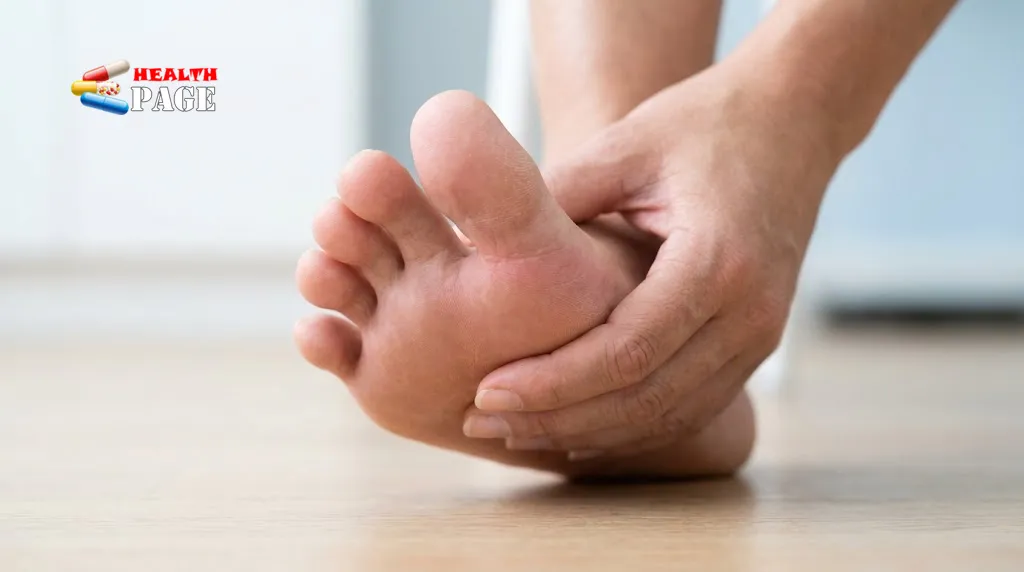
Big Toe Pain: 7 Common Causes and How to Find Relief
Big toe pain has a way of taking over your day. The joint at the base of the toe carries a large share of your body weight with every step, so even a minor problem there can make walking, climbing stairs or putting on shoes feel like a negotiation. The cause is often ordinary, such as tight shoes or a sprain from a stubbed toe. Sometimes, though, it is gout, arthritis or a fracture that needs proper assessment.
This guide covers seven of the most common explanations. It shows how the location and pattern of pain can offer clues, what you can reasonably do at home, and which warning signs mean you should stop self-managing. It cannot replace an examination. Many of these conditions look alike, and clinicians sometimes need an X-ray or a blood test to separate them.
Why the Big Toe Is So Prone to Problems
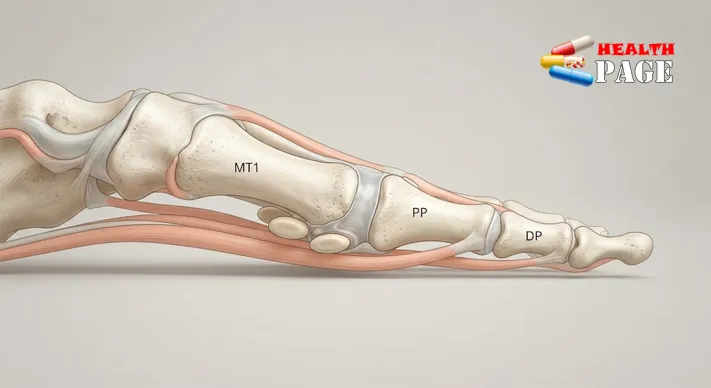
The big toe is built to do a lot in a small space. Its main joint, where the toe meets the long foot bone behind it, is called the first metatarsophalangeal joint (MTP joint for short). Each time you walk, your heel lifts and this joint has to bend upward so your body can roll forward over the toe. That push-off phase places concentrated pressure on a joint roughly the size of a thumb knuckle.
Within that same area sit cartilage, a joint capsule, several tendons, two tiny bones called sesamoids embedded in a tendon beneath the joint, the nail fold and the skin. A problem with any one of them can produce pain at the base of the big toe. That is why big toe pain causes range from simple footwear pressure to inflammatory arthritis, and why the same-feeling ache can have very different origins.
7 Common Big Toe Pain Causes
1. Gout
Gout is a form of arthritis caused by too much uric acid in the blood, which can form crystals around a joint. The classic picture is sudden, severe pain in the big toe with hot, swollen, red skin over the joint. The NHS notes that the redness may be harder to see on black or brown skin. For many people the pain in the big toe joint is so intense that even a bedsheet resting on it hurts.
Left untreated, an attack usually lasts one to two weeks, according to the NHS guidance on gout. Risk rises with excess weight, alcohol, certain medicines such as water tablets, kidney problems and other conditions. Knowing the common gout triggers can help people who have had one attack reduce the chance of another.
Not every red, swollen joint is gout, however. A joint infection can look almost identical, and that possibility is covered in the medical-help section below.
2. Bunions
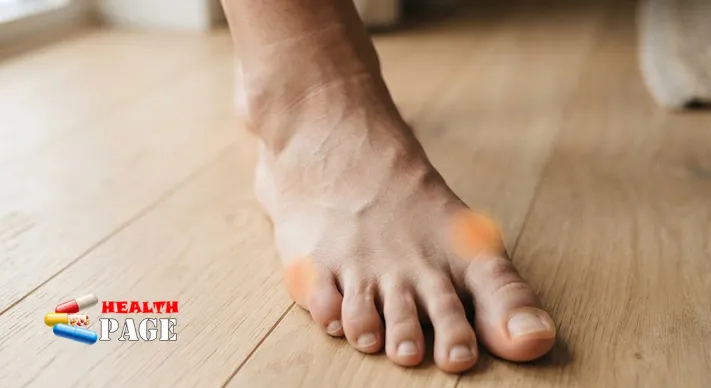
A bunion is a bony lump on the inner side of the foot at the base of the big toe. The toe often leans toward the others, and the skin over the bump may look swollen, red or darker than the surrounding skin. Pain tends to be worse in shoes and while walking, and some people also feel soreness along the side or bottom of the foot.
The NHS bunion page is clear on two points. Surgery is the only way to remove a bunion, and home measures can only ease the pain, not reverse the shape. Ill-fitting shoes may contribute, although the exact cause is not always known. An inflamed bunion can resemble gout, so a change from “familiar lump” to “hot, red and suddenly agonizing” deserves attention.
3. Osteoarthritis and Hallux Rigidus
Osteoarthritis is gradual wear of the joint’s cartilage. When it affects the big toe, doctors often use the term hallux rigidus, which simply means a stiff big toe. People typically notice stiffness first, then a reduced ability to bend the toe upward, and sometimes a bony bump on top of the joint. Pain is most obvious during push-off, so walking briskly, climbing stairs or crouching can be uncomfortable.
Aching, swollen and stiff joints that are worse in the morning point toward arthritis in general. Rheumatoid and psoriatic arthritis can also affect the toes, usually with other joints involved. If you want a broader grounding in joint symptoms, this explainer on arthralgia and what causes it is a useful starting point.
4. Sprains and Fractures
A stubbed toe, a dropped object, a sudden stop in sports or a forceful bend can injure the ligaments or bones. A sprain of the ligaments beneath the joint, often called turf toe, is common in sports played on hard ground. A fracture may follow a heavier impact. Either way, the toe may be bruised, painful to touch and visibly swollen, and it can hurt to put weight on it.
The NHS advises against treating a suspected broken toe yourself and says not to use the “buddy strap” technique on a big toe. Contact NHS 111 or a local urgent service to find out what to do. If a fracture is confirmed, understanding how bones heal in stages helps set realistic expectations for recovery.
5. Sesamoiditis
The two small sesamoid bones sit under the big toe joint like tiny pulleys, helping tendons glide and absorbing pressure. Repeated loading can irritate them and the surrounding tendon. The result is pain beneath the ball of the foot, right under the big toe joint, usually worse with push-off, running, dancing or wearing thin-soled or high-heeled shoes, and calmer with rest.
Because a sesamoid can also be fractured, ongoing pain in this spot is worth having examined rather than just “walking off”.
6. Ingrown Toenail or Nail-Fold Infection
If the pain sits at the edge of the nail rather than in the joint, the nail may be the culprit. An ingrown toenail occurs when the side of the nail grows into the surrounding skin, which becomes red, swollen and tender. If pus appears, or redness spreads, the area may be infected. Cutting nails very short or rounding the corners, tight footwear and injury can all play a part.
Mild cases sometimes settle with careful nail care and comfortable shoes, but recurring or infected ingrown nails are a job for a podiatrist or GP. The NHS advises that anyone with diabetes and foot pain should be seen, because foot problems can be more serious in diabetes.
7. Tendon and Soft-Tissue Irritation
Tendons that bend and straighten the big toe can become sore with repetitive use, such as a sudden jump in running mileage, a new job on your feet, ballet or hill walking. The pain tends to be localized, builds as activity continues and may ease at rest. It may be felt on top of the foot, along the arch side or under the toe, depending on which tendon is irritated.
This group overlaps with the others, which is why a clinician will usually press, move and weight-load the foot to see exactly which structure reproduces the pain. A few other conditions, including nerve problems and circulation-related issues such as chilblains or Raynaud’s, can also cause toe pain. They usually come with tingling, numbness or color changes.
How to Read Your Big Toe Pain Pattern
The location, timing and trigger of the pain narrow the possibilities, though they never prove a diagnosis. The NHS itself advises against trying to diagnose the cause yourself, so treat the table as a conversation starter for your GP, podiatrist or pharmacist, not a verdict.
| What you notice | Where it hurts | Possible cause |
|---|---|---|
| Sudden, severe pain; hot, red, swollen joint | Whole big toe joint | Gout (or, rarely, infection) |
| Hard lump, pain worse in shoes | Inner side of the joint | Bunion |
| Stiffness, bump on top, pain on push-off | Top and sides of the joint | Hallux rigidus / osteoarthritis |
| Bruising and swelling after an injury | Joint or toe bone | Sprain or fracture |
| Ache under the joint during activity | Underside, ball of the foot | Sesamoiditis |
| Redness, tenderness, possible pus | Edge of the nail | Ingrown nail or infection |
Consider big toe pain when walking as a separate clue. If it appears mainly with the push-off phase and eases when you rest, a mechanical cause such as arthritis, sesamoid irritation or tendon strain is more likely. If it is mainly shoe pressure on a bump, a bunion is a stronger candidate. If you cannot put weight on the foot at all, think injury and seek assessment. A swollen big toe that is hot and red and came on within hours leans toward an inflammatory process such as gout, but only a clinician can confirm that.
Safe Ways to Ease Discomfort at Home
For mild symptoms with no sign of a broken toe, the NHS’s toe pain advice offers a sensible baseline for big toe pain treatment at home:
- Rest, and raise your foot when you can.
- Apply an ice pack or frozen peas wrapped in a towel for up to 20 minutes every two to three hours. Avoid this if you have chilblains or Raynaud’s.
- Wear wide, comfortable shoes with a low heel and soft sole.
- Avoid long periods of walking or standing, high heels and tight, pointed shoes.
- Try regular, gentle stretching exercises if your symptoms allow.
Pain relief is more individual. The NHS mentions paracetamol or ibuprofen gel, with ibuprofen tablets if needed, but the right choice depends on your health conditions, other medicines and risk factors. A pharmacist can advise on painkillers, insoles, pads and whether you need a GP. That is a quick, practical first stop, especially if you are unsure whether anti-inflammatory tablets suit you. This article does not give doses, because those belong in a conversation with someone who knows your history.
Two cautions matter. Do not tape a possibly broken big toe yourself, and do not assume that rest and ice are enough if the joint is hot, red and increasingly painful. Self-care is for mild, steady problems, not for sudden, severe or worsening ones.
Footwear and Habits That Help Prevent Repeat Flare-Ups
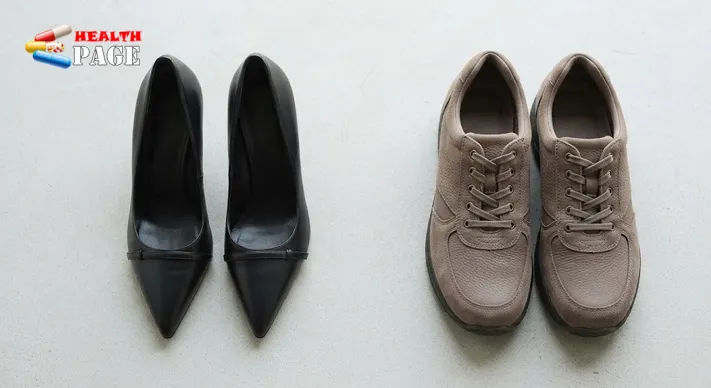
Many foot problems begin or worsen with footwear, so this is the most practical area to adjust. Shoes should leave room for your toes to spread, with a heel that is not high and a sole with some cushioning. If your last pair rubs the bump, squeezes the toe box or flexes in the wrong place, retiring it may help more than any cream. For a closer look at how fit and design affect your feet over time, see this piece on how poorly chosen shoes contribute to foot problems.
Other habits worth building:
- Increase activity gradually. Sudden jumps in running, hiking or dance practice are a common route to tendon and sesamoid irritation.
- Keep nails trimmed straight across rather than curved into the corners, which lowers the chance of an ingrown nail.
- If you have had gout, follow the NHS lifestyle suggestions: drink plenty of fluids, limit alcohol, aim for a healthy weight without crash dieting, and take any prescribed uric-acid-lowering medicine regularly, even when you feel well.
- If you have a bunion or stiff toe, ask a podiatrist about insoles, toe spacers or shoe modifications. The NHS notes that these can be bought or made specially.
When to Get Medical Help
Plan a visit to a GP or podiatrist if your toe pain is stopping normal activities, is getting worse or keeps coming back, hasn’t improved after two weeks of home care, or if you think you may have broken a toe. Anyone with diabetes and foot pain should seek advice promptly. In some areas you can self-refer to a podiatrist without seeing a GP first, so check with your surgery.
Urgent assessment through NHS 111 or an urgent care service is appropriate if you have:
- A badly injured big toe, a toe pointing at an odd angle, or a snapping, grinding or popping sound at the time of injury.
- Severe pain, or pain that makes you feel faint, dizzy or sick.
- Tingling or loss of sensation in the foot, or an inability to move your toes or walk.
- A hot, red, swollen joint with fever, chills or feeling generally unwell. This combination can signal an infection inside the joint, which can resemble gout and needs urgent treatment.
When injury is suspected, the usual next step is an X-ray. If you’re curious about what clinicians look for, this guide to identifying a fracture on an X-ray explains the basics.
Frequently Asked Questions
Is big toe pain always gout?
No. Gout is a well-known cause, but bunions, arthritis, injuries and ingrown nails are all common, and some produce red, swollen skin that looks similar. Because treatment differs, a clinician’s assessment matters, particularly for a first attack.
Why does my toe hurt when I walk but feel fine at rest?
Walking forces the big toe joint to bend and bear load, which provokes mechanical problems such as early arthritis, tendon strain or sesamoid irritation. Pain that appears only under load is a reasonable detail to share with your doctor or podiatrist.
Can a swollen big toe be an emergency?
It can be. A swollen toe after a minor knock is usually manageable, but swelling with severe pain, fever, chills or an inability to walk needs prompt medical attention, as does swelling with deformity or numbness.
Do supportive or orthopedic shoes help?
They can, depending on the cause. Roomier, cushioned or corrective footwear may reduce pressure from a bunion or stiff joint, though it will not cure the underlying condition. This overview of how orthopedic shoes are customized shows what to expect, and a podiatrist can match the design to your foot.
How long should I wait before seeing someone?
The NHS suggests seeing a GP if pain has not improved after two weeks of home care, and sooner if the pain is severe, worsening, linked to an injury or you have diabetes.
Bringing It All Together
Big toe pain has many possible sources, and the seven covered here (gout, bunions, osteoarthritis or hallux rigidus, sprains and fractures, sesamoiditis, ingrown toenails and tendon irritation) account for a large share of cases. The location, the timing and what triggers the pain are your best clues, but they are not a diagnosis, and overlapping symptoms are common.
For mild problems, rest, cooling, roomy shoes and advice from a pharmacist are sensible first steps. If the pain is severe, follows an injury, comes with fever, or fails to improve within about two weeks, move on to professional care rather than waiting it out. Readers who want to explore related joint and bone topics can browse HealthPage’s orthopedics section.
References
- NHS, “Toe pain”: https://www.nhs.uk/symptoms/foot-pain/toe-pain/
- NHS, “Gout”: https://www.nhs.uk/conditions/gout/
- NHS, “Bunions”: https://www.nhs.uk/conditions/bunions/

Dr. John Ma is a dedicated Orthopaedic Surgeon with extensive experience in musculoskeletal health and surgical care. He currently serves at Royal Brisbane and Women’s Hospital, Australia, where he provides expert treatment for complex orthopaedic conditions. Passionate about advancing patient outcomes, Dr. Ma combines evidence‑based practice with compassionate care, helping individuals restore mobility and improve quality of life. Through his contributions to healthcare, he continues to support patients in achieving long‑term wellness and recovery.