
Is the Apple Watch ECG Accurate? Expert Insights on Heart Rhythm Monitoring

Dr. Akram Chang is a veteran Cardiac Specialist with extensive clinical experience serving at the historic
Gulab Devi Teaching Hospital in Lahore.
Specializing in clinical cardiology, myocardial preservation, and preventative cardiovascular health, he dedicates his medical career to both critical inpatient care and global public health literacy.
As a core panelist on the HealthPage Medical Review Board,
Dr. Chang provides rigorous clinical oversight, expert fact-checking, and medical verification for our thoracic and circulatory care resources. His analytical oversight ensures that complex hospital diagnostics are translated into safe, actionable, and strictly evidence-based lifestyle habits.
✉ Professional Inquiries:
[email protected]
If you have ever felt a flutter in your chest and glanced at your wrist for answers, you are not alone. Apple watches ECG features have changed how many people think about heart rhythm monitoring at home. In our medical editorial work, we often hear the same question from patients and readers: can a smartwatch ECG really be trusted?
The short answer is yes, with important limits.
The Apple Watch ECG app can be a useful wearable heart health monitor for detecting patterns that may suggest atrial fibrillation, also called AFib. It is not a replacement for a clinician, an emergency evaluation, or a full 12-lead electrocardiogram in a medical setting. But for the specific job it was designed to do, it performs better than many people expect.
That distinction matters. A consumer device can be helpful without being all-powerful. In fact, that is the safest way to think about modern consumer health technology. It can flag changes. It can prompt action. It can support earlier conversations with a healthcare professional. It should not make the diagnosis alone.
If you also notice symptoms like a Fast heart beat, throat fluttering, chest discomfort, or breathlessness, it helps to view the watch as one clue among several. We often remind readers that symptom patterns, personal history, medications, and a formal exam all shape the full picture. Articles such as What Do Heart Palpitations Feel Like in Your Throat can also help people describe what they are experiencing more clearly before a medical visit.
1. What the Apple Watch ECG actually measures
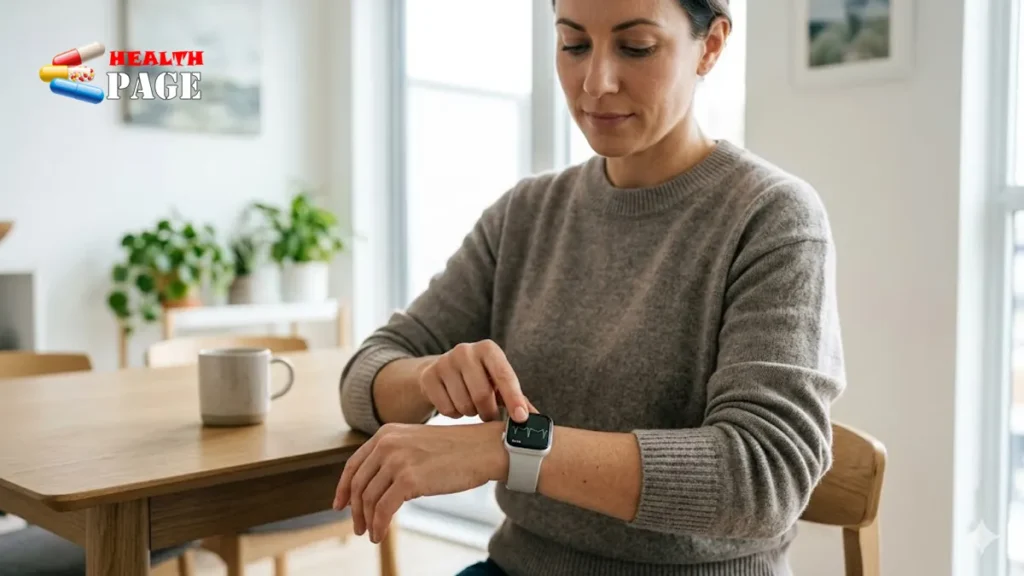
The ECG app on the Apple Watch records the electrical signals involved in each heartbeat. This is different from the optical heart rate sensor, which uses light to estimate pulse. When you touch the Digital Crown during an ECG recording, the watch creates a single-lead tracing. In simple terms, it is reading the electrical timing of your heart from two points on your body.
That means it is performing a limited form of digital health diagnostics. Limited does not mean useless. It means targeted.
The Apple Watch ECG is mainly designed to look for signs of:
- Sinus rhythm, meaning a regular rhythm pattern
- Atrial fibrillation, a common irregular rhythm
- Recordings that are inconclusive or affected by heart rate extremes
This is where atrial fibrillation detection becomes the key clinical purpose. AFib can raise stroke risk in some people, especially if it goes unnoticed for long periods. A watch that nudges someone to seek care sooner may have real value.
Still, the device does not rule out many serious conditions. It cannot diagnose:
- A heart attack
- A blood clot
- A stroke
- Heart failure
- High blood pressure
- Many other arrhythmias outside its classification system
That is why Interpreting Apple Watch ECG results requires caution. A normal-looking watch result does not guarantee a healthy heart.
2. So, how accurate is Apple Watch ECG?
This is the heart of the discussion. When people ask about Apple Watch ECG accuracy, they are usually asking whether they can rely on it in real life, not just in a laboratory.
Most studies agree on a balanced conclusion: the Apple Watch ECG is fairly accurate for identifying atrial fibrillation in appropriate users, but it is not as comprehensive as a clinical 12-lead ECG.
In broad terms:
- It performs well for AFib screening
- It is less useful for diagnosing other rhythm problems
- Accuracy depends heavily on proper use
- Symptoms still matter, even if the ECG says “sinus rhythm”
Published analyses and FDA-cleared use history suggest the watch can detect AFib with good specificity and reasonable sensitivity in the right context. One often-cited figure is that it identifies AFib in roughly 84% of cases compared with a professional standard ECG in certain settings. That is promising, but it also means some cases may be missed, and some results may need confirmation.
A useful analogy is this: the Apple Watch is more like a smoke alarm than a fire investigator. It can alert you to a possible problem. It cannot explain every cause, every risk, or every next step.
Why accuracy varies in everyday use
In clinical practice, we notice that accuracy often drops outside ideal conditions. Common reasons include:
- Loose watch fit
- Dry or sweaty skin
- Movement during recording
- Tremor
- Electrical interference
- Very fast or very slow heart rates
- Existing pacemakers or implanted devices in some users
That is one reason patients sometimes get “inconclusive” or “poor recording” results. It does not always mean there is a heart problem. Sometimes it just means the signal was messy.
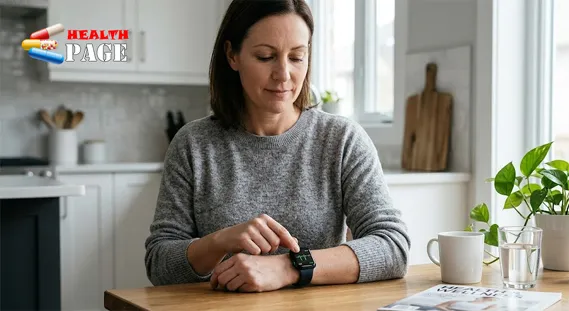
3. How to take an ECG on Apple Watch the right way
If you want the best result, technique matters. How to take an ECG on Apple Watch is simple, but not everyone does it in the most reliable way.
Follow these steps:
- Wear the watch snugly on your wrist
Not tight enough to pinch. Not loose enough to shift. - Make sure your skin is clean and dry
Moisture, lotion, or poor contact can affect the tracing. - Open the ECG app
Sit down before you start. - Rest your arms on a table or in your lap
This reduces muscle movement and signal noise. - Place one finger from your opposite hand on the Digital Crown
Do not press down. Just touch lightly. - Stay still for 30 seconds
Avoid talking, walking, or fidgeting. - Review the classification
Save the result if you plan to share it with a clinician.
Quick troubleshooting tips
If your recording fails, try this:
- Reposition the watch slightly higher on the wrist
- Relax your shoulders and hands
- Move away from plugged-in electronics
- Warm cold hands if circulation is poor
- Repeat the recording once you are calm
For some users, especially those with anxiety around symptoms, repeated recordings can become stressful. We sometimes advise moderation. If you are checking your watch every few minutes, it may increase worry rather than improve care.
4. Interpreting Apple Watch ECG results without overreacting
This is where many readers need the most help. Interpreting Apple Watch ECG results is not just about reading the label on the screen. It is about understanding what the label can and cannot tell you.
Here is a practical breakdown:
| Apple Watch ECG Result | What It Usually Means | What You Should Do |
|---|---|---|
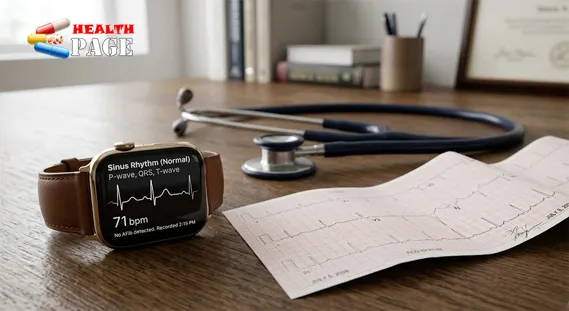
| Sinus Rhythm | The rhythm appears regular during that recording | Reassuring, but not proof that everything is normal |
| AFib | The tracing suggests atrial fibrillation | Contact your healthcare provider, especially if this is new |
| High or Low Heart Rate | Heart rate may be outside the range where AFib assessment works well | Repeat later if advised, and discuss symptoms if present |
| Inconclusive | The watch could not classify the tracing | Check fit, stay still, repeat once, and seek advice if symptoms continue |
| Poor Recording | Signal quality was not good enough | Improve contact and try again |
A “sinus rhythm” result is often comforting. But it should not override symptoms like:
- Chest pain
- Fainting
- Severe shortness of breath
- New weakness
- Ongoing palpitations with dizziness
Those symptoms deserve urgent medical attention regardless of what the watch says.
Likewise, an AFib result is not a reason to panic. It is a reason to follow up. In many cases, clinicians will confirm the result with a medical-grade ECG and decide whether treatment is needed.
This broader context also matters when people are being assessed for other issues, such as exercise intolerance or unexplained breathlessness. In those settings, testing may include investigations discussed in What Are the 3 Types of Stress Tests, not just rhythm monitoring.
5. The role of Apple Watch heart rhythm notifications
The manual ECG app gets most of the attention, but the background feature may be just as important. The Apple Watch heart rhythm notification system checks for irregular patterns during periods of inactivity and may alert you if repeated episodes look suggestive of AFib.
That is a meaningful difference.
The ECG app is user-triggered.
The irregular rhythm notification is passive.
This feature supports ongoing cardiac rhythm tracking, but it is not continuous surveillance. It samples at intervals. So if you never get a notification, that does not guarantee you never had an irregular rhythm.
Who may benefit most?
In our editorial review of patient stories and clinical guidance, this feature seems most useful for:
- Adults with occasional unexplained palpitations
- People with risk factors for AFib, such as age or hypertension
- Users who might not otherwise seek care
- Individuals interested in smartwatch health features as part of wellness tracking
Important caveat
The irregular rhythm notification feature is generally intended for users without a prior AFib diagnosis. If you already have known AFib, your care plan should come from your clinician, not from a watch alert pattern.
This is also where context from symptoms matters. Someone may feel throat thumping, skipped beats, or racing sensations that are not AFib at all. Those experiences may relate to extra beats, sinus tachycardia, stress, caffeine, or other causes. For a symptom-focused explanation, readers often find What Do Heart Palpitations Feel Like in Your Throat helpful alongside rhythm data.
6. Where the Apple Watch ECG helps most in real life
The best use case is not replacing cardiology. It is narrowing the gap between symptom onset and medical attention.
Consider a simple example from the kind of cases clinicians often describe. A 62-year-old notices brief episodes of fluttering while reading in the evening. They are not severe enough to go to the emergency department, but they keep happening. An Apple Watch ECG captures an irregular pattern one night. The patient shares the PDF with their doctor. A formal ECG confirms AFib. Treatment begins earlier than it otherwise might have.
That is where Apple watches ECG tools can add value.
Another scenario is less dramatic but equally important. A younger person with anxiety feels a pounding heartbeat after poor sleep, extra coffee, and stress. The watch shows sinus rhythm. That does not diagnose anxiety, but it may reduce fear while prompting a more thoughtful review of triggers like dehydration, stimulants, and stress. That can lead naturally into broader conversations about Heart rate variability, sleep, and recovery.
The watch can be helpful when it encourages the right next step. It becomes less helpful when it creates false reassurance or compulsive checking.
7. When not to rely on your watch
This is the most important safety point in the article.
Do not rely on your Apple Watch if you have:
- Chest pain or pressure
- Severe shortness of breath
- Fainting
- New confusion
- Symptoms of stroke
- Persistent rapid heartbeat with weakness or collapse
In those cases, seek urgent medical care.
A watch can miss dangerous problems. It may show a normal rhythm during a moment when another issue is unfolding. This is especially true for heart attacks, which often need blood tests, symptom review, and a 12-lead ECG. A single-lead wrist device is simply not designed for that task.
We also caution readers not to change medication based on smartwatch readings alone. That includes blood thinners, beta blockers, and anti-arrhythmic drugs. These decisions carry real risks and should be made with a clinician.
8. Expert take: useful tool, imperfect test
So, is it worth using?
Yes, for many people.
The current evidence suggests the Apple Watch ECG is a credible screening and monitoring aid for atrial fibrillation, especially when used correctly and interpreted in context. It fits into the larger shift toward consumer health technology and at-home digital health diagnostics, where patients can bring more data into clinical conversations than ever before.
But there is a discipline to using it well.
A watch works best when:
- You understand its limits
- You record symptoms accurately
- You share concerning findings with a healthcare professional
- You do not let the device overrule your body
In our experience, the most informed users do not ask the watch to be a doctor. They ask it to be an early warning tool.
FAQs
Is the Apple Watch ECG accurate enough to detect AFib?
It can be reasonably accurate for AFib screening, especially when the recording is taken properly. It is still less comprehensive than a medical 12-lead ECG.
Can the Apple Watch detect a heart attack?
No. The Apple Watch ECG is not designed to diagnose a heart attack. Chest pain, pressure, or collapse needs urgent medical assessment.
How often should I use the ECG app?
Use it when you have symptoms or when your clinician recommends monitoring. Repeated checking without symptoms may increase anxiety without adding useful information.
What does an inconclusive Apple Watch ECG mean?
Usually that the watch could not classify the tracing. Movement, poor skin contact, high or low heart rate, or electrical noise can all cause this.
What is the difference between the ECG app and Apple Watch heart rhythm notification?
The ECG app is a manual recording you start yourself. The Apple Watch heart rhythm notification feature checks in the background for patterns that may suggest irregular rhythm.
Should I see a doctor if my watch says AFib?
Yes. Especially if it is a new finding. Confirmation with a medical professional is important, even if you feel well.
If symptoms come with a Fast heart beat, faintness, or recurring throat sensations, it may also help to review symptom guides like What Do Heart Palpitations Feel Like in Your Throat before your appointment so you can describe episodes more clearly.
Conclusion
For the right user, Apple watches ECG functions can be a smart and reassuring part of heart monitoring. They are especially useful for atrial fibrillation detection, basic cardiac rhythm tracking, and prompting timely follow-up. But the key word is support. The watch supports care. It does not replace it.
If you want the most value from the device, learn How to take an ECG on Apple Watch correctly, be thoughtful when Interpreting Apple Watch ECG results, and treat any Apple Watch heart rhythm notification as a reason to check in with a professional, not as a final diagnosis.
And if your body is telling you something feels wrong, trust that signal too. A wrist device can offer clues. A clinician brings the full picture.
For readers exploring related symptoms and testing, topics like Fast heart beat, What Do Heart Palpitations Feel Like in Your Throat, and What Are the 3 Types of Stress Tests can add helpful context.
Pingback: Pacemaker Surgery: What to Expect, Recovery & Risks (7 Key Facts)