
Tampon: 7 Essential Tips on Sizes, How to Insert and Use One Safely
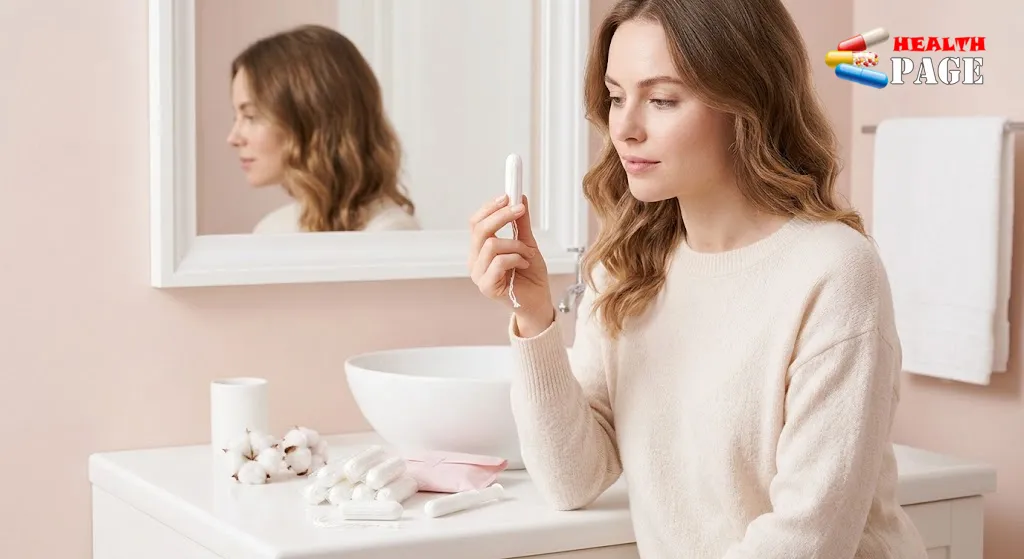
A tampon is a small, absorbent plug of cotton, rayon or a blend of both. It sits inside the vagina and soaks up menstrual blood before it leaves the body. Many people try one for the first time because of a swimming lesson, a sports day or a closer-fitting outfit. They often find the packet raises more questions than it answers: which absorbency to buy, which way to point it, and whether it is safe at all. Tampons are a well-regulated menstrual hygiene product. They work best when you choose the lowest absorbency that covers your flow, and most problems come from a few avoidable habits, such as leaving one in too long. This guide covers what to buy, how to insert a tampon comfortably, what the hymen has to do with it, and the warning signs of toxic shock syndrome.
1. What Is a Tampon and How Does It Work?
Most disposable tampons are cylindrical and made from cotton, rayon (viscose) or a mix of the two. A withdrawal string is attached at one end. Once the tampon is inside, it expands as it absorbs fluid, and that expansion is what holds it in place. The FDA notes that the tampon swells to fit your shape. The only tampons the FDA has authorized are single-use, and the agency discourages reusable versions because of a higher risk of infection. fda
Tampons have a few clear advantages:
- They collect blood internally, so they stay discreet under fitted clothes.
- They are less likely to shift during exercise than a pad.
- They allow swimming during a period.
The drawbacks are real too. First-time insertion can feel unfamiliar, tampons need regular changing, and some people notice dryness or irritation. There is also a small but serious risk of toxic shock syndrome, covered in section 7.
Safety questions about materials come up often. In July 2026 the FDA reported a laboratory study finding that trace metals are present in tampons but the amount released during use is too small to cause harm.
Tampons are optional. Pads, period underwear and menstrual cups are all reasonable choices. Anyone leaning towards a cup will want to know how to keep it clean, which this guide to menstrual cup sterilizers explains.
2. Different Types of Tampons: Applicator or Non-Applicator?
Tampons come in two insertion styles.
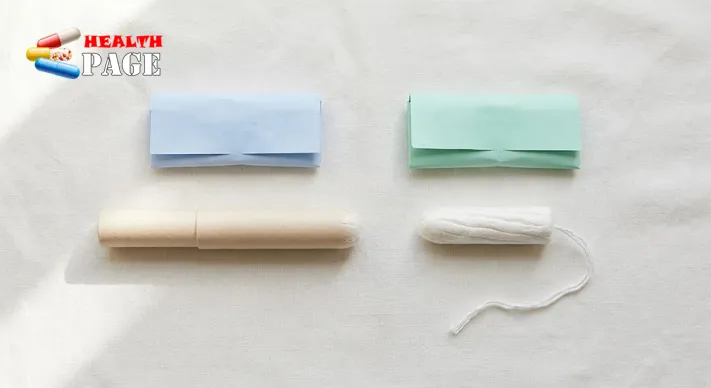
Applicator tampons come inside a tube of cardboard or plastic. The tube guides the tampon into place, and a smaller inner tube pushes it out. Many beginners find this easier because there is less direct handling, and some applicators have a compact, retractable design.
Non-applicator (digital) tampons are inserted with a clean finger. They are small and easy to carry, and they give you direct control over placement. They also ask for a little more familiarity with your own anatomy, which can make a first attempt trickier.
For a first try, a light-absorbency applicator tampon is a sensible starting point. Still, comfort, technique and personal preference matter more than the category, so switching is fine if one style doesn’t suit you.
3. Understanding Tampon Sizes and Absorbency
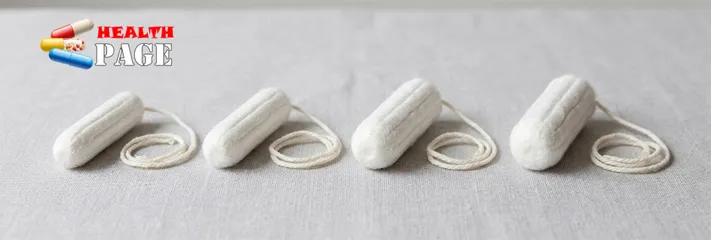
Tampon sizes are a common source of confusion. The word “size” does not describe your body, your vagina or your sexual experience. It describes how much fluid the tampon can hold. A “super” tampon is not longer or wider because you are older or taller; it simply absorbs more.
In the United States the FDA standardised absorbency labelling so that terms such as junior, regular, super and super plus mean the same range of absorbency on any brand’s box.
| Label | Typical absorbency | Often suits |
|---|---|---|
| Light / Junior | Up to 6 g | Light flow, first-time users |
| Regular | 6–9 g | Moderate flow |
| Super | 9–12 g | Heavier days |
| Super Plus | 12–15 g | Very heavy flow |
| Ultra | 15–18 g | Heaviest flow (not sold everywhere) |
Labels vary between countries and brands. European packs may say Mini, Normal and Super, and many use water-drop symbols. A given number of drops does not always mean the same absorbency from brand to brand, so rely on the gram range and the manufacturer’s own chart on the packaging.
How to choose the right absorbency
The guiding principle is to use the lowest absorbency that manages your flow. The FDA gives the same advice because higher absorbency than you need can increase risk without adding comfort.
A few practical checks help:
- If the tampon comes out mostly dry or is uncomfortable to remove, drop down a size.
- If it leaks well before four hours, move up a size or change it more often.
- Flow usually changes across a period, so many people use a heavier tampon on day one or two and a lighter one afterwards.
Flow can also look different from one cycle to the next. If your blood seems unusually pale or watery, this explainer on watery, pink period blood covers common causes and when to see a clinician.
Beginners are sometimes told to buy a bigger tampon because it feels “safer” or because they have never had sex. Neither is a good reason. Start low and adjust to your flow.
4. Can Virgins Use Tampons? Does It Break the Hymen?
Yes. Having had vaginal intercourse is not a medical requirement for using tampons, and many people use them years before they have sex.
The concern usually centres on the hymen, a thin, flexible tissue around or partly across the vaginal opening. It normally has an opening that lets menstrual blood out. Hymens differ widely in shape, thickness and elasticity.
A few honest points are worth knowing:
- Inserting a tampon may stretch the hymen, and occasionally it can tear. Many people feel nothing, and some notice a little spotting or discomfort. No one can promise that a tampon will have no effect.
- The same is true of sport, other physical activity, medical exams and sex, which is why the hymen cannot show whether someone has had intercourse.
- Virginity is a personal and social idea rather than a medical condition. A peer-reviewed review of virginity and the hymen states that virginity has no medical or scientific definition and that there is no scientifically reliable way to determine it.
A small number of people have a hymenal variation, such as a septate, cribriform or microperforate hymen, which can make tampon insertion difficult or impossible. If a tampon will not go in comfortably, do not force it. Persistent pain or difficulty is a good reason to speak with a gynaecologist or other healthcare professional, who can check whether anatomy is the cause. Also see a professional if you have no periods by your mid-teens or have cyclical pelvic pain without bleeding.
5. How to Put in a Tampon: Step-by-Step Instructions
Learning how to put in a tampon takes a try or two for most people, and that is normal. Read the leaflet in the box first, because instructions differ slightly between brands.
- Wash your hands with soap and water.
- Choose a low absorbency, ideally with an applicator for a first attempt.
- Find a comfortable position. Sit on the toilet with your knees apart, stand with one foot raised on the edge of the bath or toilet, or squat. Relaxing your pelvic floor muscles makes a real difference.
- Locate the vaginal opening. It sits below the urethra (where urine leaves) and above the anus. Gently part the labia with clean fingers.
- Insert the tampon, using the method below for your type.
- Check the fit. A well-placed tampon is barely noticeable when you walk, sit or stand. If you feel pressure or pain, remove it and try again.
- Wash your hands again and put the wrapper and applicator in a waste bin, not the toilet.
How to insert an applicator tampon
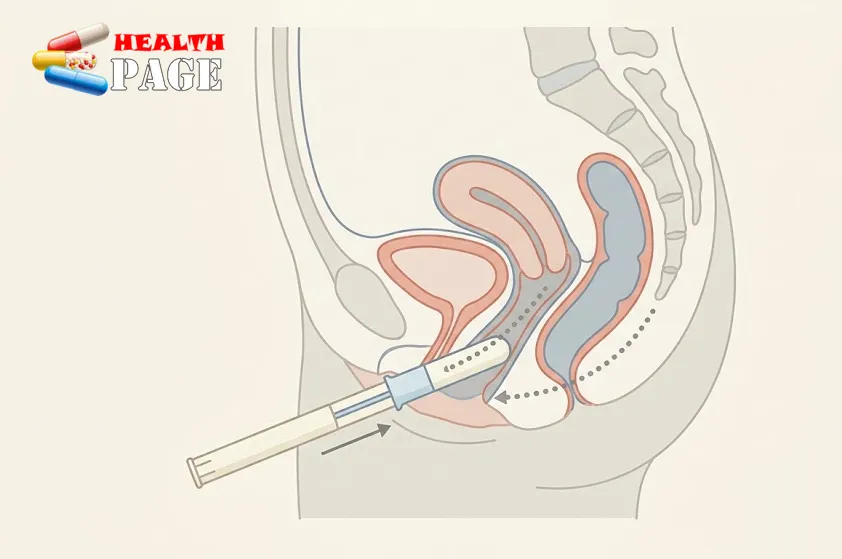
Hold the applicator at the grip and rest its rounded tip at the vaginal opening. Aim slightly towards your lower back, not straight up, because the vaginal canal slopes that way. Slide the outer tube in until your fingers meet your body. Push the inner tube to release the tampon, then withdraw both tubes together and leave the string hanging outside.
How to insert a non-applicator tampon
Unwrap it and check that the string is firmly attached. Hold the base between your thumb and middle finger, point it towards the lower back, and guide it in with your index finger as far as it feels comfortable. The string should remain outside the body.
If insertion is uncomfortable, relaxing is usually the answer. Tension in the pelvic floor is a common reason a tampon feels blocked. On light-flow days, tissue can feel drier, so waiting until your flow is heavier often helps. If dryness is frequent, this overview of vaginal dryness explains the usual causes and when treatment is worth discussing. If pain continues despite relaxing and trying a different position, stop. Pain that makes insertion impossible can have causes such as vaginismus (involuntary tightening of the pelvic muscles), and a gynaecologist or pelvic floor specialist can give guidance that suits you.
To remove a tampon, wash your hands, relax in the same position, and pull the string gently and steadily. If it feels dry and difficult to remove, it may have been too absorbent for your flow.
6. How to Use a Tampon Safely
Knowing how to use a tampon safely matters as much as getting the insertion right. The FDA’s tampon guidance sets out the core rules:
- Change tampons every 4 to 8 hours, even if your flow is light or the tampon is not full. Never wear one for more than 8 hours.
- Use the lowest absorbency that manages your flow.
- Wash your hands before and after inserting or removing one.
- Use tampons only during your period, and not for other vaginal bleeding or discharge, such as bleeding after childbirth or from an infection.
- Remove the previous tampon before inserting a new one, and never reuse a disposable tampon.
Outside your period, a tampon is the wrong product. If you notice spotting between periods and aren’t sure what it is, this comparison of light bleeding and implantation spotting may help you decide whether to seek advice.
Other everyday questions have simple answers. You can swim and exercise in a tampon, and you can pass urine with one in. You can sleep in one if you will remove it within eight hours; if you may sleep longer, a pad or period underwear is the easier choice overnight. If the string gets soiled with stool, wash your hands and replace the tampon. Tampons, wrappers and applicators belong in the bin because they can block drains.
A tampon cannot travel through the cervix into the uterus, because the cervix is narrow enough to stop it. It can, however, move high in the vagina so the string is hard to find. If that happens, wash your hands, squat or sit with one leg raised, and gently feel for the string or the tampon with a clean finger. Don’t use tweezers or other instruments. If you cannot get it out, or you suspect an old one has been left behind, see a doctor or sexual health clinic promptly. Signs of a forgotten tampon include an unusual smell or discharge.
7. Toxic Shock Syndrome (TSS): Symptoms, Risks and Prevention
Toxic shock syndrome is rare but serious. It is caused by toxins released by certain bacteria, notably Staphylococcus aureus and group A Streptococcus. The NHS describes it as a rare, life-threatening condition that is often associated with tampon use but can affect anyone, including men and children, for example through wounds or burns. Tampon-related TSS is not the usual outcome of using tampons, but you should know what to look for.
Symptoms come on suddenly and worsen quickly. They can include:
- A high fever (the NHS gives 39°C or above as a guide) with chills.
- Flu-like feelings, headache or muscle aches.
- Nausea, vomiting or diarrhoea.
- A rash resembling sunburn.
- Dizziness, fainting or confusion.
- Low blood pressure.
If you think you may have TSS, remove the tampon if you are wearing one and get emergency medical help immediately. Don’t wait to see whether symptoms settle.
Reducing risk comes down to habits you already know: change tampons within the 4 to 8 hour window, choose the lowest suitable absorbency, follow package instructions and avoid tampons when you are not menstruating. If you have had TSS before, ask a doctor whether tampons are still suitable for you.
Common Tampon Mistakes to Avoid
Most discomfort and risk comes from a short list of errors: choosing a higher absorbency than you need, inserting at the wrong angle, forcing a tampon that meets resistance, and forgetting to remove the last tampon. Others include wearing one beyond eight hours, skipping hand washing, using one when you are not menstruating, and ignoring unusual pain, fever or smelly discharge.
Frequently Asked Questions
Why does inserting a tampon hurt?
The usual causes are tension in the pelvic floor, the wrong angle or an absorbency that is too high for a light flow. Relax, change position or try a smaller size. If pain persists, stop and speak with a healthcare professional, because anatomy or muscle tightening may be involved.
Can tampons cause vaginal infections?
Disposable tampons used as directed are considered safe, and leaving one in too long raises the risk of bacterial growth. Persistent itching, burning, unusual discharge or pain deserves attention, and this guide to why the vagina can feel itchy inside lists common causes and when to seek help.
How do I know when it is time to change my tampon?
Change it within 4 to 8 hours. Signs that you need to change sooner include leaking, a heavy feeling or a string that looks stained. A tampon that remains very dry points to an absorbency that is too high.
Can I sleep with a tampon in?
Yes, if you insert a fresh one just before bed and take it out within eight hours of inserting it. If you often sleep longer, use a pad overnight.
Can I swim with a tampon?
Yes. Insert it before you enter the water and replace it afterwards, following the same time limits as usual.
Using a Tampon with Confidence
A tampon is a practical, optional way to manage your period. Choose the lowest absorbency that suits your flow, aim towards your lower back, relax, and change it within eight hours. Do not force anything that hurts, and learn the signs of TSS so you can act quickly. For more clear, medically reviewed information on periods and reproductive health, explore HealthPage’s women’s health guides.
Medical disclaimer: This article is for general education and does not replace personal medical advice. See a qualified healthcare professional if you have pain, unusual bleeding, fever or other symptoms.
References
- U.S. Food and Drug Administration. “Tampons.” Menstrual Product Options, Facts, and Safe Use. https://www.fda.gov/medical-devices/menstrual-product-options-facts-and-safe-use/tampons
- NHS. “Toxic shock syndrome.” https://www.nhs.uk/conditions/toxic-shock-syndrome/
- “Virginity and the hymen” narrative review, PubMed Central. https://pmc.ncbi.nlm.nih.gov/articles/PMC9306936

Dr. Wang Zhixin is a distinguished Chief Physician specializing in comprehensive gynecology, perinatology, and maternal healthcare systems. She serves at the acclaimed
Shenzhen Maternity and Child Healthcare Hospital, a premier Grade-III Class-A medical center associated with Southern Medical University. With decades of clinical leadership, Dr. Wang is widely recognized for her contributions to reproductive wellness, prenatal diagnostic precision, and advanced clinical research safeguarding maternal-fetal medical outcomes.
As a core specialist panelist on the HealthPage Medical Review Board,
Dr. Wang leverages her senior clinical oversight to meticulously fact-check, audit, and medically verify our reproductive medicine and maternal wellness guides. Her analytical reviews ensure that intricate obstetric protocols and feminine wellness data are rendered into safe, authoritative, and completely evidence-based reference resources for global audiences.
✉ Professional Inquiries:
[email protected]