

Does Cranberry Juice Help With Cramps? What Science Says
Medical Disclaimer
The article titled “Does Cranberry Juice Help With Cramps? What Science Says”, written by Dr. Wang Zhixin (Gynecology), is provided for informational and educational purposes only. It is not intended to be a substitute for professional medical advice, diagnosis, or treatment.
Always seek the advice of your physician or other qualified health provider with any questions you may have regarding a medical condition, severe dysmenorrhea, or other health concerns. Never disregard professional medical advice or delay in seeking it because of something you have read in this article.
Anyone who has curled around a hot water bottle on the first day of a period has probably wondered whether something in the kitchen could make it easier. Cranberry juice comes up in that conversation often, partly because it’s tart, red and widely linked with women’s health. So, does cranberry juice help with cramps? On current evidence, no. No clinical research shows that it relieves menstrual pain, regulates a cycle or brings a period on sooner. Cranberry products have been studied mainly for preventing recurrent urinary tract infections (UTIs), which is a different problem with a different cause. This article separates what cranberry can reasonably offer from what period pain actually responds to.
What Is in Cranberry Juice?
Cranberries (Vaccinium macrocarpon) are small, sharp-tasting berries eaten fresh, dried, juiced or taken as supplements. The whole fruit contains vitamin C, vitamin E, vitamin K1, dietary fibre and a range of plant compounds, including polyphenols and proanthocyanidins (PACs). PACs are the compounds researchers care most about.
Whole berries and bottled juice are not the same food, though. Juicing removes much of the fibre, and many commercial cranberry drinks are sweetened to offset the tartness. A glass of juice cocktail can carry a fair amount of added sugar, so the nutrient profile of the raw fruit tells you little about what is in the bottle. The label is the quickest way to find out.
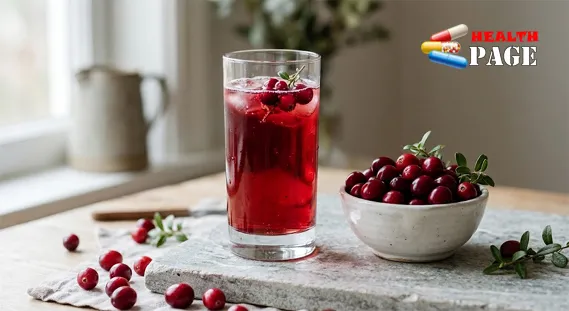
Why Cranberry Is Linked With Urinary Health
PACs may make it harder for certain bacteria, particularly E. coli, to stick to the lining of the urinary tract. This is the mechanism behind most cranberry research. A Cochrane systematic review of cranberries for preventing urinary tract infections pooled 50 studies with 8,857 participants. It concluded that cranberry products probably reduce the risk of symptomatic UTIs in women with recurrent infections. Some other groups, such as certain children and people after bladder procedures, may also benefit, while the evidence for groups like pregnant women and older adults in care homes is less clear.
That finding concerns preventing a bacterial infection. It says nothing about the womb, and cranberry is not a treatment for a UTI that has already started.
Does Cranberry Juice Help With Cramps?
The honest answer is that there is no good evidence it does. Cranberries contain vitamins and antioxidant compounds, but having a nutrient in a fruit does not show that drinking the juice delivers enough of it to change how the uterus behaves. Three separate health goals tend to get blended together here:
- General nutritional health, which a balanced diet supports.
- Urinary tract health, where cranberry has some evidence in specific groups.
- Menstrual pain relief, where cranberry has no established role.
Cranberry juice also counts toward your daily fluid intake, and plenty of people simply enjoy it. That is a fine reason to drink it. It is not the same as the juice acting as a painkiller.
Cranberry Juice for Period Cramps: What the Research Does Not Show
Searching for cranberry juice for period cramps turns up plenty of confident claims and very little research behind them. No trial has tested cranberry juice against period pain and found a benefit.
Does Cranberry Juice Help With Period Pain in Other Ways?
Some people feel better after changing their routine during a period, perhaps drinking more fluids, eating regular meals or resting more. Those changes can improve general comfort, but the improvement should not automatically be credited to the cranberry juice that happened to be part of the routine. There is also no reliable evidence that cranberry juice can:
- Lower prostaglandin production in the uterus.
- Stop uterine contractions.
- Treat endometriosis or adenomyosis.
- Prevent painful periods.
- Regulate menstrual hormones.
What Actually Causes Menstrual Cramps?
Painful periods have a medical name, dysmenorrhea, and it comes in two forms.
Primary dysmenorrhea is the common kind, with no underlying reproductive condition behind it. During a period the womb contracts more strongly to shed its lining, and hormone-like chemicals called prostaglandins drive those contractions. Higher prostaglandin levels are associated with more intense cramps, and the contractions can briefly reduce blood flow to the uterine muscle, which adds to the pain. The ache often sits in the lower abdomen and can spread to the back and thighs. Nausea, loose stools, headaches and dizziness sometimes come with it. Pain typically starts around the beginning of bleeding and eases within a few days. According to the NHS, it tends to improve with age and often after having children.
Secondary dysmenorrhea is pain caused by an underlying condition such as endometriosis, adenomyosis, fibroids or pelvic inflammatory disease. It may get worse over time, last longer or show up outside the period itself. Fibroids, for example, are common, and the treatment options for uterine fibroids, including surgery are worth reading about if you have been diagnosed with them.
It also helps to know that a UTI can cause lower abdominal discomfort that people sometimes mistake for cramps. UTI pain usually comes with burning when passing urine, a frequent urge to go or cloudy urine, which period pain does not cause. That overlap is partly why cranberry gets tied to period symptoms in the first place.
Can Cranberry Nutrients Reduce Menstrual Cramps?
Several nutrients in cranberries get mentioned online as period remedies. Here is what each one does and what is known about cramps:
| Compound | What it does | Evidence for period cramps |
|---|---|---|
| Vitamin C | Supports immune function and collagen production | No established benefit from cranberry juice |
| Vitamin K1 | Supports normal blood clotting | Does not regulate menstrual cycles |
| Potassium | Supports muscle and nerve function | Cranberry juice is not an established cramp treatment |
| Proanthocyanidins | Studied for bacterial adhesion | No established menstrual pain benefit |
| Quercetin | A plant flavonoid studied for various effects | No proven reduction in menstrual prostaglandins from cranberry |
Some popular articles claim that vitamin K regulates menstruation, that vitamin C can induce a period, that cranberry juice treats irregular cycles, or that its potassium prevents cramps. None of these is established medical fact. Cycle timing is governed by hormones, and if your periods are irregular, understanding low progesterone symptoms and other hormonal causes is far more useful than adding a juice to your day.
The potassium claim is a muscle-cramp idea stretched too far. Muscle cramps elsewhere in the body, such as a calf cramp at night, have their own common causes of muscle cramps, and those are different from uterine contractions.
Drinks That Help With Menstrual Cramps
No drink has been proven to stop menstrual cramps. Some can support hydration and comfort while you use treatments that do work.
Water. Staying hydrated supports normal body function and may ease discomfort related to dehydration, though water does not act on uterine contractions directly.
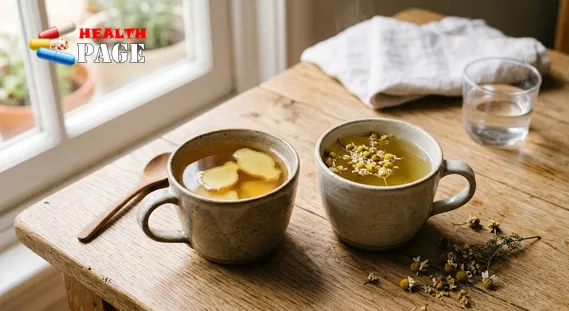
Ginger tea. Ginger is traditionally used for digestive upset and has been studied for menstrual pain. Some research suggests a possible benefit, but the studies are small and varied, so it is better treated as an optional extra than a guaranteed remedy.
Chamomile tea. A caffeine-free herbal drink that some research has looked at for menstrual discomfort. The evidence is limited, though many people find it soothing.
Warm drinks in general. A hot drink can be comforting when you feel unwell. That comfort should not be confused with the pain-easing effect of applying heat directly to the abdomen.
Cranberry juice. Unsweetened cranberry juice is a reasonable choice if you like the taste, as long as you don’t expect it to treat pain.
Large quantities of sugary fruit drinks are a poor everyday choice for anyone, since they add sugar without the fibre of whole fruit. More ideas on balanced eating are in HealthPage’s healthy food guides.
Natural Remedies for Period Cramps
The approaches with the best support are fairly ordinary, and the NHS guidance on period pain covers most of them.
Heat. A heat pad or hot water bottle wrapped in a tea towel and placed on the tummy may help reduce pain. A warm bath or shower can do something similar and help you relax. This is one of the most practical home remedies for period pain.
Gentle movement. Walking, swimming, cycling and gentle yoga may help some people, and keeping active through the month can improve general wellbeing.
TENS. A small battery-powered device that delivers a mild electrical current to the tummy is another option the NHS lists.
Sleep and relaxation. Pain is harder to cope with when you are exhausted. A steady sleep routine, breathing exercises and gentle stretching can help with stress and coping, even if they don’t change the underlying physiology.
Lifestyle factors. The NHS notes that smoking is thought to increase the risk of period pain, and that cutting down on alcohol may help.
Balanced eating. A varied diet with fruit, vegetables, whole grains, protein and healthy fats supports overall health, though no single food cures period pain. A true shortage of a mineral such as magnesium can cause its own symptoms, and the early signs of magnesium deficiency are worth knowing.
Pain relief medicine. Even in an article about natural approaches, this deserves space. Anti-inflammatory painkillers such as ibuprofen work by reducing prostaglandin production, which is why the NHS says ibuprofen and aspirin work best for period pain. Paracetamol can also be tried, though it tends to be less effective. These medicines are not suitable for everyone. The NHS advises against ibuprofen or aspirin for people with asthma or stomach, kidney or liver problems, and aspirin should not be given to anyone under 16. Follow the product instructions and ask a pharmacist or doctor if you are unsure.
Is Cranberry Juice Good for You?
Is cranberry juice good for you? Yes, as part of a balanced diet, though how good depends on the product. Its main potential benefits are:
- Plant compounds. Cranberries contain polyphenols and other compounds under investigation for health effects.
- Urinary tract support. Cranberry products may reduce the risk of repeat UTIs in some groups, particularly women with a history of recurrent infections. The NCCIH overview of cranberry safety and evidence describes the juice-specific evidence as limited and inconsistent, and stresses that cranberry should not replace treatment for an infection.
- Vitamin C and fluids. Juice adds some vitamin C and contributes to daily fluid intake.
The downsides are worth weighing too. Sweetened versions can contain a lot of sugar. The juice is acidic and may upset some stomachs, and very large amounts can cause digestive problems. Evidence on whether cranberry interacts with the blood thinner warfarin is conflicting, so anyone taking warfarin or other regular medication should talk to a pharmacist or doctor before using cranberry supplements or concentrated products. If you like experimenting with fruit juices, In dian gooseberry juice is another one with its own benefits and side effects to consider.
When Should You See a Doctor About Menstrual Cramps?
Painful periods are common, but severe or worsening pain should not be written off as normal. Seek medical advice if:
- Pain gets progressively worse or changes in pattern.
- Cramps get in the way of work, school or daily life.
- Periods become heavier or irregular.
- You bleed between periods.
- You have pain during sex, or when urinating or passing stools.
- Ordinary painkillers don’t help.
Sudden, severe or unusual pelvic pain needs urgent assessment, especially with fainting, fever, vomiting, heavy bleeding or a chance of pregnancy. A doctor may take a medical history, carry out a pelvic examination or arrange an ultrasound scan to look for underlying causes. If pain is not controlled after about three months of treatment, a GP may refer you to a gynaecologist.
Frequently Asked Questions
Does cranberry juice make your period come faster?
No reliable evidence says it does. Menstrual timing depends on hormonal signalling between the brain and ovaries, and vitamin C-rich foods or drinks don’t override that.
Can cranberry juice help with PMS symptoms?
There is not enough evidence that it treats premenstrual syndrome. PMS can involve bloating, mood changes and breast tenderness, and what helps depends on which symptoms you have.
Could my cramps be a UTI instead?
Possibly. A UTI usually brings burning when you pee, a frequent urge to go, or cloudy or strong-smelling urine. If you notice these, speak to a healthcare professional rather than relying on cranberry juice.
Are cranberry supplements better for period pain than juice?
No. Tablets, capsules and concentrated extracts have not been shown to relieve menstrual pain either, and they should not replace proper treatment.
Is unsweetened cranberry juice better than the sweetened kind?
It avoids the added sugar found in many bottled drinks, so it is usually the better everyday choice. Neither type has been proven to ease cramps.
The Takeaway on Cranberry Juice and Period Pain
Does cranberry juice help with cramps? The evidence says it doesn’t, but it can still be a pleasant drink and a source of fluid and some nutrients. Its real research base is in urinary tract health, which is why it shouldn’t be confused with menstrual pain relief. For cramps, heat, movement, rest and, where suitable, anti-inflammatory painkillers have far better support. If your pain is severe, getting worse or unlike your usual periods, book an appointment rather than trying one remedy after another.
Medical disclaimer: This article is for general information and does not replace advice from a qualified healthcare professional.
References
- Williams G, et al. “Cranberries for preventing urinary tract infections.” Cochrane Database of Systematic Reviews, 2023. PubMed record
- NHS. “Period pain.” nhs.uk/conditions/period-pain
- National Center for Complementary and Integrative Health (NCCIH). “Cranberry.” nccih.nih.gov/health/cranberry

Dr. Wang Zhixin is a distinguished Chief Physician specializing in comprehensive gynecology, perinatology, and maternal healthcare systems. She serves at the acclaimed
Shenzhen Maternity and Child Healthcare Hospital, a premier Grade-III Class-A medical center associated with Southern Medical University. With decades of clinical leadership, Dr. Wang is widely recognized for her contributions to reproductive wellness, prenatal diagnostic precision, and advanced clinical research safeguarding maternal-fetal medical outcomes.
As a core specialist panelist on the HealthPage Medical Review Board,
Dr. Wang leverages her senior clinical oversight to meticulously fact-check, audit, and medically verify our reproductive medicine and maternal wellness guides. Her analytical reviews ensure that intricate obstetric protocols and feminine wellness data are rendered into safe, authoritative, and completely evidence-based reference resources for global audiences.
✉ Professional Inquiries:
[email protected]