
Irregular Period Exercises: 7 Workouts, Benefits & Safety Tips
A cycle that arrives early one month and late the next is unsettling, and it is natural to wonder whether movement might help. Irregular period exercises are not a cure, but regular, moderate physical activity supports several things a healthy cycle depends on, including steady energy, healthy metabolism, lower stress and better sleep. This guide covers seven types of exercise worth considering, the yoga poses most often suggested for menstrual comfort, what the evidence does and does not show, and the point at which too much training starts to work against you.
First, a definition. The average gap between the start of one period and the next is about 28 days, and the NHS describes periods as irregular when that gap is shorter than 21 days or longer than 35. Irregular periods are not usually a sign of a problem, and they are common in the first years after periods begin and in the years approaching menopause. Pregnancy, thyroid conditions and polycystic ovary syndrome (PCOS, now being renamed PMOS) can also play a part, which is why the NHS guidance on irregular periods is worth reading alongside this article. eani
Can Exercise Help With Irregular Periods?
Sometimes, indirectly. Exercise does not act as a switch for the menstrual cycle, but it influences the systems that feed into it.
Regular activity improves how the body handles blood sugar, which matters because insulin resistance is common in PCOS. It lowers perceived stress, which can disturb the signals between the brain and the ovaries. It supports a healthy body weight, and both significant weight gain and significant weight loss can change cycle patterns. And for some women it eases premenstrual symptoms and cramps, which makes a cycle easier to live with even when its timing stays unpredictable.
The limit is important. If an underlying condition such as a thyroid disorder or PCOS is driving the irregularity, exercise can be a useful part of management but will not usually resolve it alone. Think of movement as one supportive habit rather than a treatment.
7 Exercises for Irregular Periods
None of the following has been proven to regulate periods on its own. They are practical, widely recommended forms of activity that suit different fitness levels and preferences. The best choice is usually the one you will keep doing.
1. Brisk Walking
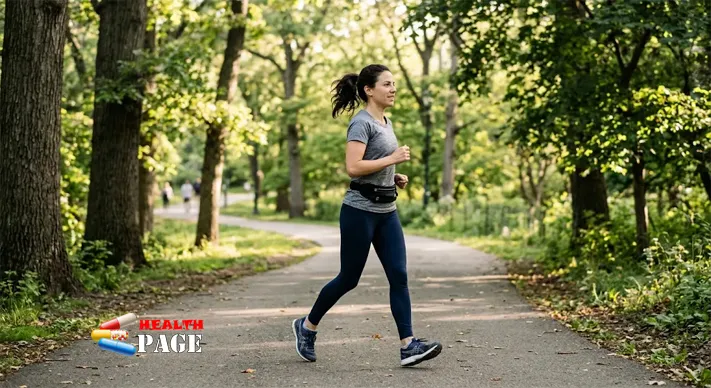
Walking is the easiest place to start, particularly if you have been inactive. It supports cardiovascular and metabolic health, costs nothing and fits into a commute or lunch break. A pace that leaves you able to talk but not sing is a reasonable target. Begin with 15 to 20 minutes and add time gradually. The limit: walking is gentle, so women who want more muscle-building or higher intensity may eventually add other activities.
2. Yoga
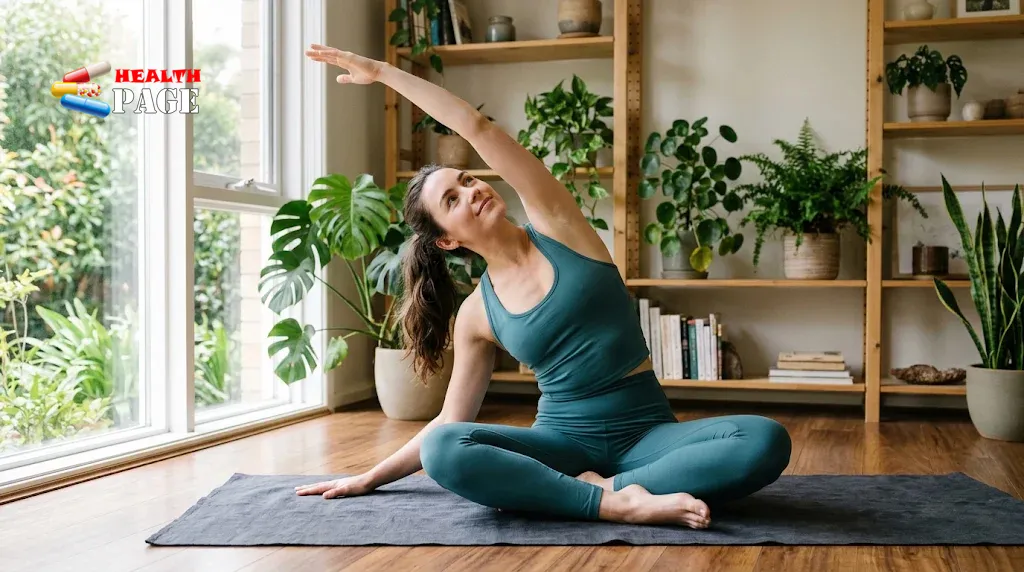
Yoga combines movement, stretching and slow breathing, which is why it is popular for stress and menstrual discomfort. Gentle styles such as hatha or restorative yoga suit beginners, and poses can be modified to your flexibility. Its benefit lies mainly in relaxation and comfort, not in any proven effect on reproductive hormones. A dedicated section on poses follows below.
3. Swimming
Swimming is low-impact aerobic exercise that works the arms, legs and core together. The water supports your weight, so it is kind to joints and a good option when you feel sluggish or crampy. You can vary intensity easily, from relaxed laps to interval-style sets. Choose a pace you can sustain for 20 to 30 minutes.
4. Cycling
Cycling, outdoors or on a stationary bike, builds cardiovascular fitness and leg strength. Start with light resistance and short sessions, and raise either only when the previous level feels comfortable. A stationary bike is useful for days when the weather or your energy level makes going out difficult.
5. Low-Impact Aerobic Exercise
Beginner aerobics, gentle dance workouts and no-jumping home cardio count here. These sessions raise your heart rate without the jarring impact of running or jumping, and they are easy to follow with an online video. They also help build consistency, which matters more than intensity in the first few months.
6. Strength Training
Resistance work, from bodyweight squats and wall push-ups to light dumbbells, builds muscle, and muscle helps the body use glucose efficiently. Two sessions a week is a sensible starting point, with a rest day between them. The caution is in the details: very heavy training combined with poor recovery or too little food can backfire, a point covered in the section on overtraining below.
7. Gentle Stretching and Relaxation Exercises
Slow stretching, mobility work and breathing exercises improve flexibility and relieve muscular tension, and they pair well with an evening wind-down. Some women also include gentle pelvic floor warm-up exercises as part of a lower-intensity routine. Because this category is so mild, it works best alongside one or two of the more active options above.
Yoga for Irregular Periods: Poses That May Support Menstrual Comfort
Yoga for irregular periods is best understood as a stress and comfort tool. There is not enough evidence to say that any pose restores cycle regularity or corrects a hormonal imbalance. What yoga can do is calm the nervous system, ease tight hips and lower back, and give you a reliable relaxation routine. Hold each pose for several slow breaths and stop if anything pinches or hurts.
- Child’s Pose (Balasana): a restful forward fold that gently stretches the back and hips.
- Cat-Cow (Marjaryasana-Bitilasana): a flowing spinal movement that loosens the lower back and coordinates breath with motion.
- Butterfly Pose (Baddha Konasana): soles of the feet together, knees falling out, to open the inner thighs and hips.
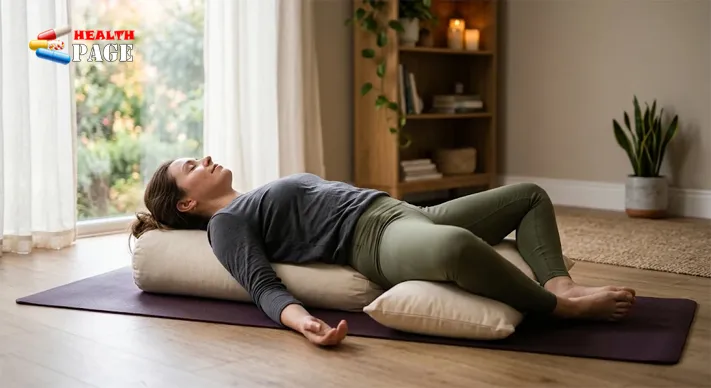
- Supine Bound Angle Pose (Supta Baddha Konasana): the same leg position lying down, usually with cushions under the knees, which many people find deeply relaxing.
- Gentle seated forward bend: a slow stretch along the back of the legs. Keep the knees soft and never force the fold.
Can Exercise Help Regulate Periods and Support Hormonal Balance?
Plenty of articles promise an exercise to regulate periods, and it is worth being clear about what is actually known. The 2023 international guideline for PCOS recommends healthy lifestyle habits for all women with the condition, but, as a Nordic summary of the guideline points out, it does not single out a specific diet or type of exercise. So there is no established list of the best exercises for hormonal balance. What the evidence supports is regular, enjoyable activity of moderate intensity, adjusted to the individual.
The mechanisms are mostly indirect. Better insulin sensitivity matters because high insulin can push the ovaries to produce more androgens in some women with PCOS. Lower stress reduces the load on the hormonal pathways that coordinate ovulation. And eating enough to fuel your activity keeps the brain from reading your body as under-resourced, which brings us to the next point.
Hormonal changes also have causes exercise cannot address. If you notice other signs, such as the pattern described in this guide to low progesterone symptoms, or you have a diagnosed thyroid condition or PCOS, medical assessment and treatment come first, with exercise as support.
Can Too Much Exercise Make Periods Irregular?
Yes, and this is the part many “exercise fixes your cycle” articles skip. The US Office on Women’s Health notes that exercising too much can cause missed periods or stop them entirely.
The underlying issue is usually energy. When the calories you eat do not cover both your training and the basic work your body does to stay alive, you are in what clinicians call low energy availability. The brain responds by turning down the hormonal signals that drive ovulation, which can lead to infrequent or absent periods, a condition known as functional hypothalamic amenorrhea. Rapid weight loss and heavy training schedules combined with restrictive eating are the classic setup, although it can happen without any intent to lose weight.
Because low energy also affects estrogen, some women notice the symptoms covered in this article on low estrogen symptoms, such as fatigue, mood changes and vaginal dryness. If your periods have become sparse as your training has ramped up, the usual response is to eat more, rest more and speak to a doctor, not to train harder.
Is It Safe to Exercise During Your Period?
For most women, yes. The Office on Women’s Health says working out during your period is fine, and that regular activity such as walking may help you feel better during it. There is no universal rule about skipping particular exercises in the first few days or waiting until a certain day to resume. Comfort and energy are better guides than the calendar.
Reasonable options on heavier or more uncomfortable days include walking, gentle yoga, easy swimming, light cycling and stretching. Many women find that lowering intensity for a day or two works well, then returning to a normal routine as energy returns. If cramps are severe enough to stop you from functioning, or they are getting worse over time, that deserves a conversation with a doctor.
Exercise Safety Tips for Women With Irregular Periods
- Start gradually if you are new to exercise, and increase time or intensity in small steps rather than jumps.
- Eat enough to support your activity, and do not exercise in a way that depends on restricting food.
- Drink water before, during and after sessions.
- Build in rest days. Recovery is when training adaptations happen.
- Modify workouts on painful or very tiring days instead of pushing through.
- Stop if you feel dizzy, faint, unusually breathless, or have sharp or unusual pain, and seek medical advice if it recurs.
Tracking your periods in an app or diary alongside your training can also show whether changes in your cycle follow changes in your routine, which is useful information to bring to an appointment.
When Should You See a Doctor About Irregular Periods?
Irregular cycles are often harmless, but some patterns need checking. The NHS advises seeing a GP if your periods last longer than 7 days, you have bleeding between periods, or your periods are irregular alongside symptoms such as weight gain, tiredness or hair growth on the face. It also suggests seeing a GP if you are struggling to get pregnant.
Other reasons to book an appointment include:
- Periods that were regular and suddenly became irregular
- Missing several periods in a row (three months or more is a commonly used threshold) when you are not pregnant
- Very heavy bleeding or severe pelvic pain
- Spotting, or bleeding such as getting your period twice in one month, that is new or unexplained
A doctor can check for pregnancy, thyroid problems and PCOS, among other causes, and treatment depends on what is found.
Frequently Asked Questions
Which exercise is best for irregular periods?
No single exercise has been proven best. Moderate activities you enjoy and can repeat weekly, such as walking, swimming, cycling or yoga, are reasonable choices.
Can walking help regulate periods?
Walking supports metabolic health and stress management, which are helpful background factors. It cannot be promised to regulate a cycle, especially if a medical condition is involved.
Is yoga good for irregular periods?
Yoga can help with relaxation and menstrual discomfort. There is not enough evidence to say it corrects hormonal imbalance.
Can exercise balance female hormones?
Exercise influences factors such as insulin sensitivity and stress, but it does not directly fix hormonal conditions. Medical treatment may still be needed.
Can excessive exercise delay menstruation?
Yes. Heavy training, especially with insufficient food intake or rapid weight loss, can delay or stop periods.
Should women exercise during their periods?
Most can, adjusting intensity to how they feel. Light to moderate activity is generally comfortable for many women.
Final Thoughts
The most dependable approach to irregular period exercises is a balanced one: regular moderate activity, enough food and sleep, and attention to how your cycle responds. Choose two or three of the seven options above, build them up slowly, and track your periods for a few months. If the pattern does not settle, or if any of the warning signs above apply, a medical evaluation is the next practical step, and it is far more likely to find an answer than another workout.
References
- NHS. Irregular periods. NHS, nhs.uk.
- Office on Women’s Health, U.S. Department of Health and Human Services. Physical activity and your menstrual cycle. womenshealth.gov.
- Forslund M, Melin J, Stener-Victorin E, et al. International evidence-based guideline on assessment and management of PCOS: A Nordic perspective. Acta Obstetricia et Gynecologica Scandinavica. 2024;103(1):7-12. doi:10.1111/aogs.14725. PubMed.

Dr. Wang Zhixin is a distinguished Chief Physician specializing in comprehensive gynecology, perinatology, and maternal healthcare systems. She serves at the acclaimed
Shenzhen Maternity and Child Healthcare Hospital, a premier Grade-III Class-A medical center associated with Southern Medical University. With decades of clinical leadership, Dr. Wang is widely recognized for her contributions to reproductive wellness, prenatal diagnostic precision, and advanced clinical research safeguarding maternal-fetal medical outcomes.
As a core specialist panelist on the HealthPage Medical Review Board,
Dr. Wang leverages her senior clinical oversight to meticulously fact-check, audit, and medically verify our reproductive medicine and maternal wellness guides. Her analytical reviews ensure that intricate obstetric protocols and feminine wellness data are rendered into safe, authoritative, and completely evidence-based reference resources for global audiences.
✉ Professional Inquiries:
[email protected]