

What Causes Numbness in One Leg? 7 Possible Reasons
This article, “What Causes Numbness in One Leg? 7 Possible Reasons,” was written by Dr. Sana Lodhi (General Medicine) and is intended for informational and educational purposes only. It is not a substitute for professional medical advice, diagnosis, or treatment. Always consult a qualified healthcare provider regarding any medical condition or symptoms you may be experiencing.
Most people have felt a leg go numb after sitting cross-legged for too long, and it usually clears within a minute or two. When the feeling keeps coming back, spreads, or appears for no obvious reason, the question changes. People start asking what causes numbness in one leg and whether it needs attention. The answer depends on which nerve or structure is involved. It may be a nerve squeezed in the lower back, a trapped nerve near the knee or ankle, nerve damage from another condition, reduced blood flow, or, less often, a problem in the brain or spinal cord. This article covers seven possible reasons, how doctors tell them apart, and the warning signs that need urgent help.
What Numbness in One Leg Actually Feels Like
Numbness happens when the nerves that carry sensation between your leg and your brain are compressed, irritated or damaged. People describe it in different ways: a leg that has “fallen asleep”, pins and needles, a burning or crawling feeling, reduced sensitivity to touch, or a foot that feels wrapped in a thick sock. Some notice they can’t judge temperature or pressure properly.
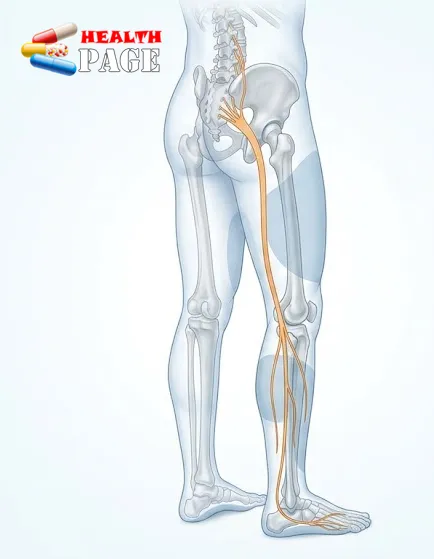
The pattern matters as much as the sensation. Numbness running from the buttock down the back of the leg points toward a nerve root in the lower spine. Numbness only on the sole of the foot suggests a nerve nearer the ankle. A patch on the outer thigh suggests yet another nerve. Doctors use these maps as clues, though they are not diagnostic rules.
One common assumption is worth correcting early. Numbness does not automatically mean poor circulation. Nerve problems are among the most frequent causes of one leg numbness and tingling, and circulation is only one of several possibilities.
7 Possible Reasons for Numbness in One Leg
1. Temporary Nerve Compression From Posture
The simplest explanation is sustained pressure on a nerve. Sitting cross-legged, squatting for a long time, perching on a hard edge, sleeping with your weight on one leg, or holding an awkward driving position can all temporarily disrupt nerve signalling.
The result is a sudden wave of pins and needles when you move, or a patch of numbness in the leg or foot that fades as you shift position. NHS Wales notes that pins and needles are usually temporary and ease once pressure is removed, and recommends seeing a GP if the sensation keeps returning or lasts a long time.
Occasional episodes with a clear trigger are rarely worrying. Numbness that arrives without an obvious cause, recurs often, or takes longer to clear each time deserves a proper assessment.
2. Sciatica and Lumbar Radiculopathy
Sciatica is one of the best-known causes of numbness in one leg. The sciatic nerve is formed from nerve roots in the lower spine and runs through the buttock and down the back of the leg to the foot. When a root is irritated or compressed, which doctors call lumbar radiculopathy, symptoms follow the nerve’s path: burning or shooting pain, tingling, numbness and sometimes weakness. A closer look at sciatica and its typical symptoms shows how varied the picture can be.
Sciatica nearly always affects one side. The NHS describes sciatica symptoms as usually affecting the buttock and the back of one leg, often reaching the foot and toes, and notes that any back pain is usually milder than the leg pain. Leg symptoms can dominate while the back feels almost normal, which is why some people don’t connect the two.
3. Herniated Disc or Spinal Stenosis
Two specific spinal problems often sit behind sciatica. The discs between your vertebrae act as cushions, and when part of a disc bulges or herniates it can press on a nearby nerve root, sending numbness, tingling or shooting pain into the leg. Disc wear over time is a common background factor, and the gradual process is explained in this guide to degeneration of the lumbar discs.
Lumbar spinal stenosis is a narrowing of the canal that holds the spinal nerves. It tends to produce leg numbness, heaviness or cramping while standing or walking, which eases when you sit or lean forward. A person with a herniated disc may feel worse sitting, while someone with stenosis often feels better. That difference is one thing doctors listen for.
Not every scan finding explains symptoms. Disc bulges show up on imaging in people with no pain at all, so clinicians match the images to the examination rather than treating the scan alone.
4. Peripheral Neuropathy
Peripheral neuropathy means damage to the nerves outside the brain and spinal cord. Diabetes is the best-known cause, because persistently high blood glucose can injure nerves over time. Other contributors include vitamin B12 deficiency, heavy alcohol use, thyroid or kidney disease, some chemotherapy drugs, and, surprisingly, too much vitamin B6 from supplements.
Typical symptoms are tingling or burning in the feet, reduced feeling, trouble sensing hot and cold, balance problems, and not noticing cuts or blisters. This nerve-related discomfort is often grouped under neuropathic pain.
One distinction is important. Diabetic neuropathy usually begins in both feet, often in the toes, in a fairly symmetrical pattern. If only one leg is affected, neuropathy is less likely to be the whole explanation, and doctors will look for other causes alongside it.
5. A Trapped Nerve in the Leg, Knee, Ankle or Foot
Not every nerve problem starts in the back. Nerves can be compressed anywhere along their length, and some of these entrapments cause very specific patterns:
- Common peroneal nerve compression occurs near the outside of the knee. It can cause numbness over the outer lower leg and the top of the foot, and sometimes weakness when lifting the front of the foot, known as foot drop. Crossing the legs habitually, a knee injury or a tight cast can contribute.
- Tarsal tunnel syndrome involves the tibial nerve as it passes through a narrow space behind the inner ankle. It may cause tingling or burning in the sole and toes, often worse after long periods of standing or walking.
- Meralgia paraesthetica affects the nerve supplying the outer thigh. It produces numbness, tingling or burning on that patch of skin and is sometimes linked to tight belts or clothing, weight gain or pregnancy.
The useful point is that numbness confined to the sole, the outer thigh or the top of the foot does not automatically mean a spinal problem.
6. Reduced Blood Flow From Peripheral Artery Disease
Circulation problems are less common than nerve causes but should not be overlooked. Peripheral artery disease (PAD) occurs when arteries supplying the legs narrow and limit blood flow. It may cause cramping or discomfort in the calf or thigh when walking that settles with rest, a colder foot or lower leg, changes in skin colour, wounds on the feet that heal slowly, and sometimes numbness or weakness. PAD can affect one leg more than the other.
Ordinary pins and needles after sitting are a different matter and are not a sign of blocked arteries. The serious scenario is a leg that suddenly becomes severely painful, cold, pale or numb. This can signal acute limb ischaemia, where blood supply is abruptly cut off, and needs emergency assessment.
7. Stroke, Spinal Cord Conditions and Other Neurological Causes
Sometimes one-sided numbness begins in the brain or spinal cord. A stroke or transient ischaemic attack (TIA, a “mini-stroke”) can cause sudden numbness or weakness on one side of the body, which may include the leg. It usually comes with other signs: a drooping face, weak arm, slurred or confused speech, sudden vision changes, loss of balance, or a severe headache. A TIA’s symptoms may disappear within minutes, but it still needs urgent medical assessment because it can precede a full stroke.
Conditions affecting the spinal cord, including compression of the cord and some inflammatory diseases such as multiple sclerosis, can also cause numbness, weakness and walking difficulties. These causes are less common than the earlier six, but the sudden onset or the company the numbness keeps is what raises suspicion.
Numbness in the Left Leg or Right Leg: Does the Side Matter?
People often ask whether numbness in the left leg or right leg is more worrying. In general, the side alone says very little. Either leg can be affected by sciatica, a disc problem, a local nerve entrapment, a circulation issue or a neurological condition. What counts is how it started, where it is, how long it lasts and what else is happening.
| Pattern | What it may suggest |
|---|---|
| Numbness from the buttock down the back of the leg | Irritation of a lower spinal nerve root on that side |
| Numbness on the outer lower leg and top of the foot | Possible peroneal nerve involvement |
| Numbness limited to the sole of the foot | Possible tibial nerve compression at the ankle |
| Numbness on the outer thigh only | Possible meralgia paraesthetica |
| Sudden numbness on one side of the body | Possible stroke or TIA, treat as an emergency |
These are clinical clues, not a way to diagnose yourself. Sudden numbness with facial, arm, speech or vision changes should be treated as a possible stroke whichever leg is affected.
When to Worry About Leg Numbness
Most episodes are harmless, but some patterns need prompt action, and no fixed waiting period applies. The symptoms around the numbness matter more than a stopwatch.
Call 999 or go to A&E if:
- Numbness or weakness starts suddenly on one side of the body, especially with a drooping face, arm weakness or speech difficulty.
- Numbness comes with sudden vision problems, confusion or loss of balance.
- A leg suddenly becomes severely painful, cold, pale or numb.
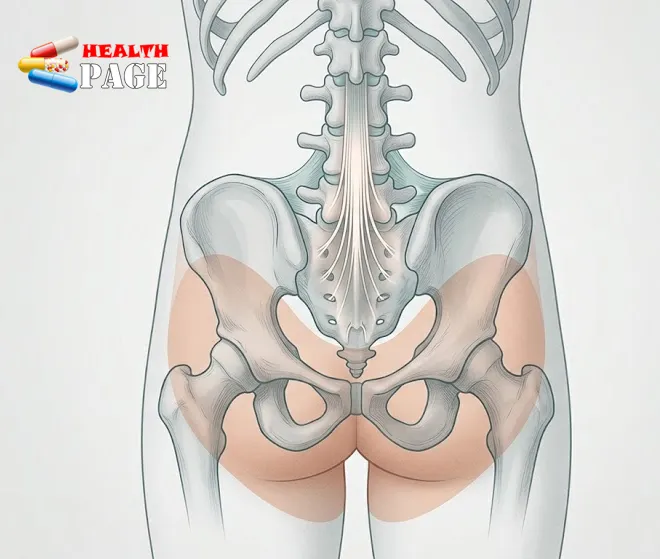
- You have numbness around the genitals, anus or buttocks, particularly with new difficulty urinating, loss of bladder or bowel control, or not feeling when you need to pass urine or stool.
- Weakness in one or both legs develops quickly or worsens rapidly.
The bladder, bowel and groin symptoms may indicate cauda equina syndrome, in which nerves at the lower end of the spinal canal are compressed. NHS trust guidance on cauda equina syndrome warning signs describes loss of feeling or pins and needles around the genitals, numbness around the back passage or buttocks, and altered feeling when wiping. Reduced sensation in the area that would touch a saddle is known as saddle anaesthesia, and it is one reason this symptom should never be dismissed. Don’t wait for it to become severe.
Make an appointment with a GP if:
- Numbness keeps returning or has no obvious explanation.
- The numb area is slowly spreading.
- Tingling or burning is becoming more frequent.
- Walking, balance or grip is affected, or you notice reduced sensation in your foot.
- You have diabetes and develop new numbness or foot problems.
How Doctors Find the Cause
Because the causes of numbness in one leg range from posture to stroke, diagnosis starts with a conversation. A clinician will ask when it began, whether it came on suddenly or gradually, which part of the leg is affected, what makes it better or worse, and whether you have back pain, weakness, diabetes or a history of spinal problems.
A physical and neurological examination follows. This usually checks muscle strength, sensation in different parts of the leg, knee and ankle reflexes, walking and balance, and the colour, temperature and pulses of the foot.
Further tests depend on what that examination suggests. Blood tests may check glucose or HbA1c, vitamin B12, thyroid and kidney function. An MRI of the lumbar spine may be used when nerve compression is suspected, and nerve conduction studies or electromyography (EMG) can measure how well nerves and muscles are working. If circulation is the concern, a vascular ultrasound or an ankle-brachial pressure index (a comparison of blood pressure at the ankle and arm) may be arranged. Many people need none of these, and tests are chosen to match the findings.
Treatment Depends on the Cause
No single medicine, massage or exercise treats every type of leg numbness. For positional numbness, removing the pressure is enough. For sciatica, the NHS advice is to carry on with normal activities as far as possible rather than resting for long periods. Physiotherapy, targeted exercises and posture adjustments are common first steps for nerve-related spinal problems.
Medication depends on the diagnosis: glucose control in diabetes, replacement for a confirmed B12 deficiency, or specific treatments for nerve pain. High-dose vitamin supplements without a clear reason are best avoided, since too much B6 can itself damage nerves. If a nerve is severely compressed or symptoms persist despite sensible conservative care, specialists may consider injections or surgery. Surgery is selective, not automatic. Whether it makes sense depends on the diagnosis, severity, progression and response to other treatment.
Some habits tend to backfire. Assuming every case is a circulation problem or sciatica can delay the real diagnosis. Forceful massage or manipulation when the cause is unknown, especially after an injury or alongside neurological warning signs, can do more harm than good. And waiting for sudden one-sided numbness to “pass” is risky even when it does fade.
Everyday Habits That May Protect Your Nerves
Not every cause can be prevented, but some habits reduce avoidable nerve pressure and support general nerve health:
- Change position regularly during long sitting spells, journeys and desk work.
- Avoid always crossing the same leg or resting weight on one side.
- Stay as physically active as your health allows.
- If you have diabetes, keep glucose well controlled and check the soles of your feet and between your toes regularly for cuts, blisters or colour changes.
- Eat a balanced diet that supplies enough vitamin B12, and keep alcohol moderate.
- Follow medical advice about medicines that can affect nerves.
None of these guarantees protection, but they address the most controllable contributors.
Frequently Asked Questions
Is numbness in one leg a sign of stroke?
It can be, but usually only when it comes on suddenly and appears with other signs such as facial drooping, arm weakness, trouble speaking or vision changes. Numbness that develops gradually over weeks, or that follows a position you held for a while, is less likely to be stroke-related. If you are unsure and the numbness is sudden, treat it as an emergency.
Can sitting too long make one leg go numb?
Yes. Prolonged sitting, crossed legs or an awkward position can compress nerves and cause numbness that improves once you move. If it happens often with little sitting, or lingers, mention it to a doctor.
Can sciatica cause numbness without back pain?
It can. Leg symptoms such as tingling, numbness or pain may be more noticeable than any back discomfort.
Can diabetes cause numbness in just one leg?
Diabetes-related nerve damage typically affects both feet in a similar pattern. Numbness in only one leg is still worth investigating for other causes, including a spinal nerve problem or a local entrapment.
Why would only the sole of my foot go numb?
A nerve near the ankle, such as the tibial nerve in tarsal tunnel syndrome, can cause tingling, burning or numbness in the sole without any problem in the back. A clinician can tell the difference through examination.
When should I see a doctor?
See one if numbness persists, keeps returning, is spreading, or affects walking, balance or strength. Sudden one-sided numbness, or numbness with bladder or bowel changes and saddle-area numbness, needs emergency care.
Putting It Together
So, what causes numbness in one leg? Usually something quite ordinary, such as pressure on a nerve from the way you sit or sleep. When numbness is persistent or comes with other symptoms, the cause may be a pinched nerve in the lower back, a trapped nerve lower down the leg, a systemic condition affecting nerves, a circulation problem or, rarely, a neurological emergency. The pattern, the timing and the company the numbness keeps usually point the way.
A practical next step is to keep a short note of when it happens, which part of the leg is involved and what else you notice. That makes the conversation with a GP more productive, and it takes the guesswork out of an unsettling symptom.
References:
- NHS, “Sciatica”: https://www.nhs.uk/conditions/sciatica/
- NHS Wales 111, “Pins and needles”: https://111.wales.nhs.uk/Encyclopaedia/p/article/pinsandneedles
- University Hospitals of Derby and Burton NHS Foundation Trust, “Cauda Equina Syndrome”: https://uhdb.nhs.uk/cauda-equina-syndrome

Dr. Sana Lodhi is a qualified medical doctor (MBBS) with a strong commitment to patient care and evidence‑based medicine. With years of clinical experience and her current role at Liaquat University of Medical & Health Sciences (LUMHS), she brings trusted medical insights to readers, simplifying complex health topics into clear, practical guidance. Her passion lies in promoting preventive healthcare, empowering individuals to make informed decisions, and bridging the gap between medical knowledge and everyday wellness. At HealthyPost.co.uk, Dr. Lodhi shares expert perspectives on health, lifestyle, and medical awareness to help readers live healthier, more balanced lives.