

The Complex Nature of Neuropathic Pain and Its Distinct Symptoms
This article has been written by Dr. Sana Lodhi (General Medicine), specializing in clinical diagnostics, systemic health evaluation, chronic pain management, and patient health education.
Medical Disclaimer: The information provided regarding the nature of neuropathic pain, distinct symptoms, underlying causes, and general treatment frameworks is for educational and informational purposes only. Neuropathic conditions require professional clinical evaluation, accurate diagnosis, and individualized therapeutic oversight. Always consult a qualified physician, neurologist, or healthcare specialist regarding chronic pain symptoms, nerve health concerns, or changes to your medical care plan.
Neuropathic pain is not simply pain that happens to feel severe. It is a distinct type of pain caused by a lesion or disease affecting the somatosensory nervous system—the system that allows the body to detect and interpret touch, temperature and other sensations. That difference helps explain why nerve pain may feel burning, stabbing, tingling or like an electric shock, and why something as light as clothing against the skin can sometimes hurt.
For a person experiencing these symptoms, the bigger question is usually not what the label means, but why the pain feels so unusual and what can be done about it. The cause may be diabetes, shingles, nerve compression, chemotherapy, an injury, or a condition affecting the brain or spinal cord. Diagnosis therefore depends on the pattern of symptoms, examination findings and the suspected underlying disorder rather than on pain quality alone.
The International Association for the Study of Pain (IASP) estimates that neuropathic pain affects about 7–10% of adults globally. IASP has also made 2026 its Global Year of Neuropathic Pain, reflecting the condition’s substantial impact on disability, sleep, daily function and quality of life.
What Is Neuropathic Pain?
Neuropathic pain develops when the somatosensory system is damaged or affected by disease and subsequently produces abnormal sensory signals. The problem may involve peripheral nerves outside the brain and spinal cord or the central nervous system itself.
This differs from nociceptive pain, which occurs when pain-sensing receptors respond to actual or potential tissue damage. A sprained joint, surgical wound or inflamed muscle can produce nociceptive pain. Neuropathic pain, by contrast, can continue because the nerve pathway itself has become abnormal.
What Does Nerve Pain Feel Like?
Nerve pain symptoms are often described with sensory words rather than simply “aching.” A person may report:
- Burning or hot sensations
- Shooting or stabbing pain
- Electric-shock-like jolts
- Tingling or pins and needles
- Numbness alongside pain
- Crawling, buzzing or prickling sensations
- Unusual sensitivity to touch
- Pain that comes and goes in bursts
- Reduced ability to sense temperature or touch
Two terms are particularly useful.
Allodynia means pain caused by a stimulus that would normally be harmless, such as light touch, clothing or a bedsheet. Hyperalgesia means an unusually strong response to a stimulus that is normally painful.
Numbness and pain can occur at the same time. Damaged nerves may send distorted pain signals while also becoming less effective at carrying ordinary sensory information. That combination can make the affected area feel simultaneously numb, oversensitive and painful.
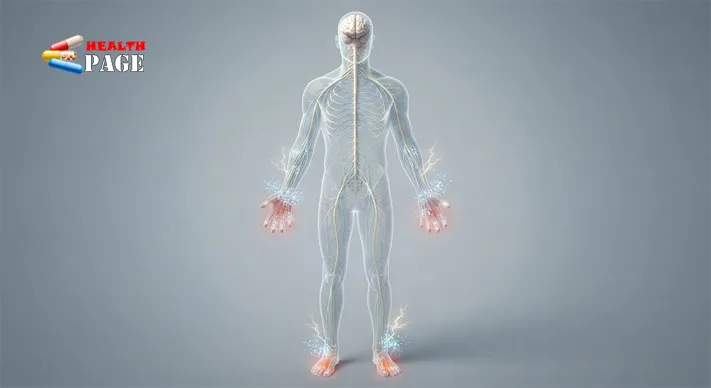
Neuropathic Pain Cause: Why Does It Happen?
There is no single neuropathic pain cause. Nerve pain is a symptom pattern that can arise from many different diseases, injuries and exposures.
Diabetes and Peripheral Neuropathy
Diabetes is a major cause of peripheral neuropathy. Over time, metabolic and vascular changes associated with diabetes can injure peripheral nerves. Symptoms often begin in the feet and legs and may include burning, tingling, numbness and pain.
Diabetic neuropathy is especially important because reduced sensation can make injuries to the feet harder to notice. People with diabetes who develop persistent burning, numbness or altered sensation should discuss these changes with a healthcare professional rather than assuming they are simply part of getting older.
Shingles and Postherpetic Neuralgia
Shingles results from reactivation of the varicella-zoster virus. The infection can affect sensory nerves and cause a painful rash. In some people, pain continues after the rash has healed. This persistent pain is called postherpetic neuralgia.
The pain may be burning, stabbing, aching or triggered by light contact in the previously affected area.
Nerve Compression or Injury
A nerve can become damaged or irritated after an injury, surgery or prolonged pressure. Disorders involving the spine may also affect nerve roots and produce radiating pain, numbness or weakness.
Carpal tunnel syndrome is one familiar example: pressure on the median nerve at the wrist can cause tingling, numbness and burning in parts of the hand.
Cancer Treatment and Other Toxins
Some chemotherapy medicines can damage peripheral nerves, producing chemotherapy-induced peripheral neuropathy. Certain other medications or toxic exposures can also contribute to nerve dysfunction.
The timing matters. If new tingling, numbness or burning develops during or after a medication or cancer-treatment course, the treatment team should know. Do not stop an important medicine without medical advice.
Nutritional and Metabolic Problems
Some vitamin or mineral abnormalities can contribute to neurological symptoms, although symptoms such as tingling are not specific to a single deficiency. A proper evaluation may therefore include diet, medications, medical conditions and appropriate laboratory testing rather than assuming that a supplement is the answer.
For example, an existing HealthPage guide on magnesium deficiency discusses how numbness and tingling can occur alongside other symptoms and why they need to be interpreted in the broader clinical context.
Autoimmune and Neurological Conditions
Autoimmune disorders can affect peripheral nerves, while diseases or injuries involving the brain and spinal cord can cause central neuropathic pain. Multiple sclerosis, stroke and spinal cord injury are among the conditions associated with central nerve pain.
This range of possible causes is one reason a persistent or unexplained neuropathic pattern deserves assessment.
Types of Neuropathic Pain
The types of neuropathic pain can be classified according to where the nervous-system problem occurs and, in some cases, the condition responsible for it.
| Type or example | Where the problem occurs | Typical context |
|---|---|---|
| Peripheral neuropathic pain | Peripheral nerves | Diabetes, nerve injury, compression, chemotherapy |
| Central neuropathic pain | Brain or spinal cord | Stroke, spinal cord injury, multiple sclerosis |
| Diabetic neuropathic pain | Usually peripheral nerves | Diabetes-related nerve damage |
| Postherpetic neuralgia | Sensory nerves affected by shingles | Persistent pain after shingles |
| Trigeminal neuralgia | Trigeminal nerve | Brief, severe facial pain often triggered by touch or movement |
These categories can overlap. “Peripheral” and “central” describe where the nervous-system problem occurs, while diabetic neuropathy and postherpetic neuralgia describe specific conditions.
Trigeminal neuralgia is also somewhat different from many other neuropathic pain conditions because its characteristic attacks can be extremely brief and are often triggered by activities such as chewing, brushing the teeth or touching the face. It is usually evaluated and treated using condition-specific approaches.
How Is Neuropathic Pain Diagnosed?
A neuropathic pain diagnosis is based on the whole clinical picture. There is no single test that confirms every form of nerve pain.
A clinician will usually begin by asking about:
- The location and distribution of pain
- When symptoms began and whether they are changing
- The quality of the sensation, such as burning or electric shocks
- Numbness, tingling or weakness
- Triggers such as movement or light touch
- Diabetes and other medical conditions
- Recent infections, injuries or surgery
- Current and previous medicines
- Alcohol, nutritional and other relevant risk factors
Additional testing depends on the suspected cause. Blood tests may help identify metabolic or nutritional contributors. Nerve-conduction studies and electromyography (EMG) can assess certain peripheral nerve and muscle abnormalities. Imaging may be useful when spinal or structural disease is suspected. In selected cases, specialized tests such as skin biopsy can help evaluate small-fiber neuropathy.
The IASP diagnostic framework emphasizes combining symptom characteristics, an anatomically plausible distribution, neurological examination findings and, when appropriate, objective testing.

Neuropathic Pain Treatment: What Can Help?
The right neuropathic pain treatment depends on the cause, severity, health conditions and response to therapy. Treatment usually has two goals: address the underlying problem when possible and reduce pain enough to improve sleep, activity and quality of life.
Common Neuropathic Pain Medications
For adults with neuropathic pain other than trigeminal neuralgia, NICE recommends considering a choice of amitriptyline, duloxetine, gabapentin or pregabalin as initial treatment, taking individual circumstances and adverse effects into account.
These medicines belong to different pharmacological groups and have different side-effect profiles. A drug that helps one person may be ineffective or poorly tolerated by another. Treatment may therefore involve careful dose adjustment or switching to another option rather than simply increasing the first medicine indefinitely.
For painful diabetic neuropathy, evidence-based guidance also supports several medication classes, including tricyclic antidepressants, SNRIs, gabapentinoids and sodium-channel blockers. The American Academy of Neurology recommends considering both benefit and adverse effects and changing treatment when meaningful improvement is not achieved or side effects are significant.
Opioids are generally not a preferred long-term strategy for neuropathic pain. In particular, the AAN guideline for painful diabetic neuropathy recommends against using opioids for that condition because of the potential for harm.
An existing HealthyPost article discussing pregabalin provides additional patient-oriented context about one medicine used for neuropathic pain, but medication decisions should always be based on a clinician’s assessment and the exact medicine, dose and health circumstances involved.
Topical Options for Localized Pain
When pain is confined to a small area, topical treatments may sometimes be considered. Depending on the diagnosis, options can include topical local anesthetics or capsaicin-based treatments.
Neuropathic Pain Management Beyond Medication
Medication is only one part of neuropathic pain management. Long-term care often works better when the plan also addresses function, sleep, mood and the underlying cause.
Treat the Underlying Condition
Examples include improving diabetes management, treating an infection, correcting a confirmed nutritional problem, addressing nerve compression, or managing an autoimmune or neurological disorder.
Treating the cause does not always eliminate pain immediately. Nerves can take time to recover, and some damage may persist even after the original trigger has been controlled.
Physical Rehabilitation and Activity
Appropriate physical therapy can help maintain strength, mobility, balance and confidence, particularly when pain has led to inactivity. Exercise should be adapted to the person’s diagnosis and abilities rather than based on a generic program.
This is particularly important when nerve damage affects the feet or balance. A rehabilitation plan may help reduce falls and preserve independence.
Sleep and Psychological Well-Being
Chronic nerve pain can interfere with sleep, concentration, mood and everyday activities. Poor sleep can then make pain harder to tolerate.
Pain-focused psychological approaches, education and behavioral strategies do not mean the pain is imaginary. They are tools for reducing the functional and emotional burden of a real neurological condition.
Specialist Approaches
When symptoms remain disabling despite appropriate initial treatment, specialist pain or neurology services may consider additional approaches. Depending on the diagnosis, these can include targeted procedures or neuromodulation techniques.
When Should You Seek Medical Care?
Persistent burning, shooting, electric-like or unexplained pain deserves assessment, particularly if it is accompanied by:
- Progressive numbness
- Muscle weakness
- Loss of balance
- Difficulty walking
- Loss of sensation in the feet or hands
- Symptoms in someone with diabetes
- Pain that is increasingly disrupting sleep or daily activities
- New neurological symptoms after an injury or infection
Some neurological symptoms require emergency assessment. Sudden facial drooping, new weakness or numbness on one side, difficulty speaking, sudden vision changes or severe sudden headache can be signs of a stroke or another emergency. Do not wait for a routine neuropathy appointment if these occur.
Can Neuropathic Pain Be Prevented?
Prevention depends on the cause. Not every case can be prevented, but some risks can be reduced.
For people with diabetes, appropriate glucose, blood pressure and lipid management can help reduce the risk or progression of diabetic neuropathy. Foot care is also important when sensation is reduced.
Other practical measures include:
- Addressing nutritional deficiencies when they are confirmed
- Limiting exposure to known neurotoxins
- Reviewing medicines when new neurological symptoms develop
- Protecting numb areas from burns, cuts and pressure injuries
- Following medical advice after shingles or nerve injuries
- Staying physically active within safe limits
Frequently Asked Questions
Is burning pain always neuropathic pain?
No. Burning can occur with nerve injury, but it can also occur with inflammatory, skin and other conditions. The location, associated symptoms and examination findings help determine the likely cause.
Can neuropathic pain go away?
Sometimes it improves when the underlying cause is treated or the nerve recovers. In other cases, it persists and becomes chronic nerve pain. The course depends on the cause and extent of nerve injury.
What is the difference between neuropathic and ordinary pain?
Nociceptive pain is generally produced by tissue injury or inflammation, whereas neuropathic pain results from a lesion or disease affecting the somatosensory nervous system. A person can experience both at the same time.
Are neuropathic pain medications addictive?
Some medicines used for nerve pain have dependence or misuse risks, while others do not carry the same profile. Pregabalin and gabapentin, for example, require particular prescribing caution in some settings. Never change or stop a prescribed medicine without discussing it with your healthcare professional.
Does neuropathic pain always mean there is permanent nerve damage?
No. Neuropathic pain indicates a lesion or disease affecting the somatosensory system, but the underlying problem and prognosis vary. Some nerve conditions improve, while others leave persistent symptoms.
Conclusion
Neuropathic pain is best understood as a problem of abnormal sensory processing caused by disease or injury affecting the somatosensory nervous system. Its distinctive symptoms—burning, shooting or electric pain, tingling, numbness, allodynia and unusual sensitivity—can provide important clues, but they do not identify the cause by themselves.
Diabetes, shingles, nerve compression, chemotherapy, injuries, nutritional or metabolic problems, autoimmune disease and disorders affecting the brain or spinal cord can all be involved. That wide range of causes explains why an accurate diagnosis matters before choosing treatment.
There is no single neuropathic pain treatment that works for everyone. Medicines such as amitriptyline, duloxetine, gabapentin or pregabalin may be appropriate for some adults, while other conditions require different approaches. Effective neuropathic pain management may also include rehabilitation, sleep support, psychological strategies and treatment of the underlying disease.
If persistent nerve pain, numbness or unusual sensations are affecting daily life, the most useful next step is a clinical assessment rather than trying to diagnose the sensation from a symptom list alone. The aim is to identify what is affecting the nerves and build a treatment plan around that specific cause.
Medical note: This article is for educational purposes and does not replace individualized medical advice, diagnosis or treatment. Persistent, worsening or unexplained neurological symptoms should be assessed by a qualified healthcare professional. Sudden neurological deficits require urgent emergency care.
References
- International Association for the Study of Pain (IASP) — What is Neuropathic Pain? A Guide for Patients
- National Institute for Health and Care Excellence (NICE) — Neuropathic pain in adults: pharmacological management in non-specialist settings
- American Academy of Neurology (AAN) — Oral and Topical Treatment of Painful Diabetic Polyneuropathy: Practice Guideline Update Summary

Dr. Sana Lodhi is a qualified medical doctor (MBBS) with a strong commitment to patient care and evidence‑based medicine. With years of clinical experience and her current role at Liaquat University of Medical & Health Sciences (LUMHS), she brings trusted medical insights to readers, simplifying complex health topics into clear, practical guidance. Her passion lies in promoting preventive healthcare, empowering individuals to make informed decisions, and bridging the gap between medical knowledge and everyday wellness. At HealthyPost.co.uk, Dr. Lodhi shares expert perspectives on health, lifestyle, and medical awareness to help readers live healthier, more balanced lives.