
Hard Stool Followed by Soft Stool: Causes, Constipation, and What to Do
This article has been written by Dr. Sana Lodhi (General Medicine), specializing in clinical diagnostics, gastrointestinal health evaluations, bowel habit patterns, and patient health education.
Medical Disclaimer: The information provided regarding alternating bowel movements (hard stool followed by soft stool), underlying causes of constipation, and dietary or lifestyle management strategies is for educational and informational purposes only. Persistent changes in bowel habits require professional clinical evaluation to rule out underlying gastrointestinal conditions. Always consult a qualified physician or healthcare specialist regarding chronic digestive symptoms, abdominal pain, or personal treatment plans.
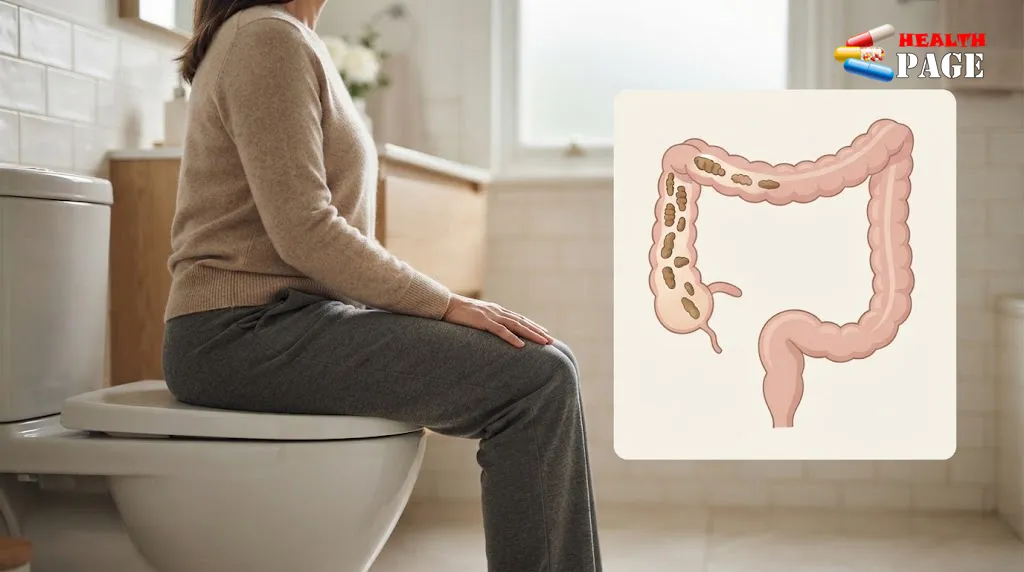
Have you ever noticed hard stool followed by soft stool during the same bowel movement? This pattern can be confusing, especially when the first part is dry, firm, or difficult to pass but the stool afterward becomes noticeably softer. In many cases, this happens because different portions of stool have spent different amounts of time in the colon, where water is gradually absorbed.
A slower bowel movement, not drinking enough fluid, eating too little fiber, being physically inactive, or repeatedly ignoring the urge to go can all contribute to harder stool. However, stool consistency can vary naturally from one bowel movement to another, and this pattern alone does not diagnose a disease.
What matters is the bigger picture: how often you have bowel movements, whether you need to strain, whether you feel completely emptied afterward, and whether symptoms such as abdominal pain or blood in the stool are present.
Why Is the First Stool Hard but the Later Stool Soft?
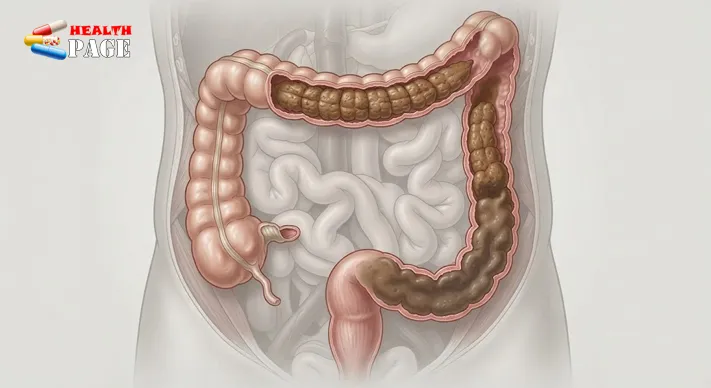
The colon does more than simply store waste. It absorbs water from intestinal contents before the remaining material is eliminated.
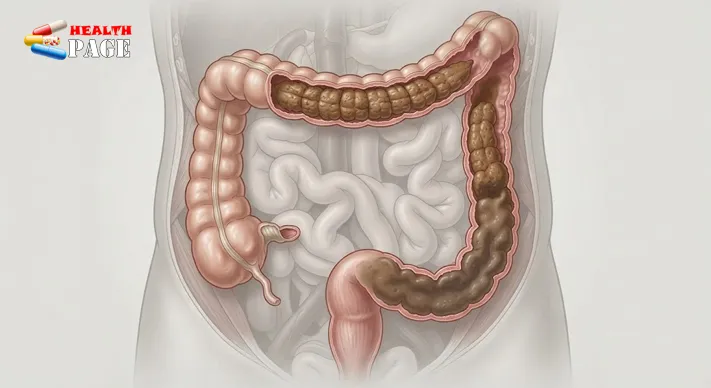
If stool remains in the colon for longer, more water can be removed from it. That can make the stool drier, firmer, and harder to pass. Meanwhile, stool that has moved through the digestive tract more recently may contain more water and therefore have a softer consistency.
This can create a noticeable difference during one bowel movement: the first portion is firm, followed by stool that is softer or easier to pass.
This is one reason hard stool and soft stool can occur together without necessarily indicating two separate digestive problems.
Lifestyle can influence this process. Common contributors to constipation include inadequate dietary fiber, insufficient fluid intake, low physical activity, changes in routine, and repeatedly postponing bowel movements. Certain medicines and medical conditions can also contribute.
Common Causes of Hard Stool Followed by Soft Stool
A single episode usually does not provide enough information to identify a specific cause. If the pattern happens repeatedly, however, several everyday factors are worth considering.
1. Not drinking enough fluids
Adequate fluid intake helps support normal stool consistency. This becomes particularly relevant when you increase dietary fiber because fiber works best when there is enough fluid available.
Dehydration does not explain every episode of constipation, but low fluid intake can contribute to harder stools in some people.
Rather than forcing yourself to drink an arbitrary amount, aim for adequate hydration based on your health, activity level, climate, and medical circumstances.
2. Too little dietary fiber
Fiber helps give stool structure and can make bowel movements easier to pass. Adults generally need around 22–34 grams of fiber per day, although individual requirements vary. NIDDK recommends increasing fiber gradually rather than suddenly making a large dietary change.
Good sources include:
- Oats and other whole grains
- Beans, chickpeas and lentils
- Vegetables
- Pears, apples and berries
- Nuts and seeds
- Kiwi and other fiber-containing fruits
If your current diet is relatively low in fiber, increasing it gradually may be more comfortable than suddenly adding large amounts. A rapid increase can cause gas, bloating or abdominal discomfort.
For readers interested in the broader role of dietary fiber, this existing guide on fiber and protein in the diet provides additional nutritional context.
3. Sitting for long periods
Regular movement can support normal bowel function. Long periods of inactivity may contribute to constipation in some people, particularly when combined with low fiber and inadequate fluid intake.
You do not necessarily need intense exercise. A daily walk, regular standing breaks, or other manageable physical activity can be a practical starting point. NIDDK includes regular physical activity among measures that may help prevent or relieve constipation.
4. Delaying the urge to have a bowel movement
Repeatedly ignoring the urge to use the toilet can contribute to constipation. Your bowel has normal reflexes that help move stool along, and postponing elimination may make bowel habits less predictable.
A calmer routine can help. Give yourself enough time, avoid excessive straining, and respond to the urge when practical.
5. Changes in intestinal movement
Constipation is not always caused by diet. Stool can move more slowly through the colon, or the muscles involved in bowel emptying may not coordinate properly.
Some people with persistent difficulty emptying the bowel have pelvic floor problems. These involve muscles that need to relax appropriately during defecation.
If you frequently strain, stop and start during bowel movements, or feel that stool remains despite repeated attempts, discussing the symptoms with a healthcare professional may be worthwhile. A related guide on pelvic floor physical therapy and bowel function explains how pelvic floor muscles are involved in bowel emptying.
Is Hard Stool Followed by Soft Stool a Sign of Constipation?
It can be associated with constipation, but the stool pattern alone does not establish constipation.
According to the National Institute of Diabetes and Digestive and Kidney Diseases, constipation can involve fewer than three bowel movements per week, hard or lumpy stools, difficult or painful passage, or a sensation that not all stool has passed. People can have different normal bowel patterns, so frequency should be considered alongside stool consistency and symptoms.
A useful distinction is between occasional hard stool and a persistent pattern accompanied by other constipation symptoms.
| What you notice | What it may suggest |
|---|---|
| Hard stool occasionally | Often related to temporary diet, hydration or routine changes |
| Hard stool with straining | Consistent with a constipation pattern |
| Hard stool plus incomplete evacuation | May warrant attention if persistent |
| Hard stool with abdominal bloating | Can occur with constipation and functional bowel disorders |
| Persistent bowel-habit change | Should be discussed with a healthcare professional |
| Blood in stool or rectal bleeding | Requires medical assessment |
The goal is not to diagnose yourself from stool appearance. Instead, look for a consistent pattern and any accompanying symptoms.
Could IBS Cause Hard-Then-Soft Bowel Movements?
Irritable bowel syndrome, or IBS, is one possible explanation when changes in stool form occur alongside characteristic abdominal symptoms.
However, simply having a hard stool followed by a soft stool does not mean you have IBS.
NICE guidance says IBS should be considered in adults with abdominal pain or discomfort associated with bowel movements or changes in bowel frequency or stool form, together with other symptoms such as altered stool passage, bloating, symptoms related to eating, or mucus. The symptoms generally need to form a persistent pattern rather than occurring as an isolated bowel movement.
This distinction is important because many temporary digestive changes are not IBS.
If you regularly experience abdominal pain, bloating, constipation, diarrhea, urgency, or incomplete evacuation, keep track of the pattern and discuss it with a healthcare professional rather than relying on stool consistency alone.
How Often Should You Have a Bowel Movement?
There is no universal rule that everyone must have one bowel movement every day.
People naturally differ in bowel movement frequency. Some go more than once a day, while others may go every couple of days. Frequency becomes more concerning when it represents a meaningful change from your usual pattern or occurs with hard stools, straining, pain, or incomplete evacuation.
A large prospective study published in BMJ Open followed 487,198 Chinese adults aged 30–79 years and examined self-reported bowel movement frequency in relation to later health outcomes. The researchers found statistical associations between bowel movement frequency and several health outcomes, but the study was observational and cannot establish that bowel movement frequency itself caused those outcomes.
So the study should not be interpreted as proof that everyone should aim for exactly one bowel movement per day.
For everyday purposes, consistency with your normal pattern, comfortable passage, and the absence of concerning symptoms are more useful considerations.
When Does an Infrequent Bowel Movement Become Constipation?
Having a bowel movement every two or three days does not automatically mean you are constipated.
Constipation is better understood as a combination of frequency, stool consistency, difficulty passing stool, and other symptoms.
Common constipation symptoms include:
- Hard, dry or lumpy stool
- Straining during bowel movements
- Painful passage
- Feeling that the bowel has not completely emptied
- Fewer than three bowel movements per week
Persistent constipation can also contribute to problems such as hemorrhoids or anal fissures, particularly when repeated straining is involved.
If constipation keeps returning despite sensible changes to diet, fluids, activity and toilet habits, it is worth looking for an underlying cause rather than continually treating the symptom.
Foods That May Help Relieve Constipation
Diet can play a useful role in improving bowel regularity, particularly when constipation is related to inadequate fiber intake.
Fiber-rich foods
Vegetables, whole grains, legumes, fruits, nuts and seeds are practical sources of dietary fiber. Increase fiber gradually and drink enough fluid to help minimize bloating and discomfort.
Kiwi
Kiwi has been studied as a food-based approach to constipation. Research comparing green kiwifruit, psyllium and prunes found improvements in constipation symptoms among participants receiving these interventions.
Some NHS guidance also recommends kiwi as part of a constipation-friendly diet, with studies suggesting that around two to three kiwifruit per day can improve stool consistency and reduce straining in some people.
Individual tolerance still matters, especially for people with sensitive digestive systems.
Prunes
Prunes contain both fiber and sorbitol. Sorbitol can draw water into the intestine and may help promote bowel movements.
Evidence and clinical guidance support prunes as one dietary option for constipation, but larger amounts can cause gas, bloating or loose stools in some people.
Ripe fruit and vegetables
A wide variety of fruits and vegetables can contribute fiber and fluid to the diet. Pears, apples, berries, kiwi, plums and other fruits can be useful additions.
There is no single fruit that works for everyone. The most sustainable approach is usually to build a generally fiber-rich eating pattern rather than relying on one “natural laxative.”
What about bananas?
Bananas can be part of a balanced diet, but the idea that only spotted or fully ripe bananas relieve constipation while green bananas cause it is too simplistic.
Bananas contain fiber, but individual responses vary with ripeness, portion size and the rest of the diet. If you notice that a particular food consistently worsens your bowel symptoms, adjust your intake rather than assuming a universal rule applies to everyone.
How to Relieve Constipation Naturally
If the symptoms are mild and there are no warning signs, several everyday habits may help.
Increase fiber gradually. Add vegetables, fruits, legumes and whole grains rather than making a sudden dietary change.
Stay adequately hydrated. Fluids help support softer stool, particularly when increasing fiber.
Move regularly. Walking and other physical activity may help stimulate bowel function.
Do not repeatedly ignore the urge. Give yourself enough time to use the toilet without rushing or excessive straining.
Try a consistent bathroom routine. NIDDK notes that attempting a bowel movement around 15–45 minutes after breakfast may help some people because eating can stimulate colon movement.
Change one thing at a time when possible. If you suddenly change your diet, add several supplements and start a new exercise routine simultaneously, it becomes difficult to know what is helping or causing bloating.
When Should You See a Doctor?
A temporary change in stool consistency is usually less concerning than a persistent change accompanied by other symptoms.
Seek medical advice if constipation does not improve with self-care or keeps returning without an obvious explanation.
More urgent assessment is appropriate if constipation occurs with:
- Blood in the stool or rectal bleeding
- Persistent or severe abdominal pain
- Vomiting
- Fever
- Inability to pass gas
- Unexplained weight loss
- A significant, persistent change in bowel habits
These symptoms do not automatically mean that a serious disease is present. They do mean that it is better to have the cause assessed rather than assuming the problem is ordinary constipation.
A particularly persistent change in stool caliber or bowel habits should also be discussed with a healthcare professional, especially when accompanied by bleeding, pain, weight loss, or other concerning symptoms.
Frequently Asked Questions
Is it normal to have hard stool followed by soft stool?
It can happen occasionally. Different portions of stool may have spent different amounts of time in the colon and therefore contain different amounts of water. If the pattern is persistent or accompanied by constipation symptoms, it is worth discussing with a healthcare professional.
Does hard stool followed by soft stool mean I am constipated?
Not necessarily. Constipation is defined by a combination of symptoms, including hard or difficult-to-pass stools, straining, incomplete evacuation and sometimes fewer than three bowel movements per week. Stool consistency alone is not enough to diagnose constipation.
What foods can help soften hard stool?
Fiber-rich foods such as vegetables, whole grains, legumes, kiwi, pears and other fruits can support normal bowel function. Prunes are another option because they provide fiber and sorbitol. Increase fiber gradually and maintain adequate fluid intake.
How many bowel movements should you have each week?
There is no single ideal frequency for everyone. Some healthy people go more than once daily, while others go every couple of days. Your usual pattern, stool consistency, ease of passage and associated symptoms are more informative than a fixed daily target.
Can IBS cause changes between hard and soft stool?
IBS can involve changes in stool form and bowel frequency, particularly when accompanied by recurring abdominal pain or discomfort and other characteristic symptoms. However, a single episode of hard stool followed by softer stool does not establish IBS.
When is a change in stool a warning sign?
Blood in the stool, persistent abdominal pain, vomiting, unexplained weight loss, inability to pass gas, or a significant persistent change in bowel habits should prompt medical assessment.
Conclusion
Hard stool followed by soft stool is often explained by differences in how long portions of stool remain in the colon and how much water is absorbed along the way. Low fiber intake, inadequate fluids, inactivity, delaying bowel movements and changes in intestinal motility can all contribute to harder stool.
The pattern does not automatically mean constipation or a serious illness. Instead, pay attention to the complete picture: stool consistency, bowel movement frequency, straining, incomplete evacuation, abdominal symptoms and whether the change persists.
For many people, healthy bowel habits begin with simple measures—gradually increasing fiber, drinking adequate fluids, staying physically active and responding to the urge to use the toilet.
If the change continues despite these measures, or if it occurs with bleeding, persistent pain, vomiting, unexplained weight loss or another significant change in bowel habits, professional medical assessment is the safer next step.
References
- National Institute of Diabetes and Digestive and Kidney Diseases — Constipation: Definition & Facts — Definitions, symptoms and general information about constipation.
- National Institute of Diabetes and Digestive and Kidney Diseases — Treatment for Constipation — Evidence-based guidance on fiber, fluids, physical activity and bowel habits.
- NICE — Irritable Bowel Syndrome in Adults: Diagnosis and Management — Diagnostic considerations for IBS, including abdominal symptoms and changes in bowel habit.
- BMJ Open — Bowel Movement Frequency and Risks of Major Vascular and Non-Vascular Diseases — Large prospective cohort study examining bowel movement frequency and health outcomes in Chinese adults.

Dr. Sana Lodhi is a qualified medical doctor (MBBS) with a strong commitment to patient care and evidence‑based medicine. With years of clinical experience and her current role at Liaquat University of Medical & Health Sciences (LUMHS), she brings trusted medical insights to readers, simplifying complex health topics into clear, practical guidance. Her passion lies in promoting preventive healthcare, empowering individuals to make informed decisions, and bridging the gap between medical knowledge and everyday wellness. At HealthyPost.co.uk, Dr. Lodhi shares expert perspectives on health, lifestyle, and medical awareness to help readers live healthier, more balanced lives.
Pingback: How to take psyllium husk safely: dose, timing