
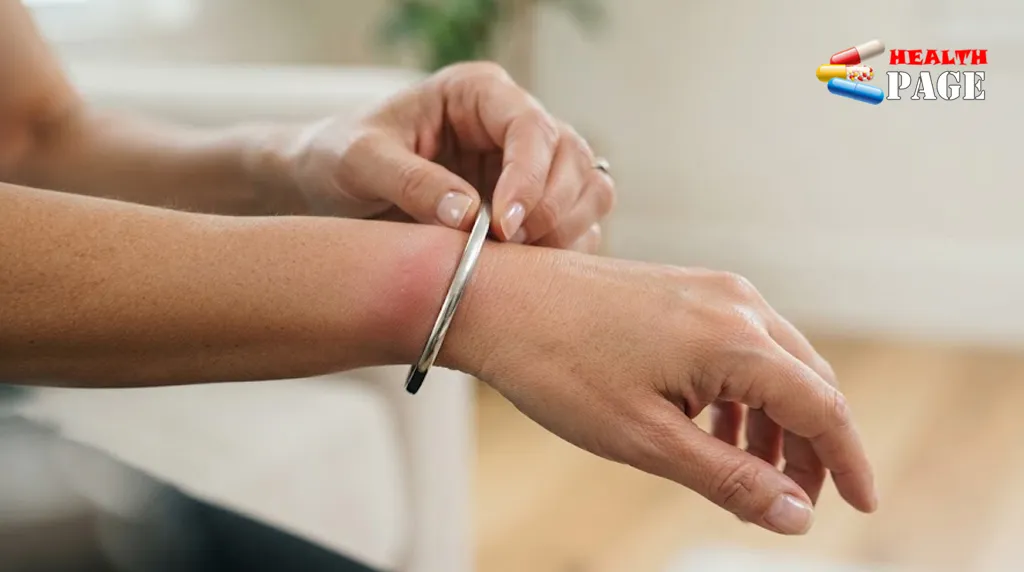
How to Remove a Stuck Bracelet Safely: 7 Easy Methods
This article has been written by Dr. Sana Lodhi, specializing in clinical patient care, minor injury management, first-aid techniques, and practical home safety education.
Medical Disclaimer: The information provided regarding safe methods to remove a stuck bracelet, at-home removal techniques, and skin or wrist care is for educational and informational purposes only. While gentle home remedies can be effective for minor jewelry removal, forceful removal can cause skin tears, soft tissue damage, or restricted circulation. Always seek immediate professional medical attention or emergency assistance if severe swelling, pain, numbness, or signs of compromised blood flow occur.
A bracelet that suddenly will not come off can be more than a frustrating jewelry problem. If swelling has developed around your wrist or hand, repeatedly pulling or twisting the bracelet may make the situation worse. The safest approach to how to remove stuck bracelet is to first check whether there are any signs of injury or circulation problems, then try gentle removal methods only when it is appropriate to do so.
If your hand or fingers are becoming numb, unusually cold, blue, grey, very pale, or increasingly painful, stop trying to remove the bracelet yourself and seek urgent medical care. NHS guidance specifically advises removing jewelry when a hand or wrist is swollen, and hospital guidance notes that jewelry may sometimes need to be cut off when swelling makes it unsafe to leave it in place.
For a bracelet that is tight but not causing circulation symptoms, there are several gentle things you can try.
Why Does a Bracelet Get Stuck?
A bracelet may become difficult to remove for several reasons, and the best solution depends on what is actually causing the problem.
Swelling of the hand or wrist
Swelling is one of the most important reasons a bracelet that normally fits can suddenly become stuck. It may occur after a sprain, fracture, other soft-tissue injury, prolonged activity, heat exposure, or inflammation.
After an injury, swelling can increase during the first few days. That is why NHS hand and wrist guidance recommends removing rings and tight wrist jewelry from an injured area.
A bracelet that fits too tightly
Some bracelets have very little extra room around the wrist. Even modest swelling can make the opening too small to pass comfortably over the hand.
A jammed clasp
Chain bracelets can become stuck because a lobster clasp, spring ring, magnetic closure, toggle, or connecting link is bent, dirty, corroded, or mechanically jammed.
Hair, skin, or fabric caught in the bracelet
A bracelet can also feel stuck when hair or fabric has become trapped in a clasp or link. Pulling harder may increase discomfort without solving the underlying problem.
An injury causing progressive swelling
This situation deserves extra caution. If the bracelet became stuck after a fall, blow, twist, or other injury, the swelling itself may continue to increase. A tight bracelet can then become increasingly uncomfortable and potentially interfere with the surrounding tissues.
If you have a significant hand injury, avoid treating the jewelry problem as separate from the injury. For example, people recovering from hand fractures are commonly advised to remove jewelry from the affected hand while swelling is present.
Before You Try to Remove It, Check Your Hand
Before attempting any of the methods below, take a moment to look at your hand and fingers.
It is more reasonable to try gentle removal when:
- Your skin has its usual color.
- Your fingers feel normally warm.
- You have normal sensation.
- There is no significant numbness or tingling.
- Pain is mild or absent.
- The bracelet is not cutting into the skin.
- Your fingers can move normally.
Do not keep struggling with the bracelet if the symptoms are getting worse.
Particularly concerning signs include:
- Blue, grey, unusually pale, or white fingers
- Cold fingers or hand
- New numbness or loss of sensation
- Persistent or increasing tingling
- Severe or rapidly increasing pain
- Significant or rapidly increasing swelling
- Difficulty moving the fingers
- Jewelry becoming embedded in the skin
Changes in color, sensation, movement, and temperature can accompany serious hand or wrist injuries and require prompt assessment.
How to Remove a Stuck Bracelet: 7 Safe Methods
1. Stop Pulling and Relax Your Hand
The first method is also the simplest: stop forcing the bracelet.
When people panic about a bracelet that will not come off, they often pull harder, twist the wrist repeatedly, or try to push the bracelet over the hand with increasing force. That can irritate the skin and may make swelling more troublesome.
Instead:
- Relax your hand and fingers.
- Keep the wrist in a comfortable position.
- Stop any forceful pulling.
- Try only small, controlled movements.
- Stop if pain or swelling increases.
The goal is to reduce friction and avoid adding more pressure to an already tight area.
If the bracelet is tight because of swelling, forcing it over the hand is unlikely to be the safest solution.
2. Elevate the Hand
If swelling appears to be making the bracelet tight, raising the hand may help reduce the swelling.
Sit or lie comfortably and support your arm on pillows so the hand is elevated. After an injury, elevation is commonly recommended as part of swelling management. NHS hospital guidance also advises keeping an injured hand raised and removing jewelry from the affected hand.
Give the swelling some time to settle rather than repeatedly testing the bracelet every few seconds.
If the bracelet becomes easier to move afterward, try a slow, gentle rotation rather than pulling it forcefully.

3. Use a Wrapped Cool Compress When Appropriate
A cool compress can be useful for swelling after some minor hand or wrist injuries. If you use one, wrap the cold pack in a towel rather than placing ice directly against the skin.
NHS guidance recommends an ice pack wrapped in a towel for wrist pain, while hospital guidance for soft-tissue injuries advises using wrapped ice and stopping if the area becomes very painful, numb, or starts tingling.
Do not use cold as a way to delay medical care. If the fingers are already cold, numb, unusually pale, blue, or otherwise showing possible circulation problems, seek medical assessment rather than trying to solve the problem with a cold pack.
Once swelling has improved and the hand still has normal color, warmth, and sensation, you can reassess whether the bracelet moves easily.
4. Reduce Friction With a Small Amount of Skin-Safe Lubrication
If the bracelet needs to slide over the skin and there is no significant injury, a small amount of mild liquid soap or an ordinary skin moisturizer may reduce friction.
Use only a small amount around the area where the bracelet contacts the skin. Then gently rotate the bracelet rather than pulling it sharply.
For example, if a smooth bangle is catching against dry skin as you try to move it toward the hand, lubrication may make the movement easier.
However, this is not a substitute for medical care. Do not lubricate and continue forcing a bracelet that is deeply embedded, causing severe pain, or associated with numbness or abnormal finger color.
Afterward, wash the skin if necessary and check for redness, broken skin, or irritation.
5. Rotate the Bracelet Gradually
Pulling a bracelet straight over the hand can create more friction than slowly rotating it.
This technique may be useful for a rigid bangle or smooth bracelet that is tight but not dangerously constricting.
Try small movements:
- Rotate the bracelet slightly.
- Move it a little toward the hand.
- Rotate it again.
- Continue only if the movement remains comfortable.
Think of it as gradually changing the position of the bracelet rather than trying to force it over the widest part of the hand in one movement.
If several gentle attempts do not work, stop. Repeated attempts are not necessarily safer simply because each individual attempt seems minor.
6. Inspect the Clasp or Stuck Component
If the bracelet is not actually tight around the wrist, the clasp may be the problem.
Under good lighting, look for the specific component preventing removal:
- Lobster clasp
- Spring-ring clasp
- Toggle
- Magnetic closure
- Jump ring
- Bent chain link
If the bracelet has enough space around the wrist, another person can sometimes provide better visibility and help operate the clasp.
Avoid putting knives, blades, scissors, or improvised cutting tools against your wrist. A slipping tool can injure the skin or deeper structures.
If the clasp is jammed and the bracelet is becoming tight because of swelling, do not spend a long time trying to repair the clasp while it remains on your wrist. Professional removal is safer.
7. Have It Professionally Removed
Sometimes the safest answer to how to get a stuck bracelet off is to stop trying at home.
A jeweler may be appropriate when the problem is mechanical—for example, a damaged clasp—with no significant injury or swelling.
Medical professionals are more appropriate when the bracelet is stuck because of swelling, an injury, severe pain, numbness, color change, or possible circulation problems.
Hospital guidance confirms that jewelry sometimes has to be cut off when swelling makes leaving it in place unsafe.
That may mean sacrificing the bracelet to protect the hand. If circulation or tissue injury is a concern, the jewelry should not take priority over medical safety.
How to Remove a Tight Bracelet From Your Wrist
If you are specifically wondering how to remove a tight bracelet from wrist, use a safety-first sequence rather than simply pulling harder:
Check the fingers → stop forceful pulling → elevate the hand → consider appropriate cooling after an injury → try gentle lubrication and rotation only if the hand remains normal → stop if it does not move → seek professional help when necessary.
A bracelet that is merely snug is different from one that is becoming progressively tighter.
If the wrist is swollen, avoid trying to force the bracelet over the hand. NHS guidance specifically recommends removing jewelry when a hand looks swollen.
How to Remove a Bracelet From a Swollen Wrist
Knowing how to remove bracelet from swollen wrist is particularly important after an injury.
Start by removing any other jewelry that can be taken off easily. A ring, watch, or additional bracelet can also become restrictive as swelling increases.
Then:
- Stop pulling on the stuck bracelet.
- Elevate the arm comfortably.
- If appropriate, use a wrapped cool pack according to standard injury-care guidance.
- Reassess the hand after swelling has had an opportunity to settle.
- Try gentle movement only if color, warmth, sensation, and movement remain normal.
- Arrange professional removal if the bracelet remains stuck.
Do not keep repeating home techniques if swelling continues to increase.
If you are also dealing with a hand injury, appropriate medical assessment matters more than successfully preserving the jewelry.
What Not to Do When a Bracelet Is Stuck
Some approaches can create more risk than benefit.
Don’t yank it
Forceful pulling can increase discomfort and may irritate already swollen tissue.
Don’t twist the wrist aggressively
The bracelet may move slightly while the wrist itself is being subjected to unnecessary strain.
Don’t use sharp cutting tools yourself
Knives, scissors, wire cutters, or other improvised tools can slip and cause injury.
Don’t use heat to solve acute swelling
Heat is not a recommended way to manage a newly injured, swollen wrist. NHS hand and wrist guidance advises avoiding heat packs and hot baths during the early period after an injury.
Don’t ignore changing finger color or sensation
A bracelet that becomes progressively tighter deserves attention. Numbness, tingling, coldness, or abnormal color should not be treated as an inconvenience to work through.
Stuck Bracelet Cutting Off Circulation: When Is It an Emergency?
The phrase stuck bracelet cutting off circulation can sound alarming, but the key issue is the symptoms in the hand and fingers.
A bracelet that is difficult to remove does not automatically mean that blood flow has been cut off. However, significant swelling combined with tight jewelry can create a situation that needs prompt assessment.
Seek urgent medical attention if the fingers or hand become:
- Blue, grey, unusually pale, or white
- Cold
- Numb
- Increasingly painful
- Significantly swollen
- Difficult to move
- Associated with worsening tingling or loss of sensation
NHS guidance treats blue or white fingers, numbness, increasing swelling, and other changes following hand or wrist injuries as warning signs requiring urgent assessment.
If the bracelet appears to be embedded in swollen tissue, do not continue trying to force it off. A healthcare professional can assess the hand and determine the safest way to remove the jewelry.
When Should You Cut Off a Bracelet?
The question of when to cut off a bracelet comes down to safety rather than the value of the jewelry.
Professional removal may be appropriate when:
- Gentle methods have failed.
- Swelling is continuing to increase.
- The bracelet is becoming painful.
- The skin is being compressed or damaged.
- The bracelet is embedded.
- The clasp cannot be opened.
- The bracelet became trapped after an injury.
- There are possible circulation or nerve symptoms.
If the hand is showing signs of compromised circulation, do not delay care because you are trying to save an expensive bracelet.
Medical facilities have equipment and appropriate techniques for removing jewelry when necessary. In some injury situations, hospital guidance explicitly states that jewelry may need to be cut off for safety.
Bracelet Types and the Most Appropriate First Step
| Bracelet type | Sensible first approach |
|---|---|
| Chain bracelet | Inspect and gently release the clasp |
| Lobster clasp bracelet | Carefully operate the clasp |
| Magnetic bracelet | Separate the magnetic closure |
| Rigid bangle | If the hand is normal, try gentle rotation |
| Tight metal bracelet | Address swelling first; avoid force |
| Bracelet on a swollen wrist | Prioritize swelling, circulation, and safe removal |
| Bracelet embedded in skin | Seek medical assistance |
| Bracelet causing numbness or color change | Seek urgent medical assessment |
The table is a starting point, not a substitute for assessing the condition of the hand. A bracelet’s design matters less than the presence of swelling, injury, pain, or circulation symptoms.
How to Prevent a Bracelet From Getting Stuck
A few simple habits can reduce the chance of dealing with this problem again.
Choose jewelry that leaves comfortable room around the wrist rather than fitting tightly. If your hand or wrist becomes swollen after an injury, remove jewelry as soon as it can be safely removed.
It is also sensible to remove jewelry before activities where it could catch on machinery, tools, sports equipment, or other objects. Jewelry caught on an object can produce traction injuries; Cleveland Clinic discusses this risk particularly in relation to rings and hand injuries.
Also consider removing a bracelet if it repeatedly causes:
- Pain
- Numbness
- Tingling
- Skin irritation
- Visible pressure marks
- Changes in skin color
A bracelet should be an accessory, not something that becomes a source of injury.
Frequently Asked Questions
How do you get a stuck bracelet off?
Start by stopping forceful pulling. If your hand has normal color, warmth, sensation, and movement, try elevating it if swelling is present, followed by gentle rotation and a small amount of suitable lubrication. If the bracelet remains stuck, professional removal may be safer.
How do you remove a tight bracelet from your wrist?
Do not simply pull harder. If swelling is contributing to the tightness, elevate the hand and allow the swelling to settle when appropriate. Then try slow, gentle movement. Stop if pain, swelling, numbness, or color changes develop.
How do you remove a bracelet from a swollen wrist?
First stop forcing the bracelet. Elevate the hand and, when appropriate after a minor injury, use a wrapped cool pack. If the hand remains normal and swelling decreases, you can try gentle movement. If the bracelet remains tight or symptoms worsen, seek professional help.
Can a stuck bracelet restrict circulation?
A very tight bracelet can place pressure on the tissues around the wrist, particularly when swelling is present. The warning signs that need urgent attention include abnormal finger color, coldness, numbness, significant pain, and worsening swelling.
Should you cut off a bracelet if your wrist is swollen?
Not necessarily, but a bracelet that cannot be safely removed and is becoming increasingly tight may need professional removal. If there are circulation or nerve symptoms, medical safety takes priority over preserving the jewelry.
Can I use soap to remove a stuck bracelet?
A small amount of mild liquid soap may reduce friction when a bracelet needs to slide over otherwise healthy, intact skin. It should not be used to justify continued force when the wrist is significantly swollen, injured, painful, numb, or discolored.
Conclusion
The safest way to how to remove a stuck bracelet is not to use maximum force. First determine why the bracelet is stuck and check the condition of your hand.
For a mildly tight bracelet with normal circulation, gentle movement, elevation when swelling is present, appropriate cooling after a minor injury, lubrication, and careful rotation may help. A jammed clasp may require assistance from another person or a jeweler.
The situation changes when swelling is significant or the fingers become cold, numb, blue, grey, unusually pale, increasingly painful, or difficult to move. Those signs warrant prompt medical attention, and a healthcare professional may need to remove or cut the bracelet.
When jewelry and health are competing priorities, protecting the hand should always come first.
References
- NHS — Wrist pain: guidance includes removing jewelry when the hand looks swollen and using a wrapped ice pack for wrist pain. NHS: Wrist pain
- Gloucestershire Hospitals NHS Foundation Trust — Soft tissue injuries affecting the wrist and hand: guidance covers removing tight wrist jewelry, elevation, and safe use of a wrapped ice pack after soft-tissue injury. Gloucestershire Hospitals NHS: Soft tissue injuries affecting the wrist and hand
- University Hospitals Sussex NHS Foundation Trust — Wrist fracture guidance: explains why jewelry should be removed from an injured hand and that jewelry may need to be cut off when necessary for safety. University Hospitals Sussex NHS: Wrist fracture guidance
Mouse Bites: First Aid, Infection Risks, and When to See a Doctor

Dr. Sana Lodhi is a qualified medical doctor (MBBS) with a strong commitment to patient care and evidence‑based medicine. With years of clinical experience and her current role at Liaquat University of Medical & Health Sciences (LUMHS), she brings trusted medical insights to readers, simplifying complex health topics into clear, practical guidance. Her passion lies in promoting preventive healthcare, empowering individuals to make informed decisions, and bridging the gap between medical knowledge and everyday wellness. At HealthyPost.co.uk, Dr. Lodhi shares expert perspectives on health, lifestyle, and medical awareness to help readers live healthier, more balanced lives.