

Why Is My Period Blood Watery and Pink? 5 Causes (and When to Worry)

Dr. Wang Zhixin is a distinguished Chief Physician specializing in comprehensive gynecology, perinatology, and maternal healthcare systems. She serves at the acclaimed
Shenzhen Maternity and Child Healthcare Hospital, a premier Grade-III Class-A medical center associated with Southern Medical University. With decades of clinical leadership, Dr. Wang is widely recognized for her contributions to reproductive wellness, prenatal diagnostic precision, and advanced clinical research safeguarding maternal-fetal medical outcomes.
As a core specialist panelist on the HealthPage Medical Review Board,
Dr. Wang leverages her senior clinical oversight to meticulously fact-check, audit, and medically verify our reproductive medicine and maternal wellness guides. Her analytical reviews ensure that intricate obstetric protocols and feminine wellness data are rendered into safe, authoritative, and completely evidence-based reference resources for global audiences.
✉ Professional Inquiries:
[email protected]
Clinical Review & Endocrine Notice: This comprehensive gynecological guide analyzing why is my period blood watery and pink has been thoroughly reviewed and medically validated by Dr. Wang Zhixin (Gynecology) to ensure accurate anatomical, hormonal, and clinical context.
Disclaimer: The clinical insights, symptom breakdowns, and physiological data detailed below are intended strictly for educational and general informational purposes. Occasional variations in menstrual color and fluid consistency are highly common and predominantly benign. This content cannot replace a formal pelvic examination, laboratory diagnostic screening, or an individualized gynecological consultation. Always consult a primary care physician or a certified gynecologist for persistent cycle irregularities, suspected infections, or if bleeding is accompanied by physical pain.
If you’ve been asking, why is my period blood watery and pink, you’re not alone. In our medical editorial practice, we regularly hear this question from people who notice a sudden change in menstrual color or texture and worry that something is wrong. Often, watery pink blood is a normal variation. It can happen when a small amount of blood mixes with cervical mucus or vaginal discharge. But in some cases, it can point to hormonal shifts, pregnancy-related spotting, or an infection that deserves attention.
Menstrual blood is not made of blood alone. It also contains endometrial tissue, cervical mucus, and vaginal fluid. That mix explains why flow can look bright red one day, brown the next, and sometimes pale pink and thin. The key is context: timing, symptoms, and whether the pattern keeps happening.
If you also track symptoms like odor, cramping, pelvic pain, or missed periods, you’ll have a much clearer picture of what your body may be telling you. This is especially helpful if you also follow changes in Vaginal Discharge, cycle timing, or early pregnancy signs.
What does watery pink period blood usually mean?
In most cases, watery pink bleeding means there is only a small amount of blood present, diluted by a larger amount of clear or white discharge. This is common:
- At the very start of a period
- At the end of a period
- Around ovulation
- During times of hormonal fluctuation
- In early pregnancy spotting
- With some vaginal or cervical conditions
Most studies and clinical guidance agree on one central point: color alone does not diagnose a condition. A one-time episode of light pink watery blood during period days may be harmless. A recurring pattern, especially with pain or abnormal discharge, is more important.
1. It may simply be the beginning or end of your period
One of the most common answers to why is my period blood watery and pink is also the simplest. Your flow may just be very light.
At the start of menstruation, the uterine lining begins to shed gradually. The first small amount of blood often mixes with cervical fluid, creating a diluted pink appearance. The same thing happens at the tail end of your cycle, when blood flow is slowing down.
This can look like:
- Pale pink streaks on toilet paper
- Thin pink fluid in a pad or liner
- Watery pink discharge instead of period for a few hours before full flow starts
In clinic-style menstrual history reviews, we often see patients describe this as “not quite a period yet” or “barely-there bleeding.” That description fits normal physiology surprisingly often.
Example
A patient with regular 28-day cycles notices pink, watery spotting for half a day before brighter red bleeding begins. She has no pelvic pain, no strong odor, and no unusual symptoms. In most cases, this pattern is considered a normal cycle variation.
If you want to understand how discharge changes across the month, tracking Vaginal Discharge patterns can be very useful.
2. Hormonal fluctuations may be thinning your flow
Hormones strongly influence the thickness of the uterine lining. Estrogen, in particular, helps build that lining during the first half of the cycle. If estrogen levels dip or fluctuate sharply, the lining may not develop as fully. That can lead to lighter bleeding that looks watery and pink.
This is one of the more overlooked pink watery period blood causes.
Common triggers include:
- Stress
- Sudden weight loss
- Intense exercise
- Low body fat
- Recent illness
- Perimenopause
- Starting, stopping, or changing hormonal birth control
NHS and broader gynecologic guidance frequently note that cycle changes can follow stress and lifestyle disruption. Elevated cortisol can affect the hypothalamus, which influences reproductive hormones. That chain reaction may result in hormonal imbalance and menstrual flow changes, including lighter or less predictable bleeding.
Signs hormones may be involved
- Shorter or skipped periods
- Spotting between periods
- Mood changes
- Sleep disruption
- New acne or hot flashes
- Cycles that become less predictable
This can also overlap with conversations around Menopause Longevity Medicine, especially for people in their late 30s or 40s noticing new cycle changes.

3. Ovulation spotting can cause pink watery bleeding mid-cycle
Not all pink bleeding is a true period. If the timing is in the middle of your cycle, ovulation may be the reason.
Ovulation spotting happens when hormonal shifts around egg release trigger a small amount of bleeding. Because cervical mucus is often abundant and slippery at this stage, the blood can appear diluted. That is why some people notice watery pink discharge instead of period around day 12 to 16 of the cycle.
Typical features of ovulation spotting:
- Happens mid-cycle, not at expected period time
- Lasts a few hours to 1–2 days
- Often light pink or rust-colored
- May appear alongside stretchy, egg-white mucus
- Usually mild and not associated with heavy cramps
This is one of the classic causes of pink watery bleeding outside menstruation. It is generally harmless, but repeated mid-cycle bleeding should still be discussed with a clinician, especially if it becomes heavy or painful.
Quick comparison table
| Pattern | Likely timing | Common appearance | What it may mean |
|---|---|---|---|
| Start/end of period | Just before or after menstrual flow | Light pink, watery, scant | Normal diluted menstrual blood |
| Ovulation spotting | Mid-cycle | Pink or light red mixed with mucus | Hormonal shift during ovulation |
| Implantation spotting | 6–12 days after ovulation | Very light pink or brown | Possible early pregnancy |
| Infection-related bleeding | Any time | Pink discharge with odor or irritation | Cervical/vaginal inflammation |
| Hormonal imbalance | Variable | Light, irregular, watery bleeding | Lining not building normally |
When patients are unsure whether bleeding is period-related or cycle-related spotting, symptom timing is often more useful than color alone.
4. Early pregnancy spotting can sometimes be mistaken for a light period
A common concern is: is watery pink blood a sign of pregnancy? It can be, but it is not a reliable diagnosis by itself.
Some people experience light spotting in early pregnancy, often called implantation bleeding. This may happen when a fertilized egg attaches to the uterine lining. The spotting is usually lighter than a normal period and may appear pink, watery, or brown.
This is where the topic of implantation bleeding vs period becomes important.
Clues that may point toward pregnancy-related spotting
- Bleeding is much lighter than your usual period
- It lasts 1–2 days, not several days
- You have a missed period
- You notice breast tenderness, nausea, fatigue, or increased urination
- The flow does not become bright red or heavier
Still, many people with early pregnancy have no implantation spotting at all. Others mistake a light period for implantation bleeding. A home pregnancy test is the most practical next step if pregnancy is possible.
For readers comparing symptoms, Early Pregnancy Urine Color and Crucial Cervix Test During Pregnancy may also be relevant supporting topics.
A note of caution: if you have a positive pregnancy test and also develop pain, dizziness, or heavier bleeding, urgent medical review is important. Those symptoms can sometimes indicate pregnancy complications.
You can also review public guidance from the NHS pregnancy resource for trustworthy information on early pregnancy symptoms.
5. Infections, cervical changes, or uterine conditions may be involved
Sometimes watery pink bleeding is not just a normal cycle variation. It can happen when the cervix or vagina is irritated or inflamed. Tiny amounts of blood may then mix with discharge, producing a pink, diluted look.
Possible causes include:
- Bacterial vaginosis
- Yeast infection with irritation
- Sexually transmitted infections such as chlamydia or gonorrhea
- Cervical ectropion
- Cervical polyps
- Uterine fibroids
- Rarely, more serious cervical or uterine pathology
This is more likely if you notice:
- Bad odor
- Burning or itching
- Pain during sex
- Bleeding after sex
- Pelvic pain
- Fever
- Unusual yellow, gray, or green discharge
In our editorial review of gynecologic care patterns, bleeding after intercourse or recurrent watery pink discharge often prompts a cervical evaluation. That may include an exam and, depending on age and history, screening such as a Pap test. If you are unfamiliar with that process, What Is a Pap Smear & Tool Explained can help clarify what to expect.
For STI screening guidance, the CDC sexually transmitted infections page is a strong public health reference.
When should you worry about watery pink bleeding?
Most cases are not dangerous. Still, when to see a doctor for watery bleeding is an important question.
You should seek medical advice if:
- The pattern repeats over several cycles
- You have severe pelvic pain
- There is a foul odor or unusual discharge
- Bleeding occurs after sex
- Your period is suddenly much lighter or irregular for no clear reason
- You may be pregnant
- You have dizziness, weakness, or signs of anemia
- Bleeding is heavy enough to soak pads quickly
- You are postmenopausal and have any vaginal bleeding
These situations can signal a need for testing, especially if the bleeding falls completely outside your expected cycle window.
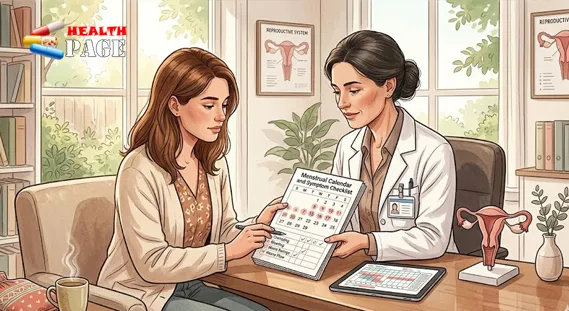
A practical self-check list
Before your appointment, note:
- First day of your last normal period
- Whether the bleeding is truly menstrual or just spotting
- Color: pink, red, brown, or mixed
- Texture: watery, mucus-like, or clotted
- Associated symptoms: pain, odor, itching, fever
- Pregnancy possibility
- New medications, contraceptives, or stressors
That information makes diagnosis much easier and more accurate.
Can nutrition, stress, or exercise affect period color?
Yes. More than many people realize.
Menstrual flow reflects overall reproductive health. If the uterine lining is thinner because of under-eating, iron deficiency, overtraining, or high stress, bleeding may be lighter and more diluted. That can result in light pink watery blood during period days, especially if your body is under pressure.
Examples include:
- A college athlete training intensely and missing meals
- Someone recovering from illness with noticeable weight loss
- A person under chronic stress who suddenly has shorter, lighter cycles
Most studies agree that menstrual changes can act as an early clue to broader hormonal or metabolic strain. That is one reason symptom tracking matters.
For readers interested in common misconceptions around cycle changes and reproductive health, Debunking Myths in Gyne Health is a helpful related topic.
FAQs
Is watery pink blood always a sign of pregnancy?
No. While people often ask, is watery pink blood a sign of pregnancy, it is more commonly related to light menstrual flow, ovulation spotting, or hormonal changes. A pregnancy test is the most reliable way to check.
What does watery discharge during menstruation mean?
Watery discharge during menstruation usually means blood is mixing with cervical mucus or vaginal fluid. This often happens on lighter flow days and may be completely normal.
Is light pink spotting before period normal?
Yes, light pink spotting before period can be normal, especially if full flow starts shortly after. It may happen when very early menstrual blood mixes with clear discharge.
How can I tell implantation bleeding vs period?
When comparing implantation bleeding vs period, implantation spotting is usually lighter, shorter, and does not progress into a typical full period. Timing and a pregnancy test help distinguish the two.
Should I get checked if I have watery pink discharge instead of period?
If watery pink discharge instead of period happens once, it may be benign. If it keeps happening, or comes with pain, odor, or a missed period, medical review is wise.
Could cervical screening help explain unusual bleeding?
Sometimes, yes. If bleeding happens after sex or between periods, a clinician may review your cervical health. Topics like What Is a Pap Smear & Tool Explained and Crucial Cervix Test During Pregnancy can help you understand that process.
Final thoughts
So, why is my period blood watery and pink? Most often, it is a sign of light bleeding mixed with normal cervical mucus. That can happen at the beginning or end of a period, around ovulation, during hormonal shifts, or in early pregnancy spotting. Less commonly, it may be related to infection, cervical irritation, or another gynecologic condition.
The pattern matters more than the color alone. If this happens once and you otherwise feel well, it may simply be a normal variation. If it keeps happening, falls outside your usual cycle, or comes with pain, odor, or pregnancy concerns, it’s worth getting checked.
Listening to your body is not overreacting. It is smart preventive care. Tracking bleeding patterns, discharge changes, and related symptoms can give both you and your clinician much better answers over time.
For broader context, related topics such as Vaginal Discharge, Early Pregnancy Urine Color, and Menopause Longevity Medicine can help you connect the dots between hormonal health, discharge changes, and cycle patterns.
Pingback: Vaginal Dryness: Causes, Safe Natural Remedies, and Clinical Treatments
Pingback: Uterine Fibroids Surgery: Types, Options, Recovery & Risks