

Low Alkaline Phosphatase: 7 Causes, Symptoms, and Treatment
Medical Disclaimer: The article “Low Alkaline Phosphatase: 7 Causes, Symptoms, and Treatment”, written by Dr. Sana Lodhi (General Medicine), is provided for informational and educational purposes only. It is not intended to serve as a substitute for professional medical advice, diagnosis, or treatment. Always seek the advice of your physician or other qualified health provider with any questions you may have regarding a medical condition.
Most people scan a blood report for the numbers that are too high. So when you see alkaline phosphatase low, flagged next to a liver panel you weren’t expecting to think about, it’s natural to wonder what has gone wrong. A low ALP is a laboratory finding, not a diagnosis. It is often explained by nutrition, sometimes by a thyroid problem or a medicine, and only occasionally by a rare inherited condition called hypophosphatasia. A mildly low result with no symptoms rarely needs urgent action. One that stays low on repeat testing deserves a proper conversation with your doctor. Below, we look at what the enzyme does, seven recognised causes, which symptoms matter, and how doctors find the reason.
What alkaline phosphatase actually does
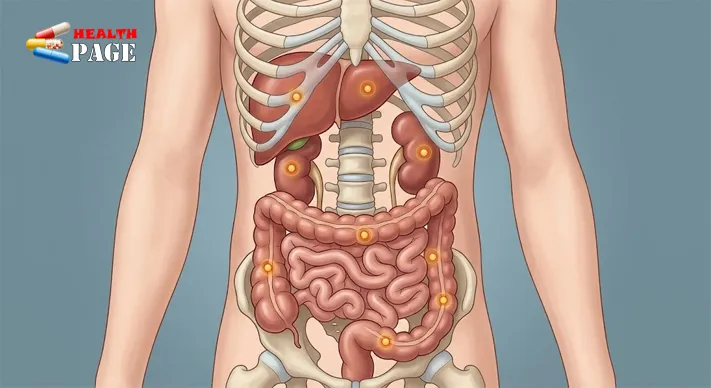
Alkaline phosphatase (ALP) is an enzyme, a protein that speeds up a chemical reaction, found in tissues throughout the body. Tissues with higher amounts include the liver, bile ducts, and bone. The kidneys and intestines also make it, and the placenta produces its own form during pregnancy. In adults, most of the ALP circulating in the blood comes from the liver and bone. nih
Its basic job is to remove phosphate groups from other molecules. In the bones, cells called osteoblasts make ALP, and it helps minerals such as calcium and phosphate settle into the bone matrix. In the liver, ALP is linked to the bile ducts, which is why levels often rise when bile flow is blocked.
This explains why ALP sits on liver panels but is not purely a liver test. A raised result can point to the liver or to bone. A low one points somewhere else entirely.
What a low ALP result means
A low ALP result means the enzyme activity in your blood sample fell below the lower limit of the reference range used by your laboratory. There is no universal range. MedlinePlus, for example, gives 44 to 147 international units per liter as a typical figure, but laboratories use different methods, and the range printed on your own report is the one that counts. nih
Age and sex also matter. Growing bones produce a lot of ALP, so children and teenagers run higher, and pregnancy raises levels too. A value that looks acceptable on an adult chart can be low for a child, which is why age- and sex-specific ranges are used.
A low result is also less common than a high one. One UK hospital audit cited an estimate of roughly 0.19% in the general population, though the true figure is unknown. The same audit noted that low results often go unnoticed. After artefactual causes are excluded, the usual explanations are malnutrition and low zinc or magnesium, with hypophosphatasia less common. The “artefact” point is worth keeping in mind. Sample handling and laboratory issues can occasionally produce a misleading number, which is one reason repeat testing is routine. labmed
Low ALP is not a typical marker of liver disease. The enzyme usually rises, not falls, when the liver or bile ducts are in trouble, so a doctor will read your liver tests as a group rather than lean on ALP alone.
Seven possible causes of low alkaline phosphatase
These are recognised possibilities, not a checklist to diagnose yourself with. More than one factor can contribute, and in many people no cause beyond a minor, temporary dip is ever found. MedlinePlus lists hypophosphatasia, hypothyroidism, malnutrition, pernicious anemia, protein deficiency, Wilson disease and zinc deficiency among the conditions linked with lower-than-normal ALP.
1. Zinc deficiency
ALP is a zinc-dependent enzyme, so it cannot work properly when the body is short of the mineral. Low intake is one route. Poor absorption is another, whether from digestive conditions, chronic diarrhoea or heavy alcohol use. Vegetarian diets built heavily on phytate-rich foods such as wholegrains and legumes can also reduce how much zinc the body takes up, although many vegetarians get enough. A low ALP alone cannot confirm a deficiency, so doctors look at diet, symptoms and sometimes a blood test.
2. Magnesium deficiency
Magnesium helps activate many enzymes, and low levels have been associated with reduced ALP activity. Poor intake, bowel conditions that affect absorption, alcohol, diuretics and long-term acid-suppressing medicines can all lower magnesium. If you are curious about the everyday clues, such as night cramps, twitching and fatigue, our guide to the early signs of magnesium deficiency covers them in detail. Those signs are not specific, though, and a blood test and medical history are needed before anyone concludes that magnesium is the problem.
3. Malnutrition and protein deficiency
Enzymes are proteins, and making them depends on a steady supply of amino acids, vitamins and minerals. Prolonged inadequate intake, restrictive or very unbalanced diets, eating disorders and chronic digestive disease can all leave the body short of what it needs. Improving nutrition may bring ALP back into range when this is the cause. Diet changes alone, though, are not a safe assumption for every low result, particularly if weight loss or poor appetite is unexplained.
4. Hypothyroidism
Thyroid hormones help regulate metabolism and the pace of bone turnover. When the thyroid is underactive, bone remodelling can slow, which may be reflected in lower ALP. Typical symptoms include tiredness, weight gain, feeling cold, constipation, dry skin and thinning hair, though they develop slowly and are easy to blame on other things. Doctors usually check thyroid-stimulating hormone (TSH) and free thyroxine (FT4).
5. Pernicious anemia and vitamin B12 deficiency
Pernicious anemia is an autoimmune condition in which the body cannot absorb vitamin B12 properly. Fatigue, pale skin, tingling in the hands and feet, a sore tongue and balance problems are the classic clues. It can coexist with thyroid disease because both can have autoimmune roots, so finding one is a reason to consider the other. Not every form of anaemia lowers ALP, so a general anaemia result should not be read as an explanation. A full blood count and B12 level are the usual first tests.
6. Certain medicines and other medical conditions
Drugs that slow bone turnover, including bisphosphonates and denosumab (both used for osteoporosis), can lower bone-related ALP. That is often an expected effect, not a sign of harm, which is why your medication list matters when a low result turns up. Never stop a prescribed medicine on your own because of a lab value.
Wilson disease, a rare inherited disorder of copper handling, is another recognised cause. Because these medicines are among the agents specialist guidance advises avoiding in hypophosphatasia, persistently low ALP in someone being treated for fragile bones is one reason a doctor may look more closely.
7. Hypophosphatasia (HPP)
Hypophosphatasia is a rare inherited metabolic disorder of bone and teeth. It is caused by variants in the ALPL gene, which carries the instructions for tissue-nonspecific alkaline phosphatase. When that enzyme works poorly, substances it normally clears build up, including inorganic pyrophosphate, which interferes with mineralisation and leaves bone and teeth poorly formed.
The range is wide. ALPL variants often cause severe disease that can end in stillbirth, while heterozygous variants are more likely to produce modest or mild illness. Some people only develop problems in adulthood. A dental-only form, odontohypophosphatasia, involves early loss of baby teeth or severe decay without obvious bone disease. nih
One point trips up readers constantly. Hypophosphatasia is not the same as hypophosphatemia. The first is an enzyme deficiency. The second simply means a low phosphate level in the blood.
| Possible cause | What may point toward it | Usual next step |
|---|---|---|
| Zinc deficiency | Poor diet, malabsorption, alcohol use | Dietary review, zinc test |
| Magnesium deficiency | Cramps, twitching, long-term acid-reducing drugs | Serum magnesium |
| Malnutrition | Weight loss, restrictive eating | Nutritional assessment |
| Hypothyroidism | Tiredness, cold intolerance, weight gain | TSH and FT4 |
| Pernicious anemia | Tingling, pale skin, sore tongue | Full blood count, B12 |
| Medicines or Wilson disease | Bone drugs, family or liver history | Medication review, specialist tests |
| Hypophosphatasia | Fractures, early tooth loss, bone pain, family history | Specialist assessment, ALPL testing |
Low alkaline phosphatase symptoms
Low ALP itself usually produces no symptoms at all. Most people discover it by chance on routine bloodwork. When symptoms exist, they come from whatever is behind the result, which is why the picture varies so much.
If the cause is nutritional or hormonal, expect the vague complaints described above: fatigue, weakness, appetite changes, and sometimes muscle cramps, which have many everyday causes and should not be linked to ALP on their own.
Hypophosphatasia is different, because its features are more characteristic. In children it may show up as:
- Baby teeth lost early, sometimes with the root still attached
- Delayed walking or slow motor development
- Poor growth, bone deformities or repeated fractures
- Muscle weakness
Severe infant forms can also involve breathing difficulty, seizures and problems with skull development. Parents who notice early tooth loss should raise it with a paediatrician or dental professional who can check whether other features are present.
In adults, mild disease often looks like persistent bone or joint pain, stress fractures (especially in the feet), slow fracture healing, muscle weakness and early tooth loss. These complaints overlap heavily with common orthopaedic and bone problems, which is partly why the condition is under-recognised. Not everyone with HPP has every feature.
Is a low ALP dangerous?
Not necessarily. A mildly low result with no symptoms may be temporary or tied to diet or medication. The usual response is to repeat the test and review your history.
Persistently low values deserve more attention, especially alongside bone pain, unexplained fractures, dental problems or a family history of any of these. A single low result cannot diagnose hypophosphatasia, but repeated low results with matching clinical features may lead a doctor to consider it.
See a doctor if ALP stays below range on repeat testing, if you have unexplained bone or muscle pain, recurrent or slow-healing fractures, or early tooth loss, or if a child shows delayed walking or skeletal changes. Seek prompt care for breathing difficulty, seizures or a suspected fracture. A low ALP on its own is not an emergency.
How doctors work out why ALP is low
The goal is to find the reason, not to push the number up. A doctor will usually start with a repeat blood test, interpreted against the right age- and sex-specific range, since comparison with reference values for age and sex is needed, and ALPL gene testing is recommended for a definitive diagnosis when hypophosphatasia is suspected. Depending on your history, they may also check: nih
- A full blood count and vitamin B12 or folate
- Thyroid function (TSH and FT4)
- Zinc, magnesium, calcium, phosphate and vitamin D
- Liver and kidney function
- A careful review of current medicines and supplements
If hypophosphatasia is a real possibility, a specialist may add pyridoxal-5-phosphate (PLP, the active form of vitamin B6, which builds up when the enzyme is deficient), urinary phosphoethanolamine where available, and ALPL genetic testing. Skeletal imaging can show changes in bone density or stress fractures, and our explainer on how fractures appear on an X-ray gives a sense of what radiologists look for. The diagnosis rests on the combination of clinical findings, laboratory results and sometimes genetics, not on one number.
Treatment depends on the cause
No single medicine or supplement suits everyone with low ALP.
Nutritional deficiencies. Once a deficiency is confirmed, treatment may involve more dietary zinc, correcting low magnesium, adding protein, replacing B12 or folate, and treating any absorption problem underneath. Supplements should follow testing and advice, not precede them.
Hypothyroidism. Treatment is usually thyroid hormone replacement, commonly levothyroxine, with monitoring by your doctor.
Pernicious anemia. Vitamin B12 replacement, by injection or high-dose oral therapy depending on the situation.
Medication-related low ALP. The prescriber reviews the benefits, risks and alternatives. Do not stop treatment independently.
Hypophosphatasia. This needs specialist care because it is a genetic disorder, not a deficiency you can eat your way out of. Supportive care includes monitoring bones and teeth, pain and mobility management, physiotherapy, and respiratory support in severe infant cases. Targeted treatment is asfotase alfa (Strensiq), an enzyme replacement therapy. It has been shown to improve lung function, calcium handling and bone health, and survival in infantile and early-onset disease. Eligibility depends on age, disease features and local guidelines, and it is not a routine treatment for an ordinary low ALP result. Specialist guidance also advises avoiding bisphosphonates, denosumab and excess vitamin D in HPP. nih
Eating and lifestyle habits that help
A varied diet gives the body the raw materials it needs: protein from eggs, fish, poultry, dairy and legumes, zinc from meat, seafood, nuts and seeds, magnesium from leafy greens, beans, nuts and wholegrains, and B12 from fish, eggs, dairy and fortified foods. If you want more ideas, our healthy food guides cover everyday nutrition.
Food cannot cure persistently low ALP or hypophosphatasia, however. Taking high-dose vitamins or minerals to chase a number is not safe. Too much zinc, for instance, can interfere with copper absorption, and people with suspected HPP should avoid starting high-dose vitamin D without specialist input. They should also ask about activity before starting high-impact exercise because of fracture risk. Moderate alcohol intake and a regular medication review round out sensible habits.
Frequently asked questions
Can low ALP cause fatigue?
Not by itself. Conditions that can lower ALP, such as hypothyroidism, B12 deficiency or poor nutrition, often do cause tiredness, so fatigue is a reason to look for the underlying issue.
Does low ALP mean I have liver disease?
Rarely. Liver and bile duct problems tend to raise ALP. A low result is more often a nutritional, hormonal or medication question, though your doctor will read it alongside your other liver tests.
Can low ALP return to normal?
Often, when the cause is reversible, such as a corrected deficiency or a medicine change. Inherited hypophosphatasia is a lifelong condition that needs ongoing specialist management.
Should I take zinc or magnesium if my ALP is low?
Not automatically. Get the cause confirmed first, then supplement only if it is medically indicated, at the dose your clinician recommends.
Is low ALP different in children?
The reference range is higher in children because their bones are growing, so a number that is normal for an adult can be abnormal in a child. A paediatric result should always be read against an age-appropriate range.
Conclusion
Alkaline phosphatase low on a blood report is a clue, not a verdict. Most of the time it points toward something fixable, whether a nutritional gap, an underactive thyroid or a medicine effect, and only occasionally toward hypophosphatasia. The most useful next steps are practical: ask for a repeat test, bring a full list of medicines and supplements, and mention any history of fractures, bone pain, early tooth loss or similar results in relatives. If low ALP persists, a clear explanation is usually within reach.
References
- MedlinePlus (U.S. National Library of Medicine). “ALP – blood test.” https://medlineplus.gov/ency/article/003470.htm
- Dahir KM, Nunes ME. “Hypophosphatasia.” GeneReviews®, NCBI Bookshelf (updated March 2025). https://www.ncbi.nlm.nih.gov/books/NBK1150/
- Tetucci A, Bayaraa D, Sodi R. “An audit of the incidence and causes of low serum alkaline phosphatase (ALP).” Broomfield Hospital, Mid & South Essex NHS Trust (poster, labmed.org.uk). https://labmed.org.uk/asset/69F20407%2DD425%2D4553%2D94C655F3D80B1B6A

Dr. Sana Lodhi is a qualified medical doctor (MBBS) with a strong commitment to patient care and evidence‑based medicine. With years of clinical experience and her current role at Liaquat University of Medical & Health Sciences (LUMHS), she brings trusted medical insights to readers, simplifying complex health topics into clear, practical guidance. Her passion lies in promoting preventive healthcare, empowering individuals to make informed decisions, and bridging the gap between medical knowledge and everyday wellness. At HealthyPost.co.uk, Dr. Lodhi shares expert perspectives on health, lifestyle, and medical awareness to help readers live healthier, more balanced lives.