
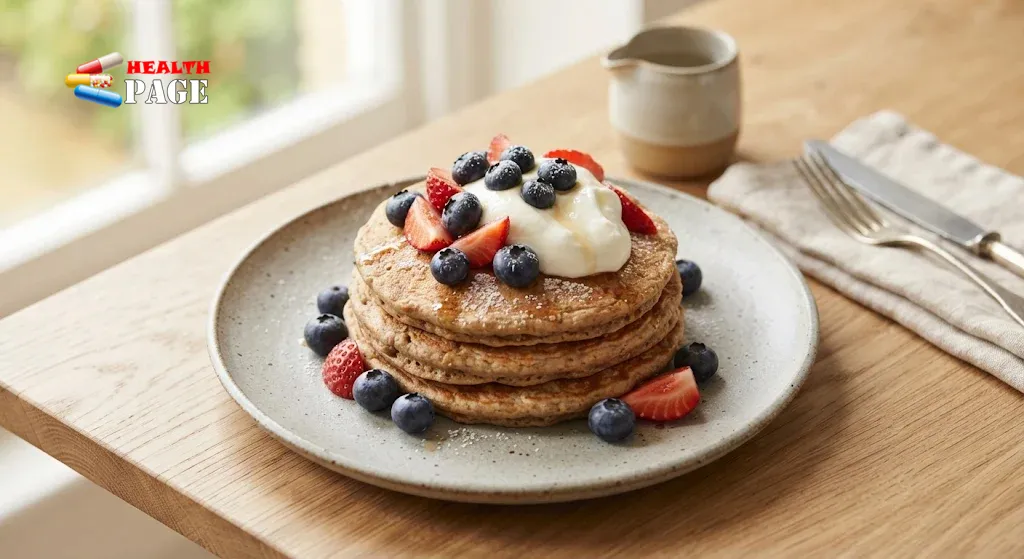
7 Health Benefits of Pancakes: Nutritional Facts You Should Know
Medical Disclaimer: The content provided in the article “7 Health Benefits of Pancakes: Nutritional Facts You Should Know” is written by Dr. Sana Lodhi (General Medicine) and is intended for informational and educational purposes only. It is not a substitute for professional medical advice, diagnosis, or treatment. Always seek the advice of your physician or another qualified health provider with any questions you may have regarding a medical condition, dietary changes, or nutritional needs. Never disregard professional medical advice or delay in seeking it because of something you have read in this article.
Pancakes have a reputation as a weekend treat, so the benefits of pancakes can come as a surprise. A plain pancake made from flour, eggs and milk supplies carbohydrate for energy, some protein, and small amounts of B vitamins, calcium and phosphorus. Whether a stack counts as a nutritious breakfast depends less on the pancake itself than on the flour you choose, how much sugar goes into the batter, and what ends up on top. This article covers seven health benefits of pancakes, what the nutrition numbers look like, where the drawbacks lie, and how to adjust a recipe so it works harder for you.
What Are Pancakes Made Of?
A traditional pancake is a simple batter of flour, eggs, milk (or water) and a pinch of salt. Thicker, American-style pancakes also contain a raising agent such as baking powder, while thin, crêpe-style pancakes rely on a runnier batter and a hot pan.
Those basics can be changed in many directions. Buckwheat flour, which despite its name is unrelated to wheat, gives a nutty flavour. Oat, corn and rice flours are also used. Fillings range from fruit and cottage cheese to eggs, fish, vegetables and chicken.
This matters because ingredients set the nutritional profile. Eggs and milk bring protein, wholegrain flour brings fibre, and a tablespoon of syrup or chocolate spread changes the sugar content more than anything else in the pan.
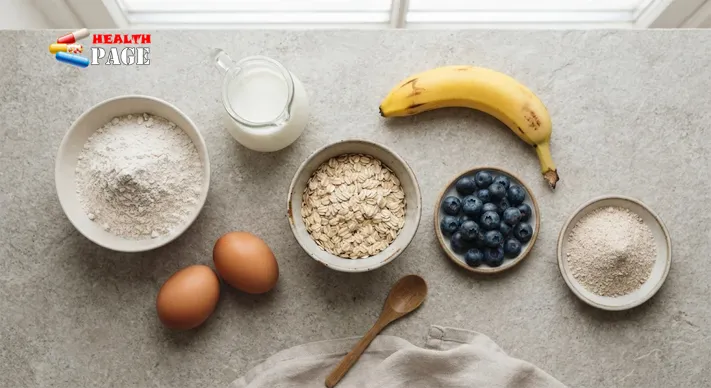
7 Health Benefits of Pancakes
None of the benefits below make pancakes a “superfood”, and none show that pancakes prevent illness. They describe what pancakes can contribute as part of an overall diet. Most of them are larger with thoughtful ingredients than with a standard white-flour stack.
1. Provide Energy to Start the Day
Carbohydrate is the body’s main fuel, and pancakes supply a fair amount: about 28 g per 100 g for a plain pancake made from a recipe, according to USDA data. After an overnight fast, that is a sensible thing to eat.
The type of flour affects how that energy arrives. Refined white flour is digested quickly, which can leave you hungry again sooner. Wholegrain flours contain fibre, which tends to slow digestion. Adding protein, from eggs or yoghurt, or fibre, from fruit, makes the carbohydrate behave more gently still.
2. Can Provide Protein for Muscle Maintenance
Eggs and milk both contribute protein, which the body uses to maintain and repair muscle and other tissues. The amounts in ordinary pancakes are modest, though. A plain 4-inch (about 10 cm) pancake made from a recipe provides roughly 2.4 g of protein, so even a stack of three gives about 7 g.
Plain pancakes are therefore a small protein source, not a high-protein food. Protein rises when you add Greek yoghurt, cottage cheese or extra egg to the batter, replace part of the flour with oats, or serve the pancakes with eggs or yoghurt. Whey or pea protein powders are sometimes used too, though they are not necessary for most people.
3. May Contribute to Calcium Intake
Calcium helps build bones and keep teeth healthy, and the NHS recommends 700 mg a day for adults. Milk is the obvious source here: 200 ml of milk provides around 240 mg.
The contribution from a pancake depends on how much milk the batter contains. A batter made with water gives little, while one made with milk, buttermilk or yoghurt gives more. Serving pancakes with yoghurt or cottage cheese adds further calcium, as does a fortified plant-based milk in dairy-free versions. Pancakes are one contributor among many, not a calcium strategy.
4. Can Supply B Vitamins and Other Nutrients
Flour, eggs and milk together bring several nutrients. One Russian food-composition database (Gastronom.ru) estimates that 100 g of traditional pancakes covers about 13% of the daily value for riboflavin (vitamin B2) and 12% for phosphorus. Smaller shares are listed for niacin (8%), calcium (8%), vitamin B6 (7%), iron (6%), magnesium (5%) and potassium (4%). These are source-specific estimates and will not match every recipe.
Flour type matters here as well. In the UK, white flour is fortified with calcium, iron, thiamin and niacin, while wholegrain flour naturally contains more of minerals such as magnesium and phosphorus. People who eat very little wholegrain, nuts or seeds are more likely to fall short on magnesium, and it helps to know the early signs of magnesium deficiency.
5. Wholegrain Pancakes Can Provide Dietary Fibre
This is the benefit where recipe choice makes the biggest difference. Standard pancake mixes in USDA data contain only around 1–2 g of fibre per 100 g. Swapping some or all of the white flour for wholemeal flour, oat flour or buckwheat flour raises that figure.
Fibre matters because most adults eat too little of it. The NHS advises 30 g a day and notes that fibre-rich foods help you feel fuller and support digestion. Oats are a familiar source of soluble fibre, and their benefits are explored further in this guide to overnight oats with chia seeds. If you are new to wholegrains, start by replacing half the flour and build up, since a sudden jump in fibre can cause bloating.
6. Can Be Combined With Fruit and Antioxidant-Rich Toppings
Here the credit belongs to the toppings, not the pancakes. Strawberries and raspberries bring vitamin C, blueberries add plant compounds called anthocyanins, bananas contribute potassium, and grated or sliced apple adds fibre and natural sweetness. Raspberries are among the higher-fibre fruits.
Fresh or frozen fruit works equally well. Frozen berries warmed gently in a pan make a juicy topping with no added sugar. Compared with jam, syrup or sweetened spreads, whole fruit delivers more fibre and far less added sugar for the same sweetness.
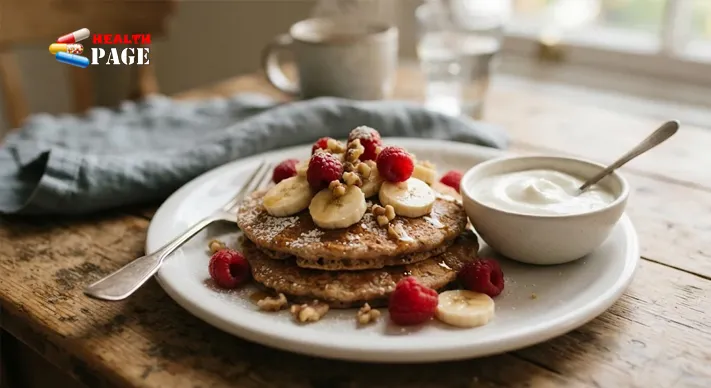
7. Can Become a Balanced and Satisfying Breakfast
The earlier benefits come together here. A pancake alone is mostly starch, but a plate that pairs it with protein, fibre and some unsaturated fat looks quite different.
Compare two breakfasts. The first is three white-flour pancakes with butter and syrup. The second is two wholemeal pancakes with Greek yoghurt, berries and a few walnuts. The second has more fibre, more protein, less added sugar and a mix of fats, and it is more likely to keep you comfortably full. “More likely” is the honest phrase, because fullness varies with the individual, the portion and the rest of the meal.
Nutritional Value of Pancakes
The nutritional benefits of pancakes depend heavily on the recipe, and published figures show how much they vary. The table compares one food-composition database entry with USDA data for plain pancakes prepared from a recipe.
| Per 100 g | Gastronom.ru (traditional) | USDA (plain, from recipe) |
|---|---|---|
| Calories | 185 kcal | 227 kcal |
| Protein | 5.6 g | 6.4 g |
| Fat | 7.2 g | 9.7 g |
| Carbohydrate | 25.3 g | 28.3 g |
Neither column is “the” calorie count for pancakes. Thin crêpes made with water sit lower, while buttery restaurant pancakes sit higher. In one USDA listing, a restaurant-style plain pancake comes to roughly 307 kcal per 100 g. For ingredient-specific numbers, the USDA FoodData Central database is a reliable place to check.
Portion size changes the picture more than recipe differences do. A 4-inch pancake provides roughly 86 kcal, but a large 7-inch one provides around 180 kcal, before any topping.
Are Pancakes Healthy for Breakfast?
The benefits of pancakes for breakfast are real but conditional. A balanced breakfast generally combines wholegrain starch, protein, fruit or vegetables and a little unsaturated fat. Pancakes can supply the first of those, and the rest is up to the plate. If you are comparing options, the guide to a nutritious, healthy breakfast offers other ideas.
Some combinations work well:
- Wholemeal pancakes with Greek yoghurt, berries and chopped nuts
- Oat pancakes with sliced banana and a spoonful of nut butter
- Buckwheat or savoury pancakes filled with egg, spinach or smoked fish
- Thin pancakes rolled around cottage cheese and fruit
Eating pancakes every day is not a problem in itself, as long as the rest of your diet is varied and the portions are reasonable.
Are There Any Disadvantages of Eating Pancakes?
Yes, and they are worth knowing about.
Refined carbohydrate. Traditional pancakes made with white flour contain relatively little fibre, so they are digested quickly and may not keep you full for long.
Added sugar. Sugar in the batter, plus syrup, sweetened spreads and candied toppings, can push added sugar up quickly. UK guidance caps free sugars at about 30 g a day for adults, and a couple of tablespoons of syrup can use up a large share of that.
Excess calories and saturated fat. Large portions, butter, cream and chocolate spread add calories and saturated fat. Pancakes themselves are not the issue. The extras are.
Gluten and allergens. Wheat pancakes contain gluten, and eggs and milk are common allergens. Buckwheat, rice and corn flours can be gluten-free, but people with coeliac disease need ingredients that are certified gluten-free and care to avoid cross-contact in the kitchen. Ordinary oats are often cross-contaminated, so they need to be labelled gluten-free too.
Blood sugar. People managing diabetes should pay attention to portion size, total carbohydrate and toppings, and follow the advice of their own dietitian or doctor.
How to Make Pancakes Healthier: 6 Practical Tips
- Swap part of the flour for wholegrain. Replace half the white flour with wholemeal flour to raise fibre without changing the texture much.
- Try oat or buckwheat flour. Both offer an alternative grain. Check labels if you need gluten-free.
- Add protein. Beat in an extra egg, a spoonful of Greek yoghurt or some cottage cheese. Protein and fibre do different jobs, as this comparison of fibre vs protein explains, and a good breakfast has both.
- Cut the sugar in the batter. Ripe mashed banana or a little cinnamon gives sweetness without it.
- Top with whole fruit. Berries, apple and banana add vitamins and fibre, and unsweetened yoghurt or a few nuts round it out.
- Go light on butter and syrup, and watch the portion. A thin film of sunflower or rapeseed oil is enough to cook with, and a modest drizzle of syrup goes a long way.
Frequently Asked Questions
What are the benefits of pancakes?
Pancakes provide carbohydrate for energy and small amounts of protein, calcium, B vitamins and minerals. The most useful benefits come from wholegrain flour, protein-rich additions and fruit toppings.
Are pancakes healthy to eat every day?
They can fit into a daily routine if the portion is sensible, the sugar is low and the rest of your diet includes plenty of vegetables, fruit and other protein sources. Variety matters more than any single food.
Are whole wheat pancakes healthier than regular pancakes?
Generally, yes, because they contain more fibre and naturally occurring minerals. The topping still matters, as whole wheat pancakes with a lot of syrup lose much of the advantage.
Are pancakes a good source of protein?
Not on their own. Eggs and milk help, but a plain pancake provides only a few grams. Greek yoghurt, cottage cheese, oats or eggs served alongside raise the total.
Are pancakes good for breakfast?
They can be, particularly when made with wholegrain flour and served with protein and fruit. A plate of white-flour pancakes with syrup is better treated as an occasional meal.
What is the healthiest way to eat pancakes?
Use wholegrain flour, minimal added sugar, a little oil for cooking and toppings such as fruit, yoghurt and nuts. Keep the portion moderate.
Final Thoughts
The benefits of pancakes are genuine but depend on how you make them. Plain pancakes offer energy and a modest amount of protein and micronutrients, while wholegrain flour, protein-rich additions and fresh fruit raise the fibre, protein and vitamin content. Added sugar, butter and large portions work in the other direction. A practical next step is to change one thing at a time, such as swapping half the flour for wholemeal, and see how it suits you. Anyone with coeliac disease, food allergies or diabetes should check specifics with a doctor or registered dietitian.
References
- NHS. “Calcium.” NHS vitamins and minerals guide: https://www.nhs.uk/conditions/vitamins-and-minerals/calcium/
- NHS. “How to get more fibre into your diet.” NHS Eat Well: https://www.nhs.uk/live-well/eat-well/digestive-health/how-to-get-more-fibre-into-your-diet/
- U.S. Department of Agriculture. FoodData Central (pancake entries, including “Pancakes, plain, prepared from recipe”): https://fdc.nal.usda.gov/

Dr. Sana Lodhi is a qualified medical doctor (MBBS) with a strong commitment to patient care and evidence‑based medicine. With years of clinical experience and her current role at Liaquat University of Medical & Health Sciences (LUMHS), she brings trusted medical insights to readers, simplifying complex health topics into clear, practical guidance. Her passion lies in promoting preventive healthcare, empowering individuals to make informed decisions, and bridging the gap between medical knowledge and everyday wellness. At HealthyPost.co.uk, Dr. Lodhi shares expert perspectives on health, lifestyle, and medical awareness to help readers live healthier, more balanced lives.