
Alcohol and the Urinary System: How Drinking Affects Your Bladder, Kidneys and Prostate
Medical Disclaimer: The content in the article “Alcohol and the Urinary System: How Drinking Affects Your Bladder, Kidneys and Prostate”, written by Dr. He Feng (Urology and Andrology), is provided for general informational and educational purposes only and does not constitute medical advice, diagnosis, or treatment. Always consult a qualified healthcare professional or urologist with any questions you may have regarding a medical condition, symptoms, or alcohol consumption, and never disregard professional medical advice or delay seeking it because of something you have read in this article.
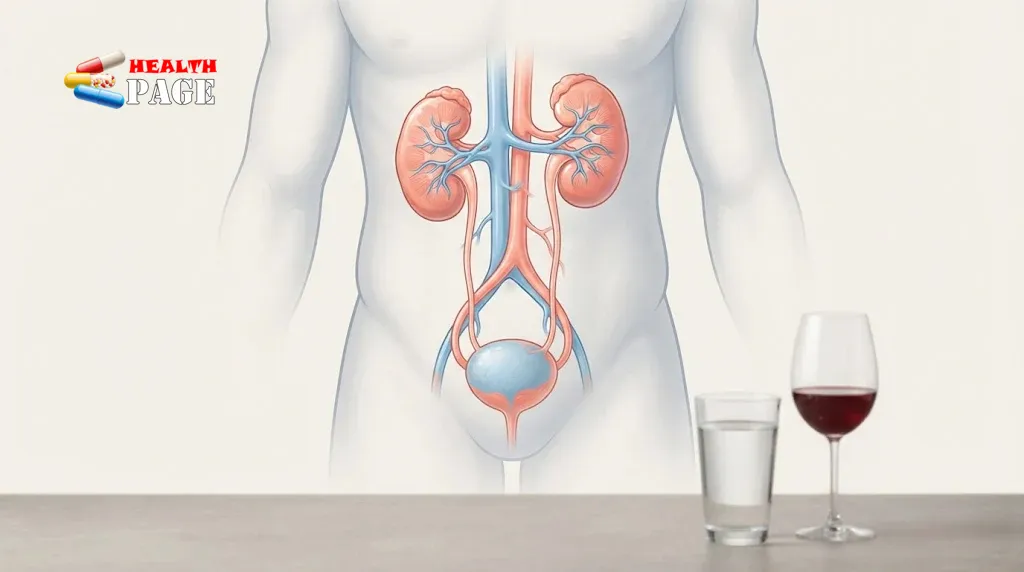
Many people notice that a night out changes how their bladder behaves: more trips to the toilet, a sudden urge that is hard to ignore, or a flare-up of cystitis, prostatitis or stone pain a day or two later. This is not coincidence. Alcohol and the urinary system interact in several ways. Alcohol makes you produce more urine, it can irritate the bladder lining, it can disturb the signals that control urination, and it interferes with certain urinary medicines.
The effect varies a great deal between people and conditions. For overactive bladder, bladder infections and some medicines, the advice to cut back is well established. For kidney stones and bladder cancer, the evidence is more mixed than many articles suggest, and the details are covered below.
Why alcohol changes how you urinate
It makes your kidneys release more water
Alcohol suppresses antidiuretic hormone (ADH, also called vasopressin), the hormone that tells your kidneys to hold on to water. With less ADH, you pass larger volumes of dilute urine. That is why you often need the toilet soon after your first drink, and why alcohol can leave you dehydrated even though you are drinking liquid. Heavy drinking can also increase losses of minerals such as magnesium, and a shortage has its own early signs of magnesium deficiency, including cramps and fatigue.
It can irritate the bladder
Dehydration makes urine more concentrated, and concentrated urine can irritate the bladder lining. Patient information from Bladder and Bowel Community makes a useful distinction: alcohol does not cause incontinence, but it can make existing bladder symptoms worse. The same source notes that concentrated urine makes a urinary tract infection more likely.
It affects the nervous control of the bladder
Alcohol is a depressant, so it dulls the brain’s awareness of a filling bladder and weakens the coordination that normally keeps you in control. Some people feel they can “hold on” for longer while drinking, then face a sudden, urgent need to go. Heavy intoxication can also impair the ability to empty the bladder properly, which matters most for men with an enlarged prostate.
It raises uric acid in some people
Beer contains purines, and alcohol in general can raise blood uric acid levels. This is the main link between alcohol and gout, and it is why alcohol is often mentioned alongside uric acid stones. How much this matters depends on your own stone type and metabolism.
Alcohol and overactive bladder
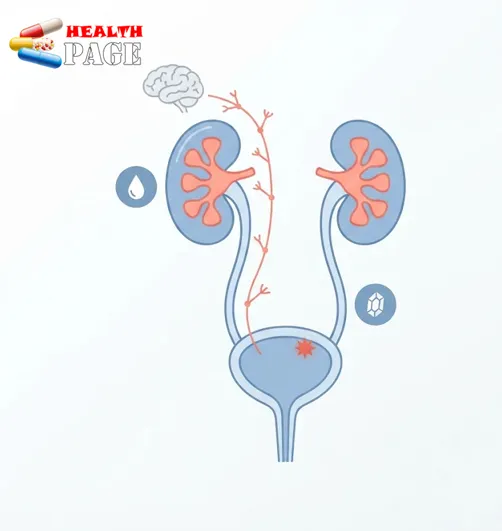
Overactive bladder (OAB) is defined by sudden, hard-to-delay urges to urinate, often with frequency, night-time waking and sometimes leakage. Alcohol tends to make all of these worse, because more urine reaches an already sensitive bladder faster, and the lining may react to it.
The NHS advice on urinary incontinence is to cut down on alcohol and caffeinated drinks, since both can increase urine production and irritate the bladder. Reducing alcohol is a sensible first step alongside bladder training and pelvic floor exercises.
One widespread belief deserves a direct answer: that a drink “relaxes the bladder” and helps OAB. Alcohol may blunt the urge for a while, but the increased urine volume and later irritation usually outweigh that, and the next day’s concentrated urine can make symptoms worse.
Alcohol, cystitis and urinary tract infections
Alcohol does not directly cause a urinary tract infection (UTI), but it can make one more uncomfortable and, in some situations, more likely. Dehydration lets urine concentrate, which means the bladder is flushed less regularly. Concentrated urine can also sting more when the lining is already inflamed, so burning and urgency may feel worse during a flare-up.
If you have a UTI, it is sensible to avoid alcohol until you recover. It will not help you heal, and it may add to dehydration, nausea or fatigue. If you are on antibiotics, check the leaflet. Most commonly prescribed UTI antibiotics have no strict alcohol rule, but metronidazole is an important exception, covered in the medicines section below.
Seek prompt medical advice if a UTI comes with fever, shivering, back or side pain, vomiting, or blood in the urine, as these can suggest a kidney infection.
Alcohol and kidney stones: the evidence is not what you might expect
Many articles state flatly that alcohol raises stone risk and that beer is the worst drink for stones. The research does not support that.
Large prospective studies of beverage intake have found lower kidney stone risk among people who drink beer or wine. A study of three large cohorts in the Clinical Journal of the American Society of Nephrology reported lower risks with coffee, tea, beer, wine and orange juice, and higher risks with sugar-sweetened sodas and punch. A 2024 analysis of US national survey data (NHANES) also found lower odds of prevalent kidney stones among beer and wine drinkers, although the authors said future prospective studies are needed to clarify cause and effect.
This does not mean drinking alcohol protects you from stones. Researchers have been explicit that they are not recommending alcohol for this purpose. The likely explanation is that these drinks add to total fluid intake and urine volume, which is the real protective factor. The practical message is more modest:
- Water remains the best choice. Staying well hydrated is the core advice for preventing stones.
- Heavy drinking is still a poor strategy. It causes dehydration and carries serious risks for other organs.
- Gout and uric acid stones are a separate issue. If you have gout, or have been told your stones are uric acid stones, discuss alcohol, especially beer, with your doctor or dietitian.
If you have had a stone, your stone type determines the most useful advice. Ask your urologist or GP rather than relying on general rules.
Alcohol and the prostate
Prostatitis and chronic pelvic pain
Men with chronic prostatitis or chronic pelvic pain syndrome often report that alcohol is a trigger, alongside spicy food, stress and long periods of sitting. Triggers differ between individuals. A short symptom diary can show whether drinking lines up with your flare-ups, and if it does, cutting back is reasonable.
Benign prostatic hyperplasia (BPH)
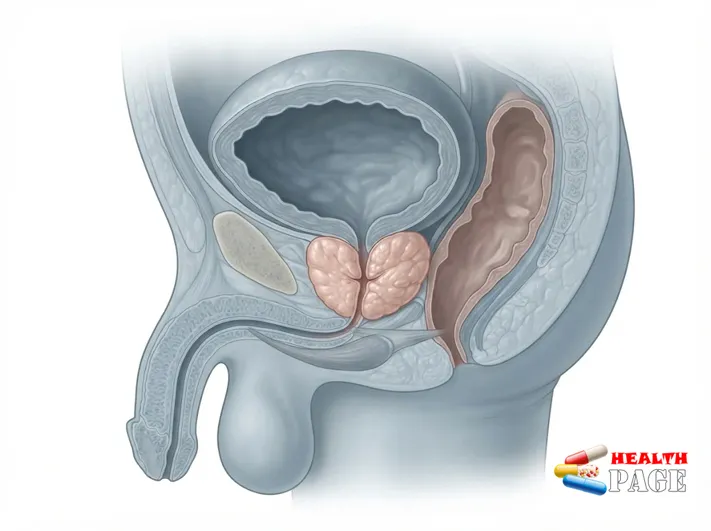
In men with an enlarged prostate, the main risk is acute urinary retention, which means suddenly being unable to pass urine. A heavy drinking session can be a trigger, because alcohol increases urine production while also reducing the sensation and control needed to empty the bladder. The result is an overfull, painful bladder.
If you cannot pass urine at all, or can only produce a few drops while feeling a painful, full bladder, treat it as an emergency and seek urgent medical care rather than waiting to see whether it passes.
Alcohol and the kidneys
Short-term effects are mostly about hydration. Alcohol-related dehydration and electrolyte shifts can leave you feeling unwell, and in otherwise healthy people they settle once you rehydrate.
The larger risks come from regular heavy drinking over time. Persistent alcohol misuse can contribute to high blood pressure and liver disease, and both can indirectly harm the kidneys. Severe intoxication can also, rarely, cause muscle breakdown (rhabdomyolysis), which can injure the kidneys. If you have chronic kidney disease, ask your kidney team what level of alcohol, if any, is appropriate for you.
Alcohol and bladder cancer: weaker evidence than often claimed
Acetaldehyde, produced when the body breaks down alcohol, is classified by the International Agency for Research on Cancer as a Group 1 carcinogen. That classification concerns alcohol-related cancers in general and does not show that alcohol causes bladder cancer specifically.
The evidence for the bladder is inconsistent. A European cohort of over 476,000 people found a small, statistically non-significant overall increase, with some higher-risk signals in men and smokers that the authors thought might reflect confounding by smoking. A pooled analysis of ten Japanese cohorts found no significant association. Smoking remains the leading modifiable risk factor for bladder cancer.
That does not make alcohol harmless. The World Cancer Research Fund states that drinking any type of alcohol raises the risk of seven cancers and that there is no safe level. In the UK, the guideline is no more than 14 units a week, spread over at least three days. Bladder cancer is not among the cancers it lists. If you notice blood in your urine, see your GP promptly regardless of your drinking habits, and you can read more in HealthPage’s cancer section.
Alcohol and urinary medicines
| Medicine | What to know |
|---|---|
| Metronidazole | Avoid alcohol during treatment and for 2 days afterwards. Reactions include nausea, vomiting, stomach pain, flushing and palpitations. |
| Alpha-blockers (e.g. tamsulosin) | Both can lower blood pressure or cause dizziness. Take extra care when standing up, and check the patient leaflet. |
| Bladder-calming medicines (e.g. oxybutynin, solifenacin) | These can cause drowsiness or dizziness in some people, and alcohol may add to this. Be careful if driving. |
| Other antibiotics | Most have no strict alcohol rule, but alcohol can worsen side effects such as nausea. Ask your pharmacist if unsure. |
The NHS guidance on metronidazole is clear: do not drink alcohol while taking it, and continue to avoid it for 2 days after you finish. For other medicines, the patient leaflet and your pharmacist are the most reliable sources, because advice differs between products and individuals.
Practical ways to reduce the impact
You do not need to follow every step below. Choose the ones that match your situation.
- Know your condition’s rule of thumb. For active infections, prostatitis flare-ups or worsening OAB, avoiding alcohol altogether is the simplest advice. In stable periods, some people tolerate small amounts.
- Alternate with water. This does not remove bladder irritation, but it reduces dehydration.
- Eat first. Food slows absorption and may soften the peak effect.
- Stop earlier in the evening. If nocturia is your main problem, finishing alcohol a few hours before bed gives your body time to process the extra fluid. Results vary between people.
- Be honest with your doctor. A clinician cannot judge whether treatment is working if they do not know how much you drink.
When to seek urgent help
- You cannot pass urine, or can only pass a few drops while in pain.
- You have blood in your urine, or dark brown urine after heavy drinking, particularly with muscle pain or weakness.
- You have fever, shivering, vomiting or side or back pain with urinary symptoms.
- You feel very unwell after drinking while taking metronidazole.
Frequently asked questions
Is beer good for flushing the kidneys?
No. Beer increases urine output, but alcohol also promotes dehydration, so it is a poor substitute for water. Some large studies have found lower stone risk among beer drinkers, but researchers do not recommend drinking for that reason.
Why does my bladder feel worse the day after drinking?
Dehydration can make urine more concentrated, which may irritate the bladder. Poor sleep and a bladder that was overfilled the night before can also add to urgency and frequency.
Can a single glass of wine make a bladder infection worse?
It may not worsen the infection itself, but it can add to discomfort through dehydration and concentrated urine. During an active infection, most people feel better avoiding alcohol.
Is it safe to drink with an enlarged prostate?
Many men tolerate moderate drinking, but heavy drinking is a recognised trigger for acute urinary retention. If you have BPH, drink in moderation, stay within UK guidelines, and avoid drinking to the point of intoxication.
Does alcohol cause incontinence?
Not on its own, but it can make leakage and urgency worse in people who already have bladder control problems.
Conclusion
The relationship between alcohol and the urinary system comes down to a few mechanisms: more urine, a more irritable bladder, weaker control, and, for some people, higher uric acid. The advice is clearest for overactive bladder, active infections, prostatitis flare-ups, enlarged prostate and medicines such as metronidazole, where cutting back or avoiding alcohol is sensible. For kidney stones and bladder cancer, the evidence is more nuanced than many popular articles suggest, and your own diagnosis matters more than a general rule.
If alcohol seems to be affecting your urinary symptoms, tell your GP or urologist what you actually drink. That one conversation often makes diagnosis and treatment more accurate.
References
- NHS. Urinary incontinence.
- NHS. Common questions about metronidazole.
- Clinical Journal of the American Society of Nephrology. Prospective study of beverage intake and kidney stone risk in three cohorts (PubMed Central).
- World Cancer Research Fund. Alcohol and cancer.

Medical Reviewer: Dr. He Feng, MD
Specialist in Urology & Andrology | Clinical Contributor
Dr. He Feng is an expert urologist and andrologist practicing at
Beijing Jishuitan Hospital, widely recognized as the
Fourth Medical College of Peking University in China. With extensive clinical experience
in advanced genitourinary health, Dr. Feng specializes in the diagnostic assessment, management,
and treatment of complex urological conditions, obstructive urinary disorders, and male reproductive health.
His medical contributions on HealthPage focus on translating complex urological pathologies—such
as prostate health, urolithiasis (kidney stones), and renal system care—into highly accessible,
evidence-based guidance for patients globally.
Clinical Affiliation & Triage:
Beijing Jishuitan Hospital (The Fourth Medical College of Peking University)
Professional Inquiries:
[email protected]