

Dental Dam: What It Is, How to Use It, and 5 Safety Tips
Medical Disclaimer: The article titled “Dental Dam: What It Is, How to Use It, and 5 Safety Tips”, written by Dr. He Feng (Urology and Andrology), is provided for informational and educational purposes only. It is not intended to be a substitute for professional medical advice, diagnosis, or treatment. Always seek the advice of your physician or other qualified health provider with any questions you may have regarding a medical condition.
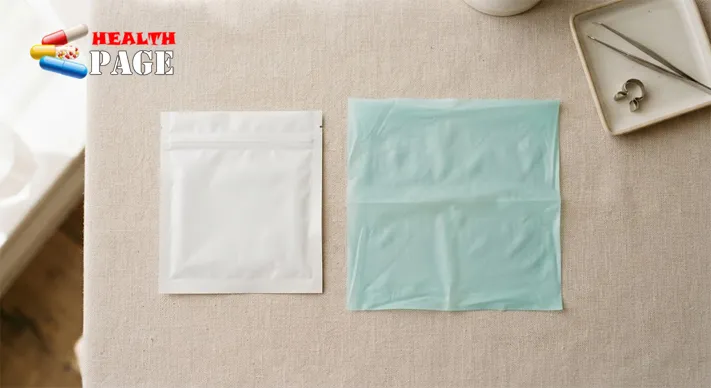
A dental dam is a thin, flexible square of latex or polyurethane that sits between the mouth and a partner’s vulva or anus during oral sex. It works as a physical barrier, limiting contact with body fluids and with skin or mucous membranes that might carry an infection. The name trips people up, since it sounds like something from a dentist’s office, and that confusion can make the practical questions harder to ask: where does it go, how long does it stay there, and how much protection does it really give?
This guide answers those questions in plain language, using guidance from the US Centers for Disease Control and Prevention (CDC). It is also direct about the limits. A barrier lowers the chance of passing on or catching an infection, but it does not remove the chance altogether.
What Is a Dental Dam Used For?
In sexual health, a dental dam is a sheet of latex or polyurethane used during oral contact with the vulva (cunnilingus) or the anus (anilingus, sometimes called rimming). CDC guidance on dental dams describes it in almost exactly those terms. The sheet is laid flat over the area, so the mouth touches the barrier rather than the skin.
The same phrase has a second meaning in dentistry, where a rubber sheet isolates one or more teeth from saliva while a clinician works on them. The two products share a name and a general idea (a thin sheet that separates two areas), but they are made for different jobs. For sexual use, look for a product that is clearly labelled for that purpose.
So what is a dental dam used for in practice? Mainly one thing: oral sex protection. The CDC notes that many sexually transmitted infections (STIs) can spread through oral sex, and that anyone exposed to an infected partner can pick up an infection in the mouth, throat, genitals or rectum. Many STIs cause no symptoms, which means a partner can pass one on without knowing they have it. That is the main reason barriers exist for oral sex, and it is the reason a dental dam for oral sex makes sense for anyone who is not certain of both partners’ current status.
How a Dental Dam Works
The mechanism is simple. Infections that spread during oral sex move through fluids (vaginal fluid, blood, semen) or through contact between skin and mucous membranes. A dam placed flat over the vulva or anus separates the mouth from both. Nothing passes through intact latex or polyurethane, so the contact that would normally allow transmission is blocked wherever the sheet covers.
That last phrase matters. Protection only extends as far as the barrier does, which is why coverage and positioning come up repeatedly in the sections below.
Two materials are common. A latex dental dam is the traditional option and is widely sold. A non-latex dental dam, typically polyurethane, suits anyone with a latex allergy or sensitivity. The CDC lists both latex and polyurethane as appropriate materials, so check the packaging rather than assuming.
How to Use a Dental Dam, Step by Step
Knowing how to use a dental dam correctly takes less effort than most people expect. The CDC’s illustrated instructions boil down to a short sequence:
- Check the package. Read the label and confirm the expiry date has not passed.
- Open it carefully. Tear the packet along the edge instead of using scissors or teeth, then unfold the sheet.
- Inspect the sheet. Look for tears, holes or sticky patches. If anything looks wrong, use a new one.
- Lay it flat. Place it so it covers the vaginal opening or the anus before any oral contact begins.
- Keep it there. Hold it in place until the activity is over, without stretching it.
- Dispose of it. Throw the used dam in the bin once you have finished.
Dental Dam, Condom or Homemade Barrier?
People often ask whether a condom can do the same job. It can in some situations, but the right barrier depends on the type of oral contact.
| Barrier | Used for | Worth knowing |
|---|---|---|
| Dental dam | Oral contact with the vulva or anus | Made as a flat sheet, so it needs no cutting |
| External condom (unrolled) | Oral contact with the penis | The CDC advises a non-lubricated latex condom for this |
| Condom cut into a flat sheet | Oral contact with the vulva or anus when no dam is available | Must be latex or polyurethane; see the next section |
The three options are related but not interchangeable. A dam is not designed to wrap around a penis, and a rolled condom does not cover the vulva or anus. Matching the barrier to the activity is part of using it correctly.
Making a Dental Dam From a Condom
If you cannot get a purpose-made dam, a condom can be turned into a flat barrier. The CDC’s instructions run as follows: open the package, remove the condom and unroll it, cut off the tip, cut off the base, then cut down one side so it opens into a flat rectangle. Lay it flat over the vaginal opening or anus. The CDC adds a condition that is easy to overlook: the condom must be latex or polyurethane.
A homemade dental dam from a condom is a reasonable fallback, not an upgrade. A purpose-made dam is larger and easier to position, so a cut condom may leave less margin for slipping. Choose an unlubricated condom where you can, check it for damage before cutting, and use a fresh one each time.
5 Dental Dam Safety Tips
The steps above cover the mechanics. These dental dam safety tips cover the judgement calls that decide whether the barrier actually does its job.
1. Treat the packet as part of the check. Expiry dates exist because latex and polyurethane degrade over time, and old stock tears more easily. The CDC also recommends storing dams somewhere cool and dry. A packet kept in a hot car or a bathroom cabinet near a radiator is a poor bet.
2. Position it before contact, and keep the same side facing the skin. Once the mouth touches a dam, the side facing the vulva or anus is the side that has had contact with it. Flipping it over defeats the purpose. The CDC’s guidance is to put the dam on before starting and keep it on until finished, and it warns against stretching it, since that makes tearing more likely.
3. Pick the right lubricant. Water-based or silicone-based lubricants are the ones the CDC recommends for preventing breakage. A water-based lubricant for dental dams also reduces friction, which helps the sheet stay put and feel more comfortable. Oil-based products, including baby oil, lotion, petroleum jelly and cooking oil, can cause latex to break, and the CDC also says to avoid spermicides containing nonoxynol-9 because they can cause irritation. If dryness is a recurring problem rather than a one-off, our guide to vaginal dryness covers possible causes and treatments worth discussing with a clinician.
4. Use a new one each time, and bin it afterwards. Never reuse a dental dam, even within the same session. If you move between activities (from the anus to the vulva, for example), using a fresh barrier is the sensible choice. The CDC says not to flush used dams, since they can block toilets.
5. Remember it is one layer of protection, not the only one. A dam reduces risk during oral sex. It does not replace regular STI testing, vaccination where it is recommended, or an honest conversation with a partner about sexual health. The next section explains why.
Do Dental Dams Prevent STIs?
The accurate answer is that they reduce the risk, and the amount of reduction depends on the infection and on the area covered. The CDC states that using a condom, dental dam or other barrier method correctly every time you have oral sex can lower the risk of giving or getting an STI. It stops well short of promising complete prevention, and so should any article on the topic.
Two features of the infections themselves explain the gap:
- Skin-to-skin spread. Herpes, HPV and syphilis can spread through contact with infected skin, sores or warts. A dam only covers the area it sits on, so an affected patch just outside its edge is not protected.
- Symptom-free infection. The CDC points out that many STIs have no signs, so you cannot judge a partner’s status by looking.
The picture is different for HIV. The CDC reports that there is little to no risk of getting or transmitting HIV from oral sex, though the other infections it lists (including chlamydia, gonorrhoea, herpes, syphilis and HPV) remain possible. It also notes that mouth and throat infections with certain types of HPV can develop into oral or neck cancer, which is one reason this topic deserves a bit more attention than it usually gets. You can read the full overview in the CDC’s page on STI risk and oral sex.
A dental dam is also not a contraceptive, and nobody should rely on it to prevent pregnancy. It is designed only as a barrier for oral contact.
Testing still matters
Barriers and testing work together. If you have a new partner, more than one partner, or any reason to think you may have been exposed, a sexual-health clinic or a GP can advise on which tests make sense. Throat and rectal infections do not always show up on a standard genital test, so it helps to tell the clinician what kinds of sex you have. For background on common infections, their symptoms and how testing works, HealthyPost has a guide to STI symptoms, testing and prevention.
What to Do if the Barrier Slips or Tears
Stop, remove the damaged barrier and replace it with a new one before continuing. If the dam was reused by accident, or you think the sheet tore or moved enough to allow direct contact, treat it as a possible exposure. A clinician or sexual-health service can tell you whether testing, treatment or a follow-up check is appropriate in your situation. Waiting for symptoms is not a reliable plan, because many infections never produce any.
Where to Buy Dental Dams
Availability varies by country and region. Sexual-health clinics sometimes provide dams free or cheaply, some pharmacies stock them, and reputable online retailers sell ready-made versions. The CDC notes that ready-to-use dental dams can be bought online. Whichever source you choose, check three things on the packet: that it is intended for sexual use, what material it is made of, and the expiry date.
Dental Dam FAQs
Can I reuse a dental dam or turn it over? No to both. The CDC says never to reuse one, and turning it over brings the contaminated side back toward the skin. Use a new sheet for each occasion.
Do dental dams prevent pregnancy? No. They are a barrier for oral contact and have no role in preventing pregnancy. If pregnancy prevention matters to you, a clinician or pharmacist can talk you through contraception.
Do I need a dental dam for oral sex on a penis? No. For oral contact with the penis, the CDC recommends a non-lubricated latex condom, not a dam.
What if I am allergic to latex? Choose a polyurethane dam or another product clearly labelled as latex-free, and check the packaging. The CDC names polyurethane as an accepted material. A pharmacist can help if you are unsure which products suit you.
If I am tested regularly, do I still need a barrier? That is a personal decision based on your partners, their test dates and the infections you were tested for. Routine screening does not cover everything in every location, and results only reflect the time of the test, so many people use both.
Final Thoughts
A dental dam is a simple, inexpensive way to add protection to oral sex, and it takes a few seconds to use. Check it, place it before contact, keep it flat and in place, use a compatible lubricant and throw it away afterwards. Pair it with regular testing and open conversations with partners, and keep expectations realistic: it lowers risk without erasing it. If you have questions about your own situation, a sexual-health clinic is the best next step, and HealthPage’s Gyne section has further reading on reproductive health.
References
- Centers for Disease Control and Prevention (CDC). How to Use a Dental Dam
- Centers for Disease Control and Prevention (CDC). About STI Risk and Oral Sex

Medical Reviewer: Dr. He Feng, MD
Specialist in Urology & Andrology | Clinical Contributor
Dr. He Feng is an expert urologist and andrologist practicing at
Beijing Jishuitan Hospital, widely recognized as the
Fourth Medical College of Peking University in China. With extensive clinical experience
in advanced genitourinary health, Dr. Feng specializes in the diagnostic assessment, management,
and treatment of complex urological conditions, obstructive urinary disorders, and male reproductive health.
His medical contributions on HealthPage focus on translating complex urological pathologies—such
as prostate health, urolithiasis (kidney stones), and renal system care—into highly accessible,
evidence-based guidance for patients globally.
Clinical Affiliation & Triage:
Beijing Jishuitan Hospital (The Fourth Medical College of Peking University)
Professional Inquiries:
[email protected]