
Hair Removal Cream for Genitals: 5 Safety Risks to Know
Most people reach for a depilatory cream because it promises smooth skin without a razor. That convenience is exactly why many wonder whether hair removal cream for genitals is a reasonable shortcut or an expensive mistake. The short answer is that these products are built to dissolve hair protein with strong chemicals, and the skin of the genitals is thinner and more reactive than the skin on your legs. One gynecologist writing for the American College of Obstetricians and Gynecologists (ACOG) says she does not recommend depilatory creams, because their chemicals can be very irritating to the genital area. Some products do carry manufacturer instructions for limited intimate use, so the label matters, but the medical caution is worth understanding before you buy anything. acog
Is hair removal cream safe for private parts?
Not as a general rule. “Private parts” covers very different types of skin, and the answer changes depending on where the cream would go.
The outer bikini line, meaning the hair on the upper thighs and the lower edge of the pubic area, is ordinary skin that some creams are formulated for. The mucosal and highly delicate tissues are a different matter. These include the vulva, the penis and scrotum, and the area around the anus. Mainstream medical guidance leans toward keeping chemical depilatories away from them, and a patch test cannot change that. A patch test checks whether your skin reacts to a product on a forearm or inner thigh. It does not tell you whether tissue that is thinner and more absorbent will tolerate the same chemicals.
Pubic hair removal is a personal choice and isn’t medically necessary. ACOG’s patient guidance notes there is no medical or hygienic reason to remove pubic hair, and that some removal methods can raise infection risk or cause injury. If you decide to groom, the aim is to pick the method with the lowest risk for the area involved. acog
How depilatory creams work, and why that matters here
Hair removal creams contain thioglycolate compounds, along with alkaline ingredients that raise the product’s pH. Together they break the chemical bonds in keratin, the protein that makes up hair, until the strand softens enough to wipe away. The cream cannot tell hair protein from skin protein. Skin is also made largely of keratin, just in a living, layered form.
That explains why timing and skin type matter so much. Cleveland Clinic notes that creams left on too long can cause chemical burns ranging from first to third degree, and warns against using a cream designed for leg hair on facial or pubic hair. Genital skin makes the margin for error smaller. It has a richer blood supply and more nerve endings, and it stays warm and moist under clothing, all of which can intensify a reaction. clevelandclinic
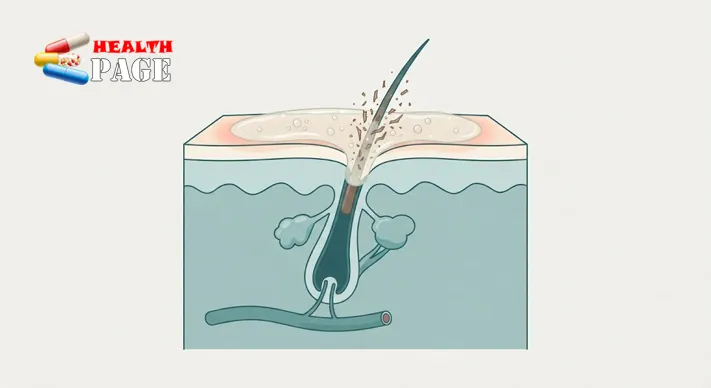
5 safety risks of hair removal cream for genitals
These five risks overlap, and one injury can involve several of them at once.
1. Chemical burns
A chemical burn is the most serious risk, and it can appear fast. Early signs include stinging or burning that intensifies instead of fading, skin that turns bright red or white, and later blistering or raw, weeping skin. A published case report titled “Always read the label” describes a 32-year-old man who developed deep dermal burns, genital swelling and painful urination after accidentally applying depilatory cream to his penis, and who was managed conservatively in a burns unit. One case does not tell us how often this happens, but it shows what is possible when a product meets tissue it was never meant for. qxmd
2. Irritation and redness
Even without a burn, many people notice stinging, itching or a flushed, tight feeling. This kind of irritation is one of the most common genital hair removal cream side effects. Skin that is already sensitive, recently shaved or waxed, or dry from eczema is more likely to react. A gentle, minimal routine afterward helps, and the same principles in this dermatologist-reviewed guide on skincare steps for sensitive skin apply to the groin: fragrance-free products, no scrubbing, and patience while the barrier recovers.
3. Allergic or contact reactions
Some people react not to the hair-dissolving chemicals but to fragrances, preservatives or plant extracts in the formula. Allergic contact dermatitis can show up a day or two after exposure as an itchy, bumpy or blistering rash, which makes it easy to blame the wrong thing. A prior tolerance does not guarantee future tolerance, since formulas change and skin changes with them.
4. Injury to delicate genital surfaces
This is the risk that separates the genital area from the rest of the body. The penis, scrotum, vulvar tissues and the skin around the anus are not simply a continuation of the bikini line. Thin, folded, moist skin holds product in place and can let it reach tissue that rinses off poorly. Where there is any doubt about where a product can legally and safely go, the label wins over any article, including this one.
5. Delayed treatment
Many injuries get worse because someone waits. A mild tingle is easy to dismiss, and a person may leave the cream on for the full time out of habit, hoping the sensation passes. Burning that builds is a reason to wash the product off at once, not a sign that the cream is “working.” Waiting also pushes the decision to seek care later, when swelling or open skin has already developed.
Where the bikini line ends and the genital area begins
Hair removal cream for pubic hair is where most of the confusion happens, because manufacturers and medical sources draw the lines differently. The table below summarizes the general pattern. It is a guide to reading labels, not a list of approved uses.
| Area | General medical caution | What to check |
|---|---|---|
| Bikini line and upper thighs | Lower risk, but still irritating for some | Label states it is suitable for the bikini area |
| Pubic mound (hair-bearing skin above the genitals) | Caution advised | Label names this area specifically |
| Vulva (the outer female genitalia) | Generally advised against | Whether the label excludes it |
| Penis and scrotum | Generally advised against; case reports of burns | Whether the label excludes it |
| Skin around the anus | Generally advised against | Whether the label excludes it |
A few practical points follow from this. A product sold for “sensitive skin” is not automatically cleared for genital use, and a product marketed for men’s intimate grooming may have different permitted areas from a bikini cream. The words on the actual tube or box for the version you hold, rather than a brand’s general reputation, are what count. For anything that is not clearly permitted on the label, the safer assumption is that it is excluded. If you want to understand the female genital anatomy involved, the gynecology guides at HealthPage are a reasonable place to start.
What to do if the cream burns or irritates
Act on the first sign of burning. If you notice stinging that is getting stronger, don’t wait for the full application time.
Remove the cream right away, using a damp cloth or running water, and rinse the area with cool running water for an extended period, ideally 10 to 20 minutes. Avoid hot water. Don’t try to “neutralise” the chemical with vinegar, lemon, baking soda or anything else, because a second chemical can add to the damage. Pat the skin dry gently and keep loose, soft clothing against the area. A fragrance-free, plain moisturiser can comfort mild redness once the skin has cooled.
Seek prompt medical assessment through a doctor, urgent care or an emergency department if you have severe or lasting pain, blisters, swelling, open or weeping skin, difficulty passing urine, or burns involving the penis, scrotum, vulva or anus. These are not situations to manage at home. If the skin has broken open, resist the urge to apply leftover antibiotic ointment without advice, as this overview of using antibiotic ointment on an open wound explains.
Sometimes persistent redness and itching in the groin turns out not to be a product reaction at all. A fungal rash such as jock itch can look similar and needs a different treatment, so a rash that doesn’t settle within a few days deserves a professional look.
Alternatives to hair removal cream for genitals
None of the other methods is risk-free, and each one trades one problem for another. The table summarizes the main options.
| Method | Main benefits | Main risks |
|---|---|---|
| Electric trimmer | Low risk of cuts; leaves some hair | Needs a clean device; not a close finish |
| Shaving | Fast and cheap | Cuts, razor burn, ingrown hairs |
| Waxing by a trained professional | Longer-lasting; no chemicals | Pain, burns from hot wax, folliculitis |
| Laser hair reduction | Lasting reduction in hair | Cost; burns or pigment change; needs a qualified provider |
| Leaving hair intact | No procedure risk | Only a matter of personal preference |
For safe pubic hair grooming, an electric trimmer for pubic hair is usually the gentlest starting point, because the blade never touches skin directly when used with a guard. Clean the device before and after use and trim on dry skin. Shaving works best on trimmed hair with a clean, sharp razor, a lubricating gel and strokes in the direction of growth, which reduces but does not remove the chance of razor burn. Waxing is best left to a trained professional who understands the area, and laser reduction should only be performed by a qualified provider, since the results are gradual rather than permanent in every case.
Frequently asked questions
Is a patch test enough to make a cream safe for genital skin?
No. A patch test only shows whether your skin reacts to the product on a small, ordinary area. It does not make a product appropriate for an area its label excludes, and genital skin can react differently from your forearm.
Can I use the same cream I use on my legs?
Leg creams are designed for thicker, less sensitive skin and usually have longer application times. Using one near the bikini line or pubic area is a common way people end up with burns. Check the label for the exact body areas it covers.
How long should I leave the cream on?
Never longer than the shortest time stated on the pack, and remove it earlier if it burns or stings. Treat the stated time as a maximum rather than a target.
Can hair removal cream cause long-term damage?
Most mild reactions settle. Deeper chemical burns can leave scarring or changes in skin colour, and the case report above shows that serious injuries are possible. We do not have reliable figures for how often that happens.
When should I see a doctor?
Seek care for blistering, open skin, swelling, severe or growing pain, trouble passing urine, or any burn near the penis, scrotum, vulva or anus. A rash that lingers despite a few days of gentle care also deserves a check.
Conclusion
Hair removal cream for genitals carries a different risk profile from the same product on your legs, mainly because the skin involved is thinner, more reactive and harder to protect. Medical guidance leans against using chemical depilatories on the genital area itself, products differ in what their labels allow, and a patch test can never override that. If you want to remove hair, a guarded trimmer or a professional service usually involves fewer surprises, and leaving the hair alone is a perfectly good option. For more evidence-based reading on everyday skin concerns, the dermatology guides at Healthy Post cover related topics.
References
- Cleveland Clinic, A Deep Dive on Depilatory Creams
- American College of Obstetricians and Gynecologists (ACOG), To Shave or Not to Shave: An Ob-Gyn’s Guide to Pubic Hair Care
- International Wound Journal (August 2013), Always read the label: a case report of a penile burn

Dr. Jacob Cote, MD, FRCPC, is a board-certified dermatologist practicing at The Ottawa Hospital in Ontario, Canada. Specializing in medical dermatology, clinical skin pathology, and advanced acne therapies, Dr. Cote brings years of institutional hospital experience to the editorial board. He is dedicated to translating complex, evidence-based dermatological research into practical preventative skin health strategies for everyday readers. At HealthPage, he ensures all clinical guidelines and skincare recommendations are rigorously reviewed and align with current Canadian Dermatology Association standards.