
Quickest Way to Get Rid of Ingrown Hairs: 7 Safe and Effective Tips
The information provided in the article “Quickest Way to Get Rid of Ingrown Hairs: 7 Safe and Effective Tips”, written by Dr. Jacob Cote (Dermatology), is intended for general informational and educational purposes only. While authored by a medical professional, this content does not constitute personalized medical advice, diagnosis, or treatment, and reading it does not establish a doctor-patient relationship. Always seek the advice of your physician, dermatologist, or other qualified healthcare provider with any questions you may have regarding a skin condition or before attempting new skincare treatments. Never disregard professional medical advice or delay seeking it because of something you have read in this article. If you experience signs of a severe skin infection—such as spreading redness, significant swelling, warmth, pus, or fever—seek prompt medical attention.
The quickest way to get rid of ingrown hairs is less dramatic than most people hope. Stop removing hair from the area, soften the skin with a warm compress, and leave the bump alone while the hair works its way out. Most ingrown hairs settle without medical treatment, and the steps that speed things up mostly involve not making the irritation worse. This guide covers what causes ingrown hairs, seven practical ways to deal with one, how to avoid new bumps after shaving, and the signs that mean it’s time to see a professional.
What Are Ingrown Hairs?
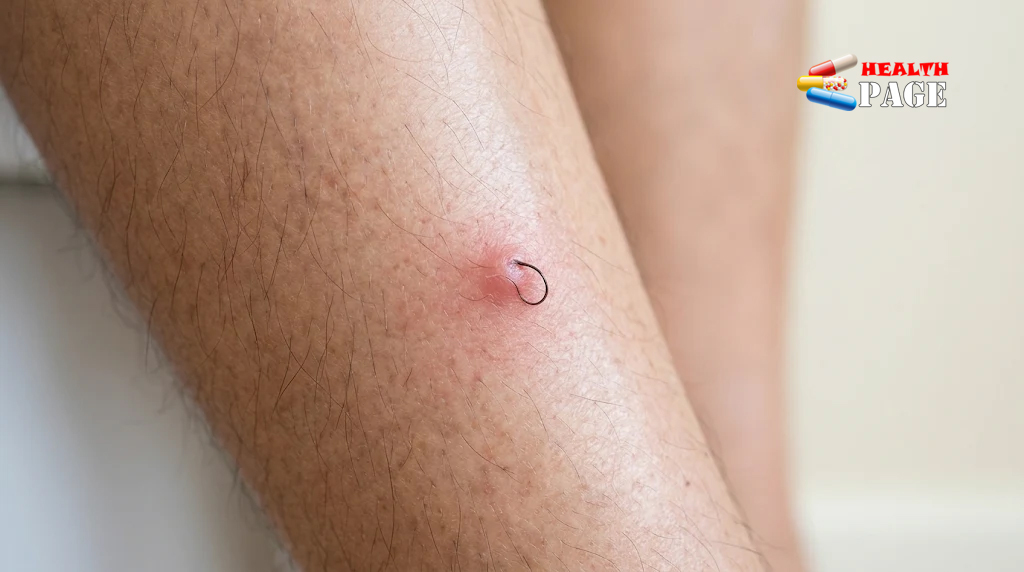
An ingrown hair is a hair that grows back into the skin instead of rising out of it. The skin reacts to the trapped hair much as it would to a splinter, with a small, often itchy bump.
The NHS describes the typical picture: raised bumps that may look red on white skin and a different shade from the surrounding skin on black or brown skin. You can sometimes see the hair trapped underneath. Infected ingrown hairs tend to be more painful and may contain pus. They are most common where people shave, wax or pluck: the face and neck, legs, armpits, chest, back and pubic area. Coarse or curly hair makes them more likely.
Most of these bumps are a nuisance rather than a danger. A minority become infected or leave dark marks or scars, which is why the “when to get help” section below matters.
What Causes Ingrown Hairs?
Ingrown hairs are mainly a hair-removal problem rather than a hygiene problem. Several habits and traits contribute:
- Close shaving. Cutting a hair very short leaves a sharp tip that can curl back into the skin. The Primary Care Dermatology Society explains that after close shaving, plucking or waxing, sharp hair ends can pierce the follicle wall and trigger inflammation.
- Shaving against the grain. It gives a closer result but makes it easier for the cut hair to re-enter the skin.
- Curly or coarse hair. A strongly curved hair is more likely to bend back toward the surface as it grows.
- Blocked follicles. Dead skin cells can build up over a follicle opening and send the hair sideways.
- Waxing and tweezing. Pulling hairs out can change the way they regrow.
- Repeated shaving. Shaving the same irritated patch again and again keeps the skin inflamed.
- Friction. Tight leggings, waistbands and straps rub already sensitive skin, especially around the thighs and bikini line.
What Is the Quickest Way to Get Rid of Ingrown Hairs?
There is no instant fix, and treatments that promise one deserve some skepticism. These seven approaches are practical steps rather than guaranteed cures. Some soothe inflammation, some help a hair near the surface release, and some prevent a repeat.
1. Apply a Warm Compress
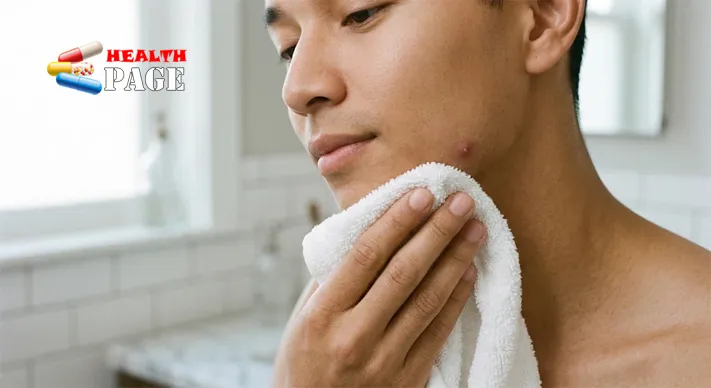
Warmth softens the skin and can help a hair close to the surface work its way out. Soak a clean washcloth in comfortably warm water, wring it out and hold it over the bump for about 5 to 10 minutes. Repeat a few times a day. The water should feel pleasant, never hot, because scalded skin is more inflamed skin.
Resist squeezing the bump afterward, even if it looks ready.
2. Stop Shaving or Waxing Temporarily
Every pass of a razor over an inflamed follicle irritates it again. Pausing hair removal in the affected area is the most useful single step, and it matters most for recurring razor bumps. Avoid waxing, threading and tweezing there too.
The Primary Care Dermatology Society notes that skin often settles about four to six weeks after shaving stops in people with persistent shaving bumps. A single bump will usually clear sooner, but the figure shows why patience beats picking.
3. Use Gentle Exfoliation
Exfoliating helps remove the dead skin that can cover a follicle opening. Mild options include a soft washcloth or a leave-on product with salicylic acid or glycolic acid, which loosen dead cells chemically instead of scraping them away.
Keep it gentle and occasional. Skip exfoliation over broken, infected or very inflamed skin. Homemade scrubs made with coarse sugar or salt, and rough mitts, are too aggressive for skin that is already irritated and can leave it more inflamed.
4. Keep the Area Clean and Moisturized
Wash with lukewarm water and a mild, fragrance-free cleanser, then apply a simple moisturizer. Well-hydrated skin is softer and less likely to trap hairs, and keeping the skin barrier intact reduces stinging and flaking. Light, non-comedogenic moisturizers suit most areas. Some people also like plain plant oils such as jojoba, but oils can clog pores on acne-prone skin, so they aren’t right for everyone.
Avoid harsh soaps and heavily scented products. If your skin reacts easily to everything, a sensitive-skin routine built around a few gentle products is a sensible base.
5. Avoid Squeezing, Scratching or Digging
Squeezing damages surrounding tissue, deepens inflammation and can introduce bacteria. The NHS specifically advises against scratching, picking or squeezing ingrown hairs because of the infection risk.
Avoid:
- Popping the bump
- Digging under the skin with a needle
- Pulling out a deeply embedded hair
- Using tweezers that haven’t been cleaned
There is a gray area. Some dermatology guidance allows a visible hair loop sitting right at the surface to be released gently with a sterilized needle or by brushing with a soft toothbrush, without plucking. If the hair isn’t clearly visible, or if it hurts, leave it and have a professional look.
6. Use Appropriate Treatment Products
Several over-the-counter ingredients can help, none of them universally:
- Salicylic acid helps loosen dead skin cells.
- Glycolic acid is an alpha-hydroxy acid that does a similar job at the surface.
- Plain moisturizers support the skin barrier while the area recovers.
- Hydrocortisone may reduce inflammation in some cases, but ask a pharmacist or clinician first, particularly for sensitive areas.
The NHS notes that a pharmacist can advise on creams for itching, exfoliating products and mild antiseptics. None of these removes a trapped hair on demand, and any of them can sting inflamed skin, so introduce one product at a time.
7. Seek Professional Removal When Necessary
A doctor, dermatologist or other qualified clinician can release a deeply trapped hair with sterile instruments, which is safer than attempting it at home. This is worth considering if the hair is deeply embedded, the bump is painful or persistent, home care hasn’t helped, or infection is suspected. The NHS says a GP may remove the hair with a sterile needle or blade, prescribe a steroid cream for swelling and irritation, or give antibiotic cream or tablets for an infection.
How to Treat Ingrown Hairs at Home Safely
For an ordinary, uncomplicated bump, home care is mostly a matter of calming the area and waiting. A simple routine:
- Stop shaving, waxing or tweezing the area.
- Clean it gently with lukewarm water.
- Apply a warm compress for 5 to 10 minutes.
- Leave the bump alone, with no squeezing, picking or scratching.
- Apply a gentle moisturizer.
- Skip exfoliation while the skin is visibly inflamed.
- Watch for worsening pain, swelling, warmth or pus.
Uncomplicated ingrown hairs often resolve by themselves as the hair grows out. How long that takes depends on how deep the hair is and how irritated the follicle has become, and a bump that flared yesterday won’t vanish overnight. If you notice no improvement after a couple of weeks, or the bump keeps returning, it’s reasonable to get it checked.
Ingrown Hair Bump Treatment: What Actually Helps?
Not every red bump after shaving is a plain ingrown hair. Folliculitis, an inflammation or infection of the follicle, can look almost identical, and other skin conditions can too. The practical question is whether the bump is simply irritated or showing signs of infection.
| Mild ingrown hair bump | Possibly infected bump | |
|---|---|---|
| Look and feel | Small, raised, itchy or mildly tender | Increasingly painful, swollen, warm or pus-filled |
| Spread | Stays in one spot | Redness spreads or more bumps appear |
| General health | You feel well | Fever, chills or feeling unwell |
| What helps | Warm compresses, a break from hair removal, gentle moisturizing | Medical assessment, possibly prescribed treatment |
Be wary of treating a bump that looks infected with leftover antibiotics or antibiotic ointment from the cabinet. Whether antibiotics are needed, and which kind, is a decision for a clinician. If you’re unsure what you’re looking at, this guide to signs that a skin lesion is infected explains what to watch for, although it deals with blisters rather than hair follicles specifically.
Ingrown Hairs in Different Body Areas
The same principles apply everywhere, but the details change with the skin.
Legs. Shave in the direction of hair growth, use plenty of lubrication, and avoid tight leggings or jeans over fresh stubble. Moisturize afterward.
Bikini line. This skin is thin, sensitive and prone to friction, so be especially careful about squeezing, digging and strong exfoliating products. Breathable underwear helps. Hair removal creams are an option some people try, but they have their own irritation risks in this area, which this piece on hair removal cream on genital skin covers in detail.
Face and neck. Razor bumps are common along the jaw and neck, particularly with curly beard hair. Shave with the grain and consider leaving a little length. The Primary Care Dermatology Society suggests men aim for a hair length of about 0.5 to 1 mm, which an electric razor or adjustable clippers can achieve.
Armpits. Friction and shaving irritation are the usual culprits. Clean gently and consider skipping deodorant on inflamed skin if it stings.
A product that suits your legs may be too harsh for your bikini line or neck, so adjust accordingly.
How to Prevent Ingrown Hairs After Shaving
Prevention comes down to technique, and the NHS and dermatology societies agree on most of it. The simplest prevention is not shaving at all, but if you prefer to:
- Wet the skin with warm water before you start.
- Use a lubricating shaving gel or cream.
- Use a clean, sharp razor, since a blunt one drags and irritates.
- Shave in the direction the hair grows.
- Avoid stretching or pulling the skin taut, because hairs cut that way can retract below the surface.
- Use as few strokes as possible, and don’t go over the same patch repeatedly.
- Avoid very close shaves. The NHS suggests leaving at least 1 mm of stubble.
- Hold a cool, damp cloth against the skin afterward.
- Apply a gentle moisturizer.
- Try not to shave every day.
An electric razor or trimmer that leaves a little stubble can be gentler than a blade. Depilatory creams are another alternative, but they irritate some people and can cause darker marks on the skin if left on too long, so do a patch test first and follow the timing on the packet.
Can Laser Hair Removal Help Prevent Ingrown Hairs?
For people who get ingrown hairs repeatedly, laser hair removal can be a longer-term option. It targets the follicle to reduce how much hair grows back. The Primary Care Dermatology Society notes it works best on coarse, dark hair and can occasionally lighten or darken the surrounding skin. It usually takes several sessions, results vary with hair colour, skin tone and the technology used, and a qualified practitioner should assess suitability. It is a prevention strategy rather than a treatment for a bump that is inflamed right now.
What Should You Avoid When Treating Ingrown Hairs?
Beyond the squeezing and digging already covered, avoid:
- Shaving over inflamed or infected skin
- Aggressive scrubbing or abrasive tools
- Strong chemicals or unproven home remedies on irritated skin
- Trying to remove a deeply embedded hair yourself
Unnecessary manipulation raises the risk of infection, dark patches (post-inflammatory hyperpigmentation) and scarring, which is more noticeable and longer-lasting in some skin tones. Slow, gentle care protects the skin better than rushing the hair out.
When Should You See a Dermatologist?
Most ingrown hairs don’t need medical help, but see a GP, pharmacist or dermatologist if:
- The area becomes increasingly painful, hot or swollen
- Pus develops
- Redness spreads
- The bump doesn’t improve or keeps coming back
- You have a fever or chills, or you feel generally unwell
A fever or feeling very unwell alongside a possible skin infection should be assessed promptly. A clinician can also tell whether it’s really an ingrown hair, and may suggest prescription options such as topical steroids, retinoid creams or antibiotics where appropriate. The British Association of Dermatologists’ patient information on shaving bumps says retinoid creams or retinoid and antibiotic combinations may occasionally be prescribed.
Frequently Asked Questions
Can an ingrown hair go away overnight?
Mild irritation can calm within a day or two, but the trapped hair and the bump usually take longer. Be skeptical of products that promise overnight results.
Should you pop an ingrown hair?
No. Squeezing can deepen the inflammation, introduce bacteria and increase the chance of scarring or dark marks.
Does a warm compress help ingrown hairs?
It can. Warmth softens the skin and may help a hair near the surface reach the top. It’s less likely to help a hair buried deep or one that isn’t visible.
Can salicylic acid help with ingrown hairs?
It helps loosen dead skin cells that can block follicles, so it’s useful for prevention and mild bumps. Use a low concentration, patch test, and avoid it on broken or very inflamed skin.
How long does an ingrown hair take to heal?
It varies with the depth of the hair and the amount of inflammation. Mild cases often settle within days to a couple of weeks once irritation stops, while persistent shaving bumps can take weeks.
Are ingrown hairs dangerous?
Usually not. Occasionally they become infected, form an abscess or leave scars, which is why worsening pain, spreading redness, pus or fever deserve attention.
Conclusion
The quickest way to get rid of ingrown hairs is a combination of restraint and gentle care: pause hair removal, use warm compresses, keep the skin clean and moisturized, and resist the urge to dig. The longer-term fix is a better shaving routine with a sharp blade, lubrication, the direction of growth and a little leftover stubble. If a bump becomes painful, spreads, produces pus, or you feel unwell, get it checked rather than treating it yourself.
This article is general information and isn’t a substitute for advice from a doctor or pharmacist about your own skin.
References
- NHS. “Ingrown hairs.” https://www.nhs.uk/conditions/ingrown-hairs/
- Primary Care Dermatology Society. “Pseudofolliculitis” (patient information leaflet). https://www.pcds.org.uk/patient-info-leaflets/psuedofolliculitis
- British Association of Dermatologists, Skin Health Info. “Pseudofolliculitis.” https://www.skinhealthinfo.org.uk/condition/pseudofolliculitis/

Dr. Jacob Cote, MD, FRCPC, is a board-certified dermatologist practicing at The Ottawa Hospital in Ontario, Canada. Specializing in medical dermatology, clinical skin pathology, and advanced acne therapies, Dr. Cote brings years of institutional hospital experience to the editorial board. He is dedicated to translating complex, evidence-based dermatological research into practical preventative skin health strategies for everyday readers. At HealthPage, he ensures all clinical guidelines and skincare recommendations are rigorously reviewed and align with current Canadian Dermatology Association standards.