
Arthralgia: 7 Important Facts About Causes, Symptoms and Treatment
This article has been written by Dr. John Ma (Orthopedic Surgery) for educational and informational purposes only. The information provided is not intended to be a substitute for professional medical advice, diagnosis, or treatment. Always seek the advice of a qualified healthcare provider with any questions you may have regarding a medical condition or severe joint pain.
A stiff knee on the stairs, sore fingers first thing in the morning, a shoulder that complains after a long drive: most people have felt something like this at some point. Arthralgia is the medical word for it. If a doctor or a test report has used the term and you are wondering what it says about your health, the short answer is that arthralgia means pain in a joint and nothing more specific than that. It describes a symptom, and finding out what is behind it is where the real work begins.
Below are seven facts that cover the meaning of the term, the usual causes, what the symptoms look like, how it differs from arthritis, how clinicians investigate it, which treatments help, and when to get medical advice.
1. Arthralgia meaning: what the word actually tells you
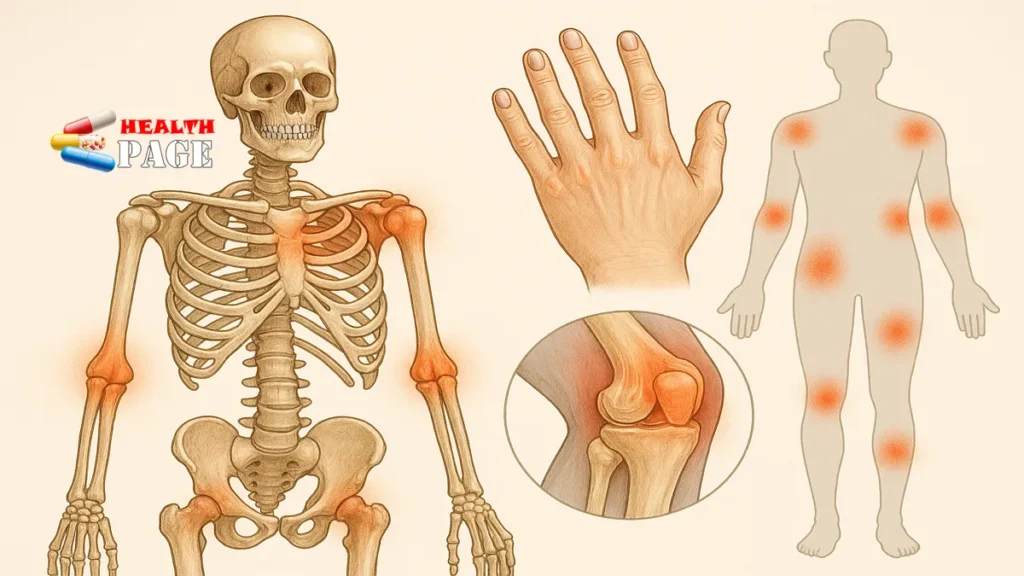
The word comes from Greek roots meaning “joint” and “pain.” A joint is any place where two or more bones meet, such as the knee, hip, shoulder, wrist, ankle or the small joints of the fingers and toes. Arthralgia can affect one joint, a few joints, or many at once, and in some people the pain seems to move from one joint to another.
The term is a symptom label rather than a diagnosis. Saying someone has arthralgia is a bit like saying someone has a headache: it tells you where it hurts, not why. The pain might come from the joint surfaces themselves, from the tissues around the joint (tendons, ligaments, bursae), or from an illness elsewhere in the body that happens to show up in the joints.
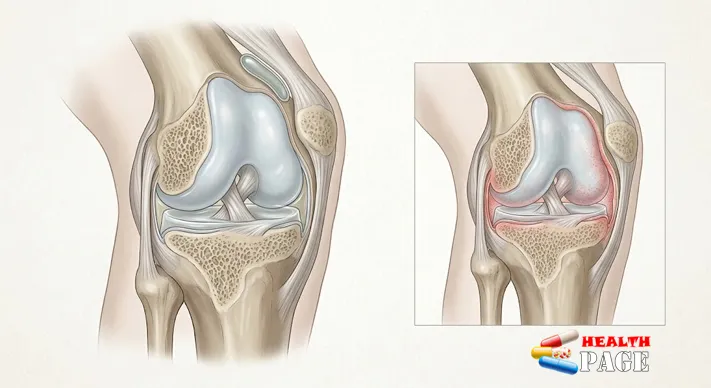
It also does not automatically mean the joint is inflamed or damaged. Classic signs of inflammation are swelling, warmth, redness and tenderness. Some people with arthralgia have none of these, and some have all of them, which is why a proper assessment matters.
2. Arthralgia causes: what can make a joint hurt
There is a long list of possible arthralgia causes, and the pattern of symptoms often points toward the right branch of it. Doctors pay attention to which joints are involved, whether both sides of the body are affected, how quickly the pain began, and what else is going on at the same time.
Injury and overuse. Sprains, strains, fractures and repetitive movement are the everyday explanation. Pain after intense or repeated exercise, with swelling or bruising, often fits this group. When a fall or twist leaves a joint very painful, a clinician may need to look at how a fracture shows up on an X-ray before deciding what to do next.
Osteoarthritis. This is the gradual wearing of the cartilage and other tissues in a joint. It most often affects the knees, hips and small joints of the hands, and the pain typically worsens with activity and is followed by stiffness. It becomes more common after about 45.
Inflammatory and autoimmune conditions. In rheumatoid arthritis, psoriatic arthritis and lupus, the immune system acts against the body’s own tissues. Rheumatoid arthritis typically causes pain and stiffness on both sides of the body, worse after a period of not moving, such as on waking.
Crystal-related conditions. Gout happens when urate crystals build up in a joint, often the big toe, causing sudden and severe pain with swelling and heat, frequently overnight. Pseudogout is a related crystal condition that tends to start in the knee.
Infections and other illnesses. Some viral infections cause aching joints, and a bacterial infection inside a joint (septic arthritis) is an emergency. Bursitis and tendinitis, inflammation of the cushioning sacs and cords around a joint, can also make a joint feel painful.
Other factors can nudge the odds without deciding the cause. Age, an earlier joint injury, excess body weight and family history all play a role, and hormonal change matters too: the NHS notes that perimenopause and menopause can cause aching, painful joints because oestrogen levels fall.
3. Arthralgia symptoms: what it can feel like
Arthralgia symptoms depend on the cause, the joint involved and how long the problem has been present. People describe aching, soreness, a sharp catch on movement, or a deep throb that is worse at night.
Common features include:
- pain that is worse with walking, gripping, climbing stairs or other everyday movement
- tenderness when you press on the joint
- stiffness, especially after resting or when you first get up
- difficulty bending, straightening or fully using the joint
- swelling, warmth or redness when inflammation is involved
- fatigue, fever or a rash in some illnesses that affect the whole body
The timing of stiffness is a useful clue. Stiffness that eases within a few minutes of moving around is typical of wear-related joint pain, whereas the NHS advises seeing a GP if joints stay stiff for more than 30 minutes after waking, since that pattern can suggest an inflammatory condition.
Not every ache in the area is a joint problem. Pain that sits in the belly of a muscle, or that comes in sudden, tight spasms, may be muscle cramps instead, which have their own set of triggers such as overuse, dehydration or low mineral levels. Describing precisely where it hurts, and what the pain does, helps your clinician tell the two apart.
4. Arthralgia vs arthritis: how the two terms differ
The two words are often swapped in conversation, but they do not mean the same thing. Arthralgia is the symptom of joint pain. Arthritis refers to a group of joint diseases, many of which involve inflammation or structural change in the joint.
| Arthralgia | Arthritis | |
|---|---|---|
| What it is | Pain in a joint | A joint disease or group of diseases |
| Diagnosis or symptom? | Symptom | Diagnosis |
| Inflammation | Not necessarily present | Common, but varies by type |
| Examples of causes | Injury, overuse, infection, arthritis | Osteoarthritis, rheumatoid arthritis, gout |
The two can occur together, because arthritis is one of the commonest reasons for arthralgia, but the reverse is not true. A person can have sore joints after a heavy day of gardening without having arthritis at all, and that is why the label “arthralgia” is a starting point for investigation rather than an endpoint.
5. How joint pain is diagnosed
There is no single test for arthralgia, because the aim is to find the condition responsible for the pain. A clinician usually starts with a conversation. They may ask which joint hurts, whether it is one side or both, when it began, whether an injury or illness came first, whether the pain is constant or comes and goes, and how long morning stiffness lasts.
A physical examination follows, looking for swelling, warmth, tenderness, restricted movement and any grating sensation. Depending on what those findings suggest, further steps can include:
- Blood tests, such as markers of inflammation (C-reactive protein, sedimentation rate) or tests for specific autoimmune conditions
- Imaging, most often an X-ray, with ultrasound or other scans when more detail is needed
- Joint aspiration, in which a sample of joint fluid is drawn off and examined for infection or crystals
Not everyone needs all of these. A sprained ankle with a clear history may need only an examination, while a hot, swollen joint with a fever calls for fast fluid testing.
Doctors also remember that pain can be referred. A problem in the lower back or the sciatic nerve may be felt around the hip or buttock, which is one reason sciatica sometimes gets mistaken for a hip joint problem. The MedlinePlus entry on joint pain, which lists arthralgia as an alternative name, sets out the same range of questions, examinations and tests.
6. Arthralgia treatment and joint pain relief
Arthralgia treatment depends on the cause. A strained knee, gout and rheumatoid arthritis call for quite different approaches, and joint pain sometimes settles without any treatment at all.
Rest, but not total rest. The NHS advice is to rest the affected joint if you can while not stopping movement completely. Keeping a joint gently mobile helps prevent it from stiffening further.
Cold packs. For a sprain, strain or overuse injury, an ice pack or a bag of frozen peas wrapped in a towel can be applied for up to 20 minutes every 2 to 3 hours.
Movement and physiotherapy. Targeted exercise can improve strength, range of movement and function, and a physiotherapist can tailor it to the joint and diagnosis. For people with osteoarthritis or other arthritis in the knee, knee exercises for arthritis are a practical place to see what gentle, joint-friendly movement looks like. In England, many people can also refer themselves to community musculoskeletal services without a GP referral, as explained on the NHS page about getting help for back or joint problems.
Medication. Which painkiller is suitable depends on you. Pharmacists and GPs can advise, particularly if you have other health conditions, take other medicines, are pregnant, or have been told to avoid certain pain relievers. Stronger medicines are used when needed, and some inflammatory conditions require specialist treatment.
Treating the underlying cause. Gout, autoimmune arthritis, injuries and infections each have their own treatment. Antibiotics are used for infection, steroid injections may be offered in selected cases, and referral for scans, specialist care or surgery is considered when simpler measures are not enough.
Everyday habits help alongside all of this. Maintaining a healthy weight, staying active, eating a balanced diet and avoiding smoking are all part of NHS advice for joint pain.
7. When to seek medical help for arthralgia
Most joint aches are not emergencies, but some need prompt attention. The NHS guidance on joint pain separates the situations clearly.
Get urgent help (same-day GP or NHS 111) if a painful joint has swollen, hot skin around it, or if joint pain comes with a high temperature, shivering or a general feeling of being unwell. This combination can mean a joint infection, and waiting while you try home remedies is not wise.
Go to A&E or call 999 after a fall or injury if the pain is very bad, you cannot walk or put weight on the joint, the joint looks out of place, or you have tingling or numbness around it.
Book a routine appointment if the pain interferes with daily activities or sleep, keeps returning or worsens, has not improved after about two weeks of home care, or comes with stiffness lasting more than 30 minutes after you wake. Joint pain in a child should also be checked.
Frequently asked questions
Is arthralgia serious?
It depends on the cause. Pain after a strenuous weekend usually settles on its own, while arthralgia from an infection or an inflammatory disease needs timely treatment. The symptom alone cannot tell you which one you have.
Can you have arthralgia without swelling?
Yes. Pain without visible swelling, warmth or redness is common, and the absence of those signs does not rule out a cause that needs treatment.
Can menopause cause arthralgia?
It can contribute. Falling oestrogen levels are linked to aching joints in perimenopause and menopause, but other causes should still be considered, so mention joint pain to your GP rather than assuming hormones are responsible.
Is joint pain in several joints different from pain in one?
Often, yes. Pain in a single joint is more likely to follow an injury or reflect gout or osteoarthritis. Pain on both sides of the body, particularly with morning stiffness, raises the possibility of an inflammatory condition, though only an assessment can sort this out.
Which health professional should I see first?
A GP or pharmacist is a sensible first step. In many parts of England you can also refer yourself to a community musculoskeletal service for physiotherapy and assessment.
Final thoughts
Arthralgia is a useful word because it names what you feel, but it only becomes useful medically once someone works out why the joint hurts. For many people the cause is straightforward and the pain settles with rest, movement and time. For others it is the first sign of a condition that benefits from early treatment, which is why persistent, worsening or night-time joint pain deserves a proper look. If you want to read more about bones, joints and mobility, the orthopedics guides on this site are a good next step, and a short note of when your pain started and what eases it will make any appointment far more productive.
This article is for general information and does not replace advice from a qualified healthcare professional.
References
- NHS. Joint pain. https://www.nhs.uk/symptoms/joint-pain/
- MedlinePlus (National Library of Medicine). Joint pain: MedlinePlus Medical Encyclopedia. https://medlineplus.gov/ency/article/003261.htm
- NHS. Get NHS help for back or joint problems from community musculoskeletal (MSK) services. https://www.nhs.uk/nhs-services/get-nhs-help-for-back-joint-problems/

Dr. John Ma is a dedicated Orthopaedic Surgeon with extensive experience in musculoskeletal health and surgical care. He currently serves at Royal Brisbane and Women’s Hospital, Australia, where he provides expert treatment for complex orthopaedic conditions. Passionate about advancing patient outcomes, Dr. Ma combines evidence‑based practice with compassionate care, helping individuals restore mobility and improve quality of life. Through his contributions to healthcare, he continues to support patients in achieving long‑term wellness and recovery.
Pingback: Pes Anserine Bursitis Exercises: Complete Rehab Guide for Inner Knee Pain