
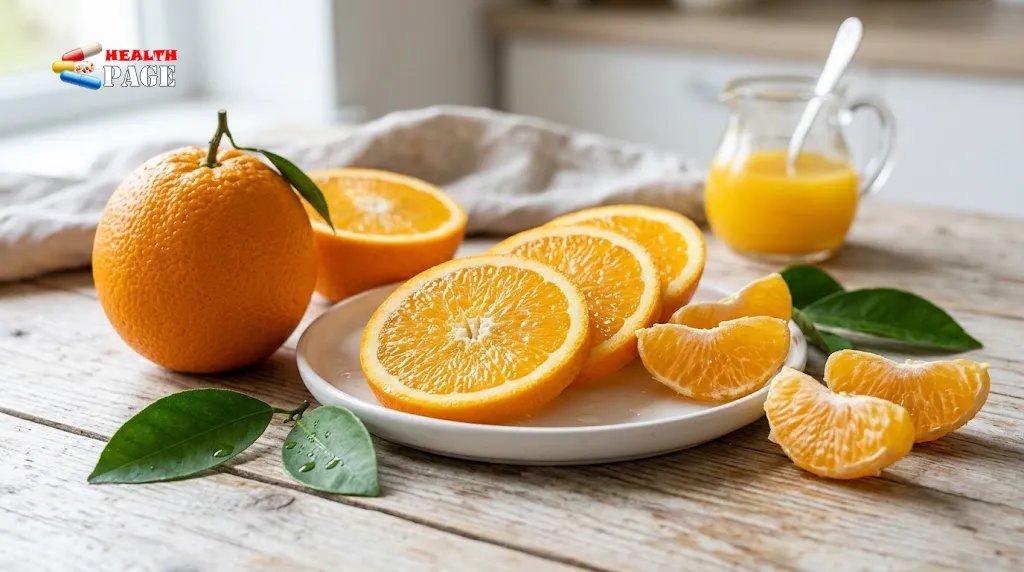
Orange Slice Nutrition: Calories, Vitamin C, Benefits and More
Medical Disclaimer: The content provided regarding “Orange Slice Nutrition: Calories, Vitamin C, Benefits and More” is for informational and educational purposes only and does not constitute medical advice, diagnosis, or treatment. Always consult a qualified healthcare provider regarding any dietary or health-related questions.
Article has been written by
Dr. Sana Lodhi
General Medicine
An orange slice is a simple way to add whole fruit to a meal or snack, but there is more to this familiar citrus fruit than its refreshing taste. Fresh oranges provide vitamin C, dietary fiber, potassium, folate, water, and other plant compounds while remaining relatively low in calories. The exact nutrition depends on how much fruit is actually in the slice, so there is no single calorie or vitamin value that applies to every slice.
One useful distinction comes first: this article refers to fresh orange fruit, including individual segments or pieces cut from a whole orange—not orange-slice candy. The two foods have very different nutritional profiles.
Orange Slice Nutrition at a Glance
Because an orange can be divided into slices or segments of very different sizes, nutrition data are more reliable when expressed by weight or by a defined serving.
USDA-derived data for raw oranges put the fruit at approximately 47 calories per 100 grams, with about 11.8 grams of carbohydrate, 2.4 grams of dietary fiber, 0.9 grams of protein, 181 mg of potassium, and 53 mg of vitamin C per 100 grams.
A medium orange is a more familiar household reference. USDA data have historically listed a medium orange at about 131 grams and 62 calories, while the NIH Office of Dietary Supplements notes that a medium orange provides about 70 mg of vitamin C.
| Nutrient | Approximate amount in 100 g raw orange | Why it matters |
|---|---|---|
| Calories | 47 kcal | Provides relatively little energy for the amount of fruit |
| Carbohydrates | 11.8 g | Main source of energy in the fruit |
| Dietary fiber | 2.4 g | Supports digestive health and fullness |
| Vitamin C | 53 mg | Needed for collagen production, immune function and iron absorption |
| Potassium | 181 mg | Important for fluid balance, nerves and muscles |
| Protein | 0.9 g | Small contribution to daily protein needs |
| Water | About 87 g | Contributes to the fruit’s high water content |
These figures are a reference rather than a promise about every orange. Variety, size, ripeness and the amount eaten all affect the final numbers.
A note about the word “slice”
A thin cross-section of an orange may weigh far less than several connected segments. That is why quoting something like “one orange slice contains exactly X calories” can be misleading.
For accurate tracking, weighing the edible portion is more useful. If you do not need that level of precision, thinking in terms of a small serving, several segments, or a whole orange is usually more practical.

Orange Slice Calories: How Many Are in One?
The number of orange slice calories depends mainly on the weight of the edible fruit.
As a useful reference, 100 grams of raw orange contains about 47 calories. A medium whole orange has historically been listed at around 62 calories in USDA nutrient data.
That means a small individual segment may contribute only a few calories, while several segments can add up to a more meaningful portion of the fruit’s total energy.
This is one reason it is better to avoid assigning one fixed calorie number to every orange slice.
Are orange sugars a problem?
Fresh oranges contain naturally occurring sugars. They are not the same thing as added sugars used in sweets, desserts and many sugar-sweetened beverages.
The distinction is useful because whole fruit also provides fiber, water, vitamins, minerals and other plant compounds. The CDC recommends choosing whole fruit over fruit juice partly because whole fruit contains fiber that can help with fullness.
That does not make fruit calorie-free or mean unlimited portions are appropriate for everyone. People managing diabetes or another condition involving carbohydrate intake should consider fruit within their overall eating pattern and individualized nutrition advice.
What Does Fresh Orange Nutrition Provide?
The nutritional value of oranges is not limited to vitamin C.
Vitamin C
Vitamin C is one of the orange’s most notable nutrients. It is required for collagen production, participates in normal immune function, acts as an antioxidant, and improves absorption of non-heme iron—the form of iron found mainly in plant foods.
Dietary fiber
An orange contributes dietary fiber, particularly when you eat the whole fruit rather than drinking only its juice. Fiber supports normal digestive function and can help increase fullness.
For readers who want a broader explanation of how fiber fits into everyday eating, this guide on [dietary fiber and protein] provides additional context.
Potassium
Oranges also provide potassium. This mineral is involved in fluid balance, nerve signaling and muscle contraction. It is one reason an orange’s nutritional profile is broader than its vitamin C content alone.
Folate and other nutrients
Fresh oranges contain smaller amounts of folate, vitamin B6, calcium, magnesium and other micronutrients. These amounts are not necessarily large enough to make oranges a major source of every nutrient, but they contribute to the overall nutritional value of the fruit.
Vitamin C in Orange Slices: Why It Matters
The vitamin C in orange slices is especially relevant because vitamin C is an essential nutrient that the human body cannot make on its own.
The NIH Office of Dietary Supplements explains that vitamin C is involved in collagen production, antioxidant activity, immune function and absorption of non-heme iron.
A medium orange provides roughly 70 mg of vitamin C, although the amount can vary with size and other characteristics.
Vitamin C and collagen
Collagen is a structural protein found in connective tissues. Vitamin C is necessary for its production, making adequate vitamin C intake important for normal wound healing and maintenance of connective tissue.
This does not mean eating oranges will suddenly improve skin or heal an injury. It means that vitamin C is one of the nutrients the body requires for normal collagen-related processes.
Vitamin C and immune function
Vitamin C also contributes to normal immune-system function. However, this should not be turned into the much broader claim that oranges prevent infections.
Adequate nutrition supports normal immune function, but no single fruit can substitute for appropriate medical care, vaccination, sleep, or a varied diet.
Vitamin C and plant-based iron
There is another practical use for citrus fruit: vitamin C can improve absorption of non-heme iron from plant foods.
For example, an orange can be eaten alongside a meal containing beans, lentils or other plant-based iron sources. The orange does not replace the iron-containing food; it complements the meal nutritionally.
Orange Slices Health Benefits: What Does the Evidence Support?
The phrase orange slices health benefits can make it sound as though the fruit has a long list of independent medical effects. A more accurate way to understand the benefits is to look at what its nutrients contribute to a healthy dietary pattern.
1. They add vitamin C to the diet
This is probably the clearest nutritional advantage. Several orange segments can contribute meaningful vitamin C, while a whole orange provides considerably more.
Because vitamin C is water-soluble and the body does not synthesize it, regular food sources matter. The NIH identifies citrus fruits among good dietary sources of vitamin C.
2. They contribute dietary fiber
Whole oranges contain fiber, while many fruit juices contain little or none compared with the original fruit.
That difference makes the whole orange vs orange juice comparison important. Eating the fruit preserves its natural structure and fiber, whereas juicing makes it easier to consume a larger amount quickly.
The CDC specifically recommends choosing whole fruits because they contain fiber that can help with fullness.
3. They provide potassium
Orange potassium contributes to the body’s overall intake of this essential mineral. Potassium is involved in fluid balance, nerve function and muscle contraction.
It is better to think of oranges as one potassium-containing food among many rather than treating them as a special solution for blood-pressure problems.
4. They can replace less nutritious sweet snacks
A fresh orange is naturally sweet and can serve as an alternative to some highly processed snacks.
The advantage is not simply that oranges contain less sugar. They also provide water, fiber, vitamin C and micronutrients that a typical confectionery product may provide in much smaller amounts.
That does not mean sweets must never be eaten. It simply means that substituting whole fruit for some processed snacks can improve the overall nutrient density of a diet.
5. They contribute to a varied fruit intake
There is no nutritional requirement to get all fruit from oranges. In fact, variety is useful because different fruits provide different combinations of nutrients and plant compounds.
Berries, apples, pears, kiwi, melon and other fruits can complement oranges rather than compete with them.
Whole Orange vs. Orange Juice: Which Is Different?
Orange juice can still contain vitamin C and other nutrients, so it would be inaccurate to describe it as nutritionally worthless.
The important difference is the physical structure of the food.
When you eat a whole orange, you consume the fruit’s fiber and chew the fruit. Juice is easier to drink quickly and generally contains less fiber than whole fruit. The CDC therefore advises choosing whole fruit over fruit juice when possible.
This does not mean you must completely avoid orange juice. A modest serving of 100% juice can fit into a healthy diet. The distinction is that whole fruit is generally the more useful default when you want the complete food rather than just its liquid portion.
For another perspective on the nutritional differences between whole fruit and juice, see this discussion of [apple juice and whole-fruit choices].
Are Orange Slices Good for Digestion?
They can contribute to digestive health because whole oranges contain dietary fiber.
Fiber helps support normal bowel function, but the response is individual. Someone who suddenly increases fiber intake may experience gas or bloating, especially if the rest of the diet has been relatively low in fiber.
For people already dealing with constipation, adding fiber gradually and maintaining adequate fluid intake can be more practical than relying on one particular fruit. A related guide on [fiber-rich foods and bowel regularity] provides additional dietary context.
Orange slices should therefore be described as one source of fiber, not as a guaranteed treatment for constipation.
Can Orange Slices Help With Weight Management?
They can fit comfortably into many weight-management eating patterns, particularly when they replace a more calorie-dense snack.
But oranges are not a fat-burning food, and eating them does not automatically cause weight loss.
The useful principle is substitution. If someone replaces a calorie-dense dessert with a serving of whole fruit, the overall meal or snack may contain fewer calories. If someone simply adds oranges on top of an already sufficient diet, the calories still count.
The fiber and water in whole fruit can also make it more satisfying than some highly processed snacks. The CDC similarly notes that substituting fruits and vegetables for higher-calorie foods can help reduce overall calorie intake.
Are There Any Downsides to Eating Orange Slices?
For most people, fresh oranges can be part of a varied diet. A few considerations are worth keeping in mind.
Citrus acidity and dental health
Oranges are acidic. Frequent exposure to dietary acids can contribute to dental erosion, particularly when acidic foods or drinks are consumed repeatedly over time.
The American Dental Association explains that dietary acids can contribute to erosive tooth wear and that frequency and patterns of exposure matter.
This is not a reason to avoid oranges. Rather, it is a reminder that repeatedly sipping acidic drinks or constantly exposing teeth to acidic foods is different from eating an orange as part of a normal meal.
Digestive discomfort
Some people find citrus fruits uncomfortable, particularly if they already experience reflux or sensitivity to acidic foods. Individual tolerance matters.
If oranges repeatedly trigger significant symptoms, reducing the portion and discussing persistent symptoms with a healthcare professional may be appropriate.
Allergic reactions
Food allergies to fruits are possible, although they are not common for everyone who eats oranges. Symptoms such as swelling, hives, breathing difficulty or other signs of a serious allergic reaction require prompt medical attention.
Fresh Orange vs. Orange-Slice Candy
The phrase “orange slice” can be confusing because it may refer either to fresh fruit or to a type of candy.
| Feature | Fresh orange slice | Orange-slice candy |
|---|---|---|
| Food type | Whole fruit | Processed confectionery |
| Vitamin C | Naturally present | Usually not comparable to fresh fruit |
| Fiber | Present | Generally very low |
| Sugar | Naturally occurring | Typically includes added sugars |
| Water | High | Much lower |
| Overall nutrition | Provides several nutrients | Primarily a sweet confection |
So if you are searching for orange slice nutrition, make sure the information you are reading refers to fresh orange fruit.
How Can You Add Orange Slices to Meals?
You do not need complicated recipes to make use of oranges.
Try fresh segments:
- Alongside plain yogurt and oats
- In a fruit salad with berries or kiwi
- As a snack with a handful of nuts
- Alongside a meal containing beans or lentils
- Added to a salad with leafy greens
- As a fresh alternative to a sugary dessert
Pairing an orange with another food can also make the snack more substantial. For example, orange segments with plain yogurt provide a combination of fruit, carbohydrate and protein rather than relying on fruit alone.
Should you eat the white pith?
The white layer beneath the orange peel is edible. You do not have to remove every trace of it.
The pith contributes some fiber and plant compounds, although most people remove much of it because of its texture and slightly bitter taste. There is no need to force yourself to eat it if you dislike it.
Frequently Asked Questions
How many calories are in one orange slice?
There is no universal number because slices vary considerably in size. Raw orange contains about 47 calories per 100 grams, so the calorie content of a particular slice depends on its weight.
How much vitamin C is in an orange?
The NIH Office of Dietary Supplements lists about 70 mg of vitamin C for a medium orange. A single slice contains less because it represents only part of the fruit.
Are orange slices healthier than orange juice?
Whole orange slices provide the fruit’s natural fiber and structure, while juice generally contains less fiber and is easier to consume quickly. The CDC recommends choosing whole fruits over fruit juice when possible.
Are oranges good for constipation?
They can contribute fiber to the diet, but they should not be considered a guaranteed constipation treatment. Overall fiber intake, fluids, physical activity and individual health factors all matter.
Do orange slices contain added sugar?
Fresh orange fruit naturally contains sugars but does not inherently contain added sugar. Added sugars are different from the naturally occurring sugars in whole fruit.
Can eating oranges damage your teeth?
Oranges are acidic, and frequent exposure to dietary acids can contribute to dental erosion. Normal eating patterns are different from repeatedly exposing teeth to acidic foods or drinks throughout the day.
The Takeaway
Orange slice nutrition is best understood in the context of the whole fruit. Fresh oranges provide vitamin C, fiber, potassium, folate, water and other plant nutrients while remaining relatively low in calories.
For people specifically tracking orange slice calories, the most accurate approach is to consider the weight or serving size rather than assigning one calorie number to every slice. A small segment and a large wedge are not nutritionally equivalent.
The vitamin C in orange slices is particularly valuable because vitamin C supports collagen production, normal immune function, antioxidant activity and absorption of non-heme iron.
The broader orange slices health benefits also come from eating the fruit as part of a varied dietary pattern. Whole oranges provide fiber that is largely absent from many juices, and they can be a convenient alternative to more processed sweet foods.
Most importantly, oranges do not need to be treated as a miracle food. They are simply a nutritious whole fruit. Enjoying them alongside vegetables, legumes, whole grains, protein foods and other fruits is a more useful approach than expecting any single food to transform health on its own.
References
- NIH Office of Dietary Supplements — Vitamin C: Fact Sheet for Health Professionals. The source supports information about vitamin C’s roles in collagen production, immune function, antioxidant activity, iron absorption, recommended intake and dietary sources. NIH Office of Dietary Supplements: Vitamin C
- CDC — Tips for Increasing Vegetables and Fruits in Your Diet. The source supports guidance on whole fruit versus juice, fiber, fullness and using fruit as a substitute for more calorie-dense foods. CDC: Fruits and Vegetables
- American Dental Association — Dental Erosion. The source supports the discussion of dietary acids, citrus/fruit acidity and factors affecting erosive tooth wear. American Dental Association: Dental Erosion
Does Emergen C Expire? Shelf Life, Safety, and Potency Explained

Dr. Sana Lodhi is a qualified medical doctor (MBBS) with a strong commitment to patient care and evidence‑based medicine. With years of clinical experience and her current role at Liaquat University of Medical & Health Sciences (LUMHS), she brings trusted medical insights to readers, simplifying complex health topics into clear, practical guidance. Her passion lies in promoting preventive healthcare, empowering individuals to make informed decisions, and bridging the gap between medical knowledge and everyday wellness. At HealthyPost.co.uk, Dr. Lodhi shares expert perspectives on health, lifestyle, and medical awareness to help readers live healthier, more balanced lives.
Pingback: Indian Gooseberry Juice: 7 Benefits, Uses & Side Effects