
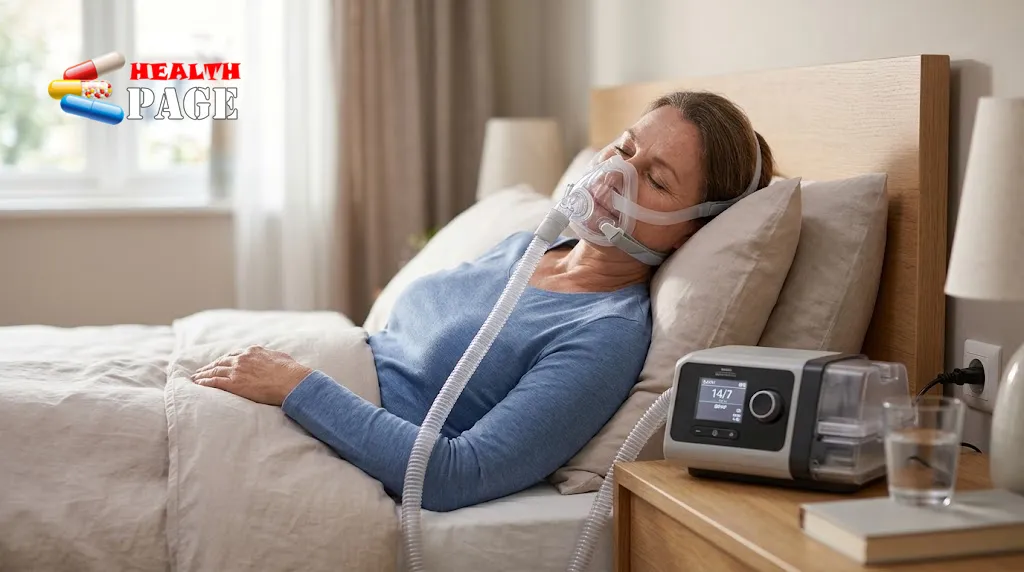
BiPAP Machine Uses: What It Is, How It Works, and Key Benefits
This article, “BiPAP Machine Uses: What It Is, How It Works, and Key Benefits,” written by Dr. Sana Lodhi (General Medicine), is intended solely for general informational and educational purposes.
It does not constitute professional medical advice, diagnosis, or treatment. Always consult your doctor or a qualified healthcare provider with any questions regarding a medical condition or the use of respiratory equipment like a BiPAP machine. Never disregard professional medical advice or delay seeking it because of something you have read in this article.
BiPAP machine uses reach well beyond the sleep clinic. The device delivers pressurised air through a mask at two different levels, higher as you breathe in and lower as you breathe out, which makes it a form of non-invasive breathing support for people whose lungs, airways or breathing muscles cannot do the whole job alone. It is prescribed for conditions such as COPD, obesity hypoventilation syndrome and neuromuscular disease, and hospitals use the same principle during selected episodes of respiratory failure.
A BiPAP machine does not cure the underlying disease. What it does is support ventilation, reduce the effort of breathing and help the body clear carbon dioxide. Whether it suits a particular person depends on the diagnosis, blood gas results and the ability to tolerate a mask, and those are decisions for a clinician. This guide explains what the device is, how it works, which conditions it is used for, and what the benefits and limitations look like in practice.
What Is a BiPAP Machine?
BiPAP stands for bilevel positive airway pressure. The term began as a brand name and is now used generally, although you will also see “bilevel PAP”, “VPAP” or simply “non-invasive ventilation” (NIV) on clinical paperwork. One caution is worth making early: home bilevel devices and the NIV ventilators used on hospital wards overlap, but they are not identical, and this article focuses on mask-based therapy rather than invasive ICU ventilation through a tube in the windpipe.
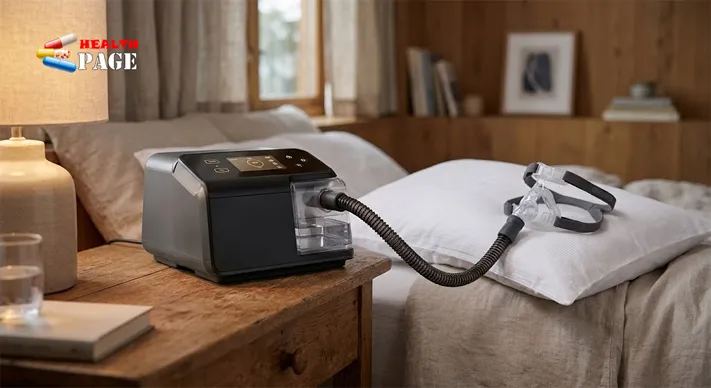
A typical set-up has five parts:
- The device: generates and regulates the airflow.
- The mask: covers the nose, or the nose and mouth, to deliver the air.
- The tubing: connects mask and machine.
- A humidifier: adds moisture so the airflow does not dry out the nose and throat.
- Settings and software: let a clinician set pressures, breath timing and back-up rates, and often record usage data.
The feature that separates it from a CPAP machine is the pair of pressures, covered in more detail in the comparison further down.
How Does a BiPAP Machine Work?
The machine follows your breathing cycle and changes pressure to match it. When it senses you starting to breathe in, it raises the pressure to a prescribed level. When it senses you breathing out, it drops to a lower level. Repeated thousands of times a night, that pattern takes some of the work off the breathing muscles.
Understanding IPAP and EPAP
The two pressures have names. IPAP (inspiratory positive airway pressure) is the higher pressure that helps air move into the lungs. EPAP (expiratory positive airway pressure) is the lower pressure that keeps the airways from collapsing as you breathe out. The gap between them is called pressure support, and it is the part that does the extra “pushing”.
As an illustration only, imagine a prescription of IPAP 14 and EPAP 6 cmH₂O. The pressure support would be 8 cmH₂O. These numbers are not recommended settings; real ones are chosen by a specialist after assessment and adjusted over time.
How BiPAP Supports Breathing
Think of it as a steady hand behind each breath. A larger, better-supported breath moves more air in and out, which helps remove carbon dioxide. A person whose breathing muscles tire easily, or whose airways are narrowed, can breathe with less effort. Some machines also deliver a back-up breath if no breath is detected within a set time, which matters for people who may stop breathing spontaneously during sleep.
7 Main BiPAP Machine Uses
The conditions treated with BiPAP share one theme: the body is not ventilating well enough, either because the airways are obstructed, the lungs are stiff or damaged, or the muscles that power breathing are weak. None of the uses below is automatic. Each depends on the individual’s diagnosis and test results.
1. Chronic Obstructive Pulmonary Disease (COPD)
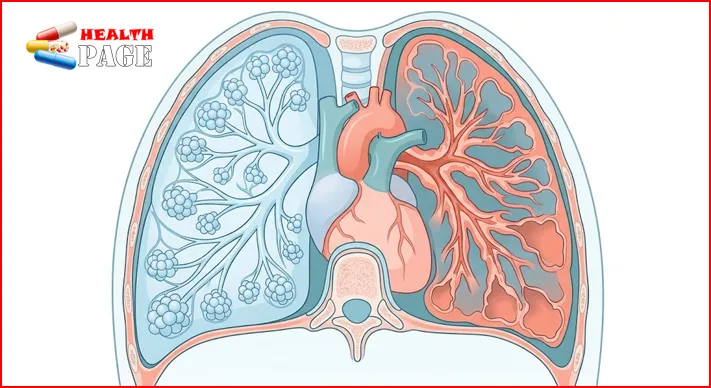
COPD narrows the airways and damages lung tissue. Long-term cigarette smoking is the leading cause, and the damage smoking does to the airways and lung tissue is a large part of why breathing becomes so difficult. Some people with advanced COPD retain carbon dioxide (hypercapnia), and that is where bilevel support becomes useful.
During a severe flare-up, NICE’s quality statement on non-invasive ventilation says people with persistent acidotic hypercapnic ventilatory failure that is not improving after an hour of optimal medical treatment should be offered NIV, delivered in a dedicated setting by trained staff. The conventional thresholds are a blood pH below 7.35 with carbon dioxide above 6.5 kPa. Home bilevel therapy for stable, chronic hypercapnic COPD is a separate decision, made by a respiratory specialist.
2. Obstructive Sleep Apnea
In obstructive sleep apnea (OSA), the upper airway repeatedly narrows or closes during sleep, causing loud snoring, pauses in breathing, gasping, broken sleep and heavy daytime tiredness. Untreated, it is more than a nuisance; its effect on heart rhythm is one reason doctors take it seriously.
For uncomplicated OSA, CPAP is generally the first-line treatment, so BiPAP is not the default. It may be considered when someone needs higher pressures, cannot tolerate CPAP, or has another condition that needs ventilatory support. NICE’s guideline NG202 notes, for example, that people with COPD–OSAHS overlap syndrome may have their apnoea and night-time hypoventilation managed with CPAP or non-invasive ventilation.
3. Obesity Hypoventilation Syndrome
Obesity hypoventilation syndrome (OHS) is a condition in which excess body weight contributes to inadequate breathing, leaving carbon dioxide elevated even while awake. Symptoms include breathlessness, morning headaches, poor sleep and daytime fatigue. Many people with OHS also have sleep apnea, so the choice between CPAP and bilevel therapy depends on the sleep study, blood gases and severity. BiPAP can improve ventilation and reduce carbon dioxide levels in the right patient.
4. Neuromuscular Disorders
Conditions such as amyotrophic lateral sclerosis, muscular dystrophy, myasthenia gravis and other motor neuron diseases weaken the muscles used to breathe. Breaths become shallow, carbon dioxide builds up, and the problem often appears first at night. BiPAP provides ventilatory support and reduces the workload on tired muscles. Here it is often a long-term, progressive therapy, with hours of use increasing as the condition advances.
5. Congestive Heart Failure and Pulmonary Edema
Heart failure does not automatically call for BiPAP. The relevant situation is acute cardiogenic pulmonary edema, where fluid backs up into the lungs and makes breathing hard. In selected patients, positive airway pressure, either CPAP or bilevel, can improve oxygenation and reduce breathing effort while other treatments take effect. Which type is used depends on the patient’s breathing pattern and clinical needs.
6. Acute Respiratory Failure
Acute respiratory failure means the lungs cannot maintain adequate oxygen, cannot remove carbon dioxide, or both. In appropriately selected patients, non-invasive ventilation can improve ventilation, rest tired respiratory muscles and sometimes avoid the need for a breathing tube. The word “selected” carries weight: the patient must be alert enough to protect their airway and cooperate, and NIV can fail. If it does, or if the patient deteriorates, intubation should not be delayed.
7. Other Conditions Requiring Breathing Support
Bilevel therapy may also be considered, case by case, for bronchiectasis or cystic fibrosis with ventilatory complications, some forms of interstitial lung disease, general respiratory muscle weakness and sleep-related hypoventilation. These are possible applications rather than routine ones. Asthma is not a standard indication either; the evidence for BiPAP in acute asthma is not strong enough to recommend it generally.
What Are the Key Benefits of a BiPAP Machine?
For the right patient, BiPAP machine benefits include:
- Better ventilation: the pressure difference moves more air in and supports carbon dioxide removal.
- Less breathing effort: the inspiratory boost reduces muscle workload, which helps relieve fatigue.
- Open airways: the pressure maintained on exhalation helps prevent collapse, especially during sleep.
- Improved sleep: fewer breathing disturbances can mean less fragmented rest.
- Possible avoidance of intubation: in selected cases of acute respiratory failure, NIV can help a person avoid invasive ventilation, though success is not guaranteed.
- Comfort: some people tolerate it more easily than high-pressure CPAP because the pressure falls when they breathe out.
A point about oxygen: BiPAP’s main strength is ventilation and carbon dioxide control. Its effect on oxygen levels depends on the underlying condition, and extra oxygen can be added through the circuit when prescribed.
Different Types and Modes of BiPAP Machines
Modes control how the machine responds to your breathing. Not every device offers all of them, so the prescribed mode and the device must match.
| Mode | What it does |
|---|---|
| S (Spontaneous) | You start every breath; the machine supplies the pressure support. |
| ST (Spontaneous/Timed) | Supports your breaths and adds a back-up breath if none comes in time. |
| T (Timed) | Delivers breaths at a fixed rate and timing. |
| PC (Pressure Control) | Uses pressure-controlled breaths with a set inspiratory time. |
| Volume-assured pressure support | Adjusts inspiratory pressure within limits to help reach a target breath volume (sold under names such as AVAPS). |
BiPAP vs CPAP: What Is the Difference?
Both devices use positive airway pressure through a mask, but they solve different problems. CPAP keeps the upper airway open with one steady pressure. BiPAP adds a second, lower pressure for exhalation so it can also assist the act of breathing.
| BiPAP | CPAP | |
|---|---|---|
| Full name | Bilevel positive airway pressure | Continuous positive airway pressure |
| Pressure levels | Two (IPAP and EPAP) | One |
| Main purpose | Supports ventilation | Keeps the airway open |
| Typical uses | Hypercapnic respiratory failure, hypoventilation disorders, selected sleep conditions | Obstructive sleep apnea |
Neither is universally better. CPAP is usually the first choice for uncomplicated OSA, while BiPAP is chosen when extra ventilatory support is needed. Some people start on CPAP and move to bilevel therapy if their condition or response changes.
How to Use a BiPAP Machine
Your clinical team or equipment provider should set up the device and show you how to use it. In general:
- Place the machine on a stable surface near the bed, below head height if the manufacturer advises it.
- Connect the tubing to the machine and mask, and fill the humidifier if you use one.
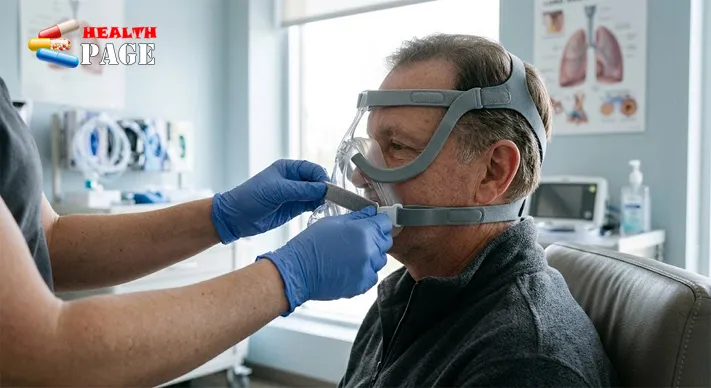
- Fit the mask snugly but not tightly; over-tightening causes sores, and loose fitting causes leaks.
- Confirm the settings match your prescription. Never change pressures yourself.
- Start the machine and check for leaks, dryness or discomfort.
- Clean the mask, tubing, humidifier and filters as the manufacturer directs.
An NHS hospital leaflet from Gloucestershire Hospitals on BiPAP therapy advises using the device every night or whenever you sleep to keep symptoms from returning.
Potential Side Effects and Disadvantages of BiPAP
Most people tolerate bilevel therapy when it is appropriately prescribed, but side effects are common while adjusting. These include a dry nose or mouth, nasal congestion, skin irritation or pressure marks from the mask, bloating from swallowed air, eye irritation from leaks, and claustrophobia. A heated humidifier, a different mask style or a refit often solves these.
Serious problems are less common but real. Poorly selected patients or poorly fitted equipment can contribute to aspiration of stomach contents, significant air leakage, or pressure injuries to the skin of the face. Severe discomfort, worsening breathlessness, vomiting or drowsiness needs prompt medical assessment.
Who Should Not Use a BiPAP Machine?
BiPAP is not suitable for everyone. Doctors assess whether a patient can breathe effectively, protect their airway and tolerate a mask. Situations that call for caution, or make NIV unsuitable, include respiratory or cardiac arrest, inability to protect the airway, severely reduced consciousness, active vomiting, inability to clear secretions, facial injuries that prevent a seal, and untreated pneumothorax (a collapsed lung). Many of these are relative rather than absolute contraindications, depending on the setting and the monitoring available. Above all, BiPAP should never delay intubation when a patient needs invasive ventilation.
BiPAP Machine vs Traditional Mechanical Ventilator
The difference is mainly in how air reaches the lungs. BiPAP delivers pressure through a mask, so it is non-invasive and usually needs the patient’s cooperation. A conventional mechanical ventilator delivers breaths through an endotracheal or tracheostomy tube and can fully take over breathing in someone who cannot breathe at all. Non-invasive ventilation can be used at home under medical supervision, while invasive ventilation generally requires intensive care.
How to Choose the Right BiPAP Machine
The right device is the one that matches the prescription, so the choice is made with your clinician or a specialist supplier rather than from a price list. Points to review together include the pressure range, the modes you need, mask compatibility, humidification, noise level, usage reports and alarms, battery backup if you depend on therapy, and the quality of the supplier’s set-up and maintenance support. A cheaper machine without the prescribed mode is not a bargain.
When Should You Consult a Doctor?
See a doctor if you have persistent breathlessness, loud snoring with choking or gasping, repeated breathing pauses at night, excessive daytime sleepiness, morning headaches, unexplained fatigue or difficulty breathing when lying flat. Depending on the picture, you may be offered a sleep study, lung function tests or blood gas analysis.
Blue lips, confusion or being unable to stay awake are emergencies. Seek urgent medical care rather than trying to manage them with a home machine.
Frequently Asked Questions About BiPAP Machines
What is a BiPAP machine mainly used for?
It is mainly used to support breathing in people with hypoventilation or respiratory failure, including COPD with carbon dioxide retention, obesity hypoventilation syndrome and neuromuscular disease. It is also used for selected sleep-related breathing disorders.
Is BiPAP better than CPAP?
Not in general. CPAP is usually first choice for uncomplicated sleep apnea. BiPAP is better suited when someone needs help with the act of breathing itself, or cannot tolerate CPAP pressures.
Does BiPAP remove carbon dioxide?
It helps. By supporting larger, more effective breaths, it improves the exchange of gases so carbon dioxide can be breathed out. How much improvement occurs depends on the condition and the settings.
How many hours a day should you use a BiPAP machine?
That depends on your diagnosis. Many people use it overnight and sometimes during daytime naps, while those with more advanced neuromuscular or lung disease may need more. Your specialist will set the target, and it is worth discussing any difficulty rather than cutting back quietly.
Is a BiPAP machine considered life support?
Not by definition. Some people use it only for comfort or for sleep-related problems, while others rely on it heavily for ventilation. Its significance depends on how dependent the individual is on it.
What happens if you stop using BiPAP?
Symptoms usually come back, and in people who depend on it, carbon dioxide can build up again. Anyone thinking of stopping, including people in palliative care, should talk to their care team first, because there are often ways to adjust therapy or manage symptoms.
Final Thoughts
The most useful way to understand BiPAP machine uses is to see them as targeted breathing support rather than a cure: two pressures, delivered through a mask, to ease the work of breathing and help clear carbon dioxide. For COPD, obesity hypoventilation syndrome, neuromuscular disease and selected cases of respiratory failure, that support can make a meaningful difference. For uncomplicated sleep apnea, CPAP is usually where treatment begins.
If breathlessness, disturbed sleep or morning headaches sound familiar, the practical next step is a medical assessment, not buying a machine. A proper diagnosis is what determines whether BiPAP, CPAP or something else is right.
References
- National Institute for Health and Care Excellence (NICE). Quality statement 7: Non-invasive ventilation. Chronic obstructive pulmonary disease in adults quality standard (QS10).
- National Institute for Health and Care Excellence (NICE). COPD–OSAHS overlap syndrome. Obstructive sleep apnoea/hypopnoea syndrome and obesity hypoventilation syndrome in over 16s (NG202).
- Gloucestershire Hospitals NHS Foundation Trust. Bilevel Positive Air Pressure Therapy (BiPAP). Patient information leaflet GHPI1540.

Dr. Sana Lodhi is a qualified medical doctor (MBBS) with a strong commitment to patient care and evidence‑based medicine. With years of clinical experience and her current role at Liaquat University of Medical & Health Sciences (LUMHS), she brings trusted medical insights to readers, simplifying complex health topics into clear, practical guidance. Her passion lies in promoting preventive healthcare, empowering individuals to make informed decisions, and bridging the gap between medical knowledge and everyday wellness. At HealthyPost.co.uk, Dr. Lodhi shares expert perspectives on health, lifestyle, and medical awareness to help readers live healthier, more balanced lives.