
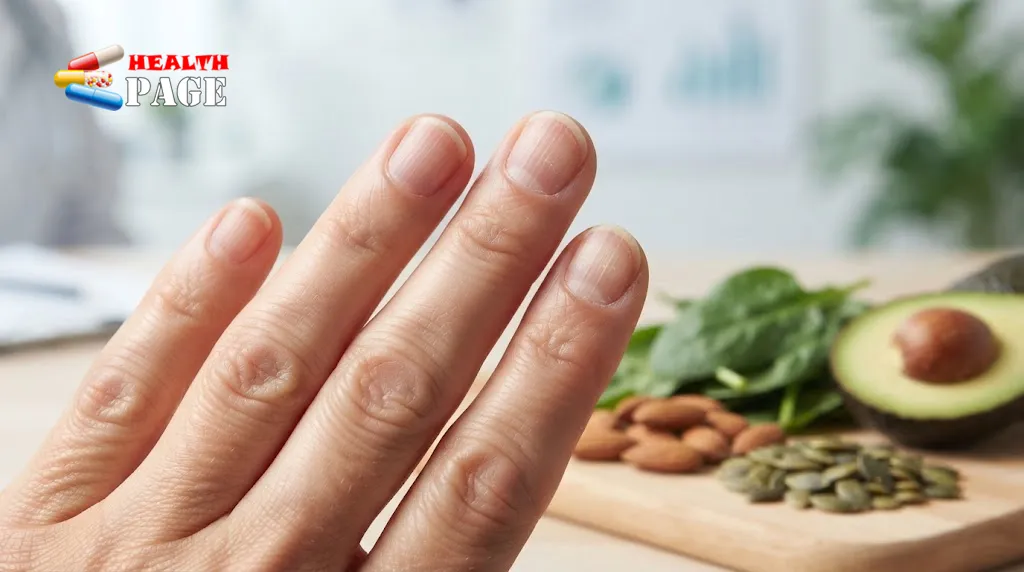
Early Signs of Magnesium Deficiency Nails: What Your Fingernails Reveal
Magnesium is an essential mineral involved in hundreds of biochemical processes, including normal muscle and nerve function, protein production, energy metabolism, and regulation of calcium and potassium transport.
Because magnesium participates in many cellular processes, a genuine deficiency can affect different parts of the body. However, nail appearance is not one of the most reliable ways to identify it.
Some people with low magnesium may notice nails that seem:
- Softer than usual
- More fragile
- Flaky or prone to peeling
- Easier to bend
- More likely to split or break
Cleveland Clinic specifically notes that soft or flaky nails can occur with low magnesium.
That does not mean every person with soft nails is magnesium deficient.
Nails are exposed to considerable everyday stress. Frequent handwashing, prolonged contact with water, detergents, cleaning chemicals, nail polish, artificial nails, nail polish removers, and repeated physical trauma can all change their appearance.
Skin disorders and other nutritional problems can also affect the nail plate.
This is why nail changes are best viewed as possible clues rather than diagnostic signs.
Early Signs of Magnesium Deficiency in Nails
If you are specifically looking for early signs of magnesium deficiency nails, the changes worth understanding are mainly related to nail texture and strength.
Soft or flaky fingernails
Softness may make the nails feel less resilient than they previously did. You might notice that the edges bend more easily or that the nail surface develops layers that peel.
Flaking can be particularly noticeable at the free edge of the nail.
Although low magnesium is one possible association, other causes are much more common possibilities to consider, including repeated exposure to water and chemicals, nail trauma, cosmetic treatments, and certain skin conditions.
Brittle or easily breaking nails
Brittleness can cause nails to crack, split, or break during ordinary activities.
You may notice:
- Splitting at the tips
- Cracking along the edges
- Frequent breakage
- Thin-feeling nails
- Difficulty maintaining nail length
This is where the phrase brittle nails and nutrient deficiency can become misleading. Several nutrients and medical conditions can affect nail structure, but brittle nails do not identify which nutrient is responsible.
For example, iron deficiency can produce spoon-shaped nails in some people, while different nail abnormalities may occur with zinc deficiency and other conditions.
Therefore, brittle nails should not automatically be interpreted as evidence of low magnesium.
A change in texture rather than a distinctive pattern
One important distinction is that there is no characteristic “magnesium-deficient nail” appearance that doctors can use as a standalone diagnosis.
If magnesium is involved, the nail may simply look or feel different in a nonspecific way.
That is why early signs of magnesium deficiency in nails should be interpreted alongside other symptoms and health information rather than in isolation.
Signs of Low Magnesium on Fingernails: What Should You Look For?
People searching for signs of low magnesium on fingernails often expect a checklist that allows them to diagnose themselves.
There isn’t one.
The possible nail-related changes include:
| Nail change | Could low magnesium be involved? | Other possible explanations |
|---|---|---|
| Soft nails | Possible association | Water exposure, chemicals, trauma, skin disorders |
| Flaky nails | Possible association | Dryness, cosmetic damage, trauma, other deficiencies |
| Brittle nails | Nonspecific | Iron deficiency, environmental damage, medical conditions |
| Vertical ridges | Not a specific magnesium sign | Aging, natural nail structure, skin or systemic conditions |
| Horizontal grooves | Not specific to magnesium | Temporary interruption of nail growth, illness, injury |
| White spots | Not a reliable magnesium sign | Trauma and other causes |
The distinction matters because nail appearance cannot tell you which nutrient is deficient.
If your nails have changed, consider what else has changed at the same time. Have you recently started using artificial nails? Are your hands frequently exposed to detergent? Did the change begin after an injury? Are several nails affected or only one?
These details can be more informative than simply matching the nail to an online symptom list.
Are Vertical Ridges on Nails a Sign of Magnesium Deficiency?
If you searched for vertical ridges on nails magnesium deficiency, you may have found websites claiming that these lines are evidence of low magnesium.
That claim is too strong.
Vertical ridges are not considered a specific diagnostic sign of magnesium deficiency.
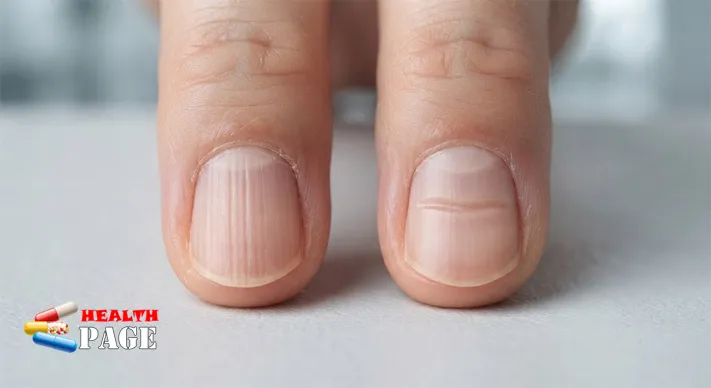
Vertical ridges, also called longitudinal ridges, extend from the cuticle toward the tip of the nail. Mild ridging can be a normal feature and often becomes more noticeable as people age.
Other possible causes include dryness, repeated trauma, and some skin or systemic conditions.
The presence of a ridge therefore does not establish that magnesium is low.
Vertical versus horizontal nail ridges
The direction of a ridge can provide useful descriptive information.
Vertical ridges travel from the base toward the tip.
Horizontal ridges travel across the width of the nail. Deep horizontal grooves are sometimes called Beau’s lines and can develop when normal nail growth is temporarily interrupted.
A significant illness, fever, injury, or other physical stress can affect nail growth and leave a visible line as the nail grows out.
Why Nail Changes Do Not Prove a Nutrient Deficiency
Your nails are made primarily of keratin, and the visible nail plate reflects what has happened during nail growth. That makes nails useful for observing changes over time, but it does not make them a precise nutritional test.
A similar-looking nail problem can have several causes.
For example, someone with peeling nails might have:
- Repeated exposure to water
- Frequent use of cleaning products
- Damage from manicures
- A fungal or inflammatory nail condition
- Another nutritional deficiency
- A systemic medical problem
This is why soft and flaky nails causes should be considered broadly rather than automatically attributed to magnesium.
The same principle applies to mineral deficiency symptoms in nails. A nail abnormality may justify looking more closely at nutrition, but it rarely identifies the missing mineral by itself.
If you also have fatigue, muscle cramps, weakness, nausea, or tingling, the broader symptom pattern becomes more relevant. For readers who want a general overview rather than a nail-specific discussion, see the existing guide on early signs of magnesium deficiency.
What Other Symptoms Can Accompany Low Magnesium?
Although this article is focused on nails, it is useful to understand what genuine magnesium deficiency can look like elsewhere in the body.
The National Institutes of Health Office of Dietary Supplements lists loss of appetite, nausea, vomiting, fatigue, and weakness among early symptoms. More severe deficiency can cause numbness, tingling, muscle contractions and cramps, seizures, personality changes, and abnormal heart rhythms.
Possible magnesium deficiency signs in the body include:
- Persistent fatigue
- Weakness
- Loss of appetite
- Nausea or vomiting
- Muscle cramps
- Muscle contractions or spasms
- Numbness or tingling
However, these symptoms are also nonspecific.
Muscle cramps, for example, can have numerous causes. Fatigue is even broader and can occur with sleep problems, infections, anemia, thyroid disorders, medication effects, and many other conditions.
So the presence of several symptoms may justify medical evaluation, but it still does not prove magnesium deficiency.
How to Tell if You Lack Magnesium Through Skin and Nails
If you’re wondering how to tell if you lack magnesium through skin and nails, the most accurate answer is that you cannot confirm a deficiency by looking at your skin or nails alone.
Skin and nails can change for many reasons, and there is no home visual examination that can reliably determine your magnesium status.
A more useful approach is to consider three things together:
1. Nail changes
Are several nails becoming soft, flaky, brittle, or otherwise different from their normal appearance?
2. Other symptoms
Are the nail changes occurring with fatigue, weakness, muscle cramps, tingling, nausea, or other unexplained symptoms?
3. Risk factors
Do you have a medical condition or take medication that could affect magnesium absorption or loss?
If the answer to several of these questions is yes, discussing the situation with a healthcare professional may be more useful than trying to interpret a ridge or flaky nail yourself.
Why Magnesium Deficiency Can Be Difficult to Detect
Magnesium status is not as straightforward as looking for a visible sign or relying on one symptom.
The body contains magnesium mainly in bone and soft tissues. The NIH Office of Dietary Supplements notes that less than 1% of total body magnesium is present in blood serum, which helps explain why assessing magnesium status can be challenging.
A serum magnesium test is commonly used, but it does not perfectly represent total magnesium stores throughout the body.
The NIH explains that no single method is considered completely satisfactory for assessing magnesium status and that a comprehensive assessment may require laboratory testing together with clinical evaluation.
This is another reason not to rely on your fingernails as a magnesium test.
What may be evaluated?
Depending on the situation, a healthcare professional may consider:
- Symptoms and physical findings
- Diet and nutritional intake
- Medical history
- Medications
- Kidney function
- Digestive conditions
- Serum magnesium
- Other electrolyte measurements
The exact evaluation depends on the individual circumstances.
Who Is More Likely to Develop Magnesium Deficiency?
Healthy people do not commonly develop symptomatic magnesium deficiency simply because they had a few days of low magnesium intake. The kidneys can conserve magnesium when intake falls. Long-term inadequate intake, certain illnesses, and some medications can increase the risk.
Groups with increased risk can include people with:
- Gastrointestinal disorders that affect absorption
- Chronic diarrhea
- Certain forms of diabetes
- Long-term alcohol dependence
- Conditions that increase kidney magnesium loss
- Certain medication exposures
- Older age combined with other risk factors
This matters when evaluating nail changes because the same nail appearance means something different depending on the person’s overall circumstances.
For example, a person with new brittle nails but no other symptoms and frequent exposure to detergents has a very different situation from someone with multiple unexplained symptoms and a medical condition known to affect magnesium balance.
Can Magnesium-Rich Foods Help Your Nails?
A balanced diet is an important part of maintaining adequate magnesium intake.
Good dietary sources include:
- Leafy green vegetables
- Nuts
- Seeds
- Beans and other legumes
- Whole grains
- Some fortified foods
The NIH recommends meeting nutritional needs primarily through food when possible and provides magnesium intake recommendations and food sources in its consumer guidance.
However, eating more magnesium-rich foods should not be presented as a guaranteed treatment for brittle nails.
If your nail problem is caused by trauma, a skin disorder, iron deficiency, infection, or another condition, increasing magnesium may not solve it.
Likewise, a confirmed or significant magnesium deficiency may require medical treatment depending on its severity and cause.

Should You Take Magnesium for Weak or Peeling Nails?
It is better not to assume that weak nails mean you need a magnesium supplement.
Before taking one specifically for nail problems, consider whether there is evidence that magnesium is actually the issue.
Magnesium supplements can cause gastrointestinal side effects such as diarrhea, nausea, and abdominal cramping at higher supplemental intakes. Excessive magnesium can be dangerous, particularly in people with impaired kidney function.
Supplements can also interact with certain medications.
If the nail problem is persistent, unexplained, or accompanied by other symptoms, identifying the cause is more useful than treating the appearance alone.
When Should You See a Doctor About Nail Changes?
A minor nail change does not necessarily indicate a health problem. However, consider medical evaluation if your nails develop persistent or unexplained changes, particularly when several nails are affected.
Seek professional advice if you notice:
- Sudden major changes
- Persistent brittleness or peeling
- Significant nail thinning
- Pain or swelling around the nail
- Unusual dark discoloration
- Nail separation from the nail bed
- Nail changes accompanied by fatigue or weakness
- Nail changes accompanied by muscle cramps or spasms
- Numbness or tingling alongside other symptoms
The reason for evaluation is not necessarily to look for magnesium deficiency. It is to determine what is actually causing the nail change.
When symptoms are urgent
Severe muscle spasms, seizures, or symptoms suggesting an abnormal heart rhythm require prompt medical attention. Severe magnesium deficiency can cause serious neurological and cardiovascular complications.
Frequently Asked Questions
Can magnesium deficiency cause brittle nails?
Low magnesium may be associated with soft or flaky nails, but brittle nails are not a specific diagnostic sign of magnesium deficiency. Environmental damage, skin conditions, other nutritional deficiencies, and medical problems can also affect nail strength.
Are vertical ridges on nails a sign of low magnesium?
No. Vertical ridges are not a reliable or specific sign of magnesium deficiency. They can occur naturally, particularly with aging, and may have several other causes.
What do fingernails look like when you have a mineral deficiency?
There is no universal appearance. Different nutritional deficiencies may be associated with different nail changes, but nail appearance alone cannot identify which nutrient is deficient.
Can you tell if you are magnesium deficient by looking at your nails?
No. Nails may provide a reason to consider your overall health and nutrition, but they cannot confirm magnesium deficiency. Clinical assessment and appropriate laboratory testing are more reliable.
What are the first physical symptoms of magnesium deficiency?
Early symptoms can include loss of appetite, nausea, vomiting, fatigue, and weakness. More severe deficiency can cause muscle cramps, numbness, tingling, seizures, and abnormal heart rhythms.
Should I take magnesium supplements for weak nails?
Not automatically. Weak or peeling nails have many possible causes. It is better to determine the likely cause before taking a supplement specifically for the nail problem.
Conclusion
Your fingernails can sometimes provide clues about changes in your health, but they cannot tell you with certainty whether your magnesium level is low.
The most plausible early signs of magnesium deficiency in nails are changes such as softness or flakiness, but these findings are nonspecific. Vertical ridges are not a reliable sign of magnesium deficiency, despite the claims commonly found online.
If your nails have changed, consider the full picture: environmental exposure, nail treatments, skin conditions, other nutritional problems, medications, medical conditions, and symptoms affecting the rest of your body.
When several unexplained symptoms occur together—or nail changes persist without an obvious explanation—medical evaluation is more useful than self-diagnosing from nail appearance. A healthcare professional can decide whether magnesium testing or investigation for another cause is appropriate.
The key message is simple: your nails may raise a question, but they cannot provide the answer by themselves.
References
- National Institutes of Health, Office of Dietary Supplements — Magnesium: Health Professional Fact Sheet. This source supports information about magnesium’s functions, deficiency symptoms, risk factors, testing limitations, and excessive supplemental intake. NIH Office of Dietary Supplements — Magnesium Health Professional Fact Sheet
- National Institutes of Health, Office of Dietary Supplements — Magnesium: Consumer Fact Sheet. This source provides consumer-focused information about magnesium, dietary sources, deficiency symptoms, recommended intake, and supplement safety. NIH Office of Dietary Supplements — Magnesium Consumer Fact Sheet
- Cleveland Clinic — Mineral Deficiency: Symptoms & Treatment. This source supports the discussion of possible nail changes associated with mineral deficiencies, including soft or flaky nails with low magnesium. Cleveland Clinic — Mineral Deficiency: Symptoms & Treatment
