
7 Proven Benefits of Reishi Mushroom: Supplements, Tea, Powder & Side Effects
Medical Disclaimer: This article, “7 Proven Benefits of Reishi Mushroom: Supplements, Tea, Powder & Side Effects,” has been written by Dr. Sana Lodhi for educational and informational purposes only. The content is not intended to be a substitute for professional medical advice, diagnosis, or treatment. Always seek the advice of your physician or other qualified health provider with any questions you may have regarding a medical condition or before starting any new supplement, tea, or dietary regimen.
Few supplements carry as much history as reishi. Practitioners of traditional East Asian medicine have used this glossy, reddish-brown fungus for centuries, and today it sits on shop shelves as capsules, powders, extracts and tea bags. If you are weighing up the benefits of reishi mushroom, the honest short answer is that the interest is genuine but the proof is thin. Laboratory research on its compounds is plentiful, while human trials tend to be small, short and inconsistent, and the most recent pooled analysis rated the certainty of its findings as very low.
That is why “proven” in the title deserves a qualification. The seven areas below are the ones people ask about most, and for each one the article separates what research has actually shown from what remains a hypothesis. You will also find practical guidance on choosing a reishi mushroom supplement, using reishi mushroom powder or tea, and the reishi mushroom side effects worth knowing about before you start.
What Is Reishi Mushroom?
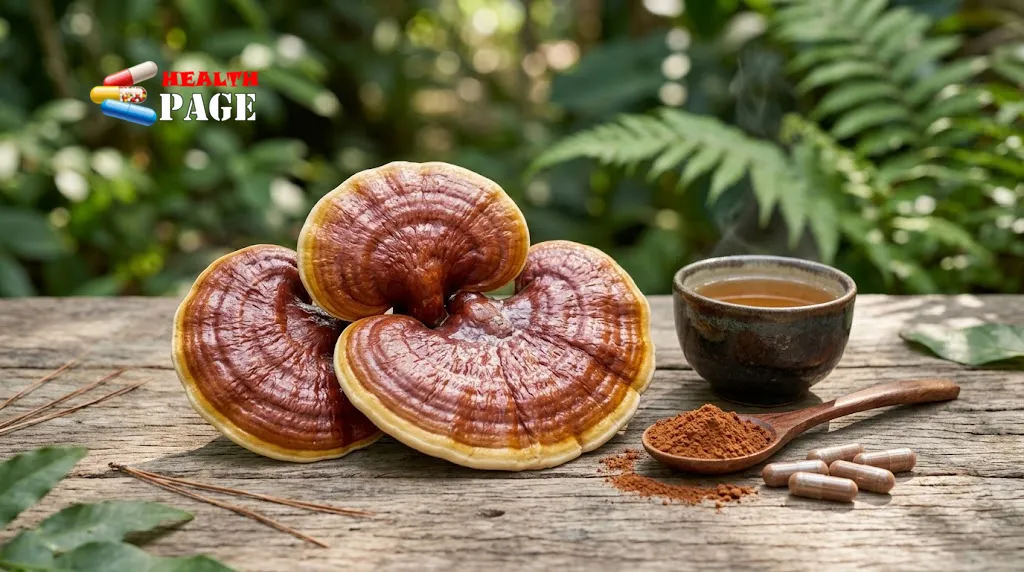
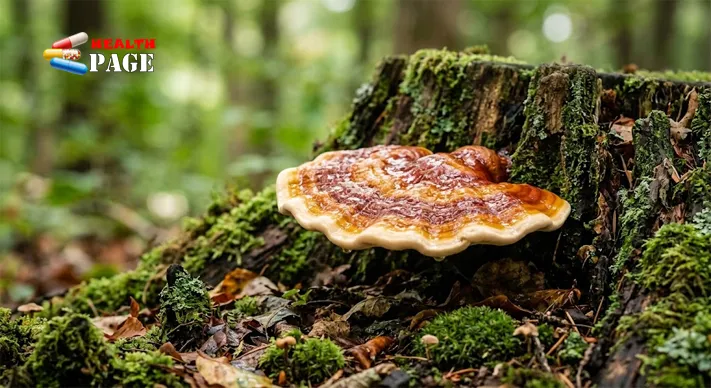
Reishi (Ganoderma lucidum, also called lingzhi) is a woody, glossy fungus that grows on decaying hardwood. It has a long place in traditional Chinese, Japanese and Korean medicine, where it was valued as a general tonic. Memorial Sloan Kettering Cancer Center notes that it is traditionally taken to raise energy and support the immune system, and that it is now sold as capsules, tablets, extracts, powders and teas.
Two groups of compounds attract most of the scientific attention. Beta-glucans, a type of polysaccharide (a long-chain carbohydrate), have been studied for how they interact with immune cells. Triterpenes, including ganoderic acids, are bitter plant compounds investigated for antioxidant and inflammation-related activity. Results from cell and animal experiments, though, do not automatically carry over to people. Whether a product uses the fruiting body (the visible mushroom), mycelium (the root-like network), spores or an extract changes what is actually in the container, and so does the extraction method.
7 Potential Benefits of Reishi Mushroom
Think of these as seven research themes rather than seven confirmed treatments. The strongest recent human evidence is a 2025 meta-analysis of 17 randomized trials with 971 participants. The trials it pooled used doses from 200 to 11,200 mg a day over 1 to 24 weeks, and its authors graded the certainty of the evidence as very low across all outcomes. That is a useful yardstick to carry through each section.
1. May support immune function
Most of the interest in lingzhi mushroom health benefits begins here. In laboratory and animal work, reishi extracts show immunomodulatory activity, meaning they can change how immune cells behave, and beta-glucans are thought to be responsible. What is missing is solid evidence that this translates into fewer infections or a stronger immune response in daily life. Because reishi may stimulate immune activity, Memorial Sloan Kettering advises anyone taking immunosuppressant medication to speak with their healthcare provider before using it.
2. Contains antioxidant compounds
Reishi’s antioxidant properties are among its better-documented traits. Small human studies summarized by Memorial Sloan Kettering found a rise in plasma antioxidant capacity after supplementation, and the 2025 meta-analysis reported a statistically significant increase in glutathione peroxidase, an antioxidant enzyme. A higher biomarker is not the same thing as better health, though, and nothing here shows that reishi prevents chronic disease. There is also a theoretical complication for people having chemotherapy: some cancer drugs work partly through free radicals, and antioxidant activity could in principle interfere with them. Everyday foods are the more familiar route to antioxidants, and Indian gooseberry juice is one example.
3. May influence inflammation-related pathways
Cell and animal studies have linked reishi polysaccharides to anti-inflammatory effects. In people, the picture is less encouraging. The 2025 meta-analysis found no significant overall change in the inflammatory markers it examined. Biologically interesting, then, but not yet a reliable clinical benefit.
4. Is being studied for cancer-related supportive care
Reishi is popular among people living with cancer, and researchers have tested it alongside standard treatment. A Cochrane review of five trials found that it may improve quality of life and perhaps treatment response, but the authors described that as uncertain and concluded that current evidence does not support routine use. It is not a cancer cure, and it must not replace prescribed treatment. Anyone weighing a complementary product should first understand what chemotherapy can and cannot do, then discuss reishi with their oncology team. One practical wrinkle: Memorial Sloan Kettering reports that reishi spore powder has been linked to raised levels of a tumor marker called CA72-4, which could muddy test results.
5. May be associated with changes in fatigue and well-being
A 2024 survey of more than 1,300 Chinese cancer patients who used reishi products found that most reported improvement in symptoms such as fatigue. That sounds promising, but a cross-sectional survey records what people say after the fact. It has no comparison group, so it cannot separate the effect of the mushroom from the effect of expectation, other treatments, or simple recovery over time. Its real value is in pointing researchers toward outcomes worth testing in proper trials.
6. May have cardiovascular effects
Reishi has been tested for blood pressure and cholesterol, with disappointing results. A Cochrane review of five trials in 398 people found no significant differences in blood pressure or triglycerides, and the 2025 meta-analysis found no significant overall improvement in blood pressure or lipid profile. It did report a small drop in heart rate, around four beats per minute on average, though with very low certainty. If heart health is the goal, lifestyle steps that keep blood vessels healthy have a much firmer evidence base.
7. Is being researched for metabolic health
The same meta-analysis found a small reduction in body mass index (about 0.4 points) but no significant effect on fasting glucose, body fat or waist circumference. Earlier Cochrane work in people with type 2 diabetes did not support using reishi for cardiovascular risk factors either. Reishi is not a substitute for diabetes medication or for established weight-management approaches.
Reishi Mushroom Supplement: Forms and How to Choose
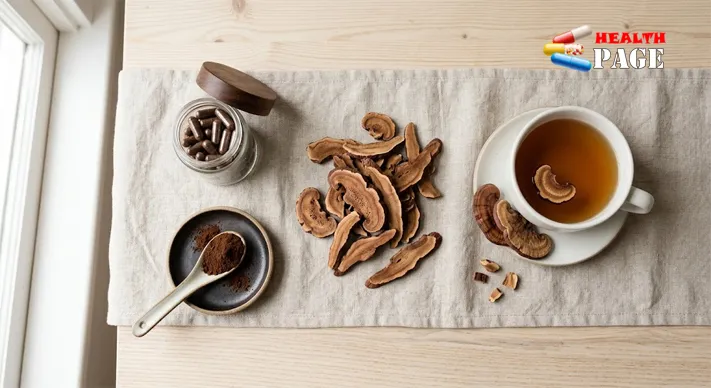
A reishi mushroom supplement can mean quite different things depending on what is inside. Different formulations cannot be assumed to behave the same way, which is one reason study results are hard to apply to a product on a shelf.
| Form | What to know |
|---|---|
| Capsules and tablets | Convenient, measured servings, but strength and content vary between brands. |
| Extracts (liquid or powdered) | May concentrate certain compounds; the extraction method and standardization matter. |
| Powder | May be dried mushroom or a concentrated extract, and the two are not equivalent. |
| Tea | A traditional preparation; strength depends on the product and how it is brewed. |
When choosing a product, a few checks help:
- Look for the scientific name (Ganoderma lucidum) and whether the product uses fruiting body, mycelium, spores or an extract.
- Read the serving size and the amount per serving, not just the front label.
- Prefer products with credible independent quality testing, including contaminant screening.
- Be wary of claims to cure cancer, reverse diabetes or guarantee immune results.
- Ask a pharmacist or clinician about suitability and interactions with your medicines.
Herbal products are not exempt from side effects just because they are natural, and even a familiar supplement such as fish oil has its own list of side effects of fish oil worth reading about.
Reishi Mushroom Powder: Uses and Benefits
Reishi mushroom powder is popular because it is flexible. Depending on the label, it can be stirred into warm water, blended into a smoothie or added to soup, although not every powder is designed to be prepared the same way. The key distinction is between ground mushroom and an extract. An extract may concentrate specific compounds, while plain dried powder should not be assumed to have equivalent potency.
The powder format does not in itself mean better results or better safety. Look for clear ingredient labeling, traceable manufacturing and independent testing. Be especially careful with spore powder: it is a different product from whole-mushroom powder, and Memorial Sloan Kettering lists it separately in its safety notes because of the tumor-marker issue described earlier.
Reishi Mushroom Tea: Preparation and Safety
Reishi mushroom tea is the traditional way to take the mushroom. The flavor is earthy and noticeably bitter, which some people find appealing and others find hard going, and that preference alone is a fair reason to choose tea over capsules.
In practice, preparation matters more than it does with ordinary tea. Choose a product intended for brewing and follow the manufacturer’s directions. Dried slices usually need longer simmering than a tea bag needs steeping, and the extraction method affects how much of the mushroom’s compounds reach the cup. A cup of tea should not be assumed to match a standardized extract, and drinking more of it will not speed up results or make it safer. There is not enough evidence to say that reishi tea reliably improves sleep, boosts immunity, detoxifies the body or prevents disease.

Reishi Mushroom Side Effects and Drug Interactions
The side effects reported most often include nausea, insomnia, dry mouth, constipation, itching and dizziness or vertigo, according to Memorial Sloan Kettering’s summary of the evidence. Digestive upset, including diarrhea, has also been reported. How common these effects are, particularly with long-term use, is not well established.
The more serious concern is the liver. Case reports describe liver injury linked to reishi, including a fatal case after powdered reishi use, and reishi mushroom liver toxicity is the main reason clinicians urge caution. Stop taking the product and seek prompt medical advice if you notice yellowing of the skin or eyes, dark urine or severe persistent nausea.
Some groups should be particularly careful and speak to a healthcare professional first:
- People taking blood thinners or antiplatelet medicines. Reishi may increase bleeding risk, which matters especially before surgery.
- People taking immunosuppressants. Reishi can enhance immune activity and may not be safe in this setting.
- People having cancer treatment. The chemotherapy and tumor-marker issues above make an oncology team’s input essential.
- People with liver conditions or unexplained liver symptoms.
- People who are pregnant or breastfeeding. Reliable safety information is lacking.
Laboratory work also suggests reishi compounds may affect certain liver enzymes involved in drug metabolism, although the clinical relevance is unknown. If you take medicines for blood pressure or blood sugar, mention reishi to your pharmacist as a precaution, even though firm interaction data are limited. Never stop a prescribed medicine or use reishi in place of medical treatment.
How Much Reishi Mushroom Should You Take?
There is no established dose that suits every product or every goal. The trials in the 2025 meta-analysis ranged from 200 to 11,200 mg a day, a fifty-fold spread, using different preparations over different timeframes. That variability is exactly why a dose from a study cannot simply be copied onto a commercial product.
What shapes a sensible amount is the type of product (whole-mushroom powder, spore powder or extract), how concentrated and standardized it is, your medical history and medications, and how long you plan to take it. Follow the product label only after a healthcare professional has confirmed it suits you. The same caution applies to other supplements, as in this guide to taking psyllium husk safely, where dose, timing and who should check first all matter.
Frequently Asked Questions
Is reishi mushroom safe to take every day?
It depends on the product, the dose, your health and your medicines. Long-term safety has not been properly established, so daily use is worth discussing with a pharmacist or doctor first.
Is reishi mushroom powder better than capsules?
Neither is automatically better. Compare the ingredients, whether it is dried mushroom or an extract, the amount per serving, third-party testing, taste, convenience and cost.
Is reishi tea good for you?
It is a traditional drink, but evidence for specific clinical benefits is limited, and the amount of active compounds varies with the product and brewing method.
Can reishi mushroom cure cancer?
No. It has been studied as a possible add-on to conventional care, but it is not an established cure and must not replace evidence-based treatment.
Does reishi lower blood pressure or blood sugar?
The evidence does not support using it for either purpose. People on medication for these conditions should still check with a professional before adding it.
How long does reishi take to work?
No reliable timeframe exists. Traditional use and laboratory studies cannot predict it, and clinical trials have not shown a consistent onset of benefit.
The Takeaway on Reishi Mushroom
The benefits of reishi mushroom are an active area of research rather than a settled list. Antioxidant markers and some symptom reports look encouraging, while the evidence for immunity, inflammation, heart health and blood sugar remains weak or inconsistent. Meanwhile the risks, from liver injury to interactions with blood thinners and immunosuppressants, are real enough to take seriously.
If you are curious, a sensible next step is to bring the product you are considering to a pharmacist or doctor, together with a list of your medicines, before you buy.
References
- Memorial Sloan Kettering Cancer Center. “Reishi Mushroom.” About Herbs, Botanicals & Other Products. https://www.mskcc.org/cancer-care/integrative-medicine/herbs/reishi-mushroom
- “The Nutritional Significance of Ganoderma lucidum on Human Health: A GRADE-Assessed Systematic Review and Meta-Analysis of Clinical Trials.” Published June 2025. https://www.ncbi.nlm.nih.gov/pmc/articles/PMC12160064/
- Li X, et al. “Symptom improvements and adverse effects with Reishi mushroom use: A cross-sectional survey of cancer patients.” Integrative Medicine Research, 2024. https://pmc.ncbi.nlm.nih.gov/articles/PMC11614793

Dr. Sana Lodhi is a qualified medical doctor (MBBS) with a strong commitment to patient care and evidence‑based medicine. With years of clinical experience and her current role at Liaquat University of Medical & Health Sciences (LUMHS), she brings trusted medical insights to readers, simplifying complex health topics into clear, practical guidance. Her passion lies in promoting preventive healthcare, empowering individuals to make informed decisions, and bridging the gap between medical knowledge and everyday wellness. At HealthyPost.co.uk, Dr. Lodhi shares expert perspectives on health, lifestyle, and medical awareness to help readers live healthier, more balanced lives.