
Can Men Squirt? Important Facts About Male Squirting and Ejaculation
The content provided in the article, “Can Men Squirt? Important Facts About Male Squirting and Ejaculation,” is intended strictly for informational and educational purposes only. This article has been written by Dr. He Feng (Urology and Andrology).
While authored by a medical specialist, this information does not constitute professional medical advice, diagnosis, or treatment, nor does it establish a doctor-patient relationship. Always seek the advice of your physician or another qualified healthcare provider with any questions you may have regarding a medical condition, sexual health, or urological symptoms. Never disregard professional medical advice or delay in seeking it because of something you have read in this article.
Can men squirt? Possibly, but the scientific evidence is extremely limited. The best documentation of male squirting is a single 2018 case report, and what it describes is not the same as ordinary ejaculation. Researchers still do not know how common the phenomenon is, whether every reported experience has the same explanation, or why a small number of men seem able to do it while most never will.
This article walks through what that report actually found, how male squirting compares with female squirting, semen, pre-ejaculate and retrograde ejaculation, and which symptoms deserve a conversation with a doctor. Where the evidence runs out, the article says so.
What is male squirting?
“Male squirting” is a popular term rather than a medical diagnosis. It usually describes clear fluid leaving the penis during sexual stimulation, often after semen has already been ejaculated and stimulation continues. The phrase has circulated in adult media and online forums for years, yet urology journals had almost nothing to say about it until 2018.
That year, Ryoei Hara and colleagues at Kawasaki Medical School in Japan published “Male squirting: Analysis of one case using color Doppler ultrasonography” in IJU Case Reports. The authors described it as the first recording of the phenomenon, and the open-access report on PubMed Central is short enough to read in full. Its key observations were:
- One participant. A 25-year-old volunteer who said he could squirt, examined with a transrectal ultrasound probe. Color Doppler imaging shows fluid movement in real time.
- Normal ejaculation first. Semen was ejaculated in the usual way. About 20 seconds later, with stimulation continuing, translucent, mist-like fluid emerged for roughly 60 seconds.
- Strong muscle contractions. The prostate and pelvic muscles contracted forcefully just before the fluid appeared, then repeated that rhythm about 20 times.
- Urine-like fluid. Its creatinine level was 55.9 mg/dL, similar to urine, and the ultrasound showed the bladder volume dropping by roughly 100 mL.
The authors concluded that, in this man, urine from the bladder was expelled through the urethra by those contractions. The volunteer also reported feeling orgasm during the event.
Equally important is what the report cannot tell us. One person cannot establish how often this happens, and the authors themselves wrote that not every man may be able to experience it, suggesting it might depend on a special technique or physical constitution. Male squirting is a documented but poorly understood phenomenon, not a universal ability.
Can men squirt like women?
There are real parallels. Both male and female squirting involve fluid leaving through the urethra during sexual stimulation, both can accompany orgasm, and both involve rhythmic pelvic muscle contractions. In each case, bladder-derived fluid appears to be part of the picture.
The differences matter just as much. The Hara report draws on work by the researcher Zlatko Pastor, who separates female ejaculation (a small amount of thick, milky fluid released by the Skene’s glands, sometimes called the female prostate) from squirting (an orgasmic release of a small amount of urine-like fluid) and from leakage caused by stress urinary incontinence. In the male case, the fluid was identified as urine because of its creatinine content. Creatinine is a waste product filtered out by the kidneys, which is why it works as a marker, and how the body makes urine explains that process step by step. The male episode also followed an ordinary semen ejaculation, a sequence the female literature does not describe in the same way.
So the honest answer is that the two phenomena are related in broad outline but not proven to be identical. Women’s squirting has a larger research base, though it has its own open questions; the male equivalent rests on one observation.
Can men squirt during sex?
Fluid release described as male squirting may occur during sexual stimulation, but the evidence is a single laboratory observation. In the 2018 report, the volunteer was stimulated manually, ejaculated, and kept receiving stimulation while remaining erect. Nothing in the literature establishes how often this happens during partnered sex, masturbation or any other activity.
Context helps here. Many men find further stimulation uncomfortable or unresponsive in the minutes after ejaculation, so the situation described in the report is not one most people will encounter.
Squirting is also not a benchmark of sexual performance. Not squirting says nothing about fertility, masculinity, libido or prostate health, and nobody should feel pressure to pursue it. Readers curious about solo activity more generally may find practical precautions in this guide to male masturbator safety and hygiene.
Male squirting and prostate stimulation
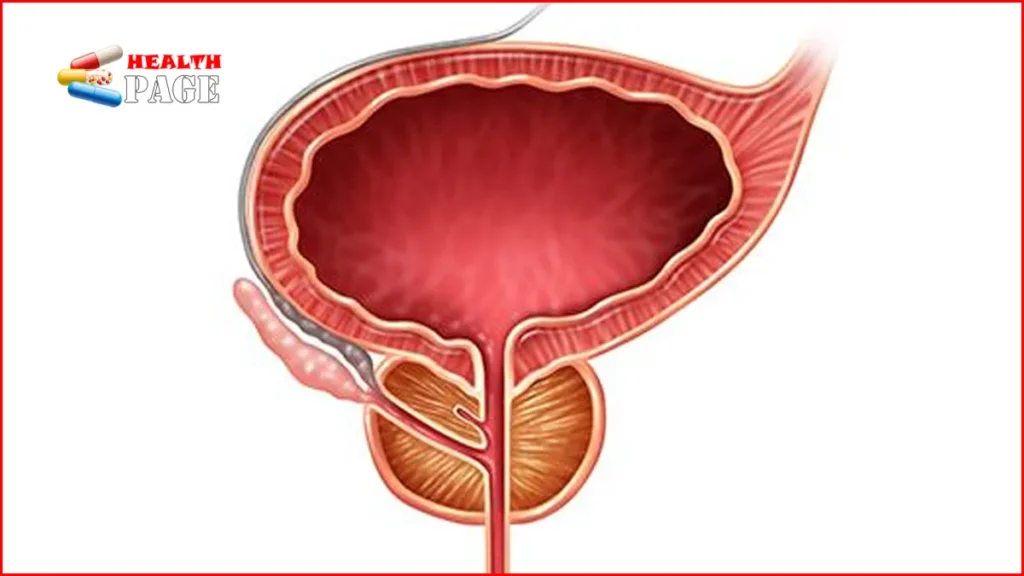
The prostate is a walnut-sized gland below the bladder that wraps around the urethra. It makes the prostatic fluid that becomes part of semen, and its muscular tissue contracts during ejaculation. Because it sits among pelvic nerves and muscles, stimulating it can produce noticeable sensations in some men.
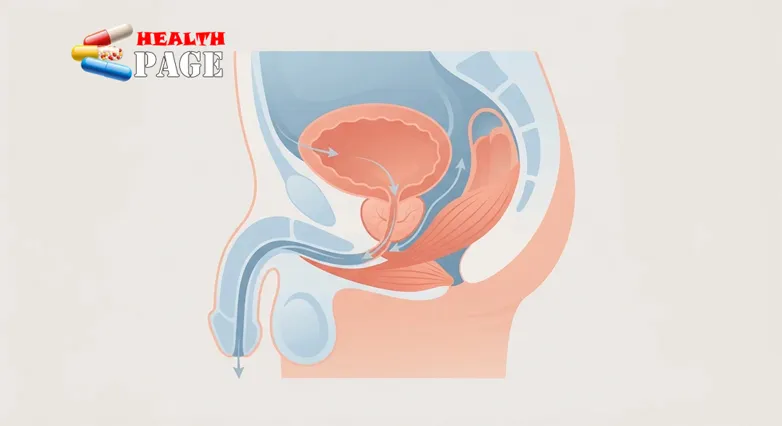
What the 2018 report adds is that strong prostate and pelvic muscle contractions came immediately before the squirting, and the authors judged them stronger than those seen in normal ejaculation. They suggested these contractions may play a central role. That is a plausible mechanism for one participant, not proof that prostate stimulation causes squirting. In the report the stimulation was of the penis, and the prostate was observed on ultrasound rather than massaged.
The pelvic floor muscles involved are the ones people train with exercises such as a pelvic floor warm-up routine, although no evidence shows that such training produces male squirting.
Prostate massage deserves a caution. It has not been established as a way to produce male squirting, nor as a treatment for prostate disease. Anyone with pelvic pain, urinary symptoms or a diagnosed prostate condition should speak with a doctor before experimenting. Nor is squirting a measure of prostate health: no evidence supports that idea in either direction.
Difference between male squirting and ejaculation
Fluid leaving the penis is about the only thing these have in common.
Ejaculation is the release of semen through the urethra. Semen is a mixture of sperm from the testes, fluid from the seminal vesicles, prostatic secretions and smaller contributions from other glands, pushed out by coordinated nerve signals and rhythmic muscle contractions. The prostate adds to semen but does not produce all of it. In the same volunteer, the report found ordinary ejaculation looked like it does in other men: the bladder neck closed as the prostate contracted, and seminal fluid was then ejected in rhythmic pulses.
Pre-ejaculate, often called pre-cum, is a third fluid. It is a clear secretion released during arousal, produced mainly by the bulbourethral (Cowper’s) glands with help from small glands lining the urethra. It lubricates and helps neutralise residual acidity from urine. It is not a sperm-producing fluid, but studies have not agreed on whether it can carry sperm, and traces have turned up in some men’s samples, so it should not be treated as sperm-free.
| Feature | Male squirting (documented case) | Semen (ejaculation) | Pre-ejaculate |
|---|---|---|---|
| Fluid source | Urinary bladder | Testes, seminal vesicles, prostate and other glands | Cowper’s and urethral glands |
| Appearance | Translucent, mist-like | Usually whitish or cloudy | Clear |
| Timing | About 20 seconds after ejaculation, with continued stimulation | During orgasm | During arousal, before ejaculation |
| Sperm | Not identified as semen | Yes | Not a sperm source; traces may be present |
| Evidence | One case report | Well established | Well established |
The table compares one documented case with typical physiology. It is not a description of every person’s experience.
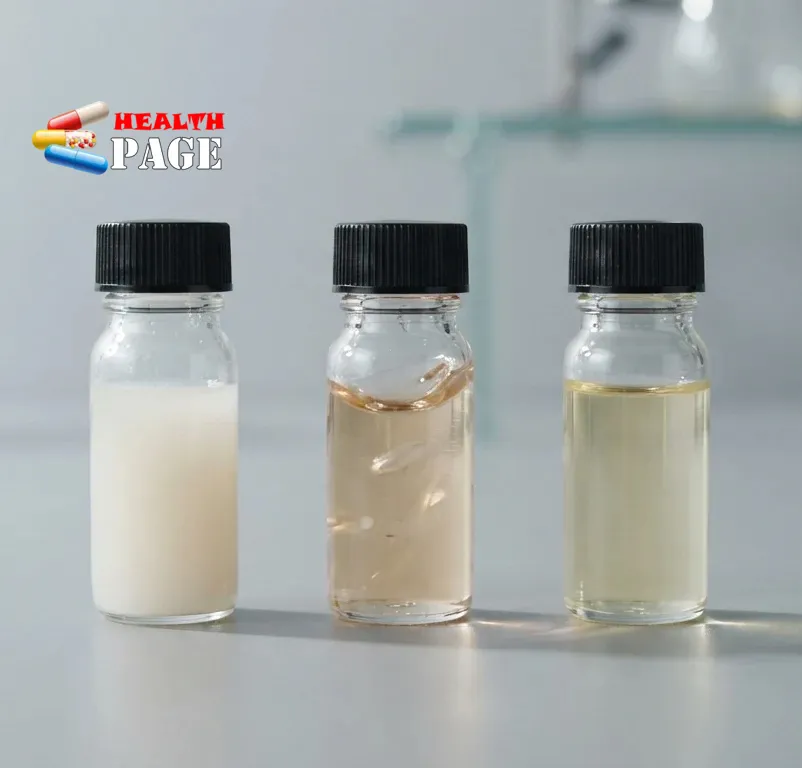
Orgasm and ejaculation are related but separate. Orgasm is the peak of pleasurable sensation, while ejaculation is the physical release of semen. They usually occur together, yet one can happen without the other. Some men have orgasms without releasing semen, a pattern called anejaculation that can follow nerve problems, medication effects or other medical factors. Seeing fluid, then, does not automatically mean ejaculation has occurred, and the absence of semen does not mean a man has squirted.
Male squirting versus retrograde ejaculation
These are easy to confuse because both can change what a man sees afterwards. Retrograde ejaculation happens when the bladder neck fails to close during ejaculation, so semen travels backwards into the bladder instead of out through the penis. According to the NHS guidance on ejaculation problems, the main signs are producing little or no semen with orgasm and passing cloudy urine afterwards. The condition is not harmful to health but can affect fertility, and common causes include prostate or bladder surgery, diabetes, multiple sclerosis and alpha blockers, a class of medicine used for high blood pressure.
The key distinction is direction. In retrograde ejaculation, semen moves into the bladder. In the documented squirting case, fluid moved out of the bladder. Anejaculation is different again: no semen is expelled at all. Neither condition should be mistaken for squirting, and a man who notices persistently dry orgasms, particularly when trying to conceive, should have it checked.
Is male squirting normal, and when should you see a doctor?
The case report did not describe the phenomenon as a disease, and nothing in it suggests harm. Still, unusual discharge should not be assumed to be squirting. Burning when you urinate or a constant urge to go can come from infections, stones or bladder irritants, and how alcohol affects the bladder, kidneys and prostate is one example of an everyday factor worth understanding.
Consider seeing a healthcare professional if fluid release comes with any of the following:
- Blood in the urine or semen
- Painful ejaculation
- Burning or pain when urinating
- Discharge at times unrelated to sexual activity
- Pelvic or testicular pain
- Fever or chills
- A lasting change in urinary or sexual function
These symptoms can point to urinary tract infections, urethritis, prostatitis or other urological conditions. The NHS page on prostatitis describes prostate inflammation, usually caused by infection, with symptoms that include painful or difficult urination, pain in the penis, scrotum, testicles or bottom, pain on ejaculation and a high temperature. Fever combined with significant pelvic pain, or difficulty passing urine at all, calls for prompt medical assessment.
Pain in the pelvis or groin has many possible origins, from muscle strain to urological problems, and this overview of groin pain causes and warning signs can help you describe what you are feeling to a clinician. The appearance, amount or smell of a fluid cannot diagnose anything by itself.
Myths and facts about male squirting
| Common belief | What the evidence supports |
|---|---|
| All men can squirt | Research is insufficient, and the case-report authors suggest not every man can |
| It is exactly the same as ejaculation | The documented fluid came from the bladder, not the semen pathway |
| It always contains semen | Not in the documented case |
| Prostate stimulation always causes it | This has not been established |
| Being unable to squirt signals a sexual health problem | No evidence supports this |
| Squirting proves a healthy prostate | No evidence supports this |
Frequently asked questions
Is male squirting just urination?
In the one documented case, the fluid was largely urine from the bladder, judged by its creatinine level and the drop in bladder volume. The release was driven by strong rhythmic muscle contractions and felt like orgasm to the volunteer, which is not how ordinary urination works. Whether every reported experience matches this is unknown.
Does fluid after sex always mean squirting?
No. Pre-ejaculate, leftover semen, discharge from an infection and urinary leakage can all produce fluid, and appearance alone cannot settle which it is. Persistent or painful symptoms are worth a medical opinion.
Can men learn to squirt?
No study has tested training methods. The case-report authors suggested it might require a special technique or physical constitution without specifying either, so online instructions remain anecdotal and should be treated cautiously.
Can men squirt without ejaculating first?
That is unknown. The documented episode followed a normal ejaculation, and the report offers no data on other sequences.
Does squirting affect fertility?
Nothing indicates that it does. In the report, semen was ejaculated first and looked typical on ultrasound. A man worried about fertility, or noticing little or no semen, should be assessed, since retrograde ejaculation is one recognised cause worth ruling out.
Conclusion
So, can men squirt? One carefully documented case says yes, in the sense that urine-like fluid can be expelled after ejaculation when the prostate and pelvic muscles contract strongly. What science has not established is how often it happens, whether it works the same way in every man, or whether it can be learned. It differs from ordinary ejaculation, from pre-ejaculate and from retrograde ejaculation, and it is not a marker of sexual or prostate health.
A sensible next step is to keep expectations realistic and treat any pain, blood, fever or lasting urinary or sexual change as a reason to see a doctor rather than a quirk to explain away.
References
- Hara R, Nagai A, Nakatsuka T, Ohira S, Fujii T, Miyaji Y. “Male squirting: Analysis of one case using color Doppler ultrasonography.” IJU Case Reports, 2018;1:19–21. doi:10.1002/iju5.12021. PubMed Central
- NHS. “Ejaculation problems.” nhs.uk/conditions/ejaculation-problems
- NHS. “Prostatitis.” nhs.uk/conditions/prostatitis

Medical Reviewer: Dr. He Feng, MD
Specialist in Urology & Andrology | Clinical Contributor
Dr. He Feng is an expert urologist and andrologist practicing at
Beijing Jishuitan Hospital, widely recognized as the
Fourth Medical College of Peking University in China. With extensive clinical experience
in advanced genitourinary health, Dr. Feng specializes in the diagnostic assessment, management,
and treatment of complex urological conditions, obstructive urinary disorders, and male reproductive health.
His medical contributions on HealthPage focus on translating complex urological pathologies—such
as prostate health, urolithiasis (kidney stones), and renal system care—into highly accessible,
evidence-based guidance for patients globally.
Clinical Affiliation & Triage:
Beijing Jishuitan Hospital (The Fourth Medical College of Peking University)
Professional Inquiries:
[email protected]