
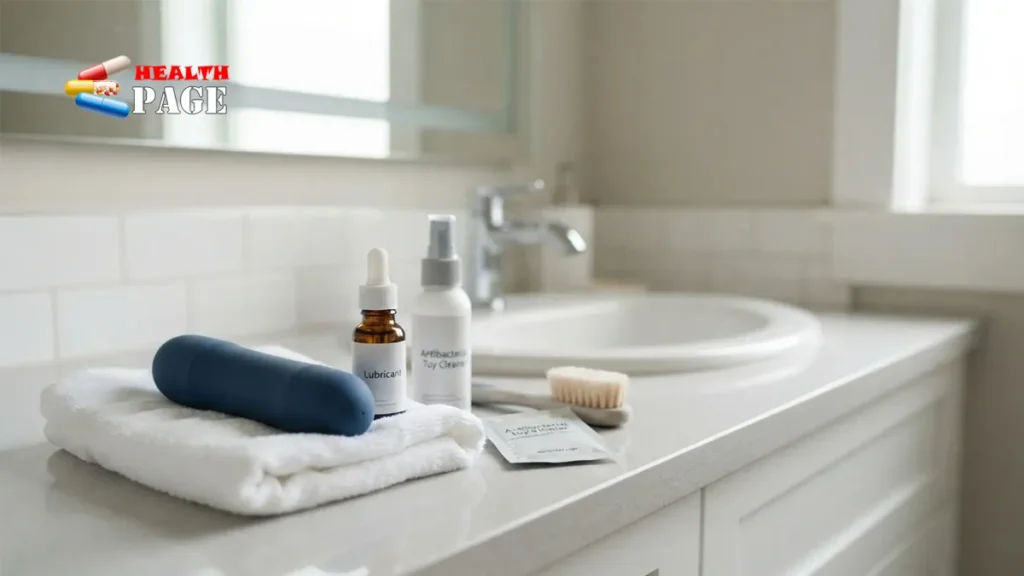
Male Masturbator: Important Safety, Hygiene, and Health Facts
Medical Disclaimer: The information provided in the article “Male Masturbator: 7 Important Safety, Hygiene, and Health Facts” is for general educational and informational purposes only and does not constitute medical advice, diagnosis, or treatment. Always consult a qualified healthcare professional with any questions you may have regarding sexual health, hygiene, irritation, or a medical condition, and never disregard professional medical advice or delay seeking it because of something you have read.
Author: Dr. Sana Lodhi (General Medicine)
A male masturbator is a device designed for adult penile stimulation, and for most people it can be a low-risk part of sexual wellness. Safety depends on a few practical things: what the device is made of, how clean it is, whether you use enough lubricant, and how you respond when something feels wrong. This article covers those points in plain language, along with how to clean one and when a symptom is worth a medical opinion. It is general education, not a product guide, and it makes no health claims on behalf of any device.
What Is a Male Masturbator?
The term covers a wide range of products. The simplest are manual sleeves, often called strokers, which are soft tubes the user moves by hand. Others add vibration, suction, or a motor that moves the device automatically. Some are rechargeable and electronic, which changes how they must be cleaned, because water and electronics don’t mix unless a product is specifically rated as waterproof.
People use them for many reasons: curiosity, variety, solo pleasure, or as part of a couple’s routine. They are not a medical treatment. There is no reliable evidence that a male masturbator treats erectile dysfunction, premature ejaculation, or fertility problems, and any product that claims otherwise should be viewed sceptically. Male sexual wellness is better served by accurate information and attention to your own body than by performance promises.
Is a Male Masturbator Safe?
Generally, yes, with conditions. An undamaged device made from suitable material, kept clean, used with adequate lubricant, and handled gently is a reasonable choice for adult personal use. The risk comes from the details. Poor-quality materials, a device that is never properly washed, too little lubricant, or too much pressure can each cause irritation or minor injury.
One point worth knowing is that “body-safe” is a marketing term rather than a regulated standard. As there are no regulations on sex toys, any maker can use the label. That means the material list matters more than the claim on the box. Solo use also carries little infection risk on its own. The picture changes if a device is shared, which comes up again below. spunout
Male Masturbator Safety: Materials, Friction, and Lubrication
Why material matters
The most useful distinction is between porous and non-porous materials. Porous materials contain microscopic gaps where moisture and bacteria can settle, so washing may not remove everything. Planned Parenthood’s guidance, as reported by Rewire News Group, lists 100 percent silicone, hard plastic, aluminium, glass, and stainless steel as non-porous options, and warns that silicone blends may be porous. Rubbery materials such as TPE, TPR, jelly rubber, and PVC fall on the porous side. rewirenewsgrouprochester
This matters because many soft strokers are made from exactly those rubber-like materials. They can still be used, but they demand more careful cleaning, thorough drying, and replacement at the first sign of damage or odour. Some soft plastics have also been softened with chemicals called phthalates. A harsh chemical smell is a reason not to use a toy at all. spunout
| Material | Porosity | Cleaning ease | Practical note |
|---|---|---|---|
| 100% silicone | Non-porous | Easy | Check lubricant compatibility |
| Hard plastic (ABS) | Non-porous | Easy | Often used for electronic casings |
| Glass, stainless steel | Non-porous | Easy | Rare in sleeve-style designs |
| TPE / TPR / jelly rubber | Porous | Harder | Dry fully; replace if tacky or smelly |
| PVC, silicone blends | Often porous | Harder | Confirm composition with the maker |
Lubricant and friction
Friction is the most common cause of discomfort. Lubricant during intercourse and masturbation can reduce friction and the likelihood of penile skin peeling. Water-based lubricant is the safest default because it is generally compatible with most devices. Silicone-based products are a different matter: they are not safe to use with silicone sex toys. Oil-based products can degrade some rubbery materials too, so follow the manufacturer’s compatibility notes. If you are unsure, patch-test a small area of the device, then check it the next day for tackiness or a changed texture. medicalnewstodaydu
Pressure and speed matter as well. Rough or prolonged use on a dry device is a straightforward route to chafing, however well made the device is.
Male Masturbator Hygiene: What Actually Keeps It Clean
Hygiene is a routine rather than a single event. It covers the device, your own skin, and how the device is stored.
Washing your hands and the genital area before use is sensible, and it applies to the skin too. Soaps, shower gels, and other products can irritate. The NHS lists soaps, shower gels, and condoms among substances that may irritate the penis and contribute to balanitis, an inflammation of the head of the penis. Mild, unscented products are the safer choice, and rinsing thoroughly matters more than scrubbing hard. nhs.uk
After use, clean the device promptly. Semen and lubricant left inside a closed sleeve create a damp environment where bacteria and mould can establish themselves, and the smell and stickiness that follow are early warnings that the device is degrading.
Storage is the part people neglect. A device that goes into a drawer damp, or in contact with other toys, can deteriorate. Some silicone products can react when stored touching each other, so keep each item separate in a breathable pouch or clean box. boots
How to Clean a Male Masturbator
Cleaning instructions vary by material and design, so the manufacturer’s guidance comes first. What follows is a general framework for washable, non-electronic devices, and it is no substitute for the instructions that came with yours.
- Check what it is. An electronic or motorised device should not be submerged unless it is rated waterproof. Wipe those with a damp cloth around the controls and follow the maker’s instructions.
- Rinse immediately with lukewarm water to remove lubricant and fluids before they dry.
- Wash with mild soap. A gentle, unscented soap is usually appropriate for washable devices. Work it through the interior with clean fingers, or use a detachable sleeve if the design allows it. For non-porous silicone, mild soap and warm water or a damp soapy cloth is the usual advice. mindbodygreen
- Rinse until there is no soap residue. Leftover soap is a common cause of skin irritation.
- Dry completely. Pat the outside with a lint-free cloth, then air-dry every part, including the interior, before storing. Trapped moisture is the main reason devices grow smelly or mouldy.
- Store separately in a clean, dry place away from heat and direct sunlight.
Avoid harsh chemicals, strong disinfectants, or very hot water unless the manufacturer says the material tolerates them. These can damage the surface and leave residues against sensitive skin.
Seven Important Safety, Hygiene, and Health Facts
Most of the earlier sections feed into these seven points, which are worth keeping in mind as a short checklist.
- “Body-safe” is not a guarantee. Look at the actual material and buy from makers who disclose it.
- Non-porous is easier to keep clean. Porous materials are usable but need more care and earlier replacement.
- Lubricant protects the skin. Choose a water-based product unless the maker says otherwise.
- Wash before and after use. Clean the device after every session, and clean the skin gently without harsh products.
- Dry fully before storage. Moisture is where odour, mould, and material breakdown begin.
- Sharing needs a barrier. Planned Parenthood warns that body fluids on a toy can pass infection to the next person who uses it. SH:24 advises covering penetrative toys with a condom, and using a separate toy with each partner. rewirenewsgroupsh24
- Pain is information. Stop if you notice burning, numbness, swelling, or bleeding.
Common Hygiene Mistakes
Several habits cause most of the avoidable problems. Skipping cleaning because the device “looks dry” is the first. A damp interior is invisible, and it is where bacteria thrive. Using harsh soaps or strong disinfectants is the second, since they irritate both the device and the skin. Storing a sleeve while still damp and sealed in a bag is a third. Finally, many people keep using a device long after it has become sticky, cracked, or discoloured. A damaged surface is harder to clean and more likely to cause abrasion, so replacement is the safer option.
When Should You Stop Using One?
Mild, brief redness or tenderness after a vigorous session usually settles within a day or so. It is a signal to use more lubricant and less pressure next time, and to give the skin a break.
Stop using the device if you have pain, burning, numbness, swelling, or bleeding. Seek medical advice if symptoms persist, or if you notice sores, unusual discharge, or signs of infection. Balanitis, for example, can result from poor hygiene, irritating soaps, thrush, bacterial infection, or a sexually transmitted infection, so the cause is not always obvious from the symptoms alone. Pain that spreads beyond the penis, such as in the area covered in this guide to groin pain and when to see a doctor, also deserves a professional opinion.
Sudden, severe pain, significant swelling, or any injury to the penis, particularly one involving a device that has become stuck or a change in an erection that does not settle, needs urgent medical attention. In the UK, that means contacting NHS 111, your GP, or A&E rather than waiting.
Frequently Asked Questions
How often should I clean it?
After every use. Rinsing straight away is easier than removing dried residue later, and a quick wash before use is reasonable if the device has been stored for a while.
Can I use any lubricant with it?
Water-based lubricant is the most widely compatible choice. Silicone-based and oil-based products can damage some materials, so check the manufacturer’s notes before using them.
Is it safe to share a male masturbator?
It carries more risk than solo use. Infectious fluids can pass between users on an inadequately cleaned device, so a new condom for each person plus proper cleaning is the minimum. A separate device for each person is safer still.
Can a male masturbator cause irritation or injury?
It can if there is too little lubricant, too much pressure, or a damaged surface. Most cases are temporary redness or tenderness, but pain, bleeding, or swelling should prompt you to stop.
How do I know when to replace it?
Replace it if it becomes sticky or cracked, develops a persistent smell or discolouration, or if you notice mould that does not wash away. Soft, porous devices usually wear out sooner than non-porous ones.
Conclusion
A male masturbator can be used safely when the basics are handled: a recognisable, preferably non-porous material, a compatible water-based lubricant, careful washing, full drying, and sensible storage. The habits that prevent most problems are unglamorous, which is exactly why they work. If your body signals pain, irritation, or anything unusual, stop and take it seriously, and if symptoms persist, a GP or sexual health clinic is the right next step.
Medical note for editors: this article is general health education and should be reviewed by a qualified clinician before publication.
References
- NHS, “Balanitis”: https://www.nhs.uk/conditions/Balanitis/
- SH:24, “How to clean your sex toys”: https://sh24.org.uk/help-centre/how-to-clean-your-sex-toys
- Planned Parenthood, “Sex Toys”: https://www.plannedparenthood.org/learn/sex-pleasure-and-sexual-dysfunction/sex-and-pleasure/sex-toys (could not be opened directly, and the material guidance above comes from secondary reports of it, so check it before publishing)

Dr. Sana Lodhi is a qualified medical doctor (MBBS) with a strong commitment to patient care and evidence‑based medicine. With years of clinical experience and her current role at Liaquat University of Medical & Health Sciences (LUMHS), she brings trusted medical insights to readers, simplifying complex health topics into clear, practical guidance. Her passion lies in promoting preventive healthcare, empowering individuals to make informed decisions, and bridging the gap between medical knowledge and everyday wellness. At HealthyPost.co.uk, Dr. Lodhi shares expert perspectives on health, lifestyle, and medical awareness to help readers live healthier, more balanced lives.