
Konjac Rice: 7 Benefits, Nutrition Facts and Side Effects
Medical Disclaimer: The article titled “Konjac Rice: 7 Benefits, Nutrition Facts and Side Effects”, written by Dr. Sana Lodhi, MBBS (General Medicine), is provided for informational and educational purposes only. It does not constitute professional medical advice, diagnosis, or treatment. Always seek the advice of your physician or other qualified health provider with any questions you may have regarding a medical condition, dietary changes, or the use of natural health products such as glucomannan.
Open a pouch of konjac rice and the first thing you notice is how little there is to it. It is translucent, rice-shaped grains sitting in water, with a label that often shows around 10 calories per 100 g. That is why people trying to cut calories or carbohydrates are drawn to it, and also why it attracts so many inflated claims.
The short answer is that it can be a useful low-calorie, high-fibre alternative to regular rice, especially in saucy dishes where it takes on the flavour around it. It is not a fat-burning food and it does not match rice nutritionally. Most of the research people quote was done on glucomannan capsules or powders, not on the rice-shaped product. Below you will find what it is made from, what the label really tells you, seven potential benefits, the side effects worth knowing about, and how it compares with white rice.
What Is Konjac Rice and How Is It Made?
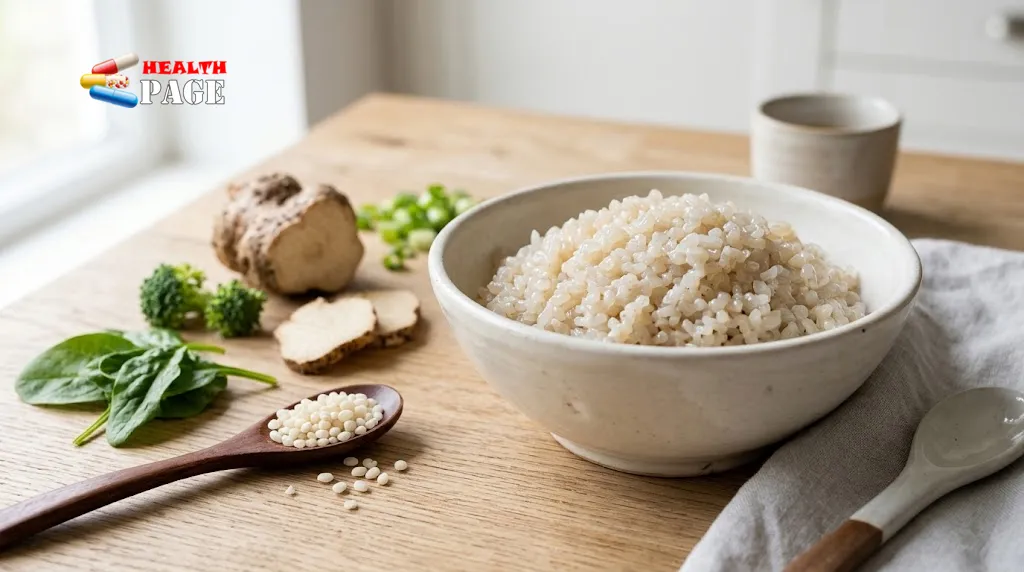
Konjac rice is made from konjac flour, which comes from the corm (the starchy underground stem) of Amorphophallus konjac, a plant native to East Asia. Its main component is glucomannan, a soluble dietary fibre that soaks up water and forms a thick gel. Manufacturers blend the flour with water and a mild alkaline setting agent, usually calcium hydroxide, then shape the gel into small grains. The same product is sold as shirataki rice, konnyaku rice or glucomannan rice.
Konjac has a long culinary history. In Japan, where it is called konnyaku, and in parts of China, it has been made into blocks, jellies and shirataki noodles for centuries. Rice-shaped versions are a more recent product of modern food processing.
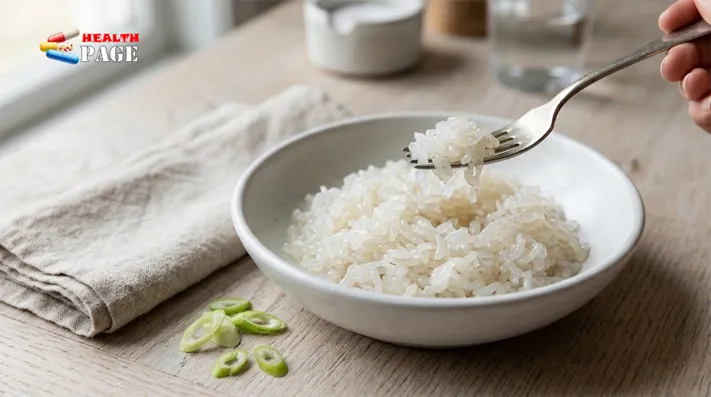
Two clarifications help avoid confusion. Raw konjac corms are not eaten as dug up, because they can irritate the mouth and throat, so processing is what makes the food suitable to eat. A properly manufactured pouch is not inherently risky. Also, not every product sold under this name is pure konjac. Some blend konjac fibre with rice flour, broken rice, potato starch or oat fibre, which changes the calories and carbohydrates considerably. The ingredient list is the quickest way to tell which one you are holding. The texture is chewy and slightly springy rather than fluffy.
Konjac Rice Nutrition: What the Label Really Shows
Most of a wet-pack pouch is water, and labels for ready-to-heat products often list konjac flour at only a few percent of the weight. Typical figures per 100 g are therefore roughly 5 to 20 kcal, 0 to 4 g of carbohydrate, 2 to 5 g of fibre, and next to no protein or fat. Vitamins and minerals are negligible. Fibre is the nutritional point of the product, and there is little else.
Dry and blended products behave differently. Manufacturer specifications for some fibre-enriched dry products quote figures in the region of 48 to 80 kcal and 19 to 31 g of fibre per 100 g. Those numbers depend on whether the manufacturer is weighing the product dry, hydrated or ready to eat, so they cannot be applied to konjac rice in general. They show how widely products differ, not what a typical serving holds.
When comparing labels, a few checks help:
- Whether the figures are per 100 g of dry product or of prepared food
- Total carbohydrate and fibre together, which show how much is actually digestible
- The ingredients, since rice flour or starch raises both carbohydrate and calories
- Protein, which will be close to zero in pure konjac products
For context on the fibre, UK guidance recommends 30 g a day for adults, and most people fall short. A drained portion of about 150 g of a wet-pack product might supply roughly 3 to 7 g. That is a useful contribution but not a complete answer to the daily target.
Seven Potential Benefits of Konjac Rice
Much of the research behind these benefits tested glucomannan as a capsule or powder at set doses, often several grams a day, rather than a serving of rice made from konjac. Read the benefits below as plausible and partly supported, not guaranteed.
1. It can help you feel full on far fewer calories
Swapping 150 g of cooked white rice (about 195 kcal) for the same weight of a wet-pack product (roughly 15 to 30 kcal) can trim around 165 to 180 kcal from a meal. Glucomannan swells in the stomach and thickens its contents, which may make a meal feel more satisfying.
The evidence for glucomannan as a weight-loss supplement is weak, though. The NIH Office of Dietary Supplements consumer fact sheet on weight-loss supplements says it has little to no effect on weight loss. The calories saved only help if they are not made up elsewhere in the day.
2. It may support digestive health and regularity
Glucomannan is a viscous soluble fibre. It holds water, adds bulk to stool and can soften it, which may make bowel movements easier. Health Canada has authorised some glucomannan supplements for constipation. Their doses are far higher than a serving of rice provides, and they come with strict fluid instructions.
Fibre from varied sources is the better foundation. Foods such as overnight oats with chia seeds add soluble fibre along with protein, minerals and fats that konjac rice lacks. Whatever the source, drink enough fluid as your fibre intake rises.
3. It may contribute to healthier cholesterol levels
A 2017 systematic review and meta-analysis pooled 12 randomised trials with 370 participants, eight in adults and four in children. It found that about 3 g of konjac glucomannan a day was associated with roughly 10% lower LDL cholesterol and 7% lower non-HDL cholesterol, with no clear effect on apolipoprotein B. The authors noted that earlier trials were relatively small and short.
Those results come from supplement doses. Konjac rice is a possible part of a heart-conscious eating pattern, not a treatment for high cholesterol, and it should never replace prescribed medicines. Our cardiology section covers the wider picture of diet, cholesterol and heart health.
4. It may help moderate blood sugar after meals
Soluble fibre can slow the digestion and absorption of carbohydrate, and the NIH fact sheet notes that glucomannan might help lower blood sugar. Konjac rice also replaces a food that is roughly 28% carbohydrate by weight with one that contains very little digestible carbohydrate. The result for any one person depends on the product, the portion and what else is on the plate.
People with diabetes should keep monitoring their glucose and follow their care team’s advice. Konjac rice is a food choice, not a diabetes treatment.
5. It lets you keep familiar rice-based meals
Curries, stir-fries and rice bowls are easier to stick with when the format stays the same. Using konjac rice for part or all of the grain lowers the energy density of the dish without changing how you eat it.
The saving shrinks quickly if the dish gains a lot of oil, butter or sugary sauce, so it depends on what the rice replaces and what goes with it.
6. It fits low-carbohydrate eating patterns
Wet-pack konjac rice is mostly fibre and water, so many products suit people following low-carbohydrate or ketogenic diets. Blended products are the exception. Anything containing rice flour or starch can carry far more carbohydrate, so the nutrition panel matters more than the front-of-pack claim.
7. It is naturally gluten-free and plant-based
Pure konjac rice contains konjac flour, water and a setting agent, with no cereal grain, and many brands label it gluten-free and vegan. People with coeliac disease should still check the label for blended ingredients and cross-contamination warnings.
Konjac Rice vs Regular Rice
A fair comparison uses the same weight basis, prepared konjac rice against cooked rice, never dry against cooked. The white rice figures are USDA FoodData Central reference values for enriched, long-grain, cooked rice. The konjac ranges reflect typical wet-pack labels and vary by brand.
| Per 100 g, prepared | Konjac rice (wet-pack) | Cooked white rice |
|---|---|---|
| Calories | about 5–20 kcal | 130 kcal |
| Carbohydrate | about 0–4 g | 28.2 g |
| Fibre | about 2–5 g | 0.4 g |
| Protein | about 0–0.5 g | 2.7 g |
| Fat | under 0.5 g | 0.3 g |
| Texture | chewy, springy | soft, fluffy |
Neither food wins outright. Konjac rice sits with other very low-calorie foods as a way to add volume to a meal for very little energy. Regular rice supplies the energy, some protein and, when enriched, iron and folate. That matters for athletes, growing children, older adults with small appetites and anyone who is underweight. A half-and-half mix is a practical compromise, and it also helps you get used to the texture.
Is Konjac Rice Actually Healthy?
For most healthy adults, yes, provided the product is properly manufactured, eaten in reasonable portions and used alongside other foods rather than instead of them. Its strength is soluble fibre at very little energy cost. Its limits are just as real. Products differ widely, some contain added starch, and it supplies almost no protein, vitamins or minerals, so it cannot serve as a complete staple. Large servings can upset digestion, and a balanced day, including a nutritious breakfast that supports weight loss, will do more for your weight than any single swap.
You may also see bolder claims, such as detoxifying the body, burning fat directly, balancing acidity, lowering blood pressure or preventing cancer, diabetes or Alzheimer’s disease. None of these is established for konjac rice, and the diet-industry language around them deserves scepticism.
Side Effects and Who Should Be Careful
Most side effects come from the fibre. Loose stools, gas, bloating, abdominal discomfort and, when fluid intake is low, constipation are the usual complaints. The NIH fact sheet lists these for glucomannan at supplement doses. They are most likely if you jump from a low-fibre diet to a large serving. Starting with a quarter to half a pack mixed with regular rice, and drinking water through the day, gives the gut time to adjust.
Choking and blockage deserve separate mention. A 2010 Health Canada advisory warned that glucomannan tablets, capsules and powders can cause choking or blockage of the throat, oesophagus or intestine if taken without at least 8 ounces (a full glass) of fluid. It said they should not be used by anyone with difficulty swallowing. Those warnings concern concentrated supplements that swell quickly, and rice that arrives already hydrated is a different matter. Even so, chew well, and seek urgent care if chest pain, vomiting or trouble swallowing or breathing follows a meal.
Check with a doctor, pharmacist or dietitian first if any of these apply:
- You have swallowing difficulties, oesophageal narrowing, or a history of bowel obstruction or bowel surgery
- You have inflammatory bowel disease or have been told to limit fibre
- You take medicines where timing matters, including diabetes medicines, because viscous fibre can slow the absorption of some oral drugs
- You have a history of disordered eating, since very low-calorie foods can make restriction easier
How to Prepare and Eat Konjac Rice
Follow the packaging, because instructions differ by product. For wet-pack types, drain and rinse thoroughly under running water. The packing liquid can have a faint smell that usually disappears with rinsing. Heating the grains in a dry pan for a few minutes drives off surplus water and gives a firmer bite. Dry products usually need soaking or boiling first.
The flavour is almost neutral, so it suits strong seasoning. A few combinations that work:
- Stir-fried with tofu, garlic, ginger and mixed vegetables
- Scrambled with eggs and spring onion for an egg-fried style dish
- Under a bean chilli or vegetable curry
- Mixed half and half with regular rice
- Beside grilled chicken and steamed greens, and if you buy ready-cooked chicken it helps to know whether rotisserie chicken is healthy
Pairing it with protein and vegetables matters. On its own, konjac rice gives you fibre and little else.
Frequently Asked Questions
Does konjac rice taste like rice?
Not exactly. The flavour is mild and close to neutral, and the texture is chewier and more gelatinous than fluffy rice. Rinsing well and dry-frying briefly reduces any smell from the packing liquid, and seasoned sauces do most of the flavouring.
Can people with diabetes eat konjac rice?
Many can, since pure products contain very little digestible carbohydrate. Blended products may contain much more, so read the label first. Keep monitoring your glucose and talk to your care team before changing your diet or medicines.
Can you eat it every day?
Many people tolerate it daily, but it provides almost no protein or micronutrients. Keep other staples such as wholegrains, potatoes or pulses in the week, and pay attention to how your digestion responds.
Is konjac rice the same as a glucomannan supplement?
No. Supplements concentrate the fibre into capsules or powders, and those carry the choking warnings and most of the research. Rice made from konjac is mostly water, so findings from supplement trials do not transfer directly.
Is it suitable for children?
It is not designed as a staple for children, who need energy and protein for growth. Ask a paediatrician or dietitian before using it regularly in a child’s diet.
Where Konjac Rice Fits in a Balanced Diet
Used sensibly, konjac rice is a convenient way to lower the calories and digestible carbohydrates in familiar meals while adding soluble fibre. The potential benefits for fullness, digestion, cholesterol and blood sugar are real but modest, and they come mostly from research on supplements. The risks are mainly digestive, with a rarer choking concern around concentrated glucomannan products.
A practical next step is to compare the label per 100 g of prepared food, start with a small portion mixed into your usual rice, and build the rest of the plate around protein and vegetables. For more ideas, browse our healthy food guides.
References
- NIH Office of Dietary Supplements. Dietary Supplements for Weight Loss: Fact Sheet for Consumers (glucomannan section).
- Ho HVT, et al. A systematic review and meta-analysis of randomized controlled trials of the effect of konjac glucomannan, a viscous soluble fiber, on LDL cholesterol and the new lipid targets non-HDL cholesterol and apolipoprotein B. American Journal of Clinical Nutrition, 2017.
- Health Canada. Health Canada Advises Canadians that Natural Health Products containing Glucomannan May Cause Serious Choking if Used with Insufficient Fluid (advisory, 29 January 2010, archived).

Dr. Sana Lodhi is a qualified medical doctor (MBBS) with a strong commitment to patient care and evidence‑based medicine. With years of clinical experience and her current role at Liaquat University of Medical & Health Sciences (LUMHS), she brings trusted medical insights to readers, simplifying complex health topics into clear, practical guidance. Her passion lies in promoting preventive healthcare, empowering individuals to make informed decisions, and bridging the gap between medical knowledge and everyday wellness. At HealthyPost.co.uk, Dr. Lodhi shares expert perspectives on health, lifestyle, and medical awareness to help readers live healthier, more balanced lives.