
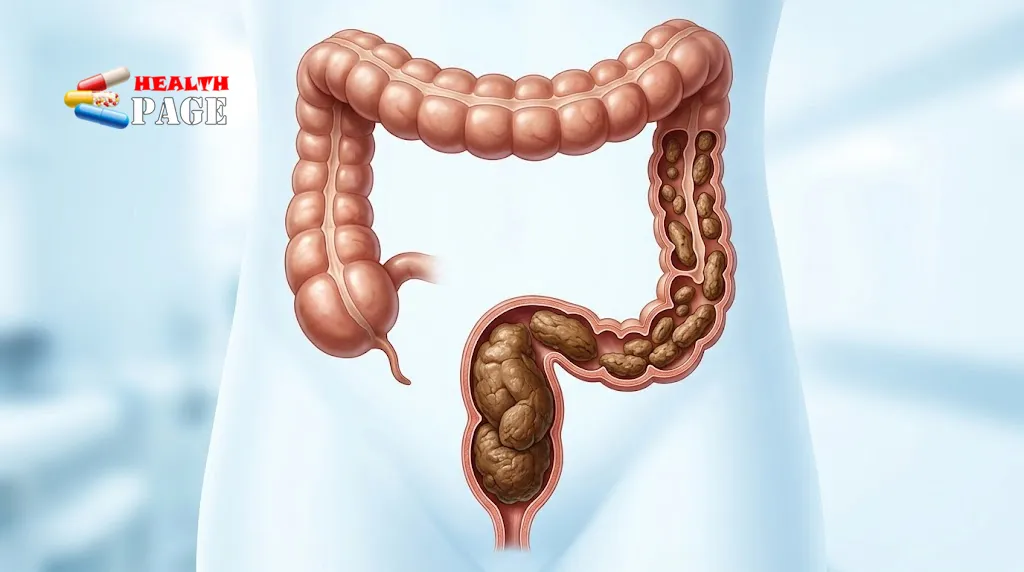
Fecal Impaction vs Constipation: 7 Key Differences in Symptoms and Treatment
Medical Disclaimer: This article, “Fecal Impaction vs Constipation: 7 Key Differences in Symptoms and Treatment”, written by Dr. Sana Lodhi (General Medicine), is provided for educational and informational purposes only and does not constitute medical advice, diagnosis, or treatment. Always seek the advice of your physician or another qualified health provider with any questions you may have regarding a medical condition or treatment plan.
Most people know the discomfort of being constipated, and most of the time it passes with a little patience, more fibre and a few extra glasses of water. Fecal impaction is a different problem. In the comparison of fecal impaction vs constipation, the core distinction is that constipation describes difficulty passing stool, while impaction means a hard mass of stool has become lodged, usually in the rectum, and cannot be pushed out in the normal way.
The two are closely linked, because impaction often develops after long-standing constipation, and that overlap is why people mistake one for the other. It also explains a confusing symptom: someone who is impacted may leak watery stool and assume they have diarrhoea. This guide sets out how the conditions differ, how doctors tell them apart, what treatment involves and when a symptom should not be left to settle by itself.
Medical note: This article is general information, not a diagnosis. Severe or persistent abdominal pain, vomiting, a swollen abdomen, fever, rectal bleeding, or being unable to pass gas or stool needs prompt medical assessment.
What Is Constipation?
The US National Institute of Diabetes and Digestive and Kidney Diseases (NIDDK) describes constipation as some combination of fewer than three bowel movements a week, hard, dry or lumpy stools, stools that are difficult or painful to pass, and a feeling that the bowel has not fully emptied. It also points out that normal habits differ from person to person, so going every second day is not automatically a problem.
Constipation is better understood as a symptom than a disease. It can be short-lived, set off by travel, a change in diet or a new medicine, or it can persist for months. Our general guide to constipation covers everyday causes and relief in more detail.
What Is Fecal Impaction?
Fecal impaction (also written faecal impaction) happens when a large, dry, hard mass of stool becomes stuck, most often in the rectum, and cannot be passed naturally. According to MedlinePlus, it is most often seen in people who have been constipated for a long time. Occasionally the mass sits higher in the colon, which is one reason a clinician’s assessment matters.
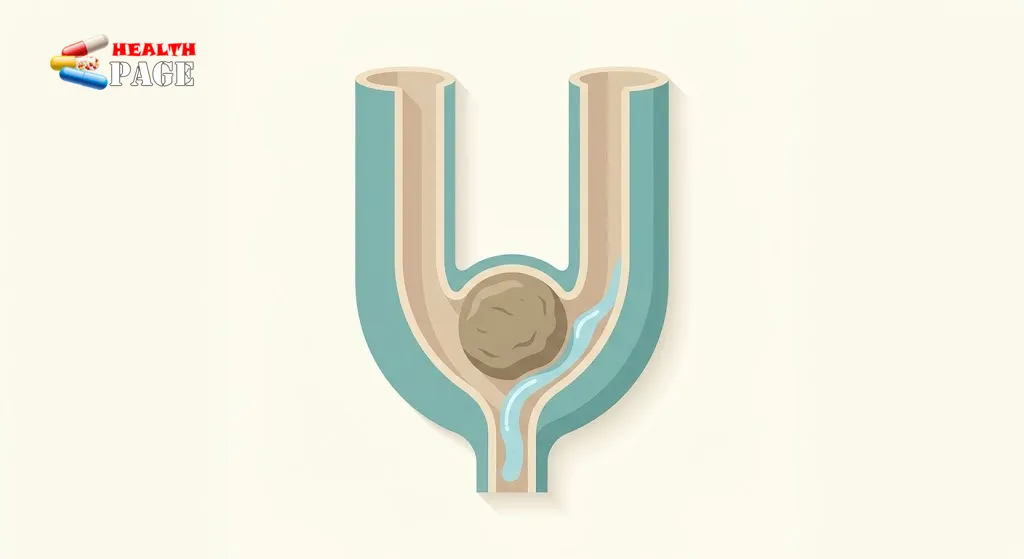
Not everyone who is constipated is heading for an impaction. The risk rises when constipation has gone on for a long time, when movement is limited, or when medicines slow the bowel. A rough analogy helps: constipation is slow-moving traffic, while impaction is a road closure. Nothing gets through the usual way, and whatever does move has to find a side street.
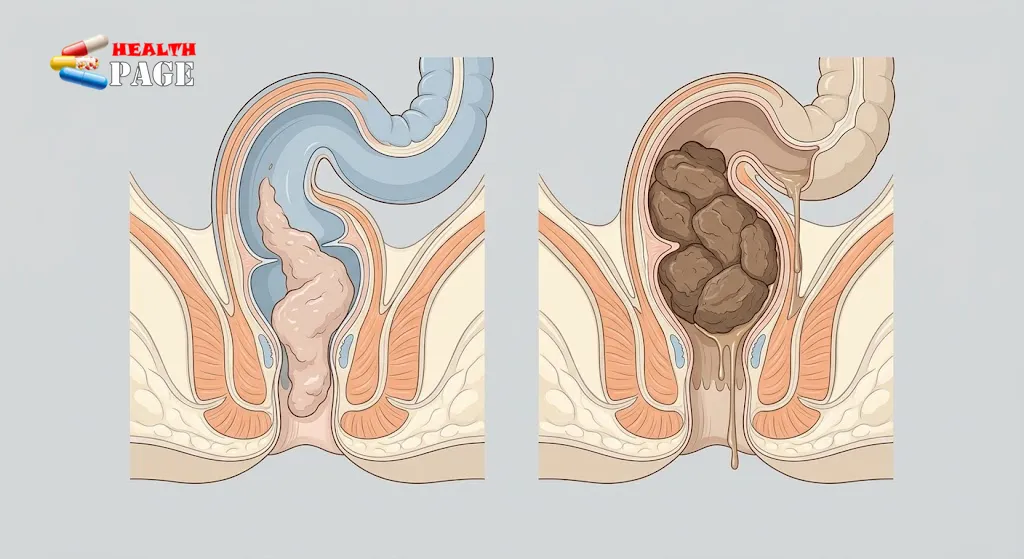
Fecal Impaction vs Constipation: 7 Key Differences
The table below puts the two conditions side by side. Treat it as a guide to what clinicians look for rather than a way to diagnose yourself.
| # | Feature | Constipation | Fecal impaction |
|---|---|---|---|
| 1 | What is happening | Stool is hard, dry or slow, but it still moves | A hard mass of stool is stuck and cannot be expelled normally |
| 2 | Where it occurs | Along the colon and rectum | Usually the rectum, sometimes higher in the colon |
| 3 | Stool passage | Fewer, harder stools passed with effort | Little solid stool; small, semi-formed stool or liquid may leak around the mass |
| 4 | Typical symptoms | Straining, lumpy stool, incomplete emptying, bloating | The same, plus cramping, rectal discomfort or bleeding, lower back pain, and sometimes bladder pressure |
| 5 | Severity | Uncomfortable but usually manageable | Can cause rectal tissue damage and, rarely, serious blockage |
| 6 | Diagnosis | Often based on history and symptoms | Usually needs an abdominal and rectal examination; imaging if needed |
| 7 | Treatment | Diet, fluids, activity, over-the-counter laxatives | The stool must be removed first, often with medical supervision, then recurrence is prevented |
The table also shows why constipation vs fecal impaction symptoms are hard to separate at home: straining, bloating and a sense of incomplete emptying appear in both. The more telling clues are a long history of constipation followed by liquid leakage, small semi-formed stools, pain in the lower back or rectum, or no meaningful stool for days despite the urge to go. Even then, symptoms alone cannot confirm an impaction. An examination is what settles it.
Symptoms of Constipation
Ordinary constipation tends to be uncomfortable rather than alarming. Common features include hard or lumpy stools, straining, a feeling of not having emptied fully, and a bloated or heavy lower abdomen. Some people notice hard stool followed by softer stool in a single visit to the toilet, which usually reflects stool spending different lengths of time in the colon rather than two separate problems.
The pattern matters more than any single episode. A few hard stools after a change in routine are common. Weeks of straining, or constipation that keeps returning despite sensible changes, deserves a conversation with a doctor.
Fecal Impaction Symptoms and Early Warning Signs
The symptoms of fecal impaction overlap with constipation but tend to be more persistent and more distressing. MedlinePlus lists abdominal cramping and bloating, liquid leakage or sudden watery diarrhoea in someone with chronic constipation, rectal bleeding, small semi-formed stools and straining. Less obvious effects include lower back pain, bladder pressure or loss of bladder control, and a rapid heartbeat or light-headedness brought on by straining.
Some signs of fecal impaction appear before things become severe. A person who has been constipated for days may feel a constant urge to go with little result, notice an unusual amount of leakage, or lose their appetite. In frail or older adults, who may not describe their symptoms clearly, restlessness or a sudden change in bowel pattern can be early clues, so caregivers are well placed to notice them.
Why Watery Stool Does Not Rule Out Impaction
This is the detail that confuses people most. Liquid stool from higher in the bowel can seep past a hard plug in the rectum and leak out, which is called overflow diarrhoea. Because it looks like diarrhoea, the instinct is to assume the constipation has ended and to take something to stop it. That can add to the problem, since MedlinePlus lists anti-diarrhoea medicines taken too often among the things that raise the risk of impaction.
The clue is context. Watery stool arriving suddenly in someone who has been constipated for a long time, particularly alongside cramping, a bloated abdomen or small amounts of stool, should be assessed before it is treated as diarrhoea.
Impacted Bowel or Bowel Obstruction?
The two are not the same, although severe impaction can occasionally contribute to blockage. Bowel obstruction symptoms usually include crampy abdominal pain that comes in waves, vomiting, a swollen abdomen and an inability to pass gas or stool, and NHS guidance on bowel dysfunction treats these as needing urgent action. MedlinePlus adds that surgery is rarely required for fecal impaction, but an overly widened colon (megacolon) or a complete blockage may need emergency treatment.
Causes and Risk Factors
Impaction rarely appears from nowhere. MedlinePlus names several factors that raise the risk of chronic constipation and impaction: spending most of the day in a chair or bed, and taking medicines that slow the bowel, such as anticholinergics and narcotic pain relievers like codeine and oxycodone. Overuse of anti-diarrhoea medicines is on the same list.
Older adults, people with limited mobility and those whose bowel nerves are affected by a medical condition are therefore more vulnerable. Habits play a part as well. Regularly ignoring the urge to go, eating little fibre or drinking too little fluid all feed the constipation that so often comes first.
How Doctors Diagnose Fecal Impaction
A clinician usually begins with questions about bowel habits, how long symptoms have lasted, diet and every medicine the person takes, including over-the-counter and opioid pain relief. They will examine the abdomen and typically perform a digital rectal examination, in which a gloved, lubricated finger checks the rectum. This is the usual way a hard mass of stool is found.
Imaging, such as an X-ray or scan, may be used when an impaction higher in the colon or another complication is suspected. Once the bowel has been cleared, further tests may look for an underlying cause, particularly if there has been a recent change in bowel habit.
Treatment: How the Approaches Differ
Treating Ordinary Constipation
Mild constipation often responds to gradual changes. NIDDK recommends adding fibre a little at a time, along with enough fluids, more physical activity and, where needed, over-the-counter medicines. Trying to open the bowels after a meal can help some people, because eating stimulates the colon. If these steps are not enough, a doctor may suggest a prescription medicine or other approaches such as biofeedback, and should review any medicines that could be contributing.
Fecal Impaction Treatment
Fecal impaction treatment has two stages: removing the stool, then preventing it from returning. Depending on the person and where the mass sits, a clinician may use stronger laxatives taken by mouth under supervision, suppositories or enemas to soften and lubricate the stool and, if those fail, manual removal by a trained nurse or doctor. This is often done gradually to protect the rectal lining. Enemas alone frequently fall short for a large, hard mass.
Manual removal should never be attempted at home, because it can injure delicate rectal tissue. Surgery, as noted earlier, is uncommon and reserved for serious complications.
Why More Fibre or Extra Laxatives Are Not Always the Answer
Fibre is excellent for preventing constipation, but it will not dislodge an established impaction, and added bulk behind a plug can increase cramping and bloating. If cramps are severe and you cannot pass gas or stool, a blockage is possible, and laxatives should not be taken without medical advice. This is the main reason the home remedies that work for constipation are not a reliable plan once impaction is suspected.
Preventing Recurrence
People who have had one impaction are more likely to have another, so the end of treatment is usually the start of a bowel plan. Practical steps on how to prevent fecal impaction include:
- Building fibre up gradually and drinking enough fluid, since fibre works best with adequate water.
- Moving regularly, even if that means short walks or standing breaks for people who are largely seated.
- Answering the urge to go rather than postponing it, and allowing unhurried time on the toilet.
- Asking a doctor or pharmacist to review medicines that slow the bowel, especially opioid pain relievers, rather than stopping them yourself.
- Keeping an eye on bowel habits in frail relatives, and raising any several-day gap or new leakage early.
When to Seek Medical Attention
Arrange a medical assessment if constipation lasts for weeks, keeps returning, or comes with leakage, rectal bleeding or pain. Seek urgent care for any of the following:
- Severe or worsening abdominal pain
- Repeated vomiting
- A swollen, tight abdomen
- Fever
- Rectal bleeding
- Inability to pass gas or stool
- New confusion or marked drowsiness, particularly in an older adult
Safety reminder: Sudden constipation with abdominal cramps and an inability to pass gas or stool should not be treated with more laxatives until a medical professional has advised you. If symptoms are severe, contact your local emergency service.
Frequently Asked Questions
Can constipation turn into fecal impaction?
Yes, prolonged constipation is the usual starting point. It is not inevitable, though. The risk is higher with immobility, certain medicines and constipation that is left untreated for a long time.
Is diarrhoea always a stomach infection?
No. Sudden watery stool in someone who has been constipated may be overflow around an impaction. Infection is also possible, and a short illness such as a stomach bug usually comes with other features such as nausea, fever or a clear trigger. If you are unsure, particularly after days of constipation, get it assessed.
Will fecal impaction clear up on its own?
A mass hard enough to become stuck is unlikely to clear reliably without help, and waiting can lead to complications such as rectal tissue damage. An assessment is the safer route.
Is fecal impaction always an emergency?
No, but it can become one. Vomiting, severe pain, a swollen abdomen or being unable to pass gas or stool call for urgent care.
Does fecal impaction mean surgery?
Usually not. Surgery is uncommon and generally kept for serious complications, such as a very dilated colon or complete blockage.
Conclusion
Understanding fecal impaction vs constipation comes down to one idea: constipation is difficulty passing stool, while impaction is a hard mass that will not pass at all. Constipation usually responds to fibre, fluids, movement and sensible laxative use. Impaction needs removal first, often with medical help, followed by a plan to stop it recurring.
If you or someone you care for has long-standing constipation with sudden watery leakage, cramping or back pain, treat it as a reason to be examined rather than a reason to try another laxative. For more everyday digestive and wellbeing topics, browse our General Health guides.
References
- MedlinePlus (National Library of Medicine). Fecal impaction
- National Institute of Diabetes and Digestive and Kidney Diseases (NIDDK). Definition & Facts for Constipation
- Hywel Dda University Health Board (NHS Wales). What are the symptoms of bowel dysfunction?

Dr. Sana Lodhi is a qualified medical doctor (MBBS) with a strong commitment to patient care and evidence‑based medicine. With years of clinical experience and her current role at Liaquat University of Medical & Health Sciences (LUMHS), she brings trusted medical insights to readers, simplifying complex health topics into clear, practical guidance. Her passion lies in promoting preventive healthcare, empowering individuals to make informed decisions, and bridging the gap between medical knowledge and everyday wellness. At HealthyPost.co.uk, Dr. Lodhi shares expert perspectives on health, lifestyle, and medical awareness to help readers live healthier, more balanced lives.