
Pancreatic Cancer Guide: Early Signs, Causes, and Survival Rates
Pancreatic cancer can be difficult to detect early because it often causes no noticeable symptoms until the disease has grown or spread. Understanding the warning signs, known risk factors, diagnostic tests, and survival statistics can help people make informed decisions about their health. Although persistent abdominal pain, unexplained weight loss, or jaundice does not automatically mean cancer, these symptoms should not be ignored.
This guide explains how pancreatic cancer develops, which symptoms deserve medical attention, what doctors look for during diagnosis, and how survival rates vary according to the extent of the disease. It also covers risk reduction and current screening recommendations, without suggesting that symptoms alone can establish a diagnosis.
What Is Pancreatic Cancer?
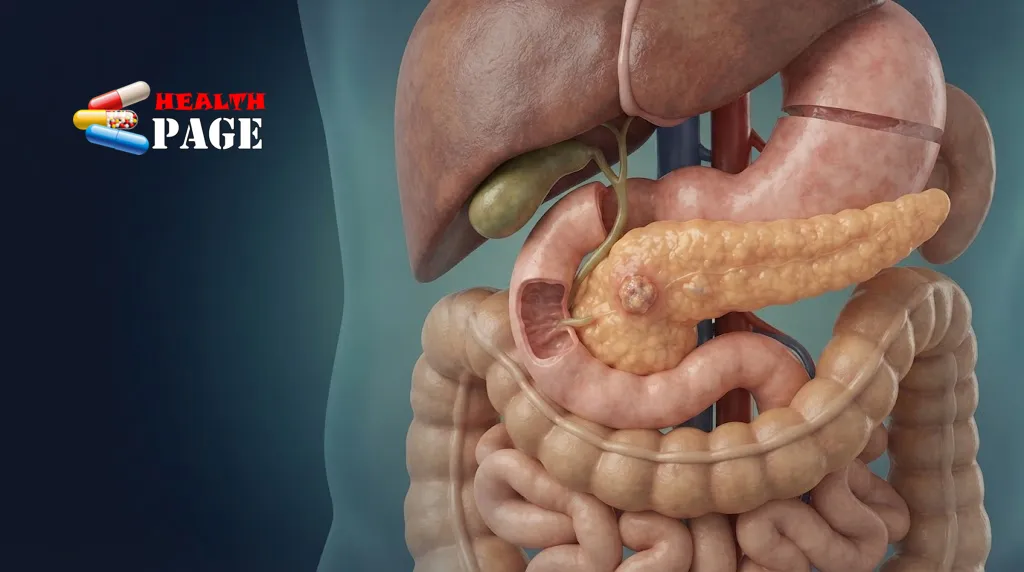
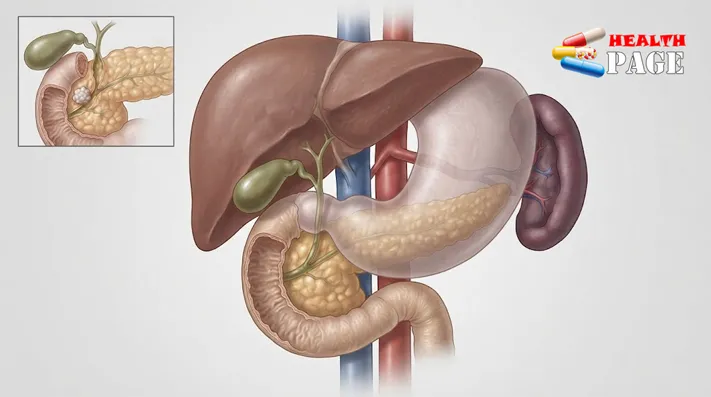
The pancreas is a gland located deep in the abdomen, behind the stomach. It has two important functions: producing digestive enzymes that help break down food and releasing hormones, including insulin, that regulate blood sugar.
Pancreatic cancer develops when abnormal cells in the pancreas grow uncontrollably and form a malignant tumour. The disease includes several different tumour types, which can behave differently and require different treatments.
The most common type is pancreatic ductal adenocarcinoma (PDAC), which develops in cells lining the ducts that carry digestive enzymes. Most general discussions of pancreatic cancer symptoms, prognosis, and survival statistics focus on this type.
Pancreatic neuroendocrine tumours are a separate, less common group that develops from hormone-producing cells. Their behaviour and treatment can differ substantially from those of ductal adenocarcinoma.
One reason pancreatic cancer can be challenging to detect is its location. The pancreas sits deep inside the abdomen, where early tumours may not cause obvious symptoms or be felt during a routine physical examination.
What Are the Early Signs of Pancreatic Cancer?
Early pancreatic cancer frequently produces no clear warning signs. When symptoms develop, they can resemble common digestive problems or other medical conditions.
The location of a tumour also matters. A tumour in the head of the pancreas may obstruct the nearby bile duct, causing jaundice relatively early. Tumours in the body or tail may grow without producing jaundice and may not cause noticeable discomfort until later.
The following are the main signs of pancreatic cancer to understand.
1. Yellowing of the Skin or Eyes
Jaundice is a yellow discoloration of the skin and the whites of the eyes caused by a buildup of bilirubin, a substance normally processed by the liver and passed into the digestive tract through bile.
A pancreatic tumour can block the bile duct, preventing bile from draining normally. Other symptoms may include:
- Dark brown urine.
- Pale or clay-coloured stools.
- Persistent itching.
- Yellowing that becomes more noticeable over time.
Jaundice is not specific to cancer. Gallstones, liver disease, and other conditions can also cause it. Nevertheless, new or unexplained jaundice requires urgent medical assessment rather than waiting for it to disappear.
2. Pain in the Upper Abdomen or Back
Some people experience discomfort in the upper abdomen that spreads towards the back. The pain may be persistent, dull, or difficult to pinpoint.
It can sometimes become more noticeable after eating or when lying down. However, these patterns are not unique to pancreatic cancer and may occur with digestive disorders, gallbladder problems, and musculoskeletal conditions.
Persistent, unexplained, or worsening abdominal or back pain deserves medical evaluation, particularly when accompanied by weight loss, jaundice, or changes in appetite.
3. Unexplained Weight Loss and Loss of Appetite
Losing weight without changing your diet or activity level can be a warning sign of an underlying illness.
Pancreatic cancer may affect appetite, digestion, and the body’s ability to use nutrients. Some people feel full sooner than usual or become less interested in food.
Unintentional weight loss has many possible explanations, including thyroid disorders, diabetes, digestive diseases, depression, and other cancers. A clinician can assess the pattern of weight loss alongside other symptoms and medical history.
4. Digestive Changes, Nausea, or Vomiting
Changes in digestion may occur when pancreatic cancer affects the production or delivery of digestive enzymes or obstructs nearby structures.
Possible symptoms include:
- Nausea or vomiting.
- Bloating or a persistent feeling of fullness.
- Greasy, unusually pale, or floating stools.
- Changes in bowel habits.
- Discomfort after meals.
Greasy stools may occur when fat is not being digested or absorbed properly. These symptoms can also result from several non-cancerous digestive conditions, so they should be interpreted in context rather than used to self-diagnose.
5. Unusual Fatigue or Weakness
Persistent tiredness can accompany many illnesses, including cancer. It may be associated with reduced food intake, sleep disruption, anaemia, changes in metabolism, or the effects of an underlying condition.
Fatigue on its own is not a reliable indicator of pancreatic cancer. However, unexplained fatigue that persists or occurs alongside other concerning symptoms should be discussed with a healthcare professional.
6. Newly Diagnosed Diabetes or Changes in Blood Sugar
The pancreas produces insulin, which helps regulate blood glucose. Pancreatic cancer can interfere with insulin production and blood sugar regulation.
In some cases, newly developed diabetes or an unexpected deterioration in previously stable blood sugar control may occur before other obvious symptoms.
However, diabetes is common, and most people who develop it do not have pancreatic cancer. The concern is greater when new-onset diabetes occurs alongside unexplained weight loss or other suspicious symptoms. A doctor can determine whether further investigation is appropriate.
Medical evidence: The symptom descriptions above are consistent with guidance from the National Cancer Institute and the American Cancer Society.
What Causes Pancreatic Cancer?
There is no single cause that explains every case of pancreatic cancer. The disease develops when changes in the DNA of pancreatic cells disrupt the normal controls that regulate cell growth and division. Over time, these changes can allow abnormal cells to multiply and form a tumour.
Some DNA changes occur during a person’s lifetime, while others are inherited. Having a risk factor increases the likelihood of developing the disease but does not mean cancer will necessarily occur.
Established and Recognised Risk Factors
Smoking: Tobacco use is one of the most important modifiable risk factors. Chemicals in tobacco smoke can damage cells and contribute to cancer development. Quitting smoking reduces exposure to these harmful substances.
Increasing age: Pancreatic cancer is more common in older adults, although it can occur in younger people.
Family history and inherited genetic changes: Having close relatives with pancreatic cancer may increase risk. Certain inherited variants, including changes in BRCA1, BRCA2, PALB2, ATM, and other genes, can increase susceptibility. Genetic counselling may be appropriate for people with a significant family history or a known inherited syndrome.
Chronic pancreatitis: Long-term inflammation of the pancreas is associated with increased risk. Hereditary pancreatitis is a particularly important consideration in some families.
Diabetes: Diabetes is associated with an increased risk of pancreatic cancer, although the relationship is complex. Diabetes can precede cancer, occur as a consequence of cancer, or exist independently of it.
Excess body weight: Obesity is associated with an increased risk. Maintaining a healthy weight is a sensible general health measure, but it cannot eliminate the possibility of developing cancer.
Heavy alcohol consumption may contribute indirectly through chronic pancreatitis. Some occupational chemical exposures have also been investigated, although the strength of evidence varies.
For further information, consult the National Cancer Institute’s guidance on pancreatic cancer causes and risk factors.
Can Pancreatic Cancer Be Prevented?
There is no guaranteed way to prevent pancreatic cancer. Some risk factors, such as age and inherited genetics, cannot be changed.
Practical steps that may reduce risk include:
- Avoiding tobacco and seeking help to quit if needed.
- Maintaining a healthy weight through sustainable eating habits and physical activity.
- Avoiding excessive alcohol consumption.
- Discussing persistent pancreatic inflammation, diabetes, or a strong family history with a healthcare professional.
These measures support general health, but they should not be presented as a guarantee against cancer. People with inherited risk factors may benefit from specialist advice about genetic testing and surveillance.
How Is Pancreatic Cancer Diagnosed?
There is no single test that can reliably diagnose or exclude pancreatic cancer in every situation. Doctors combine symptoms, medical history, examination findings, imaging, laboratory tests, and sometimes a tissue sample.
The diagnostic process may involve several steps.
Imaging Tests
A pancreas-protocol CT scan is commonly used to examine the pancreas, surrounding blood vessels, nearby tissues, and possible spread to other organs.
MRI, including magnetic resonance cholangiopancreatography (MRCP), may provide additional detail about the pancreas and bile ducts. Endoscopic ultrasound can also help doctors examine the pancreas closely and obtain a tissue sample when needed.
The choice of tests depends on the suspected problem, the patient’s circumstances, and the results of earlier investigations.
Blood Tests and CA 19-9
Blood tests may assess liver function, bilirubin levels, blood counts, and other indicators that help explain symptoms.
CA 19-9 is a tumour marker that may be elevated in pancreatic cancer. It can help clinicians assess disease activity or monitor treatment in appropriate cases. However, it is not a reliable stand-alone screening test: some people with pancreatic cancer have normal levels, while non-cancerous conditions can also raise them.
A normal CA 19-9 result does not rule out pancreatic cancer, and an elevated result does not prove it.
Biopsy and Further Testing
A biopsy involves collecting cells or tissue for examination under a microscope. It may be performed using endoscopic ultrasound guidance or another suitable technique.
A biopsy is often needed to confirm the diagnosis, particularly before systemic treatment. In some situations where a tumour appears suitable for surgery, a specialist team may proceed without a preoperative biopsy. The decision depends on the clinical circumstances.
Once cancer is confirmed, doctors assess its extent and may perform molecular testing to identify changes that could influence treatment choices.
For a more detailed explanation, see the National Cancer Institute’s pancreatic cancer testing and diagnosis guidance.
Can Pancreatic Cancer Be Detected Early?
Early detection is difficult because symptoms may be absent and the pancreas is located deep within the abdomen. By the time symptoms appear, the disease may already have spread in some patients.
Routine screening is not recommended for asymptomatic people at average risk. Unlike screening programmes for certain other cancers, no general-population pancreatic cancer screening strategy has been shown to reduce deaths sufficiently to justify routine use.
People with certain inherited genetic conditions or a strong family history may qualify for specialist surveillance. This may involve MRI/MRCP or endoscopic ultrasound under an experienced clinical team.
Emerging blood tests and biomarker research are being investigated, but they should not be presented as established screening options for the general public.
If you have concerning symptoms, the appropriate next step is diagnostic assessment rather than attempting to obtain a screening test independently.
For current guidance, see the American Cancer Society’s information on early detection.
Pancreatic Cancer Survival Rate: What the Statistics Mean
The pancreatic cancer survival rate varies considerably depending on how far the disease has spread at diagnosis, the tumour type, available treatments, and the person’s overall health.
One commonly used measure is the five-year relative survival rate. This compares the survival of people diagnosed with a particular cancer with the expected survival of similar people in the general population. It is a population statistic, not a prediction of how long an individual will live.
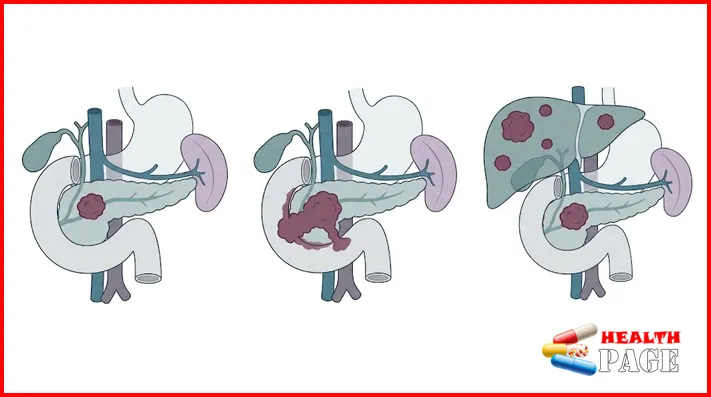
The US National Cancer Institute’s Surveillance, Epidemiology, and End Results (SEER) programme provides the following five-year relative survival estimates for pancreatic cancer, based on people diagnosed during 2016–2022.
| Extent of disease | Five-year relative survival |
|---|---|
| Localized — confined to the pancreas | 43.6% |
| Regional — spread to nearby tissues or lymph nodes | 17.0% |
| Distant — spread to distant parts of the body | 3.4% |
| All stages combined | 13.7% |
Source: NCI SEER Cancer Stat Facts: Pancreatic Cancer.
These figures are based on US population data and may not represent outcomes in every country or healthcare system.
What Is the Stage 4 Pancreatic Cancer Survival Rate?
Stage 4 pancreatic cancer generally means that the disease has spread to distant organs, such as the liver or lungs, or other distant sites. The SEER category of distant disease is related to this situation, but it is not identical to the formal stage 4 classification in every case.
The five-year relative survival estimate for distant pancreatic cancer is approximately 3.4% in the cited SEER dataset. This figure describes a group of patients; it does not mean that a particular person has a fixed chance of surviving for a specific length of time.
Treatment may help some patients live longer, control the disease, and manage symptoms. Outcomes vary according to tumour biology, treatment response, general health, and other factors.
Why Do Survival Rates Differ?
Several factors influence prognosis:
- Stage at diagnosis: Whether the cancer remains localized, has reached nearby structures, or has spread to distant organs.
- Whether surgery is possible: Some localized tumours can be removed surgically, while others involve important blood vessels or other structures.
- Tumour biology: The cancer’s characteristics, including certain genetic changes, may affect treatment options.
- General health: Nutrition, other medical conditions, and physical fitness can influence treatment tolerance.
- Response to treatment: The disease may respond differently to chemotherapy, targeted medicines, or other approaches.
Survival statistics are often based on people diagnosed several years earlier. Treatments and supportive care may change over time, so older statistics cannot fully capture the outcomes of every person receiving treatment today.
Pancreatic Cancer Treatment Options
Treatment depends on the type and stage of cancer, its location, whether it can be removed safely, and the patient’s overall health and preferences. A multidisciplinary team may include pancreatic surgeons, medical oncologists, radiologists, pathologists, dietitians, and specialist nurses.
Surgery
Surgery offers the possibility of long-term disease control or cure for selected patients whose tumours can be completely removed. The procedure depends on the tumour’s location.
For example, a Whipple procedure may be used for suitable tumours in the head of the pancreas. Operations for tumours in the body or tail may involve removing the affected part of the pancreas, sometimes along with the spleen.
Not everyone with pancreatic cancer is eligible for surgery. The decision requires careful assessment of imaging, tumour extent, and the person’s ability to tolerate the procedure.
Chemotherapy and Radiation Therapy
Chemotherapy uses medicines to kill cancer cells or slow their growth. It may be given before surgery, after surgery, or as the main treatment when the cancer cannot be removed.
Radiation therapy uses high-energy radiation to target cancer cells. It may be considered in selected situations, depending on the stage, treatment goals, and specialist assessment.
Targeted Treatment and Other Options
Molecular testing can identify certain tumour changes that may make targeted medicines or other specific treatments appropriate. Immunotherapy benefits only selected groups of patients with particular tumour characteristics; it is not universally effective for pancreatic cancer.
Clinical trials may provide access to treatments being investigated for safety and effectiveness.
Supportive and Palliative Care
Supportive care can help manage pain, nausea, appetite problems, digestive difficulties, fatigue, and emotional distress. Palliative care can be provided alongside cancer-directed treatment and is not limited to the final days of life.
Depending on the person’s needs, care may include pancreatic enzyme replacement, nutritional support, pain management, treatment of bile duct obstruction, and help with planning daily activities.
The treatment plan should be discussed with an experienced cancer team, which can explain the potential benefits, limitations, side effects, and alternatives.
Frequently Asked Questions
Can pancreatic cancer cause symptoms in its early stages?
Early pancreatic cancer often causes no noticeable symptoms. Some people develop jaundice, abdominal discomfort, or other changes, but these signs are not present in everyone. Persistent or unexplained symptoms should be assessed by a healthcare professional.
Are pancreatic cancer symptoms different in females and males?
The main symptoms are generally similar in females and males. Both may experience jaundice, abdominal or back pain, unexplained weight loss, appetite changes, fatigue, or digestive problems. There is no established set of sex-specific symptoms that reliably distinguishes pancreatic cancer in women from the disease in men.
Can a blood test detect pancreatic cancer?
Blood tests can provide useful clues, but no routine blood test can reliably rule pancreatic cancer in or out on its own. CA 19-9 may support assessment and monitoring, while imaging and sometimes biopsy are needed to investigate a suspected tumour.
Does everyone with diabetes have a higher risk of pancreatic cancer?
Diabetes is associated with pancreatic cancer, but the vast majority of people with diabetes do not develop the disease. Newly diagnosed diabetes can occasionally be an early sign of pancreatic cancer, particularly when accompanied by unexplained weight loss or other concerning symptoms. A doctor can assess whether further investigation is necessary.
Is pancreatic cancer always fatal?
No. Outcomes vary according to tumour type, stage, treatment options, and individual circumstances. Some patients with localized disease can undergo surgery with the aim of cure. Advanced disease is more difficult to treat, but treatment may still control symptoms and help people live longer.
Can pancreatic cancer be screened for before symptoms appear?
Routine screening is not recommended for asymptomatic people at average risk. People with certain inherited genetic conditions or a strong family history may qualify for specialist surveillance. Anyone experiencing concerning symptoms needs diagnostic assessment rather than relying on a screening test.
Conclusion
Pancreatic cancer can be difficult to recognize early, which makes understanding its possible warning signs and risk factors worthwhile. Jaundice, persistent abdominal or back pain, unexplained weight loss, digestive changes, and newly diagnosed diabetes can have many causes, but they should be evaluated when unexplained or accompanied by other concerning symptoms.
The pancreatic cancer survival rate varies substantially with the extent of the disease at diagnosis. Although population statistics can help explain prognosis, they cannot predict an individual’s outcome. Diagnostic testing, specialist treatment, and supportive care all play important roles.
If you notice new jaundice, seek urgent medical assessment. For persistent unexplained symptoms, arrange a medical appointment rather than attempting to diagnose the cause yourself.
References
- National Cancer Institute — Pancreatic Cancer: Causes and Risk Factors
- National Cancer Institute — Pancreatic Cancer: Testing and Diagnosis
- National Cancer Institute, SEER — Cancer Stat Facts: Pancreatic Cancer

Dr. Yichen Xu is a dedicated oncologist and clinical researcher specializing in advanced therapeutic strategies, medical oncology, and supportive cancer care frameworks. He is an active clinical contributor at the prestigious Sun Yat-sen University Cancer Center (SYSUCC), one of the leading integrated oncology institutions globally for academic research, education, and comprehensive cancer care.
Dr. Xu’s professional work focuses on precision medicine pathways, including targeted therapies, tumor biomarker analysis, and the mitigation of treatment-induced side effects, such as chemotherapy-induced neuropathic pain and cancer-related fatigue. By blending evidence-based clinical insights with patient-centered advocacy, he works to translate complex oncology literature and trial data into actionable, easy-to-understand guidance for patients and their caregivers.
For peer-review collaborations, editorial evaluations, or professional clinical inquiries, you can connect with him directly via email at [email protected].