
Rib Fracture Recovery: Healing Time and Why Pain Persists

Dr. John Ma is a dedicated Orthopaedic Surgeon with extensive experience in musculoskeletal health and surgical care. He currently serves at Royal Brisbane and Women’s Hospital, Australia, where he provides expert treatment for complex orthopaedic conditions. Passionate about advancing patient outcomes, Dr. Ma combines evidence‑based practice with compassionate care, helping individuals restore mobility and improve quality of life. Through his contributions to healthcare, he continues to support patients in achieving long‑term wellness and recovery.
Medically Written & Verified
This article, titled “Rib Fracture Recovery: Healing Time and Why Pain Persists”, has been written and clinically reviewed by Dr. John Ma.
Medical Disclaimer: The content on Healthy Post is for educational and informational purposes only and does not substitute for professional medical advice, diagnosis, or treatment. Assessing chest injuries, evaluating prolonged or severe pain, and managing recovery timelines require personalized clinical oversight. Always consult a qualified physician or healthcare provider for regular evaluations, proper diagnostic testing, and tailored medical care.
Rib fracture healing time varies, but many uncomplicated rib fractures improve substantially within several weeks. NHS guidance says broken or bruised ribs generally improve within 2–6 weeks, while Mayo Clinic commonly describes healing in about six weeks. Some nondisplaced fractures—where the bone has cracked but remains aligned—may take 6–12 weeks to fully recover.
The key distinction is that bone healing and complete pain-free recovery are not always the same thing. You may be able to move more comfortably while the rib is still strengthening, or you may have occasional pain after the main injury has healed. However, severe, worsening, or non-improving symptoms should not simply be dismissed as part of normal recovery.
Medical note: This article provides general information and does not replace an examination or advice from a qualified healthcare professional.
What is a rib fracture?
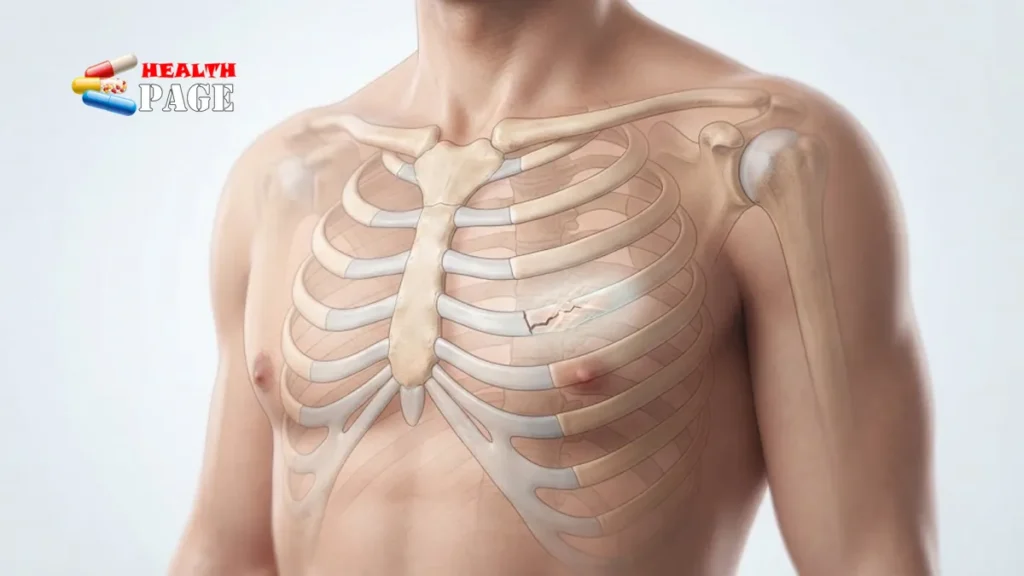
A rib fracture is a crack or break in one of the bones forming the chest wall. A “cracked rib” is still a fracture; the terms are often used interchangeably.
Some fractures are nondisplaced, meaning the bone remains in its normal position. Others are displaced, with the broken ends shifted out of alignment. Displaced or multiple fractures may pose a greater risk of damaging the lung, blood vessels, or nearby organs.
Rib injuries can result from:
- Falls
- Motor vehicle accidents
- Sports injuries
- A direct blow to the chest
- Severe or persistent coughing
- Repetitive physical stress
- Osteoporosis or other conditions that weaken bone
A single uncomplicated fracture may heal without surgery. More serious chest trauma, several broken ribs, or evidence of internal injury requires closer medical monitoring.
Rib fracture healing time: what is normal?
There is no single recovery date that applies to everyone. The number of fractured ribs, the type of break, the person’s general health, and the presence of lung or internal-organ injuries all affect the outcome.
This general rib fracture recovery timeline can help set expectations:
| Recovery period | What you may experience |
|---|---|
| First few days | Marked pain, tenderness, bruising, swelling, and difficulty with certain movements |
| Weeks 1–2 | Pain may remain prominent, especially with deep breathing, coughing, sneezing, or getting out of bed |
| Weeks 2–4 | Gradual improvement is common, although twisting, bending, or reaching may still hurt |
| Weeks 4–6 | Many uncomplicated fractures have substantially healed, but discomfort can remain |
| Weeks 6–12 | Some injuries take this long to reach complete recovery, particularly depending on fracture characteristics |
| Beyond 12 weeks | Persistent, severe, or worsening symptoms deserve medical evaluation |
The overall trend matters more than one isolated painful day. A person whose pain is slowly becoming less intense is generally following a different recovery pattern from someone whose pain is increasing, spreading, or interfering more with breathing.
Factors that can delay recovery
A rib fracture may take longer to heal when there are:
- Multiple broken ribs
- A displaced fracture
- Significant damage from the original trauma
- Older age
- Reduced bone density or osteoporosis
- Smoking or nicotine use
- Poorly controlled diabetes
- A weakened immune system
- Certain medical conditions or medications
- An associated lung injury
- Inadequate pain control that prevents deep breathing and gentle movement
Nicotine can interfere with bone and tissue healing. If you smoke or use nicotine products, ask a healthcare professional for support with stopping or reducing use during recovery.
Rib fracture healing stages
The body does not repair every rib fracture according to a rigid day-by-day schedule. Still, understanding the broad rib fracture healing stages can explain why symptoms change over time.
1. Initial injury and inflammation
Immediately after the fracture, the tissues around the rib become inflamed. Pain and tenderness are often strongest during this period. The chest wall moves with every breath, so even normal breathing may be uncomfortable.
Coughing, laughing, sneezing, twisting, or pushing up from a chair can produce a sudden sharp sensation. Bruising may also become more visible during the first few days.
2. Early repair
The body begins forming repair tissue around the fracture. Pain may gradually start to settle, but the rib is still vulnerable to strain.
This is often the stage when people feel tempted to resume normal lifting or exercise because they are less uncomfortable at rest. Feeling better does not necessarily mean the bone is ready for heavy physical stress.
3. Bone consolidation
New bone gradually strengthens the injured area. You may notice:
- Less pain while resting
- Easier breathing
- Improved mobility
- Reduced tenderness
- Greater ability to perform ordinary activities
Even during this stage, coughing or a sudden reach can trigger pain. Improvement is usually gradual rather than perfectly linear.
4. Remodeling and functional recovery
The newly formed bone continues to remodel and strengthen. Muscles and other soft tissues around the chest wall also recover from bruising or strain.
Someone may feel almost back to normal before the rib has finished remodeling. Occasional pain with a particular movement does not automatically mean the fracture has failed to heal. On the other hand, ongoing severe pain should be assessed rather than attributed to “normal healing” indefinitely.
Why do fractured ribs hurt so long?
Many people ask, why do fractured ribs hurt so long? The main reason is that the rib cage is constantly moving.
Every time you:
- Breathe deeply
- Cough or sneeze
- Laugh
- Twist or bend
- Get out of bed
- Reach overhead
- Roll over in sleep
the chest wall expands, contracts, or shifts. Unlike an injured finger that can sometimes be immobilized, a rib cannot be completely rested without restricting breathing.
Rib fracture pain can persist because of several overlapping factors:
- Constant movement of the chest wall
- Inflammation around the fracture
- Bruising to nearby muscles and soft tissues
- Repeated coughing or sneezing
- Pressure from lying on the injured side
- Incomplete bone healing
- Multiple fractures
- A displaced fracture
- An associated lung or chest complication
The pain may feel sharp with movement and more like an ache at rest. Some people also experience broken rib pain when breathing, especially when taking a deep breath. Pain at night may be worse because turning in bed places pressure on the injured area or because there are fewer distractions.
Persistent pain does not automatically mean that the rib has not healed. Some discomfort for several weeks can be expected. However, pain should generally trend toward improvement. Contact a healthcare professional if it remains severe, begins worsening, or has not improved after a few weeks.
How to sleep with a fractured rib
Sleep can be difficult because rolling, lying on the injured side, or taking an involuntary deep breath may trigger pain. During the first few nights, some people find it easier to sleep somewhat upright, supported by pillows or in a comfortable reclining position.
Other options include:
- Lying on the uninjured side if that is more comfortable
- Sleeping on your back with pillows supporting the knees or upper body
- Using pillows to prevent sudden rolling
- Turning slowly and moving the shoulders and hips together rather than twisting
- Avoiding any position that significantly increases pain
- Taking prescribed or recommended pain relief according to medical advice
Do not tightly bind or wrap the chest to prevent movement. Restricting the rib cage can make it harder to breathe deeply and cough effectively, potentially increasing the risk of lung complications.

Pain management during rib fracture recovery
Effective pain control is not only about comfort. If pain causes you to take shallow breaths, avoid coughing, or remain still for long periods, it can affect lung function.
A healthcare professional may recommend appropriate pain relief based on your medical history. Follow the instructions provided, especially if you have kidney disease, stomach ulcers, liver disease, are taking blood thinners, or have other conditions that affect medication safety.
Other measures may include:
- Applying a covered ice pack during the early period
- Taking short, gentle walks
- Avoiding heavy lifting and movements that sharply worsen pain
- Supporting the chest with a pillow or your hand when coughing
- Performing breathing exercises as instructed
- Changing position regularly rather than staying in bed all day
Pain should be controlled enough to allow normal breathing and necessary coughing. If it is not, contact your healthcare team rather than simply reducing activity further.
Why deep breathing matters after a rib fracture
A common pattern is:
Rib fracture → pain → shallow breathing → reduced lung expansion → mucus retention → increased risk of lung complications
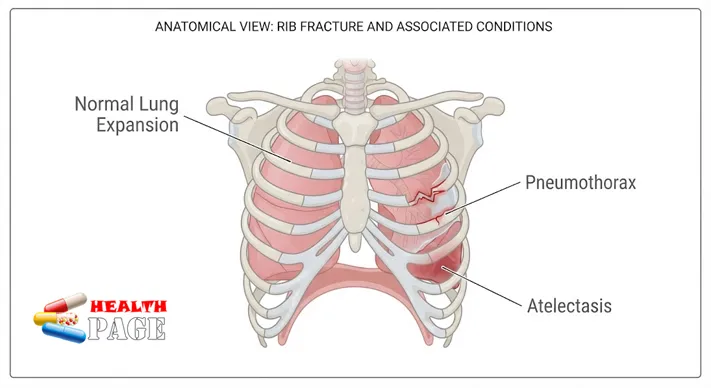
Avoiding deep breaths because of pain can reduce ventilation in parts of the lungs. Mucus may be harder to clear, and this can contribute to conditions such as atelectasis, in which part of the lung becomes under-expanded or partially collapses. It may also increase the risk of pneumonia, particularly in older adults or people with existing lung disease.
Try to continue breathing normally as much as possible. Follow any breathing-exercise instructions given by a doctor, nurse, or physiotherapist. Cough when necessary rather than suppressing every cough, and use a pillow or your hand for gentle support if that reduces discomfort.
Appropriate movement also matters. Walking short distances and moving the shoulders gently can help prevent prolonged inactivity. The goal is not to push through severe pain; it is to avoid unnecessary bed rest while staying within medically appropriate limits.
Complications of a cracked rib
Most isolated rib fractures do not cause serious complications, but chest trauma can sometimes injure structures beneath the ribs.
Possible complications of a cracked rib include:
Pneumonia
Pain may make deep breathing and coughing difficult. This can allow mucus to build up and increase the risk of a lung infection.
Atelectasis
Shallow breathing can prevent full expansion of parts of the lung. This may cause under-expansion and contribute to breathing problems or infection.
Pneumothorax
A sharp rib fragment can injure the lung, allowing air to collect in the space around it. This is called a pneumothorax, or collapsed lung.
Hemothorax
Blood can collect around the lung after chest trauma. This condition is known as a hemothorax and may affect breathing.
Injury to nearby organs or blood vessels
Depending on the location and severity of the fracture, trauma may affect the liver, spleen, kidneys, or nearby blood vessels. These risks are especially relevant after high-impact injuries or with displaced fractures.
Flail chest
Several adjacent ribs broken in multiple places can create an unstable section of the chest wall. This is called flail chest and can seriously interfere with breathing.
Nonunion or malunion
Rarely, a rib may fail to unite properly or may heal in an abnormal position. This can contribute to persistent pain or altered chest-wall mechanics.
When should you seek emergency medical attention?
Seek urgent medical care for:
- Increasing or severe shortness of breath
- Worsening chest pain
- Coughing up blood
- Significant abdominal or shoulder pain after chest trauma
- Severe dizziness, faintness, or weakness
- A serious vehicle accident or other major trauma
- Symptoms suggesting internal bleeding or serious lung injury
New chest pressure, squeezing, or pain spreading to the arm, shoulder, jaw, or back should not automatically be blamed on a rib fracture. Heart and other serious causes of chest pain can occur independently of an injury. Call emergency services if these symptoms are sudden, severe, or accompanied by sweating, nausea, faintness, or breathlessness.
When is rib fracture pain not normal?
Some discomfort can continue for weeks, but arrange a medical review if:
- Pain is getting worse rather than better
- Pain remains severe after several weeks
- Breathing becomes increasingly difficult
- You develop a fever
- You develop a persistent or productive cough, particularly with yellow or green mucus
- Shortness of breath does not settle
- Pain prevents normal daily activities
- You are unsure whether the original injury caused additional damage
These symptoms may indicate a chest infection, a complication, inadequate pain control, or a different diagnosis.
Can you speed up rib fracture healing?
There is no reliable shortcut that instantly repairs a broken rib. The practical aim of rib fracture home treatment is to support normal healing and reduce the risk of complications.
Helpful measures include:
- Getting adequate sleep and rest
- Continuing gentle movement as tolerated
- Using pain relief safely as advised
- Practising deep breathing when instructed
- Avoiding smoking and nicotine
- Avoiding heavy lifting and contact activities
- Eating a balanced diet with adequate protein and nutrients
- Following instructions about follow-up care
- Discussing osteoporosis or other bone-health concerns with a healthcare professional
Do not return to strenuous exercise simply because bruising has faded. Pain and function are useful guides, but significant injuries may need professional clearance before heavy work or sport.
Returning to exercise, work, and normal activities
Light daily movement is usually preferable to prolonged bed rest, provided it does not significantly worsen symptoms. You might begin with short walks and routine tasks, then gradually increase activity as breathing and movement become easier.
Heavy lifting, vigorous workouts, and contact sports place greater force through the chest wall. They should generally be avoided during the healing period or until a healthcare professional confirms that returning is appropriate.
A manual worker, athlete, or person whose job involves lifting may need a slower return than someone with desk-based work. The right timing depends on the fracture, the number of ribs involved, pain levels, breathing, and whether complications occurred.
Rib fracture recovery timeline: quick reference
- Days 1–7: Pain and tenderness are often strongest. Breathing, coughing, and movement may be uncomfortable.
- Weeks 2–3: Pain should generally begin trending downward, although movement-related pain can remain.
- Weeks 4–6: Many uncomplicated fractures are substantially healed, but soreness may persist.
- Weeks 6–12: Some fractures need this longer period for complete recovery.
- Beyond 12 weeks: Persistent, severe, or worsening symptoms warrant medical evaluation.
Frequently asked questions
How long does a fractured rib take to heal?
Many uncomplicated fractures improve within several weeks, with around six weeks often cited. Some injuries, particularly depending on their position and severity, can take 6–12 weeks.
How long is broken rib recovery time?
Recovery time depends on the number of broken ribs, displacement, age, bone health, general health, pain control, and complications. A person may resume light activity before the rib has fully finished healing.
Is it normal for a fractured rib to hurt after four weeks?
It can be. Residual pain with coughing, twisting, or lying in certain positions may still occur. The important expectation is gradual improvement. Severe or worsening pain should be medically assessed.
Can a cracked rib cause pneumonia?
Yes. Pain can lead to shallow breathing and ineffective coughing, which may increase the risk of mucus retention and pneumonia. Breathing exercises, appropriate pain control, and gentle movement can help reduce this risk.
Can a rib fracture damage the lung?
Yes. A displaced or sharp fracture can sometimes injure the lung and cause a pneumothorax or other chest complication. Sudden breathlessness, worsening chest pain, or coughing blood requires urgent assessment.
How do you sleep with a fractured rib?
Try a slightly upright position during the first few nights, use pillows for support, and change position slowly. Avoid tightly binding the chest, because normal chest movement and breathing are important.
Conclusion
Rib fracture healing time is often measured in weeks rather than days. Many people improve within 2–6 weeks, while some fractures require 6–12 weeks for fuller recovery. Pain may last longer than expected because the ribs move with every breath, cough, laugh, and change of position.
Support recovery with safe pain control, normal breathing, gentle mobility, adequate rest, and avoidance of smoking and heavy activity. Seek medical help if pain is worsening, breathing becomes difficult, fever develops, or symptoms suggest a lung or internal injury.
References
- NHS: Broken or cracked ribs
- Mayo Clinic: Broken ribs—symptoms and causes
- Cleveland Clinic: Rib fracture