
Tongue Scraper: 7 Benefits, How to Use It, and Side Effects
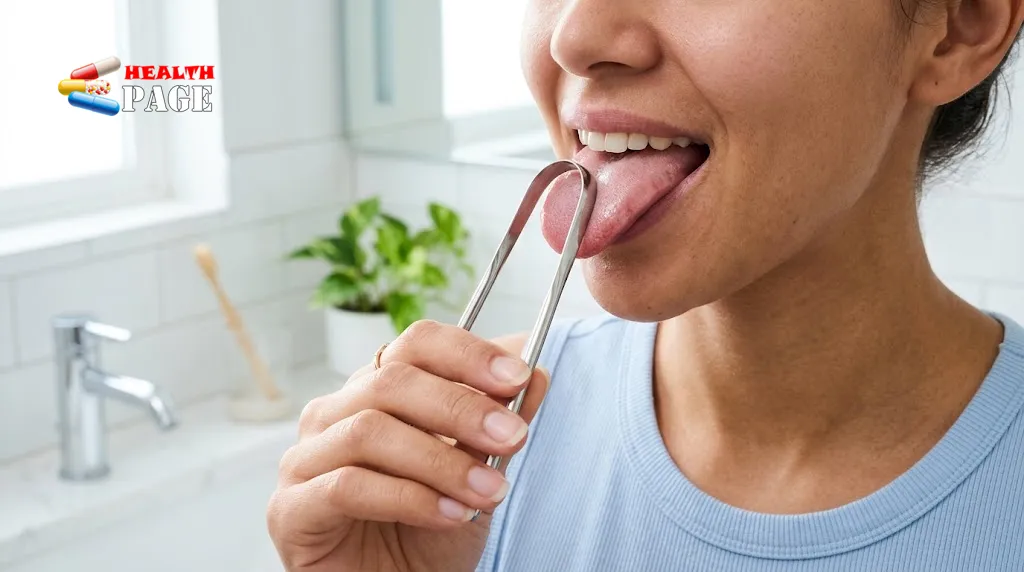
A tongue scraper is a small, flat tool that you draw across your tongue to lift off the film of debris, dead cells and microorganisms that collects there. Used gently once a day, it can make your mouth feel cleaner and may help with temporary bad breath. It is not a treatment for disease, and it does not replace brushing with fluoride toothpaste or cleaning between your teeth.
This guide covers what the research supports, how to scrape without hurting yourself, how a scraper compares with a toothbrush, and when a coated tongue or stubborn bad breath needs a dentist.
What a Tongue Scraper Does
The top surface of your tongue is covered in tiny projections called papillae. They give the tongue its texture, but they also trap food particles, shed cells and bacteria, especially toward the back, where the tongue moves least. Over time this builds up into a coating, which can look white, yellowish or brownish. A tongue scraper removes that layer mechanically instead of trying to rinse it away.
Many people already clean their tongue with the back of a toothbrush head, so scraping is not a new idea. It is a more targeted version of the same habit. Scrapers are usually a thin loop or a flat strip made of stainless steel, copper or plastic, and the type matters less than comfort, smooth edges and how easily you can clean it.
Tongue cleaning has a long history in traditional oral care, but the practical argument rests on current dental guidance. The NHS advises gently cleaning the tongue once a day with a scraper or cleaner as part of looking after your breath, alongside brushing twice daily with fluoride toothpaste and cleaning between your teeth.
Benefits of Tongue Scraping: What the Evidence Supports
Most claims about the benefits of tongue scraping are modest. A 2010 systematic review of mechanical tongue cleaning found that scraping or brushing the tongue, in addition to toothbrushing, has the potential to reduce both tongue coating and breath odour. The same review noted that data on chronic halitosis (long-standing bad breath) were insufficient. The studies involved are small, so treat the findings as encouraging rather than conclusive.
With that in mind, here are five potential benefits, ordered from best supported to least.
1. It removes visible tongue coating. This is the most direct effect and the easiest one to see. Scraping physically lifts the surface layer, and several trials reviewed in the 2010 paper measured a reduction in coating.
2. It may temporarily improve breath odour. Bacteria on the back of the tongue break down proteins and release smelly sulphur compounds. Taking away some of that film can reduce the odour for a while. “For a while” is the important phrase: if the underlying cause is gum disease, tooth decay or a medical condition, the smell tends to return.
3. It leaves your mouth feeling cleaner. This is subjective, but it is a real reason people keep the habit. A smoother, fresher feel after scraping is a perfectly good reason to continue, as long as you are gentle.
4. It may affect how food tastes. Some people report that flavours seem clearer after cleaning a heavily coated tongue. The evidence here is thin, and a change in taste that does not go away should be checked by a clinician instead of being put down to a dirty tongue.
5. It makes you familiar with how your tongue normally looks. This one is practical rather than clinical. Looking at your tongue daily makes it easier to notice a patch, sore or colour change that is new. That awareness is useful, though it is no substitute for a professional examination.
I have deliberately not listed detoxification, cavity prevention, or protection against gum disease or systemic illness. No reliable evidence supports those claims, and the article would be less trustworthy with them in it.
How to Use a Tongue Scraper
Searches for how to use a tongue scraper usually want a short routine, and the technique is straightforward. The aim is a light, steady stroke, not a hard scrub.
- Start with a clean scraper that has smooth, undamaged edges. Replace it if it is cracked, bent or rough.
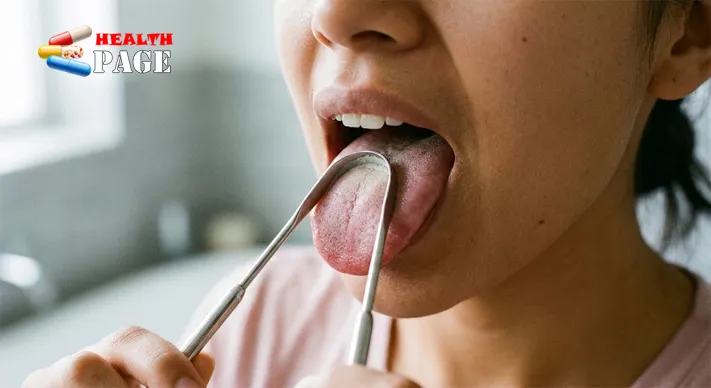
- Stick your tongue out comfortably and place the scraper toward the back of the area you can reach without gagging.
- Press lightly and pull the scraper forward toward the tip of your tongue in one slow stroke.
- Rinse the scraper under running water, then repeat a few times, moving across the width of the tongue until the surface has been covered.
- Rinse your mouth, wash the scraper with soap and water (or follow the manufacturer’s instructions for its material), and let it dry somewhere clean and open to the air.
Most people find it easiest to do this in the morning, before or after brushing, when the coating has had all night to build up. The exact time of day is a matter of preference, and no research shows one timing is better than another.
If you gag, begin further forward and work back over a few days as your tongue gets used to it. Gagging is a reflex, and rushing the back of the tongue makes it worse. Stop immediately if anything hurts or bleeds, and do not keep going over one spot. The NHS specifically warns against brushing so hard that your gums or tongue bleed, and the same principle applies to scraping. Show Image
How Often Should You Scrape Your Tongue?
Once a day is the figure that matches NHS advice for bad-breath self-care, and it is a reasonable default. There is no research-backed ideal number of passes or length of time, so I would not trust any article, product label or influencer that gives you an exact figure. A few gentle strokes that cover the visible surface are enough.
More is not better here. Scraping several times a day can leave the tongue sore and more likely to bleed, which defeats the purpose.
If you brush after meals as well, enamel timing matters separately from tongue care. After acidic food or drink, for example, it is worth knowing how long to wait after eating before brushing so you do not scrub softened enamel. Tongue scraping does not carry the same concern, since the tongue has no enamel.
Tongue Scraper vs Toothbrush
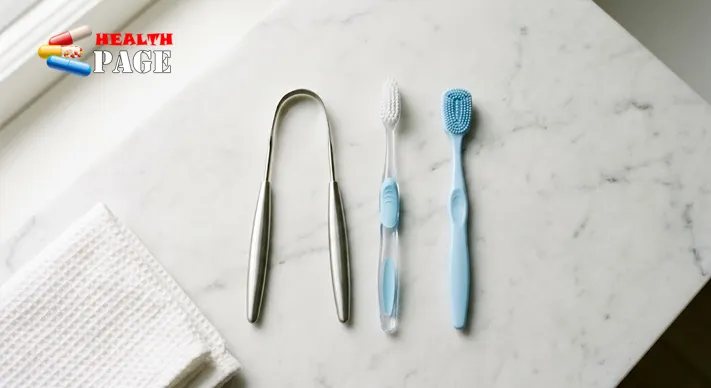
The question of tongue scraper vs toothbrush comes down to what you already own and what you find comfortable. Both can clean the tongue. The toothbrush is a general tool used on a surface it was not designed for, while a scraper is built for one job. A dedicated tongue brush, which has a head shaped for the tongue, sits somewhere in between.
| Tongue scraper | Toothbrush | Tongue brush | |
|---|---|---|---|
| How it works | Flat edge lifts coating off | Bristles loosen debris | Soft bristles or nubs sweep the surface |
| What the studies suggest | Can reduce coating and breath odour | Can reduce coating and breath odour | Included alongside scrapers in reviews |
| Gagging | Can occur if placed too far back | Bulky head may trigger it | Depends on head size |
| Upkeep | Wash and dry after each use | Replace regularly | Wash and dry after each use |
| Replaces teeth cleaning? | No | Used for teeth as well | No |
Some small trials have found a scraper slightly better at reducing odour-causing compounds than a toothbrush, but the evidence does not show that every scraper beats every toothbrush for every person. Choose the tool you will actually use gently and consistently. If you already brush your tongue and are happy with the result, there is no urgent reason to switch.
Whichever you choose, a scraper does not clean your teeth. The mouth still needs fluoride toothpaste twice a day and a daily clean between the teeth. An antibacterial rinse is another option the NHS lists for breath, and if you are deciding between rinses, this comparison of natural and fluoride mouthwashes explains how they differ.
Tongue Scraping Side Effects and Precautions
Tongue scraping side effects are usually minor and come from technique rather than the tool itself. The most common ones are:
- Gagging or nausea when the scraper goes too far back
- Soreness or irritation after pressing too hard or scraping too often
- Small cuts or bleeding from rough, chipped or damaged edges
- Temporary changes in how the tongue feels, which should settle within a day or so
To keep the risks low, use light pressure, check the scraper for damage regularly, and stop if you feel pain. Do not scrape over an ulcer, a cut or an area that is already sore, and give the tongue a few days to heal if you have irritated it.
Material is mostly a comfort and hygiene question. Metal scrapers are rigid and easy to wash, while plastic ones are lighter and sometimes flexible, and either works if the edges are smooth. There is no solid evidence that one material is medically superior, so ignore any claims to the contrary.
Keep your scraper to yourself, since sharing one passes saliva and bacteria between people, and store it where it can dry fully.
Myths and Limits: What a Tongue Scraper Cannot Do
A few claims come up often enough to address directly.
A scraper does not detoxify the body, cure an oral infection or protect against cavities. The tongue is only one place where odour-causing bacteria live, and most cavities and gum problems start on and between the teeth.
A white tongue is not automatically a sign of poor hygiene either. Common explanations include dehydration, dry mouth, smoking, mouth-breathing, certain medications, an overgrowth of yeast (oral thrush) and a harmless buildup of coating. Some are trivial and some are not, so scraping a stubborn white coating off repeatedly and hoping it vanishes is not a good plan. If it keeps coming back, it needs a diagnosis.
Finally, bad breath that returns quickly after scraping often points past the tongue. Gum disease, decayed teeth, dry mouth, tonsil problems and acid reflux can all contribute, and cleaning the tongue only addresses part of the picture. Show Image
When to See a Dentist About Your Tongue or Breath
Self-care is reasonable for occasional morning breath or a light coating. It stops being enough in several situations.
The NHS advises seeing a dentist if bad breath does not go away after a few weeks of treating it yourself. Painful, bleeding or swollen gums, a toothache or wobbly adult teeth are also reasons to book an appointment. Persistent bleeding gums can point to gum disease, and the dentist can tell you whether you may need treatment for something like chronic periodontitis, which no tongue scraper will fix.
Get any of the following checked promptly, either by a dentist or by your doctor:
- A white or red patch that does not rub off and lasts more than a couple of weeks
- A sore, ulcer or lump on the tongue that does not heal
- Ongoing pain, burning or numbness
- A sudden change in taste with no clear explanation
- Difficulty chewing, swallowing or moving the tongue
These signs are usually caused by something benign, but they should be assessed rather than scraped away.
Frequently Asked Questions
Is a tongue scraper really necessary?
No. It is an optional addition to a routine that already includes brushing twice daily, cleaning between the teeth and regular dental check-ups. If your tongue is clean and your breath is fine, you will not be missing much.
Can tongue scraping get rid of bad breath permanently?
Not reliably. Research suggests it can reduce odour for a time, but studies on long-term, chronic bad breath are limited. Lasting improvement usually depends on treating the cause, such as gum disease, dry mouth or decay.
Should I scrape before or after brushing my teeth?
Either order is fine. Some people scrape first so that any loosened debris is rinsed away by the toothpaste and water, but no study shows that one sequence works better than the other.
Is it normal for my tongue to bleed when I scrape it?
No. Bleeding usually means too much pressure, a rough edge or an existing sore. Stop, let the area heal, and use a lighter touch with an undamaged scraper. If bleeding keeps happening, ask a dentist.
Can children use a tongue scraper?
Most dental guidance for children centres on teeth and gums, and a young child may find a scraper uncomfortable or may gag on it. Ask a dentist before introducing one.
Is a Tongue Scraper Worth Adding to Your Routine?
For many people, a tongue scraper is a cheap, low-risk habit that leaves the mouth feeling fresher and can take the edge off breath odour. Its benefits are real but modest, and the research behind them is based on small studies. Used once a day with gentle pressure, it fits easily beside fluoride toothpaste, interdental cleaning and regular dental visits.
If you try it and your breath or tongue does not improve within a few weeks, the answer is probably not a harder scrape. It is a dental check-up.
References
- NHS. Bad breath. Guidance on gently cleaning the tongue once a day, toothbrushing, interdental cleaning, and when to see a dentist.
- Effectiveness of mechanical tongue cleaning on breath odour and tongue coating: a systematic review. International Journal of Dental Hygiene, 2010 (PubMed ID 20961381). Record on NCBI Bookshelf (DARE).

Dr. Suleman Khan is a registered Dental Surgeon dedicated to modern preventative oral health, maxillofacial insights, and advanced clinical treatment approaches. Based at the prestigious
Government Dental College and Hospital in Ahmedabad and registered under the Dental Council of India, he brings extensive hands-on experience in public health dentistry and preventative medicine.
As a core specialist panelist on the HealthPage Medical Review Board,
Dr. Khan provides expert clinical oversight, rigorous fact-checking, and medical verification for our oral health and dental surgery articles. He focuses on simplifying dense orthodontic and hygienic concepts into accessible, safe, and actionable guidance that reflects current healthcare standards.
✉ Professional Inquiries:
[email protected]
