
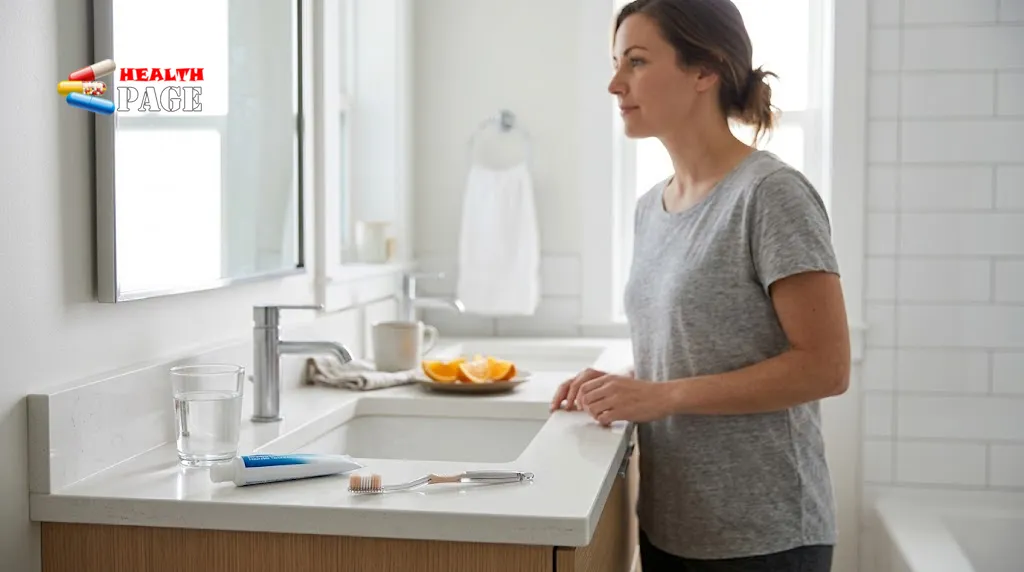
How Long to Wait After Eating to Brush Teeth? A Simple Guide
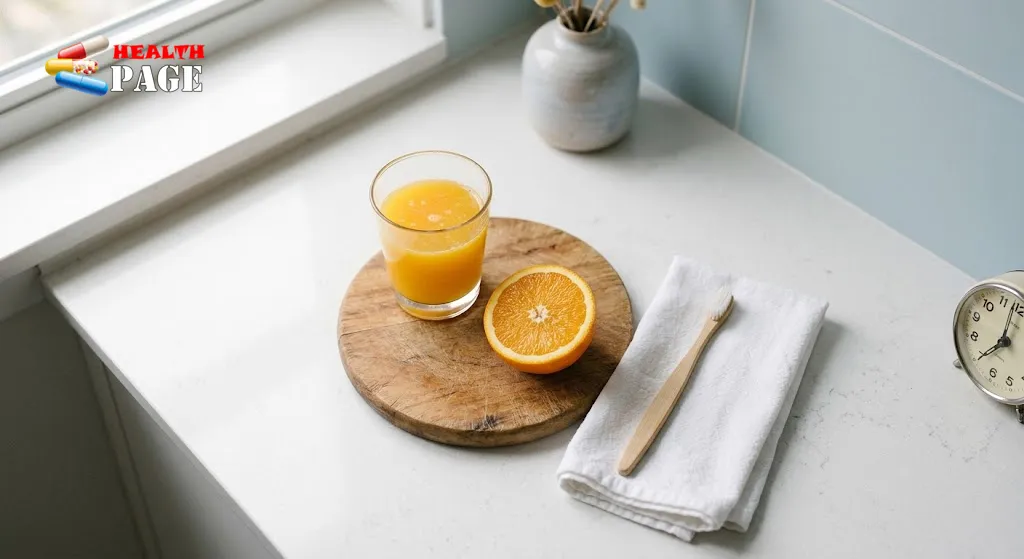
You’ve just finished a glass of orange juice, your mouth feels slightly sticky, and the toothbrush is right there. So how long to wait after eating to brush teeth? After anything acidic, the usual dental advice is about an hour, because that gives your saliva time to harden the enamel again. The American Dental Association makes this recommendation in its guidance on dietary acids and your teeth.
The pause matters mainly for acidic foods and drinks such as citrus fruit, juice, fizzy drinks, wine and sour sweets. It does not mean that brushing after meals is harmful in itself, and it is certainly no reason to skip brushing. It means the minutes straight after something acidic are the wrong moment to scrub. The sections below explain why, what to do while you wait, and how to fit all of this around breakfast and bedtime.
How Long to Wait After Eating to Brush Teeth: The Practical Rule
Dental guidance splits into two situations, and keeping them apart makes the topic much easier to handle.
After acidic foods and drinks, wait about an hour. That is the ADA’s figure, and the UK charity the Oral Health Foundation goes a little wider, advising at least an hour after eating or drinking before you brush.
After a routine meal with little acid, the picture is less precise. Neither organisation breaks the wait down food by food, and no firmly established number of minutes has been shown to be safe for every ordinary meal. Some dental websites suggest 20 or 30 minutes, but those figures are rules of thumb rather than settled science. When in doubt, an hour is the safest default and costs you nothing.
So how long after eating should you brush your teeth in practice? Treat one hour as the benchmark, and treat anything shorter as a judgment call that gets riskier as the meal gets more acidic. Brushing twice a day matters more than the exact minute you start.
Why Timing Matters: What Acid Does to Your Enamel
Enamel is the hard, mineral-rich outer layer of each tooth, and it protects the softer dentine underneath. Every time you eat or drink something acidic, the surface softens temporarily and loses some of its minerals. That sounds worse than it is. It happens to everyone many times a day, and healthy mouths are built to cope with it.
The coping mechanism is saliva. It helps neutralise acid and supports remineralisation, the natural process by which enamel regains lost minerals. Trouble starts when acid arrives so often that the repair never finishes. Sipping juice or a fizzy drink across a whole morning keeps the surface soft far longer than drinking the same amount with a meal, which is why dental organisations talk about how often you have acid as much as how much.
Brushing while the surface is softened can remove tiny amounts of enamel and speed up long-term wear, according to the Oral Health Foundation. One quick brush will not wreck anything, but the effect is cumulative, and the ADA points out that tooth erosion is permanent. Worn enamel can bring sensitivity to hot, cold or sweet things, a yellower look as the dentine shows through, and a higher risk of cavities. A rough analogy: softened enamel is like damp plaster. Left alone, it firms up again. Scrubbed straight away, it scuffs.
Saliva flow varies between people, and a mouth that is often dry loses some of this built-in protection. If that sounds familiar, this guide to relieving persistent dry mouth covers common causes and when to have it checked.
Should You Brush Your Teeth Immediately After Eating?
The habit most of us learned, brushing straight after meals, comes from a sound idea. Brushing removes plaque, the sticky film of bacteria behind decay and gum disease. The catch is that plaque removal does not have to happen the second you put your fork down, and after acidic food or drink the timing works against you.
So, should you brush your teeth immediately after eating? Not after acidic foods and drinks, and not if you can easily wait after other meals either. The risk is lower after a meal with little acid, but with no firm figure for those meals, a short pause is a cheap precaution. Keep it in proportion, though. Enamel wear builds up over months and years, so brushing early once or twice will not do lasting harm.
Erosion and decay are different problems
Two separate processes often get blended together. Erosion is the loss of enamel caused by acid alone; the Oral Health Foundation notes that, unlike decay, it does not involve bacteria. The acid comes mostly from food and drink, and sometimes from stomach acid reaching the mouth. Decay is the cavity process: bacteria in plaque feed on fermentable carbohydrates such as sugars and refined starches, and the acids they produce dissolve enamel from the surface inward.
Waiting helps with erosion. It does nothing for decay, which is controlled by removing plaque regularly, using fluoride toothpaste and keeping sugary snacks down. A short wait is an adjustment to your routine, not a replacement for it. Sugar-free does not mean acid-free either: fizzy drinks, including diet versions, are more likely to be acidic because of carbonation and citrus flavourings.
How Long to Wait to Brush Teeth After Acidic Foods and Drinks
Acid levels vary a lot, so this table sorts common examples by what they usually mean for timing. Treat it as a guide rather than a food-by-food rulebook, since portion size and mixed meals change the picture.
| Food or drink | Main concern | Sensible approach |
|---|---|---|
| Citrus fruit, juice, smoothies, lemon water | Acid (erosion) | Rinse with water, wait about an hour |
| Fizzy drinks (including diet), sports and energy drinks | Acid, plus sugar in regular versions | Drink with a meal, rinse, wait about an hour |
| Tomato sauce, vinegar, pickles, berries, pineapple | Acid | Eat as part of a meal, rinse, wait about an hour |
| Wine and cider | Acid | Rinse with water, wait about an hour |
| Sour sweets | Acid and sugar | Keep occasional, rinse, wait about an hour |
| Sticky sweets, biscuits, dried fruit | Sugar and plaque (decay) | Brush at your next usual time with fluoride toothpaste |
| Meals with little acid (eggs, plain rice, chicken) | Plaque (decay) | No food-specific wait is established; an hour is a safe default |
The wait changes when you brush, not how often. The ADA’s tip to eat citrus and tomatoes as part of a meal rather than on their own is also worth borrowing.
What to Do While You Wait
An hour can feel long when your mouth tastes of lemon. These steps help in the meantime:
- Rinse with plain water straight after the food or drink.
- Finish with milk or a little cheese. The ADA notes that dairy and other calcium-rich foods can help neutralise acid.
- Chew sugar-free gum to keep saliva flowing; the ADA suggests choosing gum that carries its Seal of Acceptance.
- Use a straw for acidic drinks and swallow rather than swishing them around.
Planning helps more than patience, though. Having acidic foods with meals instead of grazing, finishing a juice rather than nursing it, and keeping fizzy drinks as an occasional treat all reduce how many acid attacks your teeth face in a day, and that is the bigger lever.
Should You Brush Before or After Breakfast?
Brushing before breakfast is the simplest way around the timing puzzle. It clears the plaque that built up overnight and coats your teeth with fluoride before any acid arrives, which suits breakfasts that include juice, citrus fruit or a fruit smoothie. You also never have to think about the clock afterwards.
It is not the only acceptable routine. Some people cannot face food with a minty mouth, and others simply prefer to finish the morning feeling fresh. If that is you, have breakfast, rinse with water, and brush an hour later, perhaps once you are dressed and ready to leave. Breakfasts with little acid, such as eggs on toast or porridge made with milk, leave more flexibility, with the same caveat that no precise figure exists.
The reasoning behind brushing first is sensible, but it is reasoning rather than a proven advantage over waiting. Pick whichever routine you will keep up consistently.
Brushing Habits That Protect Your Enamel
Timing is one small piece of enamel care. The habits below do more of the heavy lifting, and they match what the NHS advises in its guide to keeping your teeth clean.
Brush twice a day for about two minutes with fluoride toothpaste, making one of those sessions the last thing you do before bed. Fluoride helps enamel remineralise and makes it more resistant to acid. If you are comparing formulas, this breakdown of stannous fluoride and sodium monofluorophosphate toothpastes explains how the two common fluoride types differ.
After brushing, spit out the excess but skip the rinse, and avoid mouthwash straight afterwards, because both wash away the concentrated fluoride left on your teeth. A soft-bristled brush used with light pressure is a common recommendation, since hard scrubbing can wear enamel and gums even when the timing is perfect. The NHS says a manual and an electric brush work equally well as long as every surface gets cleaned, and cleaning between the teeth daily covers the spots a brush misses.
Bedtime brushing is the one to protect. Saliva flow slows during sleep, so a clean, fluoride-coated mouth matters more overnight. If you snack late, finish acidic food and drink earlier in the evening so the hour has passed before you brush. Never skip the evening clean simply because you ate late.
When to Talk to a Dentist
Book a visit if you notice sensitivity that keeps returning with hot, cold or sweet things, teeth that look thinner, yellower or oddly smooth and shiny, small hollows on the chewing surfaces, or fillings that seem to be changing. Frequent heartburn, acid reflux or regular vomiting also deserves a mention, because stomach acid can erode enamel and may need a doctor’s attention as well.
A professional hygiene clean every so often removes plaque and tartar that home brushing misses, and it is a natural moment to ask about your enamel. This article is general information and does not replace advice from your own dental team.
Frequently Asked Questions
Is it bad to brush your teeth after eating?
Not inherently. Brushing is good for your teeth; the concern is brushing while enamel is softened by acid. If you brushed soon after a meal today, nothing needs repairing. Just allow more time after acidic foods and drinks in future.
Is brushing after every meal necessary?
No. Dental guidance centres on brushing twice a day with fluoride toothpaste, not on brushing after each meal. If you like a fresh mouth after lunch, rinse with water or chew sugar-free gum, and keep proper brushing for your usual times.
Do sugar-free fizzy drinks need the same wait?
Yes. Removing sugar does not remove the acidity, so diet and sugar-free fizzy drinks are treated like other acidic drinks. Rinsing with water and waiting about an hour applies here as well.
What if I have something acidic just before bed?
Aim to finish acidic food and drink earlier so the hour can pass before you brush. If that is not possible, rinsing with water and brushing gently with a soft brush is a reasonable compromise, since going to bed without cleaning your teeth carries its own risks. If this happens often, ask your dentist what suits you.
Can mouthwash or gum replace brushing while I wait?
They can help, but not replace it. Water rinses and sugar-free gum support saliva and clear some residue, yet neither removes plaque the way brushing with fluoride toothpaste does. Use them as a bridge until it is time to brush.
Conclusion
The question of how long to wait after eating to brush teeth has a simple working answer: about an hour after acidic foods and drinks, and an hour is also a sensible default for other meals, since no firm shorter figure has been established. Use the waiting time to rinse with water, finish with a little dairy or sugar-free gum, and keep acidic drinks to mealtimes.
The rest is routine. Brush twice a day with fluoride toothpaste, use a soft brush with light pressure, protect your bedtime clean, and see a dentist if sensitivity or visible changes appear. If breakfast timing is what trips you up, brushing before you eat removes the problem entirely.
References
- American Dental Association, MouthHealthy. “Erosion: What You Eat and Drink Can Impact Teeth” (Dietary Acids and Your Teeth). https://www.mouthhealthy.org/all-topics-a-z/dietary-acids-and-your-teeth
- Oral Health Foundation. “Dental erosion.” https://www.dentalhealth.org/dental-erosion
- NHS. “How to keep your teeth clean.” https://www.nhs.uk/live-well/healthy-teeth-and-gums/how-to-keep-your-teeth-clean/

Dr. Suleman Khan is a registered Dental Surgeon dedicated to modern preventative oral health, maxillofacial insights, and advanced clinical treatment approaches. Based at the prestigious
Government Dental College and Hospital in Ahmedabad and registered under the Dental Council of India, he brings extensive hands-on experience in public health dentistry and preventative medicine.
As a core specialist panelist on the HealthPage Medical Review Board,
Dr. Khan provides expert clinical oversight, rigorous fact-checking, and medical verification for our oral health and dental surgery articles. He focuses on simplifying dense orthodontic and hygienic concepts into accessible, safe, and actionable guidance that reflects current healthcare standards.
✉ Professional Inquiries:
[email protected]
