
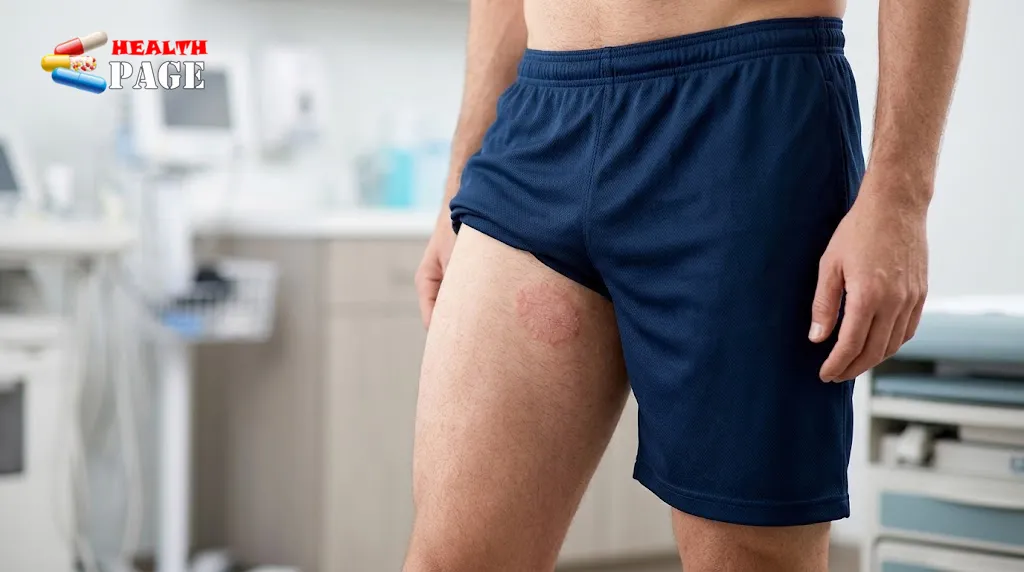
Jock Itch: 5 Symptoms, Treatments, and Creams to Get Rid of It
Written by: Dr. Jacob Cote (Dermatology)
Medical Disclaimer: The information provided in this article, “Jock Itch: 5 Symptoms, Treatments, and Creams to Get Rid of It,” is for educational and informational purposes only and is not intended as medical advice. It should not be used to diagnose or treat any health condition or disease. Always consult with a qualified healthcare professional or dermatologist for medical diagnosis, personalized advice, or treatment options regarding skin conditions.
Few skin problems are as irritating, or as awkward to bring up, as an itchy rash in the groin. If that is what brought you here, there is a good chance you are dealing with jock itch, a common fungal infection that responds well to the right treatment. This guide covers what it looks like, which antifungal creams are used and how to apply them, how long recovery takes, and when a rash needs a clinician’s opinion instead of another tube of cream.
What Is Jock Itch?
Jock itch is the everyday name for tinea cruris, a skin infection caused by dermatophytes, a group of fungi that feed on keratin in the outer layer of skin. It is a form of ringworm of the body, although no worm is involved. The “ring” refers to the shape the rash can take as it spreads outward.
The fungi that cause it live harmlessly on many people’s skin until conditions favor them: warmth, moisture, and friction. That is why the infection settles into the groin creases, inner thighs, and sometimes the buttocks. According to MedlinePlus, it occurs mostly in adult men and teenage boys, and it typically stays in the thigh creases without involving the scrotum or penis. People with deep skin folds are also more prone to it. Women can get it too, particularly in warm weather or with tight activewear.
The name suggests an athlete’s problem, but anyone who sweats, wears snug clothing for long hours, or shares towels can develop it.
5 Common Jock Itch Symptoms
Jock itch symptoms vary, and not everyone has all five. Together they form a recognizable pattern, though none is diagnostic alone.
- Itching in the groin folds. This is usually the first sign and often the most persistent. It tends to worsen after exercise or at the end of a sweaty day.
- Burning or soreness. Skin that rubs against itself can feel raw, especially once scratching has broken the surface.
- A rash that gradually spreads. It generally begins in the crease where the thigh meets the torso and extends outward over days or weeks, often on both sides.
- Scaly, flaky, or cracked skin. The surface may look dry and peel in fine flakes, even though the area feels damp.
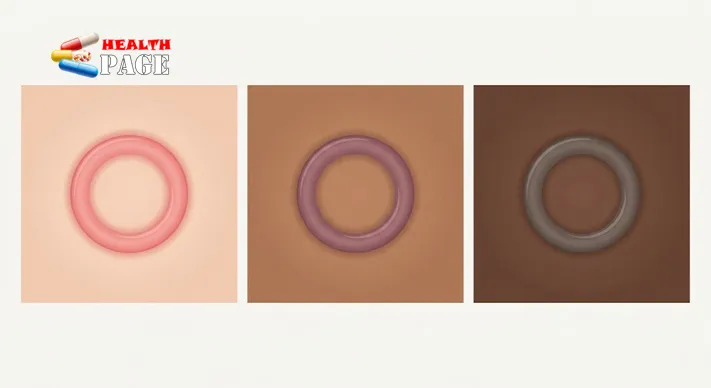
- A defined edge, sometimes ring-shaped. The border is often slightly raised and may contain small bumps or, occasionally, tiny blisters, while the center can look clearer than the edge.
Color depends on your skin tone. On lighter skin the rash usually looks red or pink. On brown and Black skin it may appear brown, purple, gray, or darker than the surrounding skin, and the patch can leave a darker mark for weeks after the infection clears. This is one reason redness alone is a poor guide.
Because many conditions cause an itchy groin rash, these features suggest jock itch rather than confirm it. A pharmacist or doctor can often tell by looking, and a quick skin scraping examined under a microscope settles uncertain cases.
What Causes Jock Itch?
The fungus needs a damp, warm, covered-up environment. Sweating, humid weather, tight or synthetic clothing, and staying in damp gym clothes all create it. Friction adds to the problem by irritating the skin barrier and making it easier for the organism to take hold.
Transmission is the second piece. The fungus passes through direct skin contact and through contaminated towels, clothing, or bedding, as MedlinePlus explains. Locker-room floors, shared gym mats, and borrowed towels are the usual suspects.
Athlete’s foot is a surprisingly common link. The same organisms cause both conditions, and the fungus can travel from the feet to the groin on your hands or via your underwear as you pull it over your feet. That is why Mayo Clinic advises treating athlete’s foot at the same time, otherwise the groin rash can keep coming back.
Jock Itch Treatment: Antifungal Creams That Work
For mild cases, an over-the-counter antifungal is the standard first step. Mayo Clinic notes that you can use a nonprescription cream, ointment, gel, powder, or spray, and that you should keep applying it for at least a week after the rash has cleared. Stopping at the first sign of relief is the most common reason the infection returns.
A Cochrane review of randomized trials in proven tinea cruris and tinea corporis found little difference in cure rates between the main classes of antifungals. Treatment length in those studies mostly ranged from two to four weeks, though some products require fewer applications over a shorter course. In practice, the best choice is often the one you will actually use consistently, so check the packaging for the schedule.
| Active ingredient | Class | What to know |
|---|---|---|
| Terbinafine | Allylamine | Often works with a shorter course than azoles; usually applied once daily |
| Clotrimazole | Azole | Widely available and inexpensive; usually applied twice daily for longer |
| Miconazole | Azole | Comes as cream, spray, and powder; useful where skin stays damp |
| Tolnaftate | Thiocarbamate | Common in some countries; available as cream and powder |
| Bifonazole | Azole | Used once daily in many regions; availability varies by country |
Product names and strengths differ from country to country, so rely on the active ingredient listed on the box rather than the brand. A pharmacist can recommend a suitable jock itch cream, and you can ask whether a spray or powder suits you better if the area stays damp.
How you apply the cream matters as much as which one you choose:
- Wash and dry the area first, patting rather than rubbing.
- Apply a thin layer over the rash and a little way beyond its edge, since the fungus extends past what you can see.
- Wash your hands afterward so you do not carry it elsewhere.
- Keep going for the full time on the label, or longer if the label or your clinician says so.
A note on steroid creams. Many people reach for hydrocortisone because it calms itching quickly, and combination creams that pair an antifungal with a steroid exist. Studies, including the Cochrane review, show that such combinations can clear redness sooner. The concern is using steroid products on an undiagnosed rash. Steroids can make a fungal rash look different and harder to identify, and they may let it spread. The CDC has also warned about overuse of antifungals and corticosteroids as drug-resistant ringworm strains emerge. If you want a steroid combination, use it only when a clinician has confirmed the diagnosis and told you to.
How to Get Rid of Jock Itch at Home
Medicine does the main work, but the environment around your skin decides whether it succeeds. These habits help both treatment and recovery:
- Keep the area dry. After washing, dry the groin folds thoroughly, using a clean towel or a hair dryer on a cool setting if you tend to stay damp.
- Change out of sweaty clothes promptly. Do not sit in damp gym shorts or swimwear.
- Choose loose, breathable underwear. Cotton or moisture-wicking fabrics reduce trapped sweat and friction.
- Resist scratching. It breaks the skin, invites bacterial infection, and can spread the fungus to your hands and other areas.
- Do not share towels or clothing, and wash towels, underwear, and workout clothes in hot water while you are being treated.
- Treat your feet too. If you have athlete’s foot, treat it at the same time, and put your socks on before your underwear so the fungus is not dragged upward.
You will find plenty of jock itch home remedies online, including rubbing alcohol, garlic, tea tree oil, and apple cider vinegar. Evidence for them is thin, and several can burn or inflame already irritated skin. They are no substitute for a proven antifungal, and they can delay real treatment.
For realistic timing, many people feel less itching within a few days, while the rash itself usually fades over one to three weeks. If you see no improvement after a week of consistent use, or it has not cleared after three weeks, Mayo Clinic recommends getting medical advice.
Is It Really Jock Itch? Rashes That Look Similar
The groin is a crowded neighborhood for skin problems, and several conditions can mimic a fungal rash. Chafing and heat rash cause redness without the spreading, scaly border. Yeast (candida) infections can look similar but often involve the scrotum or deeper skin folds and have small satellite spots, which jock itch usually does not. Contact dermatitis from detergent, fabric, or a new product tends to appear wherever the irritant touched.
Inflammatory skin diseases are another possibility. Psoriasis and eczema can both affect skin folds and itch intensely, but they do not respond to antifungals, so using one on the wrong condition wastes time. A rash that is symmetrical, thick, silvery, or unrelated to sweat is worth showing to a clinician.
Another rule of thumb: if you have been treating a “fungal rash” with the correct cream for the correct period and it has not improved, the diagnosis may be wrong. If you are curious about other causes of red patches on the skin, they range from allergic reactions to chronic skin conditions.
When to See a Doctor
Self-treatment is reasonable for a mild, typical rash, but several situations call for professional assessment:
- No improvement after a week of an over-the-counter antifungal, or the rash is not fully gone after three weeks
- Pain, swelling, oozing, pus, or fever, which can signal a secondary bacterial infection
- A widespread or very inflamed rash, or one that keeps coming back
- Uncertainty about what the rash actually is
- A weakened immune system or diabetes, where infections can behave differently
A clinician may take a skin scraping and prescribe stronger topical medication or, in severe cases, antifungal tablets.
Preventing Jock Itch From Coming Back
Recurrence is common, mainly because the conditions that allow the fungus to thrive come back with the next workout. Prevention is mostly a matter of routine:
- Dry thoroughly after showering, swimming, and exercise, paying attention to skin folds.
- Wear clean, breathable underwear daily and avoid tight, non-breathable layers for long stretches.
- Use an antifungal or drying powder in the groin if you sweat heavily, as MedlinePlus suggests for people who tend to get it repeatedly.
- Wear sandals or shower shoes in communal showers and changing rooms.
- Keep towels personal and wash them often.
- Treat athlete’s foot promptly and fully.
FAQs
Is jock itch contagious?
Yes, it can spread through skin contact and through shared towels, clothing, or bedding. Washing laundry in hot water and not sharing personal items lowers the risk for people around you.
Is jock itch a sexually transmitted infection?
Typical jock itch is not classed as an STI, since it is mostly caused by everyday skin fungi and moisture. However, the CDC describes an emerging fungus, Trichophyton mentagrophytes genotype VII, that can spread through intimate contact and often causes a more painful, inflammatory groin or genital rash. See the CDC clinical overview of TMVII. If your rash is severe, involves the genitals, or follows a new sexual partner, get it checked.
Can jock itch go away on its own?
It sometimes improves temporarily, but it commonly lingers or returns if untreated. Using an antifungal is the more reliable route.
How long does jock itch take to clear?
Itching often eases within days, and the rash generally fades over one to three weeks, depending on the product and how consistently you use it. Continue treatment for the period recommended on the label, and for at least a week after the rash clears if that is the advice for your product.
Can I treat jock itch with an athlete’s foot cream?
Often yes, because the same fungi cause both infections and many products list both on the label. Check the instructions and ask a pharmacist if you are unsure.
Conclusion
Jock itch is common, treatable, and nothing to be embarrassed about. Recognizing the pattern of itching, scaling, and a spreading, defined rash, applying an antifungal properly, and keeping the area dry will clear most cases. If the rash does not respond, or you suspect something else is going on, a clinician can sort it out quickly. For more reading on rashes and skin concerns, you can browse HealthPage’s skin health guides.
This article is for general education and does not replace advice from a doctor or pharmacist. Because it covers a health topic, have a qualified clinician review it before publication.
References
- Mayo Clinic. Jock itch: Diagnosis and treatment.
- MedlinePlus (U.S. National Library of Medicine). Jock itch.
- Centers for Disease Control and Prevention. Clinical Overview of TMVII.

Dr. Jacob Cote, MD, FRCPC, is a board-certified dermatologist practicing at The Ottawa Hospital in Ontario, Canada. Specializing in medical dermatology, clinical skin pathology, and advanced acne therapies, Dr. Cote brings years of institutional hospital experience to the editorial board. He is dedicated to translating complex, evidence-based dermatological research into practical preventative skin health strategies for everyday readers. At HealthPage, he ensures all clinical guidelines and skincare recommendations are rigorously reviewed and align with current Canadian Dermatology Association standards.