

Can You Get Whooping Cough If Vaccinated? 5 Facts to Know
Can you get whooping cough if vaccinated? Yes, you can. The vaccine lowers your chance of catching pertussis, the bacterial infection behind the illness. It also makes a severe case less likely, but it does not promise lifelong protection. That distinction matters if you have had every recommended dose and now have a cough that won’t go away.
This article covers why breakthrough infections happen, what the effectiveness figures mean, how whooping cough can look in a vaccinated adult, how long protection lasts, and when to call a doctor. The numbers come mainly from the US Centers for Disease Control and Prevention (CDC) and the UK National Health Service (NHS). Where they are estimates, the text says so.
Fact 1: Vaccinated people can still catch whooping cough
Whooping cough is caused by a bacterium called Bordetella pertussis, which, according to the CDC, attaches to the tiny hair-like cilia lining part of the upper airway. It releases toxins that damage those cilia and make the airways swell. That is why the cough can be so violent and so slow to settle.
Vaccines for this illness work well, but the CDC is clear that protection decreases over time. So whether vaccinated people can get whooping cough comes down to timing and chance. Someone who finished their childhood doses years ago may have much less protection than a toddler who had a shot last month.
A breakthrough infection doesn’t mean the vaccine failed outright. Think of a seatbelt: it greatly improves your odds in a crash, but nobody claims it makes injury impossible. Vaccination works in a similar way, shifting the odds toward no illness, or a milder one.
Having had whooping cough doesn’t grant a free pass either. The CDC says past infection gives some immunity, but not lifelong protection.
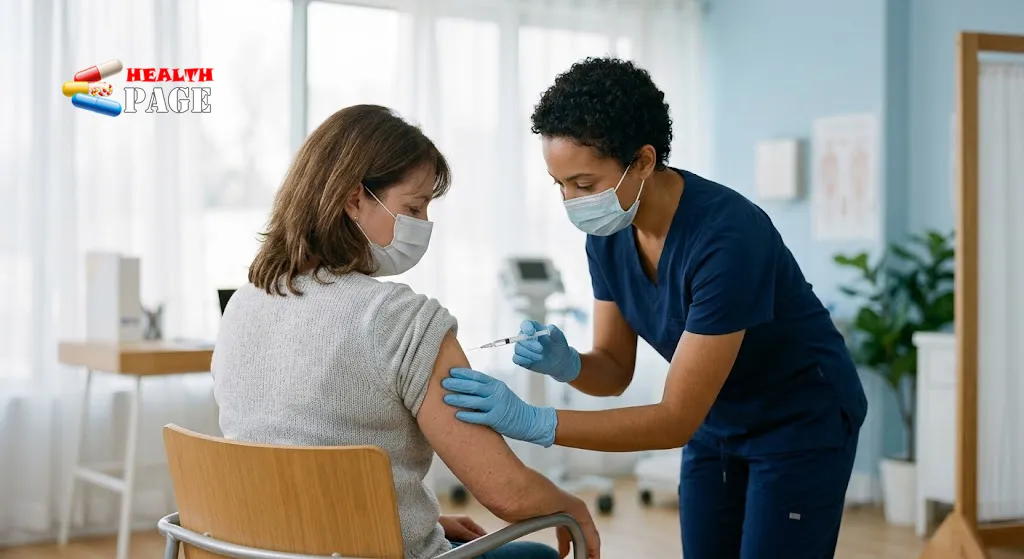
Fact 2: Whooping cough vaccine effectiveness explained
Whooping cough vaccine effectiveness is a measure taken across groups of people in studies, not a promise about one individual. If a vaccine is 70% effective in a study, that does not mean your personal protection is 70%. It means that among a large group, roughly seven in ten who would otherwise have become ill were protected. Results also shift with age, the population studied, and how long after the last dose the measurement was taken.
With that caveat, the CDC’s summary of the vaccine types gives these study-based estimates for protection against illness:
| Vaccine | Time since last dose | Estimated protection |
|---|---|---|
| DTaP (childhood, all 5 doses) | Within 1 year | About 98 in 100 children |
| DTaP | 5 years | About 7 in 10 children |
| Tdap (adolescents and adults) | First year | About 7 in 10 people |
| Tdap | 4 years | About 3 to 4 in 10 people |
The CDC adds an important detail about the DTaP figures. The children who aren’t fully protected five years on are often partially protected, meaning they are less likely to get seriously ill if they do catch it.
Vaccination during pregnancy has its own numbers. The CDC reports that Tdap in pregnancy protects more than three in four babies under two months old from whooping cough. It also protects about nine in ten babies from being hospitalised with it. The NHS describes the pregnancy vaccine as around 90% effective at protecting babies from becoming seriously ill before their own first vaccinations.
Read together, these figures show a vaccine that is strong early, fades gradually, and is most valuable for preventing the worst outcomes.
Fact 3: Whooping cough symptoms in vaccinated adults
Whooping cough symptoms in vaccinated adults often begin like an ordinary cold, which is part of why the infection goes unrecognised. The CDC lists a runny or blocked nose, a low-grade fever and a mild, occasional cough for the first one to two weeks. It adds that healthcare providers often don’t suspect whooping cough until later, more severe symptoms appear.
After that, some people develop coughing fits that the CDC says usually last one to six weeks and can run to ten. These can bring:
- a high-pitched “whoop” as the person breathes in after a fit
- vomiting during or after the cough
- exhaustion after a fit, though people often seem fairly well between fits
- poor sleep and, sometimes, difficulty breathing
- in some cases a cracked rib
Vaccination changes the picture. The CDC notes that people who have been vaccinated but still get whooping cough generally have a milder illness. The NHS makes a related point that some adults don’t “whoop” at all, and that a very red face during coughing is more common in adults. So the absence of the classic sound is not reassurance.
Even when milder, an adult case can be unpleasant. The NHS lists sore ribs, hernia, middle ear infections and leaking urine when coughing as possible problems in older children and adults. Teens and adults can also develop complications such as pneumonia, although these are usually less serious in people who have been vaccinated.
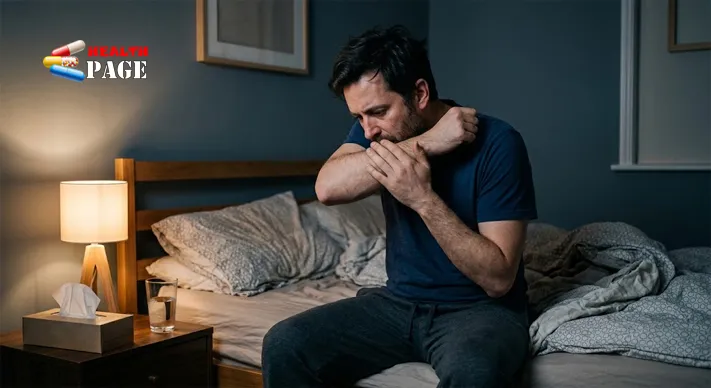
Picture an adult who catches what seems to be a winter cold, recovers a little, and then finds the cough returning in long bouts that are worse at night. That pattern, not the “whoop”, is the clue. A cough that outlasts a cold, or that follows contact with a confirmed case, deserves a conversation with a clinician regardless of vaccination history.
Fact 4: How long does whooping cough vaccine protection last?
There is no single answer, because it depends on the vaccine, the number of doses and the person. The CDC figures above show the general shape: a high point soon after vaccination, then a decline over several years. DTaP is given to babies and young children, up to five shots in the US schedule. Tdap is the version for people aged seven and over, and the CDC says it is given to preteens and teens, during pregnancy, and as a booster every ten years (Td is an alternative for those boosters). It is also used as a three-shot series for people never vaccinated.
The “D” and “T” in both names stand for diphtheria and tetanus, and the “aP” stands for the whooping cough component. All whooping cough vaccines are combined with those two.
Schedules differ by country, and this is where practical advice has to be local. In the UK, the NHS lists whooping cough protection as part of the 6-in-1 vaccine at 8, 12 and 16 weeks and 18 months, then the 4-in-1 pre-school booster at 3 years 4 months. Pregnant women are offered the vaccine, usually at around 20 weeks. The CDC, on the other hand, recommends whooping cough vaccination for adults too.
That means someone vaccinated in childhood may become more susceptible again in adolescence or adulthood. Whether you should get another dose depends on your country’s current guidance and your own vaccination record. Check with your GP, pharmacist, midwife or practice nurse rather than assuming, particularly if you live with or will care for a newborn.
Fact 5: Can vaccinated adults spread whooping cough, and when should you seek advice?
Anyone who is infected can pass it on, and the people who spread it most easily are often those who don’t know they have it. The CDC explains that some people have mild symptoms and don’t realise they have whooping cough, yet can still spread the bacteria. It adds that many babies who get whooping cough are infected by older siblings, parents or caregivers who didn’t know they were ill. Because vaccinated people tend to have milder illness, an unrecognised infection is plausible, which is a good reason to take a lingering cough seriously when there is a baby at home.
The infectious period is long. The CDC says people can spread the bacteria from the start of symptoms and for at least two weeks after coughing begins, while the NHS says you’re contagious for up to three weeks after the coughing starts. The NHS advises staying off school, work or nursery until 48 hours after starting antibiotics, or three weeks after the cough began if you haven’t had antibiotics.
Babies carry the greatest risk. The CDC says infants under one year are at greatest risk of severe illness, and about one in three babies in that age group who catch it need hospital care. Many babies with whooping cough don’t cough much at all. Instead they may have apnoea, which means pauses in breathing, and may turn blue.
This is why vaccination in pregnancy is so valuable. It gives newborns a layer of protection in the first weeks of life, before they can start their own course.
When to get medical help
Contact a healthcare professional promptly if you:
- have a violent or worsening cough, especially after close contact with a confirmed case
- live with or care for a young baby and have a cough that isn’t clearing
- are pregnant and have been in contact with someone with whooping cough
The NHS says an urgent GP appointment or NHS 111 is appropriate if a baby under six months has symptoms of whooping cough. Call 999 or go to A&E if lips, tongue, face or skin turn blue or grey, or if breathing becomes hard or shallow. Pauses in an infant’s breathing need emergency care.
A clinician can decide on testing and antibiotics. Both the CDC and the NHS say antibiotics given early help limit spread, and the CDC stresses treating before coughing fits begin. The NHS cautions that antibiotics may not reduce symptoms once the cough is established. Close contacts may be offered preventive antibiotics, and the CDC says a healthcare provider or health department generally decides who should receive them.
Frequently asked questions
Does a mild case mean the vaccine didn’t work?
Not necessarily. The CDC says illness in vaccinated people is generally milder, so a short or less severe illness can be the vaccine doing part of its job. It reduces risk and severity without eliminating the chance of infection.
Can you get whooping cough more than once?
Yes. According to the CDC, previous infection provides some immunity but not lifelong protection, so reinfection is possible. Vaccination status and a past illness are two separate things to consider.
I’m about to be around a newborn. Should I get a booster?
It depends on your country and your history. The CDC recommends whooping cough vaccination for adults, while UK schedules concentrate on childhood doses and pregnancy. A GP, pharmacist or midwife can check your record and local guidance.
Is whooping cough dangerous for adults?
It is usually less severe in adults, particularly in those who have been vaccinated, though it can still bring complications such as pneumonia and fractured ribs. The larger concern is passing it to babies and vulnerable people.
Do antibiotics cure the cough?
Not quickly. Early antibiotics can make the infection less serious and help stop spread, according to the CDC, but the NHS notes they may not shorten symptoms once the illness is established. Coughing fits can continue for weeks.
Conclusion
So, can you get whooping cough if vaccinated? Yes, but vaccination still counts for a lot: strong protection in the first years, a milder illness if you do catch it, and a vital shield for newborns when given in pregnancy. Protection fades, symptoms in adults can look like a long cold, and mild cases can still reach infants.
The practical step is simple. If you have a cough that is lasting, worsening or following contact with a confirmed case, ask a healthcare professional about it, however many doses you have had. Check your vaccination record against your local schedule, especially if a baby is joining your household.
References
- CDC, “About Whooping Cough” (https://www.cdc.gov/pertussis/about/index.html)
- CDC, “Types of Whooping Cough Vaccines” (https://www.cdc.gov/pertussis/vaccines/types.html)
- NHS, “Whooping cough” (https://www.nhs.uk/conditions/whooping-cough/)

Dr. Sana Lodhi is a qualified medical doctor (MBBS) with a strong commitment to patient care and evidence‑based medicine. With years of clinical experience and her current role at Liaquat University of Medical & Health Sciences (LUMHS), she brings trusted medical insights to readers, simplifying complex health topics into clear, practical guidance. Her passion lies in promoting preventive healthcare, empowering individuals to make informed decisions, and bridging the gap between medical knowledge and everyday wellness. At HealthyPost.co.uk, Dr. Lodhi shares expert perspectives on health, lifestyle, and medical awareness to help readers live healthier, more balanced lives.