
Perineoplasty: Procedure, Recovery Time, Risks and Results
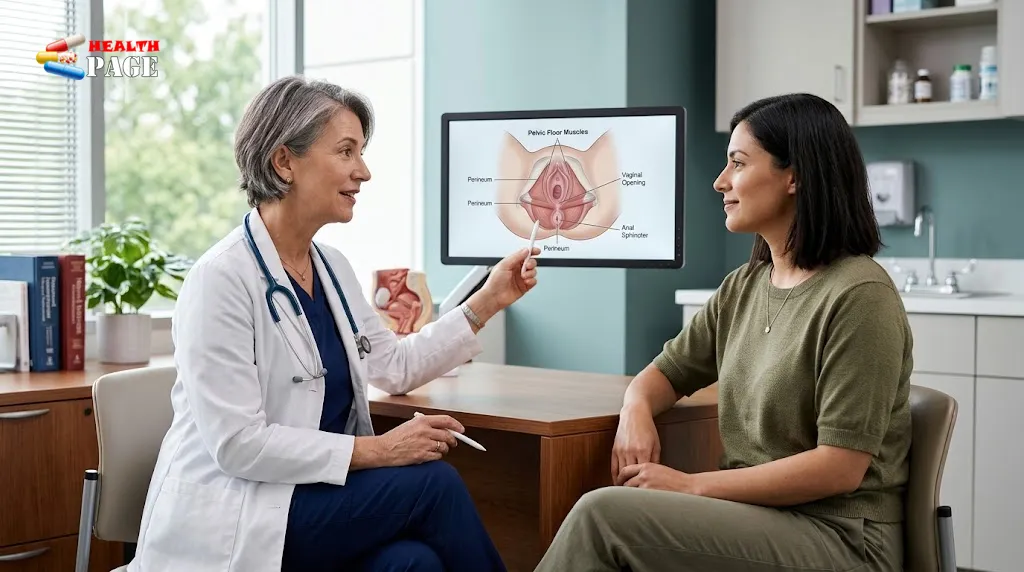
Perineoplasty is a surgical repair of the perineum, the band of skin and muscle between the vaginal opening and the anus. It is usually considered when childbirth tears, an episiotomy or scarring have left lasting pain, a gaping vaginal entrance or a feeling of looseness. Less often it is done for appearance alone. Recovery typically takes around six to eight weeks. The main risks are pain, infection, scarring and painful sex, and results vary from person to person.
This guide explains what the operation involves, who might be a candidate, what healing looks like, where the evidence is thin and what to ask before a consultation. It is for adults researching their options. It does not replace an examination by a gynecologist, urogynecologist or other suitably trained surgeon.
What Is Perineoplasty?
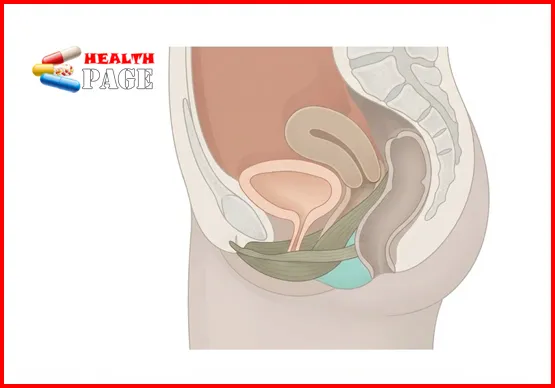
The perineum helps support the pelvic organs and pelvic floor muscles, and it contributes to vaginal tone and sensation. Cleveland Clinic describes perineoplasty (also called perineorrhaphy) as surgery to repair or change this area. It may address a medical problem, alter how the perineum looks or change how the vaginal entrance feels. The same page notes that the medical field has few firm guidelines on when and how to do it.
Not every change in this area needs fixing. The perineum stretches and heals differently from person to person, and a clinician should be able to explain your anatomy without making a normal variation sound like a defect.
Why Is Perineoplasty Performed?
Cleveland Clinic lists the medical reasons as complications of vaginal tears (such as excess scar tissue or bowel incontinence), pelvic organ prolapse and perineal pain. The cosmetic and sensory reasons include loose or excess perineal skin, reduced friction during intercourse, a feeling of a wide vagina and vaginal gas.
Childbirth is the most common starting point. A significant tear or an episiotomy can heal with tight scarring, a thin perineal body or weakened muscle. Perineoplasty after childbirth is sometimes considered for these problems, although many women with similar injuries heal without needing surgery. Recovery is often harder after tears and instrument-assisted deliveries, and this guide to how recovery differs after vaginal and cesarean birth covers what that can involve.
Who May Be a Suitable Candidate?
Candidacy starts with working out where the symptoms come from. Scarring, muscle injury, pelvic floor weakness, prolapse and hormonal change can feel alike, and only some respond to surgery. A feeling of looseness, for example, often has more to do with pelvic floor muscle weakness than with the vaginal lining. This is why the treatment aims at the muscles and tissue around the entrance rather than the canal itself.
Surgeons do not fully agree on the indications. A 2024 survey of urogynecologists found a wide range of opinions, and current pelvic pain or painful intercourse were among the main reasons surgeons gave for holding back. Painful sex has many causes that perineoplasty will not touch, such as low estrogen and vaginal dryness. Surgeons also usually defer the operation during pregnancy, with active infection or with a bleeding disorder. Some sources advise waiting until a person has finished having children, so ask about timing.
Other options often come first, depending on the cause. They include pelvic floor physiotherapy, treatment for dryness or constipation, and management of prolapse. Other postpartum changes, such as abdominal muscle separation, also tend to be managed with rehabilitation before surgery is discussed.

What Happens During the Perineoplasty Procedure?
Techniques vary with the cause and with whether other surgery happens at the same time. In general, per Cleveland Clinic:
- You receive local or general anesthesia.
- The surgeon makes an incision in the perineum.
- Excess skin or scar tissue is removed.
- The deeper muscles near the perineum are repaired, and may be reshaped or tightened.
- The incision is closed with stitches.
It is often performed as day surgery, and sometimes alongside vaginoplasty or prolapse repair. Ask your surgeon exactly what will be removed, repaired and tightened in your case, and why.
Perineoplasty Recovery Time: Healing and Aftercare
Cleveland Clinic puts recovery at six to eight weeks. Your own timeline may be shorter or longer, so treat these stages as a rough guide to the healing process:
- First days: Swelling and discomfort are expected. Ice and pain relievers are the usual first-line measures.
- First weeks: Sitz baths (shallow warm-water soaks) may soothe the area. A pad manages light bleeding, and the area should be kept clean and dry.
- Around four weeks: Activity should stay limited for at least this long. No heavy lifting or strenuous exercise.
- Six weeks onward: Nothing goes into the vagina for at least six weeks, including tampons and menstrual cups, and sex is avoided during that time. Once healed, most providers recommend pelvic floor exercises, sometimes with a physical therapist.
Bowel care matters more than people expect. Drinking plenty of water, eating fiber and using a stool softener if advised all help you avoid straining over fresh stitches. Follow your own surgeon’s instructions where they differ from general guidance.
Warning Signs After Surgery
Contact your surgical team promptly if you notice heavy bleeding, fever, pain that is getting worse instead of easing, or wound changes such as spreading redness, pus, a foul-smelling discharge or edges that are opening. Seek emergency care for bleeding that soaks through pads quickly, chest pain or difficulty breathing.
Perineoplasty Risks and Complications
As with any operation, the possible perineoplasty side effects and complications include:
- pain
- bleeding
- infection
- scarring or adhesions
- painful sex
- altered sensation
- not getting the tightness or strength hoped for
- the need for another operation
Tightening too much is a specific concern. An overly narrow entrance can make intercourse painful or difficult, which is why detailed discussion beforehand matters.
Published figures for these complications are limited, so this article quotes no percentages that cannot be traced to a study. In one small retrospective study from Turkey, Ulubay and colleagues reported low complication rates and high satisfaction in women treated for the sensation of a wide vagina, but 10% (four patients) experienced pain at the vaginal entrance during sex. The American College of Obstetricians and Gynecologists (ACOG) has also cautioned that data on the safety and efficacy of cosmetic vaginal procedures are lacking. That 2007 opinion concerns cosmetic procedures broadly rather than perineoplasty alone, but the caution about weak evidence still applies. Surgery for a medical indication such as scar complications or prolapse is a different conversation from surgery for appearance.
Perineoplasty Before and After: Realistic Expectations
Surgery can change the contour of the perineum, remove problem scar tissue and improve support and tightness at the vaginal entrance. It does not change the vaginal canal.
The research has clear limits. The Ulubay study compared measurements such as genital hiatus length before and after surgery, but it was retrospective, drew on a specific group of women after vaginal birth and used a non-validated telephone survey for satisfaction. Cleveland Clinic says satisfaction is generally high, yet reliable long-term data on sexual function remain scarce. A single study cannot tell you what your result will look like or feel like.
Be cautious with perineoplasty before and after photos. Clinics choose which images to show, and differences in lighting, camera angle and swelling can make results look better or worse than they are. Useful photos are taken at consistent angles over several time points, with the patient’s authorization, and they come with an honest explanation of what the surgery did and did not change. Early swelling and tenderness settle gradually, so early impressions may not reflect the final result.
Perineoplasty vs. Vaginoplasty: Key Differences
The two operations are often confused. Perineoplasty treats the perineum and entrance, while vaginoplasty treats the inside of the vagina. Surgeons sometimes perform both in the same operation.
| Procedure | Area treated | Notes |
|---|---|---|
| Perineoplasty | Perineum and vaginal entrance | Repairs or tightens nearby muscles; does not alter the vaginal canal |
| Vaginoplasty | Vaginal canal (inside) | May repair or tighten the canal |
| Perineorrhaphy | Perineum | Often used as another name for perineoplasty; terms vary between surgeons |
Because the terminology overlaps, ask your surgeon to describe exactly what they plan to do rather than relying on the name of the operation.
Questions to Ask Your Surgeon
Cost varies with the surgeon, the setting and whether other procedures are combined. UK private clinic directories advertise prices starting at roughly £3,500, which may not include consultations or follow-up. NHS availability generally depends on a clear medical need, and local policies differ, so a GP or gynecology referral is the best starting point.
A useful consultation checklist:
- What is the diagnosis, and which of my symptoms is surgery expected to improve?
- What is your training in this operation? If you are in the UK, you can check a doctor’s registration on the General Medical Council register.
- What technique, anesthesia and setting do you recommend?
- What are the risks in my case, including narrowing and painful sex?
- What happens if the result is not what I hoped for?
- What is the total cost, including follow-up and any revision?
- How long should I plan for off work, lifting restrictions and resuming sex?
- Can I see authorized before and after photos with context?
Frequently Asked Questions
Is perineoplasty painful?
Expect swelling and discomfort in the first few days. Most providers recommend ice and pain relievers, and sitz baths can help. If pain worsens instead of easing, call your surgical team.
When can I have sex again after perineoplasty?
Cleveland Clinic advises avoiding sex and anything inserted into the vagina for at least six weeks. Wait until your surgeon confirms you have healed.
Does perineoplasty tighten the vagina?
Partly. It can improve the feel of a wide vaginal entrance by reshaping the muscles near the perineum, but it does not change the vaginal canal.
Could it affect future pregnancy or childbirth?
The operation does not involve the uterus or ovaries. However, a later vaginal birth may stretch or tear the repaired area, and some sources advise waiting until childbearing is complete. Discuss timing with your surgeon.
Can I have it on the NHS?
Possibly, where there is a clear medical indication, but policies vary by area. Ask your GP about referral and local criteria.
Conclusion
Perineoplasty can be a reasonable option for scarring, perineal pain or lasting problems after childbirth tears. It is a real operation with a six-to-eight-week recovery, genuine risks and evidence that is still modest. The most useful next step is a clear diagnosis and a frank consultation with an appropriately trained surgeon. For related reading, browse HealthPage’s gynecological health guides.
References:
- Cleveland Clinic. “Perineoplasty” (Health Library, medically reviewed, last updated 12/11/2025).
- Ulubay M, et al. “Safety, Efficiency, and Outcomes of Perineoplasty: Treatment of the Sensation of a Wide Vagina.” Biomed Res Int, 2016.
- ACOG Committee Opinion No. 378. “Vaginal ‘rejuvenation’ and cosmetic vaginal procedures.” Obstet Gynecol, 2007.

Dr. Wang Zhixin is a distinguished Chief Physician specializing in comprehensive gynecology, perinatology, and maternal healthcare systems. She serves at the acclaimed
Shenzhen Maternity and Child Healthcare Hospital, a premier Grade-III Class-A medical center associated with Southern Medical University. With decades of clinical leadership, Dr. Wang is widely recognized for her contributions to reproductive wellness, prenatal diagnostic precision, and advanced clinical research safeguarding maternal-fetal medical outcomes.
As a core specialist panelist on the HealthPage Medical Review Board,
Dr. Wang leverages her senior clinical oversight to meticulously fact-check, audit, and medically verify our reproductive medicine and maternal wellness guides. Her analytical reviews ensure that intricate obstetric protocols and feminine wellness data are rendered into safe, authoritative, and completely evidence-based reference resources for global audiences.
✉ Professional Inquiries:
[email protected]