
What Is IUI Treatment? Facts About the Procedure, Steps, Success Rate & Risks
Medical Disclaimer: The information provided in the article “What Is IUI Treatment? Facts About the Procedure, Steps, Success Rate & Risks” has been written by Dr. Wang Zhixin (Gynecology) for general informational and educational purposes only. It is not intended to be a substitute for professional medical advice, diagnosis, or treatment.
Individual fertility needs, success rates, and treatment risks vary. Always seek the advice of a qualified fertility specialist, gynecologist, or healthcare provider with any questions you may have regarding intrauterine insemination (IUI) or your reproductive health. Never disregard professional medical advice or delay seeking it because of something you have read in this article.
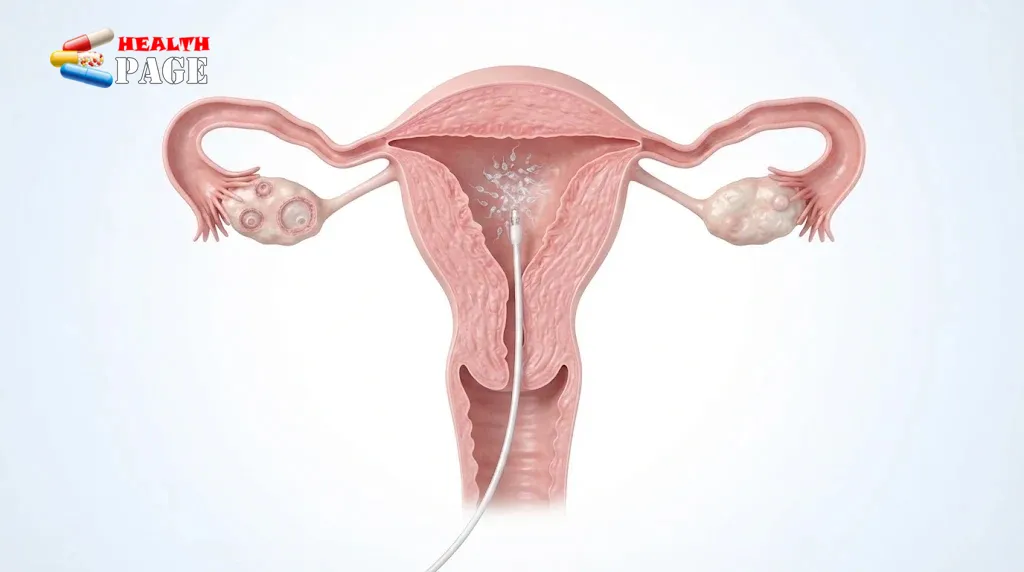
If you’ve been trying to conceive for a while, a fertility clinic may eventually mention IUI. So what is IUI treatment? IUI stands for intrauterine insemination, a procedure in which a sample of washed, concentrated sperm is placed directly into the womb (uterus) around the time you ovulate. The egg is not removed and nothing is fertilised in a laboratory. Fertilisation, if it happens, takes place inside the body, which is why IUI is often described as a gentler step than IVF. It is also why it works for some people and not for others. This guide covers how it works, who it suits, the stages involved, realistic success figures and the risks, so you can have a better-informed conversation with your specialist.
How Does IUI Treatment Work?
In natural conception, sperm have to travel through the vagina, the cervix and the womb before they reach the fallopian tube, where an egg is waiting. Many sperm don’t make the journey. IUI shortens it by bypassing the vagina and cervix and delivering a concentrated sample of the best-moving sperm closer to the egg, at a time when an egg is available.
Three elements make that possible:
- Timing. The clinic works out when you are likely to ovulate, either by tracking your natural cycle or by using medication to control it.
- Sperm preparation. A laboratory processes the sample (a step often called sperm washing) so that fast-moving sperm are separated from seminal fluid and slower or non-moving sperm.
- Placement. A thin, flexible tube called a catheter passes through the cervix and releases the prepared sample into the womb.
After that, the process is natural. Sperm swim towards the fallopian tubes, one may fertilise an egg, and the resulting embryo has to travel to the womb and implant. IUI improves the odds that sperm and egg meet, but it cannot fertilise an egg for you or guarantee implantation. That is the main difference between IUI and IVF, and it explains much of the difference in results.
Who Might Be Offered IUI?
Intrauterine insemination is used in a fairly narrow set of circumstances, and the picture has changed in recent years. According to the NHS, IUI can be used to help you get pregnant if you need donor sperm, for example if you’re in a same-sex couple or single, or if you cannot have vaginal sex. Examples include vaginismus, certain physical conditions, or situations where one partner has a condition such as HIV and unprotected sex isn’t safe.
For people with an identified fertility problem, the NHS says IUI is not likely to increase your chances of getting pregnant if you have problems such as blocked fallopian tubes, unexplained infertility, endometriosis, or a low sperm count or poor-quality sperm. Some private clinics, and older patient leaflets, still offer IUI (often with ovulation-stimulating medication) for unexplained infertility, mild endometriosis or mildly reduced sperm quality. Whether that is reasonable for you depends on age, how long you’ve been trying, tubal health and sperm results, so ask your specialist to explain the evidence behind their recommendation.
Irregular ovulation is another reason fertility medication may be prescribed alongside IUI. It is also worth knowing that, in the UK, IUI is not routinely offered on the NHS and many people pay privately, with eligibility varying by area.
Conditions That Need to Be in Place First
IUI only makes sense when a few basics are met:
- At least one open, healthy fallopian tube. Sperm and egg have to meet in the tube. The NHS notes that fertility tests before IUI include a check that your fallopian tubes are open and healthy.
- Ovulation, either naturally or with medical help.
- Usable sperm after processing. The laboratory counts how many moving sperm remain after washing. Too few and the chance of success falls.
- A reasonable overall outlook. Age, ovarian reserve, how long you’ve been trying and any previous treatment all feed into the decision, and may point to IVF sooner.
IUI Treatment Steps: The Procedure From Start to Finish
The IUI procedure steps below follow a typical clinic pathway. Details differ between clinics and between natural and medicated cycles.
1. Fertility assessment
Before treatment, you and a partner (if you have one) will usually have tests. For the woman, this may include a medical history, a pelvic ultrasound, hormone blood tests and a tubal patency test. For a male partner, a semen analysis looks at sperm concentration, movement (motility) and shape. Infection screening is often part of the process.
2. Cycle monitoring
Your clinic tracks your cycle to find the right day. If you aren’t using medication, the NHS says they’ll use blood tests or urine tests to find exactly when you’re ovulating, usually 12 to 16 days before your next period is due. Ultrasound scans can follow follicle growth, the fluid-filled sacs in the ovary that contain eggs.
3. Ovulation stimulation (if needed)
Not everyone takes medication. In a natural-cycle IUI, insemination is timed around your own ovulation. In a medicated cycle, tablets such as letrozole or clomiphene, or injectable hormones called gonadotropins, encourage one or more follicles to develop, and a trigger injection may be used to time ovulation. Because this raises the chance of releasing several eggs, it needs specialist supervision and scan monitoring.
4. Sperm collection and preparation
On the day, a partner provides a sample, usually at the clinic, or frozen donor sperm is thawed. The laboratory separates the healthiest, fastest sperm from the rest. Unwashed semen isn’t suitable for placement in the womb, so this step is essential. When donor sperm is used in the UK, treatment must go through a licensed clinic, and donor samples are screened for infections and inherited conditions.
5. The insemination
You lie on an examination couch as you would for a smear test. A speculum holds the vagina open, a catheter is guided through the cervix, and the prepared sample is released into the womb. The NHS describes the experience as not usually painful, although it can be a bit uncomfortable, with cramping for a short time afterwards, and it usually takes no more than 10 minutes. Anaesthetic isn’t needed.
6. Rest and pregnancy test
You may lie down briefly, then go home and carry on with normal life. Your clinic will tell you which day to take a pregnancy test, usually about two weeks later. Prolonged bed rest isn’t generally needed.
What Is IUI Treatment vs IVF?
People often treat the two as a mild and a strong version of the same thing. They are different treatments for different situations.
| IUI | IVF | |
|---|---|---|
| Where fertilisation happens | Inside the body | In a laboratory |
| Egg collection | Not needed | Usually needed |
| Embryo transfer | Not performed | Embryo placed in the womb |
| Medication | Optional | Usually involved |
| Cost | Generally lower | Generally higher |
| Chance per cycle | Generally lower | Generally higher |
With IUI, sperm still have to find and fertilise an egg unaided, so it relies on healthy tubes and a reasonable egg supply. IVF takes eggs from the ovaries, fertilises them in the laboratory and transfers an embryo to the womb, which gets around problems such as blocked tubes or very low sperm counts. If you later learn about stored embryos, a frozen embryo transfer is one common route within IVF.
Neither is better in general. IUI may suit someone using donor sperm, or a couple who cannot have intercourse, with open tubes and good ovulation. IVF is generally recommended when tubes are blocked, sperm quality is significantly reduced, endometriosis is more than mild, or age and ovarian reserve make waiting costly. The NHS states that IVF is usually recommended for people who are having difficulty getting pregnant.
IUI Treatment Success Rate
A fair answer to “does it work?” depends heavily on who is being treated. Large UK data illustrate why. A retrospective analysis of Human Fertilisation and Embryology Authority (HFEA) records, covering 30,669 IUI cycles and 319,105 IVF/ICSI cycles performed between 2012 and 2016, found live birth rates per cycle of 11.49% for IUI and 26.96% for IVF. That comparison is imperfect because the groups of patients differ, but it shows that a single IUI cycle gives a modest chance.
Results build over repeated attempts. The NHS says that over half of women under 40 using IUI will get pregnant within six cycles. That figure is a population average rather than a promise for any one person, and the NHS also notes it is not likely to improve chances if there are certain underlying fertility problems.
Several factors shift the odds:
- Age. Egg quantity and quality decline over time, which affects every fertility treatment.
- Cause of infertility. Outcomes differ for donor-sperm treatment, ovulation problems and unexplained infertility.
- Sperm quality after preparation.
- Tubal health and ovulation timing.
- Medication. Stimulation can improve the chance of an egg being available, but also raises the chance of multiple pregnancy.
Pregnancy can occur on the first cycle, but many people need several. There isn’t a universal rule for how many attempts to make. Many clinics review the plan after three or four unsuccessful cycles, which is a sensible point to ask whether IVF would now give better value for your time and money.
Risks and Side Effects of IUI
The NHS describes IUI as a safe procedure, with a small chance of infection that is very rare. Most side effects are mild and short-lived.
- Cramping or light spotting. Mild cramps are common during or after insemination. Slight spotting can follow catheter insertion, and it can be confusing in the days afterwards, so it may help to read about light period versus implantation bleeding. Heavy bleeding or severe pain isn’t expected and needs medical advice.
- Infection. Rare, and clinics use sterile equipment to reduce it.
- Multiple pregnancy. With stimulation medication, more than one egg may be released. The NHS lists the risk of having more than one baby, with associated risks to you and your babies, as a possible complication of medicated cycles. Monitoring helps clinics cancel cycles when too many follicles develop.
- Ovarian hyperstimulation syndrome (OHSS). This is when the ovaries over-respond to medication. The NHS lists it alongside ectopic pregnancy as a risk when fertility medicine is used, and advises contacting your clinic or NHS 111 for pain, bloating, sickness or faintness, and calling 999 for difficulty breathing or chest pain.
- Ectopic pregnancy. A pregnancy that implants outside the womb, usually in a fallopian tube, is uncommon but serious. Sharp one-sided pain, fainting, shoulder-tip pain or bleeding in early pregnancy needs urgent assessment.
- Emotional strain. Waiting, repeated cycles and cost can be draining. Counselling and support groups are worth using early rather than as a last resort.
After the Procedure: The Two-Week Wait
The stretch between insemination and testing can feel long. Keep taking any prescribed medication, go back to your normal routine unless told otherwise, and avoid testing early. A very early test can mislead you, and if a trigger injection was used it may produce a false positive from leftover hormone.
Your clinic will tell you whether to do a blood test or a urine test. If it’s a home pregnancy test, wait until the day they give you. If you get a positive result, the NHS advises contacting your GP or a midwife to start antenatal care.
A negative result doesn’t mean IUI can’t work for you. Your specialist can review whether ovulation was well timed, how the sperm sample performed after processing, and how your ovaries responded, then decide between another IUI cycle and a move to IVF.
Frequently Asked Questions
Does IUI hurt?
Most people feel mild discomfort or cramping rather than pain. The speculum and catheter are similar to a smear test, and the procedure is short.
Can IUI be done without fertility drugs?
Yes. Natural-cycle IUI is timed around your own ovulation. Medication tends to be added when ovulation is irregular or a clinic wants more than one follicle to develop.
Is artificial insemination the same as IUI?
Not exactly. Artificial insemination is a broader term for placing sperm into the reproductive tract by means other than intercourse. IUI is the version that places prepared sperm inside the womb; the NHS uses the terms together.
Can single women or same-sex couples use IUI?
Yes, with donor sperm through a licensed clinic. NHS access varies by area and many people pay privately, so check local funding rules and clinic policy.
Does IUI increase the chance of twins?
IUI itself doesn’t, but ovulation-stimulating medication can lead to more than one egg being released, which raises the chance of twins or more.
Conclusion
So, what is IUI treatment in practice? It is a short, low-intervention procedure that places prepared sperm in the womb at the right moment and leaves fertilisation to the body. It is most clearly useful when donor sperm is needed or intercourse isn’t possible, and a little less certain for people with unexplained or mild fertility problems, where the NHS says it is unlikely to improve their chances. Success per cycle is modest, though cumulative chances rise across several cycles, particularly for younger women.
If you’re weighing your options, ask your specialist which factors apply to you, how many cycles they’d recommend before reviewing the plan, and how the cost compares with IVF. For more on related topics, HealthPage’s women’s reproductive health articles are a useful next stop.
References
- NHS. “Intrauterine insemination (IUI).” https://www.nhs.uk/tests-and-treatments/intrauterine-insemination-iui/
- NHS. “Infertility: Treatment.” https://www.nhs.uk/conditions/infertility/treatment/
- Ramsay JM et al. UK HFEA data analysis comparing IUI and IVF success, risks and costs, 2012–2016 (BMJ Open, via PubMed Central). https://pmc.ncbi.nlm.nih.gov/articles/PMC7076239

Dr. Wang Zhixin is a distinguished Chief Physician specializing in comprehensive gynecology, perinatology, and maternal healthcare systems. She serves at the acclaimed
Shenzhen Maternity and Child Healthcare Hospital, a premier Grade-III Class-A medical center associated with Southern Medical University. With decades of clinical leadership, Dr. Wang is widely recognized for her contributions to reproductive wellness, prenatal diagnostic precision, and advanced clinical research safeguarding maternal-fetal medical outcomes.
As a core specialist panelist on the HealthPage Medical Review Board,
Dr. Wang leverages her senior clinical oversight to meticulously fact-check, audit, and medically verify our reproductive medicine and maternal wellness guides. Her analytical reviews ensure that intricate obstetric protocols and feminine wellness data are rendered into safe, authoritative, and completely evidence-based reference resources for global audiences.
✉ Professional Inquiries:
[email protected]