
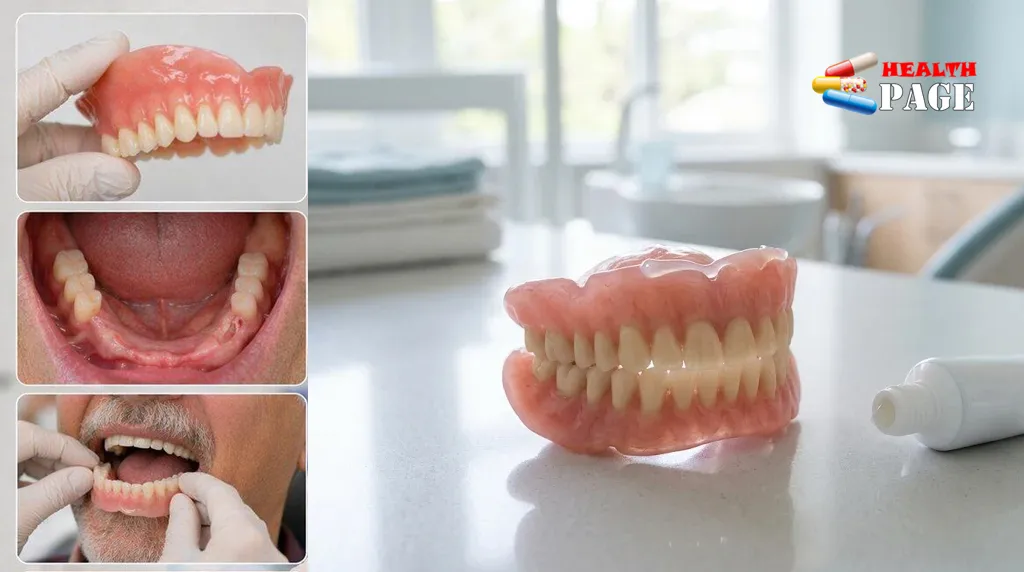
Denture Adhesive: Types, How to Use It Safely, and When to See a Dentist
Medical Disclaimer: This article, “Denture Adhesive: Types, How to Use It Safely, and When to See a Dentist,” has been written by Dr. Suleman Khan (Dental Surgery) for informational and educational purposes only. The content provided is not intended to be a substitute for professional dental or medical advice, diagnosis, or treatment. Always seek the advice of your dentist or another qualified healthcare provider with any questions you may have regarding denture care, oral health, or a medical condition. Never disregard professional dental advice or delay seeking it because of something you have read in this article.
A removable denture should feel secure enough for everyday activities, including eating, speaking and smiling. However, changes in the gums and jawbone can affect how well it fits over time. This is where denture adhesive may help. These products provide additional retention, helping reduce movement and making dentures more comfortable to wear.
Denture adhesives are available as creams, powders and pre-formed strips or wafers. Although they can improve stability, they are not a substitute for properly fitted dentures. If your dentures repeatedly slip, cause soreness or require increasing amounts of adhesive, the underlying fit needs attention from a dentist.
Understanding the different products, how to apply them and what safety precautions to follow can help you make a more informed choice.
What Is Denture Adhesive?
Denture adhesive is a product applied to the fitting surface of a removable denture to improve its grip against the gums and supporting oral tissues. It creates additional retention, helping the denture remain more stable during everyday activities.
People who wear complete dentures (replacing all teeth in an arch) or certain partial dentures may benefit from an adhesive when additional support is needed.
Depending on the formulation, an adhesive may help:
- Reduce movement while eating and speaking.
- Improve confidence when wearing removable dentures.
- Reduce the amount of food entering beneath the denture.
- Improve comfort when a properly fitted denture needs additional retention.
However, an adhesive does not repair damaged dentures or correct significant fitting problems. According to the US Food and Drug Administration (FDA), properly fitted and maintained dentures generally should not require adhesive products.
How Does Denture Adhesive Work?
Most denture adhesives contain materials that interact with moisture in the mouth. Certain ingredients, including water-absorbing polymers, swell when exposed to saliva and form a more cohesive layer between the denture and supporting tissues.
This layer helps improve the denture’s resistance to movement.
For example, someone wearing an upper denture may notice that it shifts slightly while chewing or speaking. An appropriate adhesive can provide additional retention and help the denture feel more stable.
However, adhesives work best when the denture already fits reasonably well. They cannot compensate for substantial gaps, incorrect positioning or significant changes in the jawbone.
Different Types of Denture Adhesives
Denture adhesives come in several forms. Their consistency, application method and suitability can differ, so choosing one depends on the type of denture and individual preferences.
1. Denture Adhesive Cream
IMAGE PLACEMENT – After this section
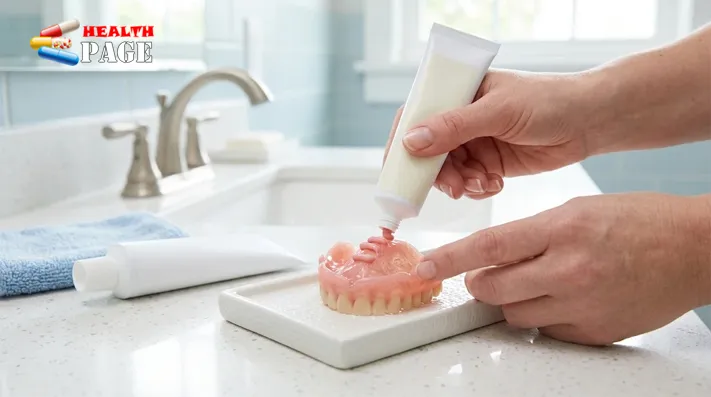
Cream is one of the most familiar forms of denture adhesive. It is applied in small amounts to specific areas of the denture before insertion.
Once exposed to moisture, the cream helps create a more secure connection between the denture and the supporting tissues.
Potential advantages include:
- Easy application.
- Additional stability during eating and speaking.
- Reduced food particles entering beneath the denture.
- Availability in different formulations and flavours.
The amount needed depends on the product and denture design. Applying more cream does not necessarily provide better retention. Excess adhesive may squeeze out around the edges and enter the mouth.
2. Denture Adhesive Powder
Powder adhesives are sprinkled over the appropriate surface of a clean denture. They interact with moisture to form an adhesive layer.
Some people prefer powders because they do not have the thicker consistency of creams.
Potential advantages include:
- A relatively thin adhesive layer.
- Convenient application for people who prefer powders.
- Less cream-like residue.
However, even coverage can require some practice. Follow the manufacturer’s instructions regarding the amount and whether the denture should be dry or slightly moist.
3. Adhesive Strips and Wafers
Strips and wafers are pre-formed adhesive materials designed to fit particular areas of a denture.
They offer a convenient alternative for people who find squeezing and measuring cream difficult.
Their advantages may include:
- Pre-measured portions.
- Less mess during application.
- Convenient handling.
- Consistent placement when correctly fitted.
However, not every strip or wafer is suitable for every denture. Check the packaging and ask your dentist if you are unsure.
| Adhesive type | Application | Main consideration |
|---|---|---|
| Cream | Applied in small amounts | Easy to adjust the quantity |
| Powder | Sprinkled over the denture surface | Requires even distribution |
| Strips or wafers | Positioned inside the denture | Must match the denture design |
What Is the Best Denture Adhesive?
There is no single product that works best for everyone. The best denture adhesive depends on the denture’s design, how well it fits, personal preferences and sensitivity to particular ingredients.
A product that works comfortably for someone wearing a complete upper denture may not be suitable for another person with a partial lower denture.
Before choosing a product, consider the following factors.
Denture type and compatibility
Check whether the adhesive is intended for complete or partial dentures. Some formulations have specific instructions or limitations.
Ease of application
People with limited hand strength or difficulty handling small objects may find pre-formed strips or wafers easier to manage than cream.
Ingredients and sensitivities
Read the ingredient list carefully, especially if you have experienced irritation or an allergic reaction to dental products.
Zinc content
Some formulations contain zinc, while others are zinc-free. If you use an adhesive regularly, a zinc-free denture adhesive may be a reasonable option to discuss with your dentist.
Ease of removal
An adhesive should be removable through the recommended cleaning process. Persistent residue can make daily denture hygiene more difficult.
Product evidence and instructions
Choose products from reputable manufacturers with clear instructions. Where available, independent evidence of safety and effectiveness can also help inform your decision.
The American Dental Association’s guidance on denture care and maintenance explains how adhesive products should be used and discusses the evidence required for products seeking its Seal of Acceptance.
The phrase secure denture adhesive is often used in product descriptions, but stronger marketing language does not necessarily mean better clinical performance.
How to Use Denture Adhesive Correctly
Correct application helps improve retention while reducing unnecessary exposure to adhesive ingredients.
The following steps provide general guidance, although individual products may have different instructions.
- Clean the denture: Remove food particles and old adhesive residue. A clean surface helps prepare the denture for application.
- Check the surface: Some creams require a dry denture, while others are designed for slightly moist surfaces. Follow the packaging.
- Apply a small amount: Place small dots or short strips in the recommended areas. Keep the adhesive away from the denture edges.
- Insert the denture: Position it carefully and press it into place according to the manufacturer’s instructions.
- Check for excess: If cream squeezes out around the edges, you may have applied too much. Remove the excess rather than swallowing it.
- Follow the recommended waiting period: Some products specify how long to wait before eating or drinking.
- Remove the denture daily: Take it out and remove adhesive residue thoroughly before cleaning it.
The Oral Health Foundation’s updated October 2026 guidance emphasises using a small amount, removing adhesive daily and seeking professional advice if the denture’s fit changes.
Avoid increasing the quantity simply because the denture has started moving more frequently.
How to Keep Dentures in Place
People often search for ways to keep dentures stable without relying excessively on adhesive. In many cases, the answer begins with proper fitting and regular maintenance.
Consider these practical measures:
- Maintain a proper fit: Have your dentist assess dentures that move, lift or cause discomfort.
- Clean dentures daily: Food debris and old adhesive residue can interfere with comfort and hygiene.
- Attend regular dental appointments: Changes in the mouth may affect denture stability even when the dentures themselves appear unchanged.
- Follow correct insertion techniques: Position the denture carefully rather than forcing it into place.
- Address dry mouth: Reduced saliva can affect oral comfort and denture retention. If dryness persists, discuss possible causes and treatment with a healthcare professional.
- Avoid excessive adhesive: More product is not a substitute for a well-fitting denture.
Persistent oral dryness deserves attention in its own right. HealthPage’s guide to dry mouth causes and treatment options explains why reduced saliva can affect oral comfort.
Loose Dentures: Causes and Solutions
IMAGE PLACEMENT – After this section’s introduction
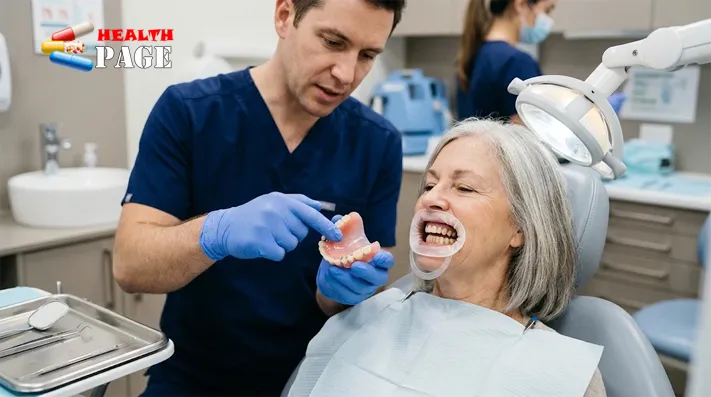
Loose dentures can make everyday activities frustrating. They may shift while speaking, move during meals or create sore areas where the denture rubs against the gums.
Several factors can contribute to these problems.
Changes in the jawbone
After natural teeth are lost, the jawbone gradually changes shape. This process is called residual ridge resorption. As the supporting bone shrinks, the denture may no longer fit as closely as it once did.
Changes in gum tissues
The gums and other supporting tissues can change over time. These changes may create gaps between the denture and the underlying tissues.
Poorly fitted or worn dentures
Dentures that were not properly fitted, or have become worn or damaged, may lose stability. Cracks, changes in shape and worn components can also affect comfort.
Dry mouth
Saliva helps maintain moisture and contributes to the natural retention of dentures. Reduced saliva production may make wearing dentures less comfortable.
What can a dentist do about loose dentures?
Treatment depends on the cause and the condition of the existing denture.
A dentist may recommend:
- Denture adjustment: Modifying specific areas to improve comfort and fit.
- Denture relining: Adding or replacing material on the fitting surface to improve contact with the gums.
- Denture rebasing: Replacing the denture base while retaining suitable existing teeth, when appropriate.
- Denture replacement: Making a new denture if the existing one is significantly worn, damaged or unsuitable.
Adhesive may provide temporary additional retention, but repeated dependence on it can indicate that the denture needs professional assessment.
Denture Adhesive Safety and Possible Side Effects
Adhesives are useful for some denture wearers, but incorrect or excessive use can create problems.
Zinc in denture adhesives
Some adhesives contain zinc, a mineral that the body needs in small amounts. However, excessive zinc exposure over an extended period can cause health problems.
The FDA has warned that overuse of zinc-containing denture adhesives may contribute to excessive zinc levels in the body, potentially causing neurological damage.
Possible warning symptoms include:
- Numbness in the hands or feet.
- Tingling sensations in the extremities.
- Other unusual neurological symptoms.
People who develop these symptoms should stop using the suspected adhesive and seek medical advice.
The risk is particularly relevant to people who use excessive quantities over long periods, especially when their dentures fit poorly.
Zinc-free alternatives are available. However, choosing a zinc-free product does not remove the need to follow application and cleaning instructions.
For further information, consult the FDA’s official denture adhesive safety guidance.
Other possible problems
Depending on the formulation and individual sensitivity, users may experience:
- Local irritation or discomfort.
- Allergic reactions to particular ingredients.
- Unpleasant taste.
- Excessive adhesive accumulation.
- Difficulty removing residue.
If irritation develops repeatedly, stop using the suspected product and ask a dentist about suitable alternatives.
Common Denture Adhesive Mistakes to Avoid
Some everyday mistakes can reduce the usefulness of adhesives or create avoidable oral health problems.
- Applying more adhesive than the manufacturer recommends.
- Using adhesive on an unclean denture.
- Ignoring instructions about dry or moist application.
- Using a product unsuitable for the denture type.
- Failing to remove adhesive residue daily.
- Continuing to use dentures that cause persistent sores.
- Increasing adhesive use instead of seeking help for poor fit.
- Attempting to repair broken dentures with household glue or superglue.
Never use household adhesives to repair dentures. They are not designed for oral use and may expose the mouth to unsuitable chemicals.
When Should You See a Dentist?
Occasional denture movement may need an adjustment, but persistent problems should not be ignored.
Arrange a dental appointment if you experience:
- Dentures that repeatedly slip or fall out.
- Pain or discomfort while eating.
- Mouth sores, bleeding or persistent gum irritation.
- Difficulty speaking because the denture moves.
- Increasing dependence on adhesive.
- Cracked, broken or visibly damaged dentures.
- Changes in the shape of your gums or jaw.
A dentist can examine the denture and supporting tissues to determine whether adjustment, relining or replacement is appropriate.
Persistent swelling, fever, pus or signs of infection also require prompt professional assessment. Severe swelling that affects breathing or swallowing requires emergency medical attention.
Frequently Asked Questions
1. Is denture adhesive cream safe for everyday use?
Many products are designed for regular use when applied according to their instructions. However, excessive application should be avoided. Remove adhesive residue daily and arrange dental reviews if you increasingly depend on it.
2. What is the best denture adhesive for loose dentures?
The right product depends on the denture type, its fit and individual needs. Adhesive may provide temporary support, but dentures that repeatedly slip should be examined by a dentist rather than managed with progressively larger amounts.
3. How long does denture adhesive last?
Holding time varies according to the formulation, denture fit, saliva production, eating habits and individual circumstances. Follow the product instructions rather than assuming every adhesive provides the same duration of retention.
4. Is zinc-free denture adhesive better?
Zinc-free products are a reasonable option for people concerned about excessive zinc exposure. However, all adhesives should be used according to their instructions, and poor-fitting dentures still need professional attention.
5. Can I sleep with dentures and adhesive in my mouth?
Most denture wearers should remove their dentures before sleeping unless their dentist advises otherwise. Overnight removal allows the supporting tissues to rest and makes daily cleaning easier.
6. Can denture adhesive cause gum irritation?
Yes. Irritation may result from sensitivity to an ingredient, excessive adhesive, or dentures that rub against the gums. Persistent soreness should be assessed by a dentist rather than managed by adding more adhesive.
Conclusion
Denture adhesives can make removable dentures feel more stable and comfortable, particularly when additional retention is needed. Creams, powders and adhesive strips offer different application methods, but the most suitable option depends on denture design, individual needs and product instructions.
Use only the recommended amount, remove residue daily and pay attention to changes in comfort or fit. If dentures repeatedly move, cause sores or require increasing amounts of adhesive, arrange a dental examination.
The most reliable way to maintain comfortable dentures is to combine appropriate adhesive use with good daily hygiene and regular professional care. A properly fitted denture should remain the priority, rather than relying on stronger or larger amounts of adhesive.
References
- US Food and Drug Administration (FDA): Denture Adhesives – Safety and Usage Guidance
- American Dental Association (ADA): Denture Care and Maintenance
- Oral Health Foundation: Denture Adhesives Guidelines – Updated October 2026

Dr. Suleman Khan is a registered Dental Surgeon dedicated to modern preventative oral health, maxillofacial insights, and advanced clinical treatment approaches. Based at the prestigious
Government Dental College and Hospital in Ahmedabad and registered under the Dental Council of India, he brings extensive hands-on experience in public health dentistry and preventative medicine.
As a core specialist panelist on the HealthPage Medical Review Board,
Dr. Khan provides expert clinical oversight, rigorous fact-checking, and medical verification for our oral health and dental surgery articles. He focuses on simplifying dense orthodontic and hygienic concepts into accessible, safe, and actionable guidance that reflects current healthcare standards.
✉ Professional Inquiries:
[email protected]
