

Why Is My Vagina Itchy Inside? 7 Possible Causes and When to Seek Help
This article, “Why Is My Vagina Itchy Inside? 7 Possible Causes and When to Seek Help,” is authored by Dr. Wang Zhixin (Gynecology) and is intended solely for general informational and educational purposes.
It does not constitute professional medical advice, diagnosis, or treatment. Always seek the advice of a qualified healthcare provider with any questions you may have regarding a medical condition or symptoms. Never disregard professional medical advice or delay seeking it because of something you have read in this article.
Few symptoms are as hard to ignore, or as awkward to talk about, as an itch you cannot reach. If you have ever typed “why is my vagina itchy inside” into a search bar, the short answer is that the causes range from yeast infections and shifts in vaginal bacteria to irritation from everyday products and changes in hormone levels. Most of these are common and treatable, but they do not all respond to the same remedy, which is why guessing can make things worse.
The Centers for Disease Control and Prevention (CDC) notes that most women will have a vaginal infection at some point in their lives, usually showing up as discharge, itching, burning or odour. Infection is only part of the picture, though. This guide explains the seven most likely explanations, why itching sometimes appears with no discharge at all, how doctors work out the cause, what you can safely do at home, and when it is time to book an appointment.
What Does It Mean When Your Vagina Itches Inside?
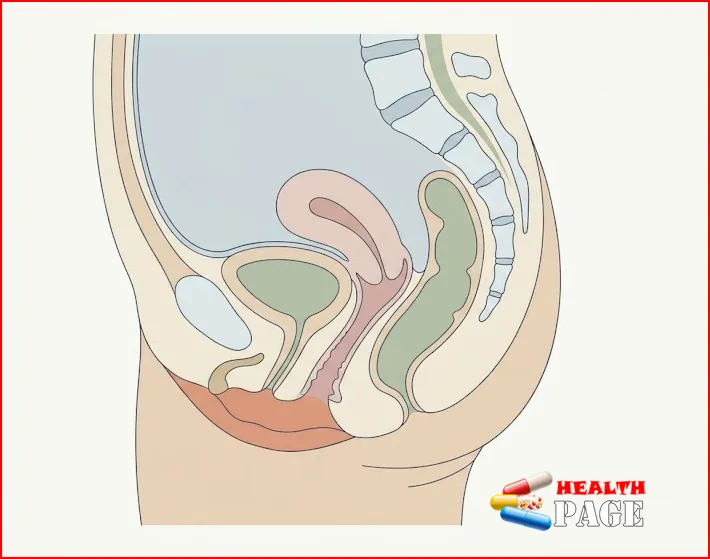
Itching is a symptom, not a diagnosis. Before looking at causes, it helps to know which part of the body is actually involved, because the words are often used interchangeably even though they describe different areas.
- Vaginal itching is irritation inside the vaginal canal.
- Vulvar itching affects the external genital area: the labia, the skin around the vaginal opening and the clitoral area.
- Vulvovaginal itching involves both.
The distinction matters more than most people expect. Someone can have intense itching around the vaginal opening without any vaginal infection, because the problem lies in the skin rather than the vagina. Many people describe the sensation as “inside” when it is really coming from the delicate skin just at the entrance, and it can be genuinely difficult to tell the two apart without an examination. Knowing which area bothers you most, and writing down what else you notice, will make any conversation with a doctor or pharmacist far more productive.
7 Possible Causes of Vaginal Itching
The causes of vaginal itching fall broadly into infections, irritation or allergy, skin conditions and hormonal change. The seven below are the ones doctors see most often.
1. Vaginal Yeast Infection
A yeast infection, often called thrush, is caused by an overgrowth of a fungus, most commonly Candida albicans. Small amounts of Candida live in many healthy vaginas without causing trouble; symptoms appear when the balance tips. The CDC estimates that about 75% of women will have at least one episode in their lifetime.
Typical vaginal yeast infection symptoms include:
- Itching and irritation around the vulva and vagina
- A thick, white discharge, often compared to cottage cheese, that usually does not smell
- Redness, swelling or soreness
- Burning when urine touches irritated skin
- Discomfort during sex
Not everyone has every symptom, and some people have mostly itching with very little discharge. The NHS stresses that thrush is not classed as a sexually transmitted infection and that a first episode of symptoms is worth discussing with a GP, since itching alone cannot confirm thrush and other conditions can look the same. One practical detail: antifungal creams can damage condoms and diaphragms, so contraception may be less reliable during treatment.
2. Bacterial Vaginosis
Bacterial vaginosis (BV) happens when the normal community of vaginal bacteria changes, with protective lactobacilli declining and other bacteria multiplying. It is the other major cause of abnormal vaginal symptoms alongside thrush.
The hallmark is a thin, greyish-white discharge with a noticeable fishy smell, particularly after sex. Irritation can occur, but itching is not the most characteristic feature, and some people have no symptoms at all. It is worth knowing that BV is not simply a sign of poor hygiene. Over-washing and douching are in fact associated with a higher risk of BV, because they disturb the very bacteria that keep the vagina in balance.
3. Sexually Transmitted Infections
Some sexually transmitted infections (STIs) can cause genital itching or irritation. Trichomoniasis, caused by a parasite, may produce a yellow-green, frothy or smelly discharge along with itching and soreness. Genital herpes can start with tingling, itching or tenderness before sores or blisters appear. Chlamydia and gonorrhoea more often cause unusual discharge, pain when passing urine or no symptoms at all, so itching is a less typical sign, though irritation can occur.
Because many STIs are silent, a lack of symptoms does not rule them out. If there has been a new partner, a partner with symptoms or a condom failure, testing at a sexual health clinic is sensible even if the itch seems minor. Condoms lower the risk, and a dental dam used during oral sex provides a barrier for that kind of contact too.
4. Irritation From Soaps and Hygiene Products
This is one of the most overlooked causes, and it is often the easiest to fix. The vagina cleans itself, and the vulva needs only gentle care, yet many products marketed as “freshening” do the opposite.
Common culprits include:
- Scented soaps and shower gels
- Intimate washes, deodorants and sprays
- Perfumed pads and panty liners
- Fragranced laundry detergent and fabric softener
- Douching
Irritation can build up slowly, so the product you have used for years is not automatically innocent, particularly if your skin has become more sensitive. Hair removal can contribute too: shaving leaves tiny nicks and regrowth that itch, and depilatory cream on genital skin can cause chemical burns or contact reactions if it is used incorrectly. Switching to plain lukewarm water for the external area, and dropping the scented products one at a time, is a reasonable first experiment.
5. Contact Dermatitis and Other Vulvar Skin Conditions
The skin of the vulva can develop the same conditions as skin elsewhere, and these are frequently behind itching that infection tests never explain. Contact dermatitis is an inflammatory reaction to an irritant or allergen, such as latex, lubricants or the products above. Eczema and psoriasis can affect the genital area, and the differences between them are explained in this guide to eczema and psoriasis.
Less familiar conditions include lichen sclerosus (thin, white, fragile skin that itches intensely), lichen planus and lichen simplex chronicus, in which repeated scratching thickens the skin and creates an itch-scratch cycle. These can cause persistent external itching, soreness, burning, dryness or visible skin changes. They need a proper diagnosis, and sometimes a small skin sample (biopsy), because treatment differs completely from thrush treatment.
6. Hormonal Changes and Vaginal Dryness
Oestrogen keeps vaginal tissue thick, elastic and moist. When levels fall, the lining becomes thinner and drier and is more easily irritated. This is typical in perimenopause and menopause but can also happen while breastfeeding or with some hormonal treatments and contraceptive changes.
Symptoms include itching, burning, a feeling of tightness and pain during intercourse. If this sounds familiar, our guide to vaginal dryness covers the causes and the treatments that tend to help. Thinner tissue also makes you more sensitive to soaps and products that you once tolerated well.
7. Moisture, Friction and Local Irritation
Tight, non-breathable clothing, lingering in sweaty gym kit or a wet swimsuit, and friction from cycling or long periods of sitting can all aggravate the sensitive skin of the vulva. To be accurate, these are not proven direct causes of vaginal infection. They create warm, damp, rubbed conditions that irritate external skin and can make an existing problem, such as thrush, feel worse.
Irritating pads, or pads left unchanged for hours, play a similar role. Changing out of damp clothing promptly and choosing breathable fabrics costs nothing and rarely hurts.
Why Is My Vagina Itchy but I Have No Discharge?
Many people are surprised when itching inside the vagina with no discharge turns out to have a real cause, because we tend to associate vaginal problems with unusual fluid. In reality, several of the most common explanations produce little or no change in discharge:
- Skin and irritant problems. Contact dermatitis, eczema and lichen sclerosus affect the skin, not the vaginal secretions.
- Hormonal dryness. Low oestrogen causes itching and burning with less moisture, not more.
- Mild or early infection. Thrush, in particular, can present as itching and redness with only a little discharge.
Testing adds another layer. A routine clinic test looks at a sample of vaginal fluid, so it may miss a problem on the vulva. It can also miss an infection: according to the CDC’s guidance on vulvovaginal itching, burning and discharge, microscopy picks up only around half of trichomonas and yeast infections compared with more sensitive tests such as molecular testing or culture. A “normal” result therefore does not close the case, particularly if the itch continues. A doctor may then examine the vulval skin, review your products, take further swabs or, occasionally, recommend a biopsy.
If the itch comes without any odour either, that tends to point away from BV and trichomoniasis and toward skin irritation, thrush or hormonal change, though it cannot confirm any of them.
Can Vaginal Itching Occur Without an Infection?
Yes, and this is among the most important points in the whole subject. When doctors find signs of inflammation but no vaginal pathogens on testing, the CDC’s guidelines advise considering mechanical, chemical, allergic and other non-infectious causes. For someone who has had several negative swabs, that can be a relief, because it redirects the search toward the skin, hormones and products rather than another round of antifungals or antibiotics.
Non-infectious itching is also where self-treatment most often goes wrong. Using a thrush cream for what is actually dermatitis, for example, can add yet another irritant. If itching persists after one sensible treatment attempt, stop and get it assessed instead of escalating.
Other Symptoms That May Accompany Vaginal Itching
Vaginal itching and burning together, or with other changes, can offer useful clues. Treat the table below as a prompt for the conversation with a clinician, not a diagnostic checklist, since several conditions overlap.
| Additional symptom | Possible explanation |
|---|---|
| Thick white discharge | Yeast infection |
| Thin grey discharge with a fishy smell | Bacterial vaginosis |
| Yellow or green discharge | Trichomoniasis or another infection |
| Dryness and painful sex | Hormonal change |
| External redness and swelling | Irritation or inflammation |
| Blisters or sores | Genital herpes or another condition |
| Burning when passing urine | Irritation, urinary tract infection or genital infection |
| Itching that is mainly external and lasts | Skin condition or chronic irritation |
If you also notice itching around your period, it may relate to pads, to normal hormonal shifts that alter vaginal conditions or to a thrush flare-up. Switching to unscented, breathable products and changing them regularly is a low-risk step.
How Is the Cause of Vaginal Itching Diagnosed?
The CDC points out that symptoms alone are not enough for accurate diagnosis and that medical history by itself can lead to inappropriate treatment. A clinician will usually ask about timing, discharge, products, sexual health, medicines you have used and any skin problems elsewhere. They may then look at the vulva and vagina, check the vaginal pH, examine a sample under the microscope and send swabs for culture or molecular testing.
A few practical tips help the appointment go well. Avoid douching or putting creams in beforehand if you can, as this can wash away the evidence. Bring the names of any products you have used. Mention diabetes, medicines such as steroids or antibiotics, and any previous diagnoses. For persistent symptoms with no clear cause, the CDC advises considering referral to a specialist, for example a gynaecologist or a dermatologist with a vulval clinic.
How to Relieve and Prevent Vaginal Itching
While you are waiting for an appointment, or once the cause has been treated, gentle habits protect the area. These measures are for relief and prevention. They are not a substitute for finding the cause.
- Wash the external vulva with lukewarm water, and use only a mild, fragrance-free cleanser if you wish to use anything.
- Never douche, and avoid scented washes, sprays and wipes.
- Wear breathable underwear, ideally cotton, and avoid very tight clothing.
- Change out of wet swimwear or sweaty clothes promptly.
- Change pads regularly during your period.
- Try not to scratch, as this damages skin and keeps the itch going.
- Stop any product that seems to set off symptoms.
- Pat the area dry rather than rubbing.
There are quite a few popular suggestions you can safely skip: adding salt to wash water, using potassium permanganate, or cutting out particular foods have no established benefit for itching. Probiotics are widely marketed, but the CDC states that no substantial evidence supports using them to treat vulvovaginal candidiasis, so they should not replace proper treatment.
How Is Vaginal Itching Treated?
Treatment depends entirely on the cause, which is why identifying it matters. Specific medicines and doses are for a pharmacist or doctor to decide, and the general approach looks like this:
| Cause | General approach |
|---|---|
| Yeast infection | Antifungal treatment, as a cream, pessary or tablet |
| Bacterial vaginosis | Prescribed antibiotics |
| Trichomoniasis | Oral antiparasitic medication, with partner treatment |
| Contact dermatitis | Avoiding the trigger, plus clinician-directed skin treatment |
| Eczema and other skin disorders | Condition-specific treatment |
| Hormonal dryness | Moisturisers or hormonal treatment where suitable |
Two cautions apply. First, antibiotics will not treat a yeast infection, and thrush medicine will not treat BV, so treating blind can delay the right answer. Second, repeated thrush needs assessment rather than endless repeat courses. The NHS advises not using antifungal medicine more than twice in six months without speaking to a pharmacist or doctor. Recurrent episodes sometimes call for culture to identify the yeast species, and a blood glucose check may be appropriate when infections keep returning, since the CDC lists diabetes among the factors linked to more complicated yeast infections.
When Should You See a Doctor?
See a GP, sexual health clinic or other clinician if:
- This is the first time you have had vaginal itching
- The itch is severe or disturbs your sleep
- Symptoms last more than a few days or keep coming back
- You have unusual discharge or a strong smell
- There are sores, blisters, swelling or cracked skin
- Symptoms began after sex with a new partner
- You are pregnant, or you have diabetes or a weakened immune system
Seek prompt care for pelvic pain, fever, or feeling generally unwell alongside the itching, as these can point to an infection that has spread beyond the vagina.
Frequently Asked Questions
Can a yeast infection cause itching without discharge?
Yes. Itching and redness can be the main features, and the discharge may be minimal or absent. Because that picture overlaps with dermatitis and hormonal dryness, a first episode is worth having confirmed.
Why does my vagina itch more at night?
Many people notice itching more at night. A likely explanation is that there are fewer distractions and the skin is warmer under bedding, but research specific to vulvar itching is limited. Whatever the reason, persistent night-time itching that disturbs sleep is a good reason to be examined, because it can point to a treatable skin condition.
Can stress cause vaginal itching?
Stress does not directly cause a vaginal infection. It may make you more aware of an existing itch, disturb sleep and encourage scratching, and it can aggravate some skin conditions. If itching is ongoing, look for a physical cause rather than assuming stress is the whole story.
Is it safe to use an over-the-counter thrush treatment if I am not sure what I have?
It is better to check first. The CDC notes that even women who have been diagnosed with yeast infection before are not necessarily better at identifying it themselves, and that unnecessary self-treatment can delay the diagnosis of other conditions. If symptoms continue after an over-the-counter treatment for vulvovaginal candidiasis, or return soon afterwards, get tested.
Is it normal for itching to flare around my period?
It is common. Pads and tampons can irritate, hormonal changes alter the vaginal environment, and thrush sometimes flares around this time. Unscented, breathable products and prompt changes help, but recurring monthly itching deserves assessment.
Conclusion
So, why is my vagina itchy inside? The honest answer is that it depends, and the cause is often not an infection at all. Yeast infections and bacterial vaginosis are the best-known explanations, but irritant products, skin conditions, hormonal changes and simple friction are just as capable of producing the same itch, sometimes with no discharge whatsoever. The most useful next steps are to simplify your routine, stop scented products, resist the urge to self-treat repeatedly and see a clinician if the itch is new, severe or persistent. Getting the diagnosis right is usually what finally makes the itching stop.
References
- NHS. Thrush in men and women.
- Centers for Disease Control and Prevention. Diseases Characterized by Vulvovaginal Itching, Burning, Irritation, Odor or Discharge, Sexually Transmitted Infections Treatment Guidelines, 2021.
- Centers for Disease Control and Prevention. Vulvovaginal Candidiasis (VVC), Sexually Transmitted Infections Treatment Guidelines, 2021.

Dr. Wang Zhixin is a distinguished Chief Physician specializing in comprehensive gynecology, perinatology, and maternal healthcare systems. She serves at the acclaimed
Shenzhen Maternity and Child Healthcare Hospital, a premier Grade-III Class-A medical center associated with Southern Medical University. With decades of clinical leadership, Dr. Wang is widely recognized for her contributions to reproductive wellness, prenatal diagnostic precision, and advanced clinical research safeguarding maternal-fetal medical outcomes.
As a core specialist panelist on the HealthPage Medical Review Board,
Dr. Wang leverages her senior clinical oversight to meticulously fact-check, audit, and medically verify our reproductive medicine and maternal wellness guides. Her analytical reviews ensure that intricate obstetric protocols and feminine wellness data are rendered into safe, authoritative, and completely evidence-based reference resources for global audiences.
✉ Professional Inquiries:
[email protected]