
Uterine Fibroids Surgery: Types, Options, Recovery, and Risks
This article has been written by Dr. Wang Zhixin (Gynecology), specializing in advanced gynecological surgery, minimally invasive uterine treatments, fibroid management, and clinical patient care education.
Medical Disclaimer: The information provided regarding uterine fibroid surgeries, surgical types (such as myomectomy and hysterectomy), recovery timelines, and potential procedural risks is for educational and informational purposes only. Gynecological conditions and surgical suitability vary greatly depending on individual patient anatomy, health history, and symptom severity. Always consult a licensed OB-GYN, gynecological surgeon, or qualified healthcare professional for personalized medical diagnoses, treatment planning, and surgical guidance.
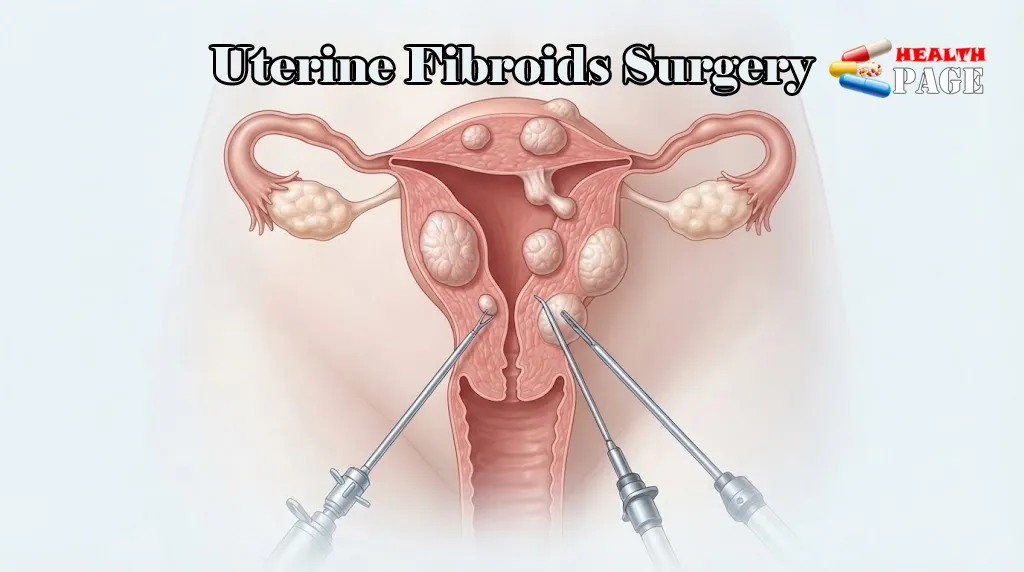
Uterine fibroids surgery includes several procedures used to remove, shrink, or treat fibroids when they cause troublesome symptoms or affect daily life. The right approach is not the same for everyone. Fibroid size, number, location, symptoms, overall health, and plans for future pregnancy can all influence the treatment decision.
Fibroids, also called leiomyomas or myomas, are usually noncancerous growths that develop in or around the uterus. Some people never need treatment, while others experience heavy menstrual bleeding, pelvic pressure, pain, frequent urination, constipation, or fertility concerns. Treatment can range from monitoring and medication to minimally invasive procedures and surgery.
What Is Uterine Fibroids Surgery?
The phrase uterine fibroids surgery covers several different procedures, and they do not all work in the same way.
Some operations physically remove fibroids while leaving the uterus intact. This is known as a myomectomy. Other procedures reduce blood flow to fibroids or destroy fibroid tissue with heat or focused ultrasound. A hysterectomy, in contrast, removes the uterus itself and therefore provides a permanent treatment for uterine fibroids.
Whether surgery is appropriate depends largely on how much the fibroids are affecting the person rather than simply whether fibroids are present.
Common symptoms that may lead to treatment include:
- Heavy or prolonged menstrual bleeding
- Iron-deficiency anemia caused by blood loss
- Pelvic pressure, fullness, or pain
- Frequent urination caused by pressure on the bladder
- Constipation or bowel pressure
- Pain during sex
- Fertility problems in some circumstances
- Symptoms that remain troublesome despite medication
Not everyone with fibroids needs an operation. People with mild or no symptoms may be monitored, while others may need medication or a procedure.
When Is Fibroid Removal Surgery Considered?
Fibroid removal surgery may be discussed when symptoms are significant, persistent, or difficult to control with other treatments.
The location of the fibroid matters. Submucosal fibroids grow beneath the uterine lining and may project into the uterine cavity. For appropriately selected patients, these can sometimes be removed through hysteroscopic surgery without an abdominal incision. NICE specifically recommends considering hysteroscopic removal for submucosal fibroids.
For someone experiencing painful or unusually heavy periods, it is also important to establish whether fibroids are actually responsible. Other gynecological conditions can produce similar symptoms, so treatment should follow an appropriate evaluation rather than the symptom alone.
For example, severe menstrual pain can have several causes, and an existing discussion of menstrual cramps and their possible causes may help readers understand why a proper diagnosis matters.
Main Uterine Fibroid Surgery Options
The major uterus-directed procedures include myomectomy, hysterectomy, uterine fibroid embolization, radiofrequency ablation, and MRI-guided focused ultrasound. The first two are surgeries in the conventional sense; the others are minimally invasive or noninvasive procedures.
Myomectomy
A myomectomy removes fibroids while leaving the uterus in place. It is particularly relevant for people who want to preserve the uterus and potentially retain the ability to become pregnant. However, preserving the uterus does not guarantee future fertility.
There are several forms of myomectomy.
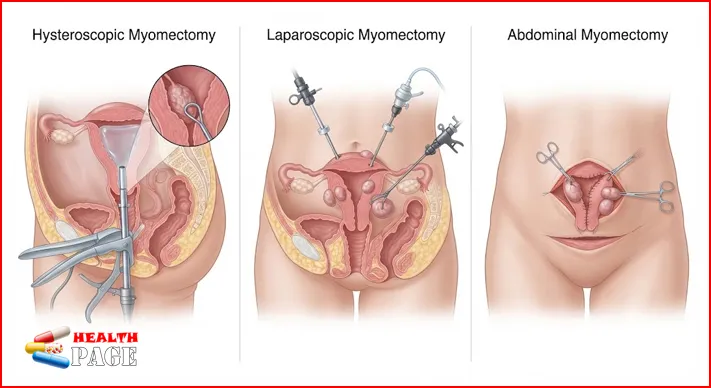
Hysteroscopic Myomectomy
A hysteroscopic myomectomy is performed through the vagina and cervix. The surgeon uses a hysteroscope to see inside the uterus and remove suitable fibroids projecting into the uterine cavity.
Because there is no abdominal incision, recovery is generally shorter than with open abdominal surgery. It is mainly useful for appropriately located submucosal fibroids rather than fibroids deep in the uterine wall.
Laparoscopic or Robotic Myomectomy
A laparoscopic myomectomy uses small abdominal incisions for a camera and surgical instruments. A robotic system may also be used to control specialized instruments.
For selected patients, minimally invasive surgery can mean smaller incisions and a quicker recovery than open surgery. However, it is not suitable for every combination of fibroid size, number, and location.
Abdominal Myomectomy
An abdominal myomectomy uses a larger abdominal incision. It may be appropriate when fibroids are particularly large, numerous, or located in ways that make minimally invasive removal difficult.
Because the incision is larger, recovery is generally longer than after minimally invasive approaches. The operation can also produce scar tissue, which may be relevant when discussing future fertility.
Myomectomy vs Hysterectomy for Fibroids
The difference between these two procedures is fundamental.
| Feature | Myomectomy | Hysterectomy |
|---|---|---|
| What is removed? | Fibroids | Uterus |
| Uterus preserved? | Yes | No |
| Future pregnancy possible? | Potentially, depending on individual circumstances | No |
| Can new uterine fibroids develop later? | Yes | No |
| Main purpose | Remove fibroids while preserving the uterus | Definitively treat fibroids by removing the uterus |
| Possible approaches | Hysteroscopic, laparoscopic, robotic, abdominal | Vaginal, laparoscopic, robotic, abdominal |
A myomectomy preserves the uterus, while a hysterectomy removes it. That means hysterectomy eliminates the possibility of carrying a future pregnancy, whereas myomectomy can preserve that possibility.
Hysterectomy does not automatically mean that the ovaries are removed. Ovarian preservation depends on the individual surgical plan and clinical circumstances. Mayo Clinic notes that many people having hysterectomy for fibroids may be able to keep their ovaries.
Hysterectomy for Fibroids
A hysterectomy removes the uterus and is the only established permanent treatment for uterine fibroids because there is no uterus remaining in which uterine fibroids can develop.
Depending on the patient’s anatomy and medical history, hysterectomy may be performed through:
- The abdomen
- The vagina
- Laparoscopic surgery
- Robotic-assisted surgery
The approach can affect recovery and is influenced by uterine size, fibroid location, previous surgery, and other clinical factors.
Hysterectomy is therefore a major decision, particularly for someone who wants a future pregnancy. It should be discussed alongside uterus-preserving alternatives when appropriate.
Uterine Fibroid Embolization
Uterine fibroid embolization, also called uterine artery embolization (UAE), is a minimally invasive procedure that reduces blood flow to fibroids.
An interventional radiologist guides a small catheter into an artery and releases tiny particles into blood vessels supplying the fibroids. The reduced blood supply causes the fibroids to shrink over time and can improve symptoms.
UFE does not require a large abdominal incision and generally has a shorter recovery than major open surgery. However, fertility is an important consideration. Johns Hopkins notes that UFE is not intended for people specifically seeking future fertility, so pregnancy plans should be discussed before treatment.
Radiofrequency Ablation
Radiofrequency ablation uses heat to destroy fibroid tissue. It can be performed through different approaches, including laparoscopic and transcervical techniques.
The treated fibroid gradually shrinks, rather than being surgically cut out. Mayo Clinic describes radiofrequency ablation as a less invasive treatment option for appropriately selected patients.
Because reproductive evidence differs among procedures and individual circumstances, someone considering pregnancy should discuss the available evidence and alternatives with a gynecologist or fertility specialist.
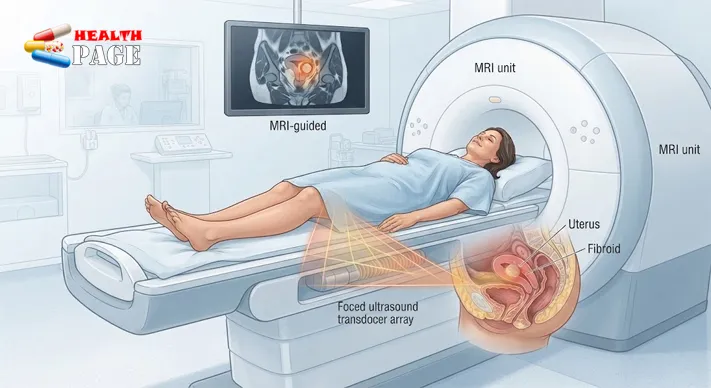
MRI-Guided Focused Ultrasound
MRI-guided focused ultrasound is a noninvasive treatment that uses MRI to locate fibroids and focused ultrasound energy to heat and destroy targeted tissue.
There is no abdominal incision. Mayo Clinic describes it as a newer technology for which long-term safety and effectiveness continue to be studied. It may not be suitable for every fibroid location or patient.
Uterine Fibroids Treatment Options Beyond Surgery
Surgery is only one part of the treatment picture.
Depending on symptoms and fibroid characteristics, options may include:
- Watchful waiting when symptoms are absent or mild
- Medicines to control heavy bleeding or pain
- Hormonal treatments in appropriate patients
- Uterine artery embolization
- Radiofrequency ablation
- Focused ultrasound
- Myomectomy
- Hysterectomy
NICE recommends considering factors such as fibroid size, location, number, and symptom severity when discussing treatment for fibroids, particularly those measuring 3 cm or more. Ultrasound is recommended before uterine artery embolization or myomectomy, with MRI considered when more information about fibroid position, size, number, or vascularity is needed.
Medication can help manage symptoms but generally does not permanently remove fibroids.
How Doctors Choose the Right Procedure
There is no single procedure that fits every fibroid pattern.
Doctors may consider:
Fibroid location: Intramural fibroids develop within the muscular uterine wall, submucosal fibroids are associated with the uterine cavity, and subserosal fibroids project toward the outside of the uterus.
Number and size: One accessible fibroid may be approached differently from numerous large fibroids.
Symptoms: Heavy bleeding, anemia, pain, pressure, urinary symptoms, and bowel symptoms can all influence treatment decisions.
Pregnancy plans: Someone who wants to preserve the possibility of carrying a pregnancy generally needs a different discussion from someone who has completed childbearing.
Overall health and previous surgery: Previous abdominal operations, medical conditions, anesthesia considerations, and other factors can affect which procedure is safest and technically appropriate.
The decision is therefore more complicated than simply asking, “How big is the fibroid?”
What Happens Before Fibroid Surgery?
Before treatment, the healthcare team may use a combination of medical history, pelvic examination, ultrasound, blood testing, and sometimes MRI or hysteroscopy.
NICE recommends ultrasound assessment before uterine artery embolization or myomectomy, with MRI considered when additional information is required.
A preoperative discussion may also cover:
- Whether pregnancy is desired in the future
- Current medicines and supplements
- Previous operations
- Anemia or heavy blood loss
- Bleeding risks
- The expected surgical approach
- Possible complications
- Whether the uterus will be preserved
- Whether the ovaries are expected to be preserved
- Recovery and follow-up
If heavy menstrual bleeding is part of the problem, readers may also find this explanation of watery or unusual period bleeding and possible causes useful when discussing symptoms with a clinician.
Uterine Fibroids Surgery Recovery
Fibroid surgery recovery varies substantially according to the procedure.
A hysteroscopic procedure usually has a different recovery pattern from abdominal myomectomy because there is no abdominal incision. Laparoscopic and robotic procedures generally involve smaller incisions and can allow a faster return to normal activities than open abdominal surgery when they are appropriate for the patient.
After surgery, follow the specific instructions from the surgical team regarding:
- Physical activity
- Heavy lifting
- Driving
- Sexual activity
- Returning to work
- Wound care
- Medicines
- Follow-up appointments
It is better to think of myomectomy recovery time as procedure-specific rather than as one universal number. A person’s health, surgical approach, number and size of fibroids, and postoperative course can all affect recovery.
Fibroid Surgery Risks and Complications
Every procedure has potential risks, although the exact risks differ substantially between treatments.
Possible complications can include:
- Bleeding
- Infection
- Blood clots
- Anesthesia-related complications
- Injury to nearby organs
- Scar tissue or adhesions
- Need for additional treatment
- New fibroids developing after uterus-preserving treatment
Myomectomy has an additional consideration: because the uterus remains, new fibroids can develop later. Some procedures may also leave untreated or very small fibroids that can subsequently become symptomatic.
Rarely, unexpected findings can affect surgical decisions. For example, Mayo Clinic discusses precautions surrounding tissue morcellation during certain fibroid surgeries, particularly around menopause, because an unexpected cancerous growth can be difficult to distinguish from a presumed fibroid before surgery.
Your own surgeon should explain the risks that apply to your specific procedure rather than relying on general online percentages.
Fibroid Removal Surgery and Fertility
For people concerned about fibroids and fertility, the central distinction is whether the treatment preserves the uterus.
Myomectomy removes fibroids while leaving the uterus intact and is often considered when fertility preservation is important. However, preserving the uterus does not guarantee pregnancy. Fertility also depends on age, ovarian and reproductive health, fibroid characteristics, other medical conditions, and sometimes surgical scarring.
Hysterectomy permanently eliminates the ability to carry a pregnancy because the uterus is removed.
UFE and some ablation procedures preserve the uterus anatomically, but their implications for future pregnancy are different from those of myomectomy. Anyone actively trying to conceive should discuss fertility goals before selecting a procedure.
Can Fibroids Come Back After Surgery?
After myomectomy, new fibroids can develop because the uterus remains. A recurrence can therefore mean either that new fibroids formed or that very small fibroids that were not detected previously later became noticeable.
After hysterectomy, uterine fibroids cannot recur in the uterus because the uterus has been removed.
This is one of the clearest differences to understand when comparing uterus-preserving treatments with hysterectomy.
Questions to Ask Your Doctor Before Fibroid Surgery
Before deciding on treatment, consider asking:
- Do I actually need a procedure, or could monitoring or medication be reasonable?
- How many fibroids do I have, and where are they located?
- How large are they?
- Are they affecting my fertility?
- Which treatment preserves my uterus?
- Is minimally invasive surgery appropriate for me?
- What are the alternatives to hysterectomy?
- Could new fibroids develop afterward?
- What complications are particularly relevant to my situation?
- How might this procedure affect future pregnancy?
- How long might my recovery take?
- Should I see a gynecologic surgeon, interventional radiologist, or fertility specialist?
Frequently Asked Questions
Is there one best surgery for uterine fibroids?
No single procedure is appropriate for every patient. The choice depends on fibroid characteristics, symptoms, reproductive goals, overall health, and the advantages and limitations of each treatment.
Is fibroid removal surgery the same as a hysterectomy?
No. Myomectomy removes the fibroids while preserving the uterus. Hysterectomy removes the uterus itself.
Can fibroids be removed without removing the uterus?
Yes. Myomectomy is specifically designed to remove fibroids while leaving the uterus in place. Other uterus-preserving treatments include UFE and selected ablation or focused-ultrasound procedures.
Can I become pregnant after a myomectomy?
Pregnancy may be possible after myomectomy, but the operation does not guarantee fertility. Your individual circumstances, the location and number of fibroids, and other reproductive factors matter.
How long does fibroid surgery recovery take?
There is no single recovery time. Hysteroscopic, laparoscopic, robotic, and abdominal procedures have different recovery patterns. Your surgeon can provide the most useful estimate for the exact procedure planned.
Can fibroids grow back after myomectomy?
Yes. Because the uterus remains, new fibroids can develop in the future.
Final Takeaway
Uterine fibroids surgery is not one procedure but a group of treatments with very different goals. Myomectomy removes fibroids while preserving the uterus, hysterectomy removes the uterus, and minimally invasive treatments such as UFE, radiofrequency ablation, and focused ultrasound treat fibroids without conventional open surgery.
The most suitable option depends on the fibroids themselves, the severity of symptoms, overall health, previous treatment, and especially whether future pregnancy or preservation of the uterus matters.
If surgery has been recommended, ask your healthcare professional to explain the available alternatives, expected recovery, fertility implications, and procedure-specific risks. A treatment decision should be based on your individual clinical situation rather than on a universal claim that one procedure is right for everyone.
References
- Mayo Clinic — “Uterine fibroids: Diagnosis and treatment”: overview of myomectomy, hysterectomy, uterine artery embolization, radiofrequency ablation, focused ultrasound, fertility considerations, recurrence, and surgical risks.
Mayo Clinic: Uterine fibroids — Diagnosis and treatment - Johns Hopkins Medicine — “Fibroids”: information on myomectomy approaches, hysterectomy, UFE, radiofrequency ablation, and focused ultrasound.
Johns Hopkins Medicine: Fibroids - NICE — “Heavy menstrual bleeding: assessment and management”: recommendations concerning fibroid assessment, hysteroscopic removal, uterine artery embolization, myomectomy, hysterectomy, ultrasound, and MRI.
NICE: Heavy menstrual bleeding — assessment and management

Dr. Wang Zhixin is a distinguished Chief Physician specializing in comprehensive gynecology, perinatology, and maternal healthcare systems. She serves at the acclaimed
Shenzhen Maternity and Child Healthcare Hospital, a premier Grade-III Class-A medical center associated with Southern Medical University. With decades of clinical leadership, Dr. Wang is widely recognized for her contributions to reproductive wellness, prenatal diagnostic precision, and advanced clinical research safeguarding maternal-fetal medical outcomes.
As a core specialist panelist on the HealthPage Medical Review Board,
Dr. Wang leverages her senior clinical oversight to meticulously fact-check, audit, and medically verify our reproductive medicine and maternal wellness guides. Her analytical reviews ensure that intricate obstetric protocols and feminine wellness data are rendered into safe, authoritative, and completely evidence-based reference resources for global audiences.
✉ Professional Inquiries:
[email protected]