
How to Tell If a Blister Is Infected: 7 Warning Signs to Know
Medical Disclaimer
The article titled “How to Tell If a Blister Is Infected: 7 Warning Signs to Know”, written by Dr. Jacob Cote, MD, FRCPC, is provided for informational and educational purposes only and does not constitute professional medical advice, diagnosis, or treatment. Always seek the advice of your physician or other qualified health provider with any questions you may have regarding a medical condition or treatment.
A blister that stings for a day or two is a nuisance. A blister that hurts more on day three than it did on day one is something else, and that difference sits at the heart of how to tell if a blister is infected. Most blisters never become infected. They flatten, dry up and heal within a week or two. When bacteria do get into the raw skin underneath, though, the signs tend to build rather than fade: redness that spreads, warmth, swelling, pus, and pain that keeps climbing.
This guide walks through those signs, shows how an infected blister differs from a normal healing one, and explains what to do next, including the point at which home care is no longer enough.
What Is a Blister, and Why Does It Form?
A blister is a small pocket of fluid trapped beneath the outer layer of skin. Friction, heat or irritation damages the area, and the body responds by sending clear fluid into the gap. That bubble works as a cushion, and its roof acts like a built-in dressing for the tender skin below. The NHS notes that blisters often heal on their own within a week, and that you will not usually need a GP.
That protective design explains why popping or tearing a blister is the most common route to trouble. Once the roof is gone, bacteria from the skin, your hands or the environment can reach tissue that was previously sheltered.
Blisters have several familiar causes:
- Friction: new shoes, damp socks, gardening tools or a racket handle rubbing the same spot repeatedly.
- Burns and scalds: hot water, steam, hot surfaces and sunburn.
- Skin conditions: eczema, including pompholyx (a form of eczema that produces small, itchy blisters on the palms and sides of the fingers).
- Viral infections: herpes simplex (cold sores), chickenpox and shingles.
- Fungal infections: tinea manuum, a fungal infection of the hand that can cause itching, scaling and occasional blisters.
The last two categories matter for a reason covered later: a blister caused by a virus or fungus is not the same thing as a blister that has become infected with bacteria.
7 Warning Signs of an Infected Blister
Working out how to tell if a blister is infected mostly comes down to direction of travel. A healing blister gets quieter each day. An infected one gets louder. No single sign settles the question on its own, so look at the combination and at whether things are improving or worsening.
1. Yellow or green pus
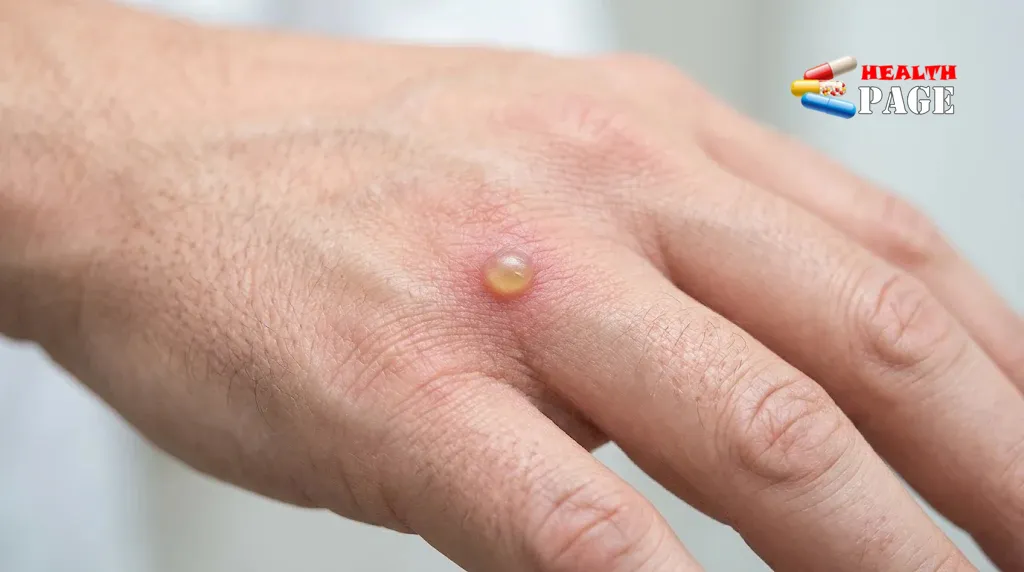
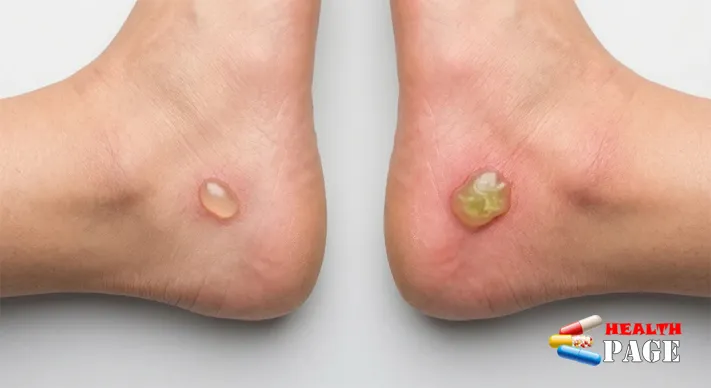
The fluid in an ordinary blister is clear. If it turns thick, cloudy, yellow or green, or looks like pus, bacteria may be involved. The NHS lists a blister that is hot and filled with green or yellow pus among the signs that the skin looks infected.
A caution here: pale or slightly cloudy fluid can appear as a blister drains and heals, so colour alone is not proof of infection. Pus-like discharge together with other signs on this list is far more convincing.
2. Redness that spreads or intensifies
A thin pink rim at the edge of a blister is normal. Redness that widens, deepens or keeps growing over a day or two is not. On lighter skin it looks red or pink; on brown and Black skin it may look purple, grey or simply darker than the surrounding area, and the NHS points out that redness is harder to see on darker skin tones. Pressing gently around the edge and watching whether the affected patch grows from one day to the next is often more reliable than the colour itself. (Redness has plenty of non-infectious causes too; this overview of red patches that aren’t itchy covers some of them.)
3. Warmth around the blister
Place the back of your fingers on the blister, then on the same spot of the opposite limb. If the blistered area is clearly warmer, the body may be mounting an inflammatory response. Warmth on its own is weak evidence. Warmth with swelling, redness and rising pain is considerably more concerning.
4. Pain that increases instead of easing
Ordinary blisters hurt when pressed or rubbed, and the soreness fades as the skin heals. Warning signs include:
- tenderness that grows rather than settles
- throbbing or constant aching, even at rest
- pain with every step or every time you grip with the affected hand
- discomfort spreading beyond the blister itself
5. Swelling and tightness
Inflammation can make the skin around a blister look puffy, tight or shiny. A blister on a finger, for example, may make the whole finger feel thick and stiff. Swelling that arrives alongside warmth, spreading discolouration and worsening pain deserves a medical opinion.
6. An unpleasant smell or unusual discharge
A burst blister that weeps cloudy fluid, or gives off an unpleasant odour, is not healing normally. Smell is easy to dismiss, but combined with pus or worsening inflammation it is a useful clue.
7. Red streaks, fever or feeling unwell
This is the most serious sign. Red lines running away from the blister suggest infection moving through the skin. A fever, chills or a general sense of being unwell suggest the body is reacting beyond the local area. An infection that moves into deeper layers is called cellulitis, a bacterial skin infection that is usually treated with antibiotics and can become serious if it isn’t treated quickly.
If you notice red streaks, fever, rapidly spreading redness or you simply feel seriously unwell, seek urgent medical assessment instead of trying to manage it at home.
What Does an Infected Blister Look Like?
Picture the two ends of the spectrum. A healing friction blister is a smooth, slightly shiny bubble of clear fluid with, at most, a faint pink edge. An infected blister often looks angrier: the fluid may be cloudy or pus-filled, the skin around it puffy and visibly redder or darker, and the whole area warm and tender. The NHS shows an example of an infected blister on the back of a heel, filled with light green pus and surrounded by red skin.
| Feature | Typical healing blister | Possibly infected blister |
|---|---|---|
| Fluid | Clear (blood blisters look red or dark) | Thick, cloudy, yellow or green pus |
| Surrounding skin | Faint pink rim that fades | Redness or discolouration that spreads |
| Temperature | Normal | Warm or hot to the touch |
| Pain | Sore on pressure, easing daily | Throbbing, constant or increasing |
| Smell | None | Unpleasant odour |
| Trend over 2–3 days | Smaller, flatter, drier | Larger, more swollen, more painful |
Appearance cannot always confirm infection, and some conditions imitate it. A clinician may need to examine the area, and that is a perfectly reasonable thing to ask for.
Why Do Blisters Become Infected?
Bacteria that live harmlessly on skin become a problem when they find a way in. A few situations make that far more likely:
- The roof is broken or removed. Popping, picking or peeling exposes raw skin. The NHS advises not bursting a blister yourself and not peeling the skin off one that has burst.
- Hands and materials aren’t clean. Touching an open blister with unwashed hands, or covering it with a grubby dressing, introduces bacteria directly.
- Friction continues. If you keep wearing the same shoes or using the same tool, the blister tears repeatedly and never gets the chance to seal.
- Dressings stay wet or dirty. A soggy or soiled covering holds moisture and germs against the wound.
- Worsening symptoms are ignored. A small, localised infection is simpler to treat than one that has spread into surrounding skin.
People with diabetes, poor circulation or a weakened immune system heal more slowly and can develop complications faster, so they should take skin wounds, especially on the feet, more seriously.
How to Treat an Infected Blister
A suspected infection calls for professional assessment, so think of home care as protecting the area until you can be seen rather than curing it yourself.
- Leave the blister intact. Do not squeeze, puncture or try to drain it at home. If drainage is needed, a clinician can do it with sterile equipment; the NHS says a GP might burst a large or painful blister using a sterilised needle.
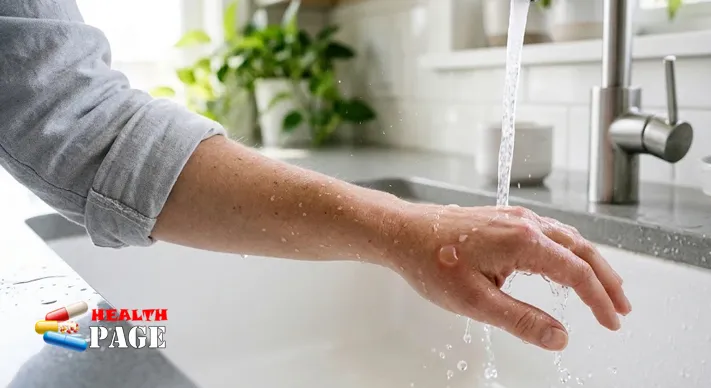
- Clean gently. If the blister has already opened, wash your hands first, then rinse the area with clean water and mild soap and pat it dry. Aggressive scrubbing and harsh household products tend to irritate damaged skin rather than help it.
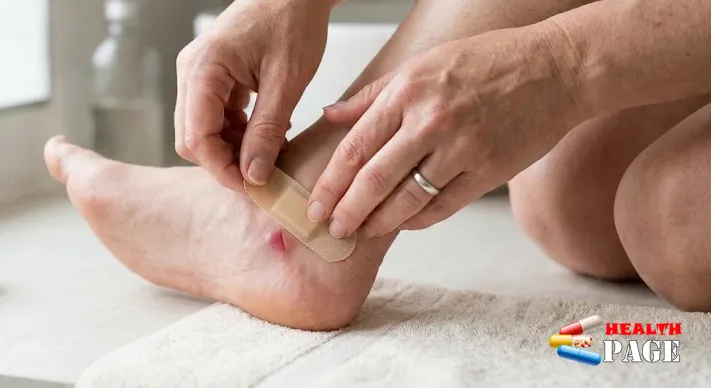
- Cover it. Use a clean, non-stick dressing or a soft plaster that keeps friction off the area, and change it whenever it becomes wet or dirty. A pharmacist can recommend a suitable dressing, such as a hydrocolloid one.
- Get it checked. Depending on what the clinician finds, treatment might include wound cleaning and dressing, professional drainage, or antibiotics if a bacterial infection needs them. The NHS notes that a GP may prescribe antibiotics for an infected blister.
- Keep watching. Redness and swelling should shrink, pain should ease, discharge should lessen and the skin should gradually close. If any of that stalls or reverses, go back for another assessment.
It can be tempting to dig out a tube of leftover antibiotic cream. Prescription topical antibiotics are meant for specific bacterial skin infections and are not a routine blister remedy, as this guide to using mupirocin ointment on an open wound explains. Whether one is appropriate is a decision for a clinician.
When Should You See a Doctor?
Home care has limits. This table shows when it is time to hand over to a professional.
| Symptom or situation | Recommended action |
|---|---|
| Yellow or green pus | Contact a healthcare professional promptly |
| Increasing redness, warmth or swelling | Seek medical assessment |
| Worsening or persistent pain | Arrange a medical evaluation |
| Red streaks extending from the blister | Seek urgent medical attention |
| Fever or chills | Seek urgent medical attention |
| Large, very painful or repeatedly recurring blisters | Arrange a medical assessment |
| Blister caused by a burn or scald | Seek medical advice |
| Several blisters with no clear cause | Seek medical advice |
The NHS advises getting help from NHS 111 when a blister looks infected, is very painful or keeps coming back, appears in an unusual place such as the eyelids, mouth or genitals, follows a burn, scald, sunburn or allergic reaction, or when several blisters appear for no obvious reason. Outside the UK, your local urgent care or primary care service fills the same role. Anyone with diabetes, poor circulation or a weakened immune system should lower their threshold for seeking care.
A Special Case: Burn Blisters
Blisters from burns deserve their own handling, because the injury underneath is different from a friction blister. For a minor burn, Mayo Clinic first-aid guidance recommends cooling the area under cool, not cold, running water. Guidance from Mayo Clinic’s various sources puts this at roughly 10 to 20 minutes, or until the pain eases.
A few practical points:
- Take off rings, watches and tight items before swelling sets in, if they come off easily.
- Skip ice, butter, toothpaste and other home remedies, which can trap heat or irritate the skin.
- Do not break the blister deliberately; it protects the skin beneath.
- Cover the area with a clean, loose, non-stick dressing.
- Seek medical care for large or deep burns, burns on sensitive areas such as the face, hands or genitals, and any burn blister wider than about 2 inches (5 centimetres).
Some sources suggest puncturing large burn blisters or removing the dead skin after a few days. That is a decision for a healthcare professional, not something to attempt at home.
Other Conditions That Can Resemble an Infected Blister
Not every blister or cluster of blisters is a bacterial infection, and the difference changes the treatment. Shingles and herpes simplex are viral and cause painful clusters of fluid-filled blisters; the NHS also lists chickenpox and hand, foot and mouth disease among viral causes. Tinea manuum is a fungal infection of the hand. Eczema and pompholyx cause itchy, inflamed skin and sometimes small blisters, and this comparison of how eczema differs from psoriasis helps explain why itchy, scaly skin can be confusing.
Bullous impetigo is a genuinely bacterial blistering infection and is on the NHS list of conditions that can cause blisters. The practical takeaway: if blisters appear in groups, keep returning, or have no obvious trigger such as friction or a burn, have them looked at rather than guessing.
Can You Prevent a Blister From Becoming Infected?
Mostly, yes. A few habits do most of the work:
- Let small, uncomplicated blisters heal untouched.
- Wash your hands before touching a burst blister, and gently wash the skin.
- Cover the blister with a soft plaster or padded dressing, and swap it when it gets wet or dirty.
- Wear well-fitting shoes and moisture-wicking socks, and break in new footwear gradually.
- Do not pick at the edges of remaining skin after a blister bursts.
- Rest the area: the NHS advises not wearing the shoes or using the equipment that caused the blister until it heals.
- Check daily for more redness, swelling, pain or discharge.
Frequently Asked Questions
How can you tell if a blister is infected?
Look for changes that intensify over a day or two: pus, spreading redness, warmth, swelling, rising pain or an unpleasant smell. Fever or red streaks mean you should seek urgent care.
Is yellow fluid in a blister always a sign of infection?
No. A blister can contain pale or cloudy fluid as it heals. Thick yellow or green pus is more worrying, especially with heat, redness and pain.
Should you pop an infected blister?
No. Squeezing or piercing it at home can push bacteria deeper or spread them. A clinician can decide whether drainage is needed and perform it safely.
How long does an infected blister take to heal?
It depends on the cause, the location, how severe the infection is and how quickly it is treated. Anyone worried about progress should be reassessed instead of waiting for a set number of days.
Can an infected blister heal without antibiotics?
Sometimes mild irritation settles on its own, but a true bacterial infection may need antibiotics. That judgment depends on an examination, which is why a suspected infection should be checked.
When should you worry about a blister?
Worry when redness spreads, pain increases, pus appears, or you develop fever, chills or red streaks. Rapidly worsening symptoms warrant same-day care.
Conclusion
Knowing how to tell if a blister is infected makes it easier to relax about the vast majority of blisters that are fine and to act quickly on the few that aren’t. Clear fluid, a calm edge and steady improvement are reassuring. Pus, spreading redness, warmth, swelling, mounting pain and, above all, red streaks or fever are not. Protect the blister, resist the urge to pop it, and ask a professional to look at anything that is getting worse rather than better. For more everyday skin questions, browse the skin health guides at HealthPage.
References
- NHS. Blisters.
- NHS. Cellulitis.
- Mayo Clinic. Burns: First aid.

Dr. Jacob Cote, MD, FRCPC, is a board-certified dermatologist practicing at The Ottawa Hospital in Ontario, Canada. Specializing in medical dermatology, clinical skin pathology, and advanced acne therapies, Dr. Cote brings years of institutional hospital experience to the editorial board. He is dedicated to translating complex, evidence-based dermatological research into practical preventative skin health strategies for everyday readers. At HealthPage, he ensures all clinical guidelines and skincare recommendations are rigorously reviewed and align with current Canadian Dermatology Association standards.