

Vaginal Odor Treatment: 7 Safe Ways to Address the Causes
Medical Disclaimer: This article, “Vaginal Odor Treatment: 7 Safe Ways to Address the Causes,” is intended for general educational and informational purposes only. It does not replace professional medical advice, diagnosis, or treatment. Vaginal odor can have several causes, and the appropriate treatment depends on the underlying condition. Do not self-diagnose or use home remedies, vaginal washes, or medications without appropriate medical guidance.
If you experience persistent or unusual vaginal odor, abnormal discharge, itching, burning, pelvic pain, or other concerning symptoms, consult a qualified healthcare professional for proper evaluation and treatment. Seek prompt medical attention if you experience fever or severe pelvic pain.
Written by: Dr. Wang Zhixin (Gynecology)
A change in vaginal smell can be unsettling, especially when it shows up without warning and you are not sure whether it is normal. Most of the time it is not a sign of poor hygiene, and not every odor needs treatment. A persistent, strong, or fishy smell is different. It often points to an imbalance or infection that needs a specific fix, which is why effective vaginal odor treatment starts with finding the cause rather than covering up the smell.
Below you will find what normal odor is, what commonly changes it, which treatments work for which problem, and what to skip.
What Normal Vaginal Odor Is Like
A healthy vagina has a scent. It does not smell like perfume, and it was never meant to be odorless. The scent varies from person to person and shifts over the month.
Much of this comes from the vaginal microbiome. Beneficial bacteria, mainly Lactobacillus species, produce lactic acid and keep the vaginal pH acidic. That acidity discourages the growth of organisms that cause infections. When the pH balance shifts, the smell often shifts with it.
Everyday changes are usually harmless:
- Exercise and sweat. Sweat from the external genital area can mix with normal secretions and produce a temporary, stronger smell.
- The menstrual cycle. Discharge tends to be clearer and wetter around ovulation, and menstrual blood gives many people a coppery or metallic scent for a few days.
- After sex. Semen is alkaline and can briefly raise vaginal pH, so the scent may change for a while.
What stands out is persistence. A smell that lingers for days, becomes strong or foul, or arrives with unusual discharge, itching, or discomfort is worth looking into.
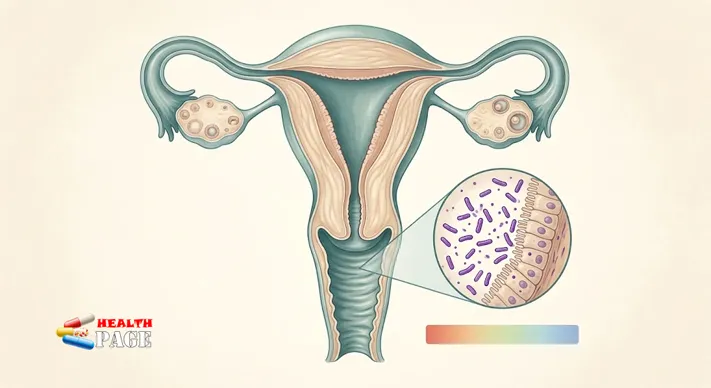
Common Causes of Vaginal Odor
Understanding the causes of vaginal odor matters because the right treatment depends entirely on what is behind the smell. A product that helps one problem can make another worse.
Bacterial vaginosis
Bacterial vaginosis (BV) is the most common cause of vaginal discharge worldwide, according to the CDC’s STI Treatment Guidelines on bacterial vaginosis. It develops when protective lactobacilli are replaced by high levels of other bacteria, including Gardnerella vaginalis.
The signature symptom is a fishy odor, often with thin, grayish-white discharge. The smell may be stronger after sex or during a period. Many people have BV with no symptoms at all, and the CDC notes that most women with BV in a national survey were asymptomatic.
BV is not caused by being unclean, and it is not classed as a sexually transmitted infection, though it is linked to sexual activity and raises the risk of catching actual STIs. Mayo Clinic notes that what triggers the bacterial imbalance is not fully understood.
Trichomoniasis
Trichomoniasis is an STI caused by the parasite Trichomonas vaginalis. It can cause fishy-smelling discharge that may be yellow-green or frothy, along with itching, burning during urination, and discomfort during sex. Some people notice nothing at all.
Yeast infection
A vaginal yeast infection usually causes itching, redness, and thick white discharge, often compared to cottage cheese. It typically does not cause a strong fishy smell, which is why antifungal products so often fail people who actually have BV. If itching is your main symptom, our guide to why the vagina can itch inside covers other possible explanations.
Hormonal changes
Estrogen influences vaginal moisture, tissue thickness, and the bacterial environment. Pregnancy, breastfeeding, perimenopause, and menopause can all alter discharge and scent. Low estrogen is also associated with dryness and irritation, and our overview of low estrogen symptoms explains the broader signs.
Hormones should not be the default explanation for a strong or persistent foul smell, though. That calls for an exam to rule out infection.
Sweat and external irritation
The vulva has sweat glands, and heat, tight clothing, and damp workout gear all trap moisture. This kind of odor is external skin and sweat odor, not an infection inside the vagina. Scented soaps, sprays, and wipes can also irritate the skin and make things worse.
A forgotten tampon
A retained tampon can produce a distinctly foul smell along with abnormal discharge and irritation. It should be removed promptly, and if you cannot remove it yourself, a healthcare professional can help. If you are unsure about correct use, this guide to tampon sizes and how to insert and use one safely is a useful reference.
Other possibilities
Cervicitis and other infections can change discharge and odor. Foods such as garlic and onions may affect general body odor, but there is no good evidence that diet causes or cures vaginal infections.
| Cause | Typical odor | Typical discharge | Usual treatment |
|---|---|---|---|
| Bacterial vaginosis | Fishy, often stronger after sex | Thin, gray-white | Prescription antibiotics |
| Trichomoniasis | Unpleasant, sometimes fishy | Yellow-green, may be frothy | Prescription metronidazole |
| Yeast infection | Usually none | Thick, white, clumpy | Antifungal medication |
| Retained tampon | Strong, foul | Abnormal, may be bloody | Removal of the tampon |
| Sweat and moisture | External body odor | Normal | Gentle hygiene, breathable clothing |
Vaginal Odor Treatment: 7 Safe Ways to Address the Causes
1. Identify the underlying cause
Odor alone cannot diagnose anything. A fishy smell suggests BV, while itching with thick discharge points toward yeast, but symptoms overlap. A clinician can take your history, perform a pelvic exam when appropriate, and test a sample of discharge. STI testing may be added when it makes sense. Self-diagnosis often leads to the wrong product.
2. Treat bacterial vaginosis with the right medication
For fishy vaginal odor treatment, the established approach is prescription antibiotics. The CDC lists oral metronidazole, metronidazole vaginal gel, and clindamycin vaginal cream among its recommended regimens, and your clinician chooses based on your health and circumstances. Clindamycin cream is oil-based and may weaken latex condoms during treatment, so ask about backup protection.
BV frequently returns. If the smell keeps coming back, get reassessed rather than reaching for another hygiene product. The CDC also notes that douching may increase the risk of relapse.
3. Treat sexually transmitted infections fully
Trichomoniasis needs prescription treatment, and for women the CDC recommends a seven-day course of oral metronidazole. Partners need treatment too, or the infection can pass back and forth. Avoid sex until everyone has finished treatment and symptoms are gone. Retesting about three months later is recommended because reinfection is common.
4. Use antifungal medication only when it fits
Over-the-counter antifungals such as clotrimazole and miconazole treat yeast infections only. They will not help BV or trichomoniasis. They are reasonable for someone who has had a yeast infection before and recognizes the same symptoms. A first episode, unusual odor, pregnancy, recurring infections, or symptoms that persist after treatment all call for medical advice.
5. Keep external hygiene simple and gentle
If you are wondering how to get rid of vaginal odor at home, start by remembering that the vagina cleans itself. Wash only the outer vulva with warm water, or with a mild, fragrance-free soap if your skin tolerates it, and pat the area dry. Skip douching, deodorant sprays, and perfumed wipes. They can irritate tissue and disturb the bacterial balance, and Mayo Clinic notes that douching will not clear a vaginal infection.
6. Choose breathable underwear and change out of damp clothes
Cotton underwear, changing out of wet swimwear or sweaty workout clothes, and avoiding clothing that traps moisture can reduce sweat-related odor and irritation. These habits help with comfort but do not cure BV or an STI, and tight clothing is not an established direct cause of either.
7. Follow preventive sexual health practices
Condoms lower the risk of STIs. Finish every prescribed course even after symptoms fade, attend follow-up visits, and have new symptoms checked instead of masking them. Partner management also differs by condition. Trichomoniasis requires treating partners, while routine partner treatment is not recommended for BV.
Over-the-Counter Vaginal Odor Treatment: What Actually Helps?
No single over-the-counter vaginal odor treatment fits every cause. Clotrimazole and miconazole help with yeast infections, and fragrance-free external cleansers can support gentle hygiene, but they do not treat infection. BV and trichomoniasis require prescriptions.
Vaginal deodorants and scented washes are not recommended. They can irritate tissue and delay the right diagnosis. Buying several products before knowing what is wrong is one of the more common ways a simple problem becomes a stubborn one.
What to Avoid
Many remedies are promoted online, but there is not enough reliable clinical evidence to recommend them for vaginal odor, and some can do harm. Avoid:
- Inserting garlic or yogurt into the vagina
- Applying tea tree oil or neem oil to vaginal tissue
- Washing with apple cider vinegar or white vinegar, or using baking soda baths as an infection treatment
- Douching or frequently washing the vaginal canal
- Using vaginal deodorants or perfumes
- Taking leftover antibiotics or antifungals without a diagnosis
These can cause irritation, disrupt the vaginal environment, or postpone treatment that would actually work. Eating a balanced diet and drinking enough water support general health, but neither is a proven treatment for BV or other infections.
When to See a Doctor
See a healthcare professional if you notice:
- A persistent or unusually strong odor, or fishy-smelling discharge
- Yellow, green, gray, or otherwise unusual discharge
- Itching, burning, or pain during urination or sex
- Bleeding between periods or after sex
- Pelvic or lower abdominal pain
- A tampon you cannot find or cannot remove
Seek urgent care for fever with pelvic pain, severe abdominal pain, or feeling seriously unwell. A retained tampon with fever, rash, vomiting, dizziness, or faintness also needs urgent assessment. If you are pregnant and notice unusual discharge, contact your provider promptly. Mayo Clinic also advises checking in if you have never had a vaginal infection before or if symptoms persist after over-the-counter treatment.
Frequently Asked Questions
What is the most common cause of a fishy vaginal odor?
Bacterial vaginosis. The fishy smell is its characteristic symptom, though trichomoniasis can cause a similar one.
Why does my vagina smell fishy after intercourse?
Semen can briefly raise vaginal pH, which may make the odor of BV more noticeable. If it happens repeatedly, get tested.
Can menopause cause vaginal odor?
Lower estrogen can change discharge and cause dryness, but a strong odor still deserves a check for infection. Our guide on vaginal dryness and its treatments explains the hormonal side in more detail.
Is odor during my period normal?
A mild, temporary change is common because blood mixes with normal secretions. A strong or foul smell that persists should be checked.
Does poor hygiene cause vaginal odor?
Sweat and moisture can cause external odor, but BV and other infections are not the result of inadequate washing.
Does yogurt help?
Yogurt can be part of a balanced diet, but it is not an established treatment for BV or odor. Do not insert it into the vagina.
Conclusion
Vaginal odor is common and usually treatable once the cause is clear. Mild, cyclical scent is normal. A persistent fishy or foul smell is a signal worth acting on, and the best vaginal odor treatment is the one matched to the diagnosis: antibiotics for BV, prescription therapy for trichomoniasis, antifungals for yeast, and removal of a retained tampon. Gentle external hygiene and breathable clothing support comfort alongside that care. If you are unsure, book an appointment. For related topics, browse more women’s health guides on HealthPage.
Medical disclaimer: this article is for general education and is not a substitute for personal medical advice, diagnosis, or treatment.
References
- Centers for Disease Control and Prevention. Bacterial Vaginosis – STI Treatment Guidelines
- Mayo Clinic. Vaginitis: Symptoms and causes
- NHS. Vaginal discharge

Dr. Wang Zhixin is a distinguished Chief Physician specializing in comprehensive gynecology, perinatology, and maternal healthcare systems. She serves at the acclaimed
Shenzhen Maternity and Child Healthcare Hospital, a premier Grade-III Class-A medical center associated with Southern Medical University. With decades of clinical leadership, Dr. Wang is widely recognized for her contributions to reproductive wellness, prenatal diagnostic precision, and advanced clinical research safeguarding maternal-fetal medical outcomes.
As a core specialist panelist on the HealthPage Medical Review Board,
Dr. Wang leverages her senior clinical oversight to meticulously fact-check, audit, and medically verify our reproductive medicine and maternal wellness guides. Her analytical reviews ensure that intricate obstetric protocols and feminine wellness data are rendered into safe, authoritative, and completely evidence-based reference resources for global audiences.
✉ Professional Inquiries:
[email protected]