
How to Cure Shingles in 3 Days? 7 Ways to Ease Pain and Speed Recovery
This article, “How to Cure Shingles in 3 Days? 7 Ways to Ease Pain and Speed Recovery,” is intended for general educational and informational purposes only. It discusses shingles symptoms, antiviral treatments, pain management, home care, and recovery. The information provided is not a substitute for professional medical advice, diagnosis, or treatment.
Shingles cannot usually be completely cured within three days. Early medical assessment and appropriate antiviral treatment, ideally within 72 hours of the rash appearing, may help reduce symptoms and complications. Always consult a qualified healthcare professional before starting, changing, or stopping any medication. Do not rely on unproven home remedies or delay medical treatment.
Written by: Dr. Jacob Cote (Dermatology). Seek prompt medical attention if shingles affects your eyes or face, or if you experience severe symptoms or have a weakened immune system.
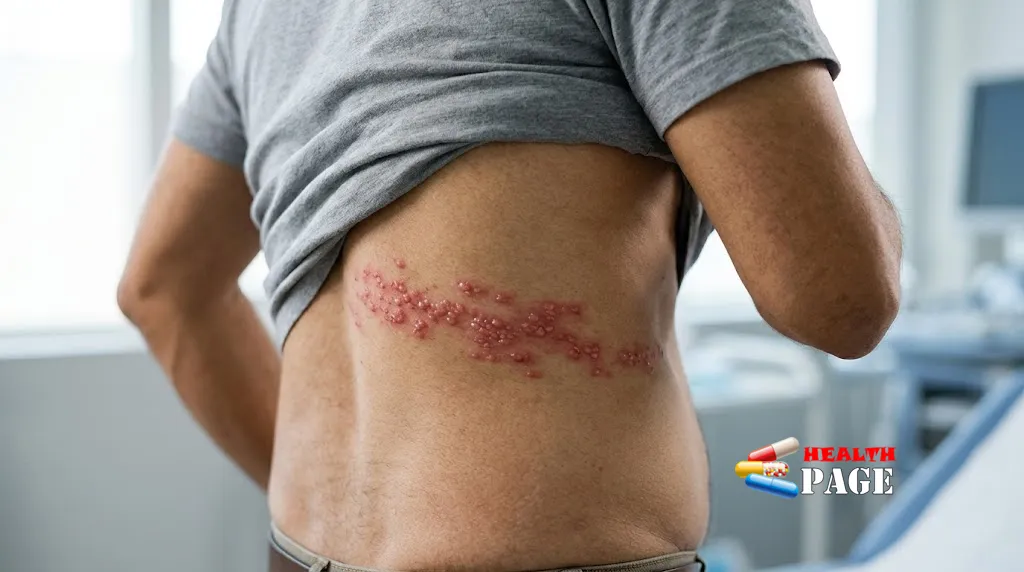
It often starts quietly. A patch of skin along one side of the ribs feels oddly tender, then begins to burn or tingle, and a day or two later a cluster of small red bumps appears. Many people assume it is an insect bite, a heat rash, or an allergic reaction. By the time the bumps turn into fluid-filled blisters, the pain is hard to ignore, and the search for how to cure shingles in 3 days begins.
No treatment is known to clear shingles completely in three days. The rash usually takes two to four weeks to heal. But those first three days matter a great deal. Antiviral medicine started within about 72 hours of the rash appearing can shorten the illness and lower the risk of complications, and good skin care can make the early days far more bearable. This guide covers what to do in that window, what recovery looks like afterward, and which popular remedies are best left alone.
What Is Shingles, and Why Does It Hurt So Much?
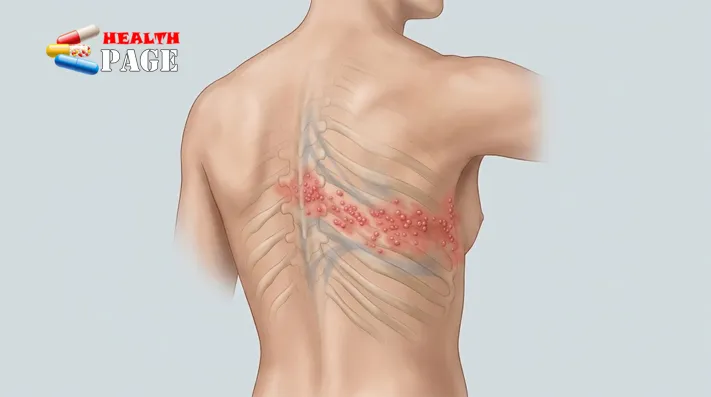
Shingles, medically called herpes zoster, is more than a skin infection. After chickenpox clears, the varicella-zoster virus (VZV) stays behind in nerve cells near the spinal cord, often silent for decades. Later it can reactivate and travel along a sensory nerve to the skin. That explains both the intensity of the pain and the way the rash follows a band rather than scattering at random.
The reasons for reactivation are not fully understood. Risk rises when immune defences weaken, whether from older age, illnesses, or medicines that suppress immunity. Roughly one in three people in the United States will have shingles at some point, and the risk climbs sharply after 50.
The illness usually unfolds in stages:
- Tingling, burning, itching, or unusual sensitivity in one patch of skin, sometimes with headache or a general unwell feeling.
- Localised pain, which can begin before any rash is visible.
- Red patches that develop into clusters of fluid-filled blisters.
- Blisters that dry out, crust, and scab.
- Skin healing, occasionally followed by lingering nerve pain.
The rash most often wraps around one side of the chest, back, or abdomen and typically stops at the body’s midline. It can also appear on the face, neck, or a limb. Shingles around the eye or on the tip of the nose deserves particular caution because it can threaten vision.
How to Get Rid of Shingles Fast: Why the First 72 Hours Matter
There is no cure that removes the virus from the body, but there is a time-sensitive treatment. The CDC’s clinical overview of shingles states that treatment works best when started within 72 hours. It names three preferred antiviral medicines: acyclovir, valacyclovir, and famciclovir. These help lesions heal faster, reduce new blisters and viral shedding, and lessen the severity of acute pain.
All three require a prescription. The right choice and dose depend on age, kidney function, immune status, and how severe the illness is, so this is not something to self-prescribe.
The window is shorter than it sounds. Pain, tingling, or itching often starts a few days before any rash shows, so some of the 72 hours may already be gone when the first blister appears. The practical advice is to contact a doctor, or a pharmacist where that service exists, the same day you suspect shingles. That is the realistic answer to how to cure shingles in 3 days: three days is the period for acting, not for being fully recovered.
What if more than 72 hours have already passed? Treatment is not pointless. A doctor may still prescribe antivirals if new blisters keep appearing, the rash is severe or spreading, the eye, nose, or ear is involved, or the immune system is weakened. Medical assessment also matters if pain is disrupting sleep or daily life. Starting late does not guarantee long-lasting nerve pain. The benefit may simply be smaller.
7 Ways to Ease Shingles Pain and Speed Recovery
Two of these steps are medical and five concern skin and self-care. None replaces a clinician’s assessment.
1. Start prescribed antiviral treatment as early as possible
This is the one step that acts on the virus itself. Note the date the rash first appeared, because the prescriber will ask. Photographing the rash on day one can also help if it changes quickly.
2. Use pain relief that suits your health
The NHS lists paracetamol (acetaminophen) among the options for easing shingles pain. Ibuprofen suits some people but not others, particularly those with kidney problems, stomach ulcers, heart conditions, or blood-thinning treatment, so check with a pharmacist first.
Nerve pain behaves differently from ordinary aches. Sharp, shooting, or electric-shock sensations often respond poorly to standard painkillers, and a doctor may prescribe medicines designed for nerve pain. Stronger drugs should only be used under medical supervision, and doses should always come from the prescriber or the label.
3. Apply cool, damp compresses
The American Academy of Dermatology suggests a clean, cool, damp washcloth on uncomfortable skin for 5 to 10 minutes, several times a day, as described in its shingles self-care guidance. Keep it cool rather than icy, never press ice directly on the skin, and use a fresh cloth each time.
4. Keep the affected skin clean and protected
Wash the rash gently with a fragrance-free cleanser. The AAD also recommends a thin layer of plain petroleum jelly and a sterile, non-stick bandage. Wash your hands after touching the area, and keep nails short to limit scratching. Do not pop blisters, since the intact skin helps protect against infection.
5. Wear loose, comfortable clothing
Soft cotton or linen causes the least friction. Waistbands, bra straps, and rough seams can be unbearable on skin that hurts at the lightest touch, so choose what moves freely away from the rash.
6. Soothe itching safely
Cool compresses and a cool colloidal oatmeal bath can take the edge off itching. The AAD advises calamine lotion only after blisters have scabbed over. A pharmacist can suggest other anti-itch options. These products calm skin but do nothing to the virus, and hot baths tend to make itching worse.
7. Rest, eat well, and support recovery
Sleep, balanced meals, fluids, and some stress relief all help the body cope. Gentle distractions such as music or reading take the mind off the discomfort. These habits support general recovery, but they are not a substitute for antiviral treatment.
Shingles Treatment at Home: What Helps and What to Avoid
Shingles treatment at home is about comfort and protection while the body does the healing. The measures above (cool compresses, clean covered skin, loose clothing, oatmeal baths, and calamine on scabbed areas) are well supported by dermatology and public-health guidance. They make shingles more bearable but cannot clear the infection.
A few things are better avoided. The NHS advises against antibiotic cream on the rash unless a clinician prescribes it, because it can slow healing. Dressings that stick to the skin and scratching or picking at blisters cause problems of their own.
Traditional and homemade remedies deserve a frank mention, since they turn up often in online searches. These include snake-derived powders, scorpion preparations, herbal pastes, bloodletting or cupping over blisters, aspirin-and-alcohol mixtures, and moxibustion used in place of antivirals. There is no reliable clinical evidence that any of them treats shingles. Some can irritate or burn already inflamed skin, introduce bacteria, cause poisoning if swallowed, or delay the antiviral treatment that does work. If you use a traditional practice alongside medical care, tell your doctor what it involves.
How to Relieve Shingles Pain and Itching
Shingles pain is not one sensation, and each type calls for a different response.
- Skin discomfort: itching, tenderness, and burning around the blisters. Compresses, loose clothing, and gentle skin care usually help most.
- Nerve pain: sharp, stabbing, or electric-shock-like pain. This often needs prescription treatment.
- Persistent pain: discomfort that continues after the rash has healed.
That last type is postherpetic neuralgia (PHN), pain from nerves that stay damaged or irritated and keep sending pain signals after the skin has recovered. It is commonly defined as pain lasting three months or more after the rash heals. Older adults are more vulnerable, as are people who had severe pain or an extensive rash during the acute illness. Commonly cited estimates put PHN at up to about one in five people with shingles, so most do not develop it.
When it does occur, PHN can interfere with sleep, make clothing unbearable, and limit movement. Doctors may recommend specialised nerve-pain treatment, and ongoing pain after the rash has gone is a good reason to book an appointment rather than wait it out.
How Long Does Shingles Take to Heal?
Recovery follows a recognisable pattern, though individual experience varies. Based on guidance from the AAD, the CDC, and the NHS, a typical course looks like this:
| Stage | Typical timing | What is happening |
|---|---|---|
| Early phase | Days 1–3 | Burning, tingling, pain, first blisters; best time to start antivirals |
| Rash develops | Days 4–7 | New blisters may keep appearing; pain or itching can peak |
| Crusting | Days 7–10 | Blisters dry and scab over |
| Skin healing | Weeks 2–4 | Rash clears; tenderness, colour change, or slight scarring may linger |
| Afterward | Variable | Some people have nerve pain (PHN) |
This is a typical progression, not a schedule every person will follow. Healing can take longer with older age, weakened immunity, an extensive rash, delayed medical assessment, or a secondary bacterial infection of the skin.
When to See a Doctor Urgently
Prompt medical assessment matters most in these situations:
- The rash is near the eye, forehead, or the tip of the nose.
- There is eye pain, redness, or any change in vision.
- The ear is affected, especially with facial weakness, hearing changes, or dizziness.
- The immune system is weakened.
- The rash is spreading widely or appears in several areas.
- Pain is severe or hard to control.
- The skin becomes increasingly swollen or warm, or develops pus, which can signal bacterial infection.
Eye involvement or new neurological symptoms such as confusion, severe headache, or weakness may need same-day or emergency care rather than a routine appointment.
Can Shingles Spread, and Can It Be Prevented?
You cannot catch shingles from another person, but someone with active blisters can pass the virus to a person who has never had chickenpox or the chickenpox vaccine, who would then develop chickenpox rather than shingles. According to the NHS, shingles remains contagious until the last blister has dried and scabbed. In the meantime, keep the rash covered, avoid scratching, wash your hands often, and stay away from pregnant women who have not had chickenpox, newborns, and people with weak immune systems.
The recombinant zoster vaccine (Shingrix) is the main preventive tool. The CDC recommends two doses for adults 50 and older, and for adults 19 and older who are or will be immunocompromised because of disease or therapy. It helps prevent shingles and its complications but is not a treatment for an active outbreak. Ask your healthcare professional about eligibility and timing after an episode.
Frequently Asked Questions
Can shingles go away without treatment?
Yes, the rash usually clears on its own within a few weeks. But without early care you may have more pain and a higher chance of complications, and a clinician should confirm the diagnosis first.
Can you get shingles more than once?
It is possible, though uncommon. The NHS notes that having shingles more than twice is very rare.
Can I go to work or school with shingles?
That depends on the rash. The NHS advises staying away if the rash is weeping and cannot be covered. A covered, dry rash carries a much lower risk of spreading the virus.
Does stress cause shingles?
Stress is not proven to cause it, but the NHS lists it among factors that can lower immunity, which may let the virus reactivate. Researchers still do not fully understand why reactivation happens.
Is it fine to put antibiotic cream on the blisters?
Not routinely. The NHS says antibiotic cream can slow healing. Use one only if a doctor diagnoses a bacterial infection.
Conclusion
Although many people search for how to cure shingles in 3 days, complete recovery usually takes several weeks. What can happen in three days is the most useful part: recognising the rash, seeing a clinician, and starting antiviral treatment if it is appropriate. Pairing that with gentle skin protection, suitable pain management, and steady rest gives the body its best chance to recover comfortably and lowers the risk of complications. If pain lingers after the rash has gone, do not write it off as something to put up with, because that is the point to ask for help.
References
- Centers for Disease Control and Prevention. “Clinical Overview of Shingles (Herpes Zoster).” https://www.cdc.gov/shingles/hcp/clinical-overview/index.html
- American Academy of Dermatology. “Shingles: Tips for managing.” https://www.aad.org/public/diseases/a-z/shingles-self-care
- NHS inform. “Shingles.” https://www.nhsinform.scot/illnesses-and-conditions/infections-and-poisoning/shingles/

Dr. Jacob Cote, MD, FRCPC, is a board-certified dermatologist practicing at The Ottawa Hospital in Ontario, Canada. Specializing in medical dermatology, clinical skin pathology, and advanced acne therapies, Dr. Cote brings years of institutional hospital experience to the editorial board. He is dedicated to translating complex, evidence-based dermatological research into practical preventative skin health strategies for everyday readers. At HealthPage, he ensures all clinical guidelines and skincare recommendations are rigorously reviewed and align with current Canadian Dermatology Association standards.