

Open Heart Surgery: What It Is, Recovery, Scars, & Survival Rates
Hearing that you or someone you love needs open heart surgery can be overwhelming. The phrase sounds dramatic, and the questions tend to arrive all at once: what actually happens on the operating table, how long recovery takes, what the scar will look like, and what the chances of a good outcome are. The short version is that open heart surgery is a group of major operations in which a surgeon works directly on the heart or its main blood vessels, usually after opening the breastbone. Recovery commonly takes six to twelve weeks, the chest scar fades but rarely disappears, and survival depends so heavily on the type of operation and the individual patient that no single percentage fits everyone. The sections below take each of those points in turn.
What Is Open Heart Surgery?
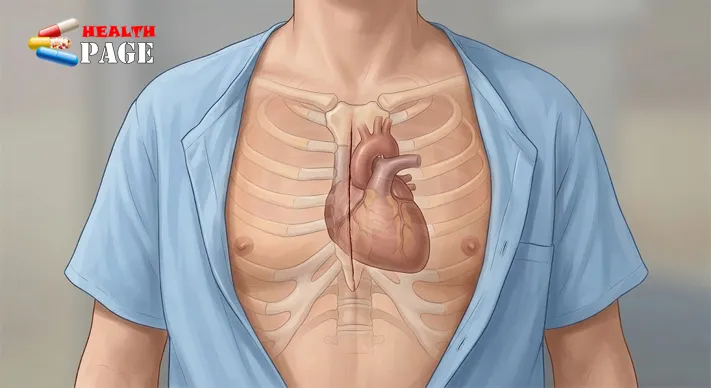
Open heart surgery is a general name for operations in which a cardiac surgeon operates on the heart or the large vessels attached to it. The word “open” refers to the chest rather than the heart itself. In the traditional approach, the surgeon divides the breastbone (sternum) lengthwise, a step called a median sternotomy, and spreads the two halves apart to reach the heart. Cleveland Clinic estimates that about two million people worldwide have this kind of surgery every year.
The heart is not always stopped. In an on-pump operation, a heart-lung bypass machine temporarily takes over the work of the heart and lungs, giving the surgeon a still, bloodless field. In an off-pump operation, sometimes called beating-heart surgery, the heart keeps pumping and the machine is not used. Off-pump techniques are mainly used for bypass grafting, while most valve and congenital repairs still require the machine. The right choice depends on the condition being treated and the surgeon’s judgment.
If you would like to picture how blood normally travels through the chambers and valves before reading about what can go wrong, this step-by-step guide to blood flow through the heart is a useful companion.
Types of Open Heart Surgery
The term covers several quite different operations. These are the ones patients meet most often:
| Procedure | What it does |
|---|---|
| Coronary artery bypass grafting (CABG) | Creates new routes for blood to flow around blocked coronary arteries |
| Heart valve repair | Reshapes or reinforces a damaged valve so it works properly |
| Heart valve replacement | Replaces a failing valve with a mechanical or biological (tissue) valve |
| Congenital heart defect repair | Corrects structural problems present from birth |
| Aortic surgery | Repairs certain aneurysms, dissections or other problems of the aorta |
| Heart transplant | Replaces a severely damaged heart with a donor heart |
These operations differ widely in length, risk and recovery. A single bypass is a different undertaking from a combined valve-and-bypass procedure or an aortic repair, which is why any general statement about open heart surgery should be read with the specific operation in mind.
Why Open Heart Surgery Is Needed
Coronary artery disease is the most common reason. When the arteries that feed the heart muscle become severely narrowed, bypass grafting reroutes blood around the blockages using a vein from the leg or an artery from the chest or arm. Surgery is usually considered when several arteries are affected, when a critical vessel such as the left main coronary artery is involved, or when medication and stents are unlikely to control the problem.
Heart valve disease is the next big category. A valve that is too narrow (stenosis) or leaks (regurgitation) forces the heart to work harder, and when the damage is severe the valve may need repair or replacement. Congenital defects such as atrial septal defects, ventricular septal defects and tetralogy of Fallot may also need surgical correction, in children and occasionally in adults. Some aortic aneurysms and dissections require open repair as well.
None of these diagnoses automatically leads to open surgery. Medication, stents, catheter-based valve procedures and keyhole approaches all exist, and the decision is usually made by a multidisciplinary “Heart Team” of cardiologists, surgeons and anaesthetists who weigh the patient’s anatomy, age, general health and preferences.
How an Open Heart Operation Is Performed
The details vary by procedure, but most traditional operations follow the same broad sequence:
- Anaesthesia. You are given a general anaesthetic and remain asleep throughout.
- Incision and sternotomy. The surgeon cuts down the middle of the chest and divides the breastbone to expose the heart.
- Bypass machine, if needed. The heart-lung machine takes over circulation while the heart is stopped or slowed.
- The repair. The surgeon grafts around blocked arteries, repairs or replaces a valve, closes a defect, or treats the aorta.
- Closing. The breastbone is wired back together, usually with stainless steel wires that stay in permanently, and the skin and deeper tissues are stitched.
- Intensive care. You are moved to an intensive care unit, where heart rhythm, breathing and bleeding are monitored closely.
How long all this takes depends on the operation. The NHS says a bypass usually takes three to six hours, and Cleveland Clinic notes that some open-heart surgeries run six hours or longer, particularly when more than one repair is needed.
Open Heart Surgery vs Minimally Invasive Heart Surgery
Minimally invasive and catheter-based procedures have changed cardiac care, and many patients now ask whether they can avoid a sternotomy altogether. Sometimes they can. The two approaches compare like this:
| Traditional open heart surgery | Minimally invasive or catheter-based | |
|---|---|---|
| Access | Usually through the breastbone | Smaller chest incisions or a blood vessel, often in the groin |
| Scar | Longer central chest scar | Smaller scars, or only a small access mark |
| Recovery | Generally longer | Often faster, depending on the procedure |
| View of the heart | Broad access | More limited |
| Best suited to | Complex or combined problems | Selected conditions and suitable anatomy |
The main alternatives include TAVI (or TAVR), in which a new aortic valve is delivered by catheter, usually through an artery in the groin; thoracoscopic and robot-assisted surgery through small chest incisions; and percutaneous closure of selected congenital defects.
Guidelines reflect this shift. The 2025 European guidelines on valvular heart disease (ESC/EACTS) recommend TAVI for anatomically suitable patients aged 70 or older with a tricuspid aortic valve, while surgical valve replacement remains the standard for younger patients at low surgical risk. Other patients need an individual assessment by the Heart Team.
Traditional surgery is often still the better option for multiple damaged valves, complex congenital defects, severe coronary disease needing combined procedures, certain aortic aneurysms or dissections, and anatomy that makes a catheter approach unsuitable. Neither approach is simply “safer” or “more thorough”. What matters is the match between the technique and the patient.
Open Heart Surgery Recovery: What to Expect
Recovery varies with the type of operation, the patient’s age and general health, and whether complications develop. Cleveland Clinic puts open heart surgery recovery at about six to twelve weeks, and sometimes longer. A rough timeline looks like this, though it is a guide and not a schedule.
The first day or two. Most patients wake in intensive care, often with a breathing tube at first, intravenous lines, chest drains and sometimes temporary pacing wires. The NHS says chest drains are usually removed after one or two days.
The first week. Patients sit up, take short walks and start breathing exercises. After a bypass, a hospital stay of about a week is typical, though valve and other operations differ.
Weeks one to six. Home recovery is rarely a straight line. Tiredness, broken sleep, a poor appetite and low mood are all common, and many people find the second week harder than the first as the hospital’s reassurance falls away. Walking distances grow gradually.
Weeks six to twelve and beyond. The breastbone has usually done most of its healing, and many people return to more normal routines. Stamina and confidence can take longer to catch up. The British Heart Foundation says the average bypass recovery is two to three months, that people over 80 may need longer, and that it can take six months to a year to feel the full benefit.

Lifting, driving and everyday limits
Restrictions are set by the surgical team and differ between hospitals. Many centres limit heavy lifting and driving for roughly the first six weeks, while the NHS advises against any heavy lifting for three months after a bypass. If you hold a bus, coach or lorry licence, the NHS also says you must tell the DVLA. When your own instructions differ from a general guide, follow your own.
What speeds up or slows recovery
Age, diabetes, obesity, and chronic lung or kidney disease can all lengthen recovery. So can pre-existing heart failure or weak heart function, a combined operation, and complications such as infection or bleeding. Sleep, nutrition and rehabilitation matter too.
A few habits help most people:
- Walk a little every day, increasing slowly, to support circulation and lung function.
- Hold a small pillow against your chest when coughing or sneezing, if your team recommends it.
- Take medicines exactly as prescribed, especially blood thinners and heart drugs.
- Eat regular, balanced meals with enough protein to support wound healing.
- Attend cardiac rehabilitation if it is offered; supervised exercise rebuilds strength and confidence.
Emotional recovery deserves as much attention as physical recovery. Feeling tearful, anxious or flat in the first weeks is common and usually eases, but persistent low mood is worth raising with your doctor.
Open Heart Surgery Scar: What It Looks Like and How It Heals
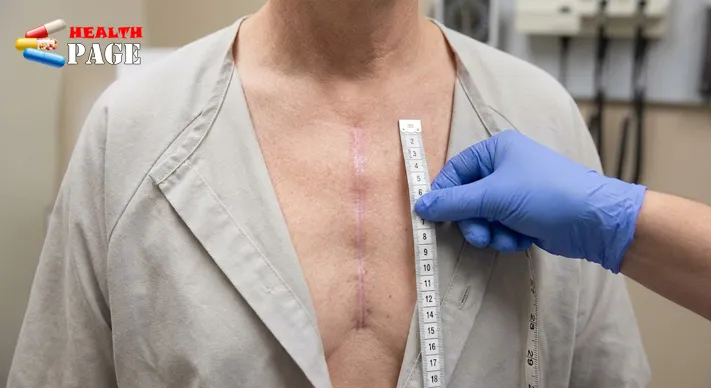
The scar is the most visible reminder of traditional surgery. A sternotomy leaves a vertical scar down the centre of the chest. The British Heart Foundation notes that bypass scars are pink at first and usually fade over time, and that extra scars appear on the legs or arms where blood vessels were taken for grafts.
As it matures, the scar may be red or pink, then lighter or darker than the surrounding skin, and in some people raised or thickened. Over months it typically flattens and becomes less noticeable. The skin closes faster than the bone beneath it, but scar maturation can continue for a year or more. Some people also notice numbness or tingling near the scar; Cleveland Clinic says nerve-related numbness in the hands or arms usually settles within three to six months.
Appearance depends on skin type, how the wound healed, infection, diabetes, smoking, and a personal tendency to form raised or keloid scars. A surgical scar rarely disappears completely, but it generally becomes much less obvious. Hold off on creams, silicone sheets or other scar treatments until the wound has fully closed and your team says they are appropriate.
Minimally invasive operations do leave scars, but they are generally smaller. A TAVI done through the groin typically leaves a small mark at the access site instead of a central chest scar.
Sternum Healing After Open Heart Surgery
Because the breastbone is divided during surgery, sternum healing sets the pace for much of recovery. The bone begins knitting almost immediately, forming a soft callus over the first weeks and then remodelling into stronger bone over the following months. Initial healing usually takes around six to eight weeks, although full strength takes longer.
Healing can slow with osteoporosis, poor nutrition, diabetes, smoking, wound infection, or too much strain on the chest early on. To protect the breastbone, follow your team’s movement and lifting limits, avoid sudden pulling or pushing, and keep walking. A support vest is prescribed only for selected patients, not routinely. Sleeping position should follow your surgeon’s advice rather than a fixed rule.
Tell the surgical team if you feel clicking or shifting in the chest, increasing pain, or drainage from the wound. These can signal a healing problem that is easier to treat early.
Open Heart Surgery Survival Rate
This is the question many families worry about most, and the honest answer is that there is no single open heart surgery survival rate. The outcome of a planned, uncomplicated bypass can differ greatly from emergency aortic surgery or a complex combined valve operation. For perspective, Cleveland Clinic says there is less than a 1% chance that an elective triple bypass will be fatal, but that figure applies to one operation in a specific setting and should not be generalised to every cardiac procedure.
Several things shape the odds: the type of operation, age, overall heart function, how advanced the heart disease is, other conditions such as diabetes and kidney or lung disease, whether the surgery is planned or an emergency, any previous heart operations, the experience of the surgical team, and complications afterwards.
Doctors also separate two measures. Operative mortality looks at survival of the operation and the first weeks, often defined as 30 days. Long-term survival looks at years afterwards and depends on the underlying disease, how well it was treated, and how risk factors like blood pressure, cholesterol and smoking are managed.
To estimate individual risk, surgeons combine your history, examination, scans and blood tests with procedure-specific models such as the Society of Thoracic Surgeons (STS) risk score and EuroSCORE. These tools estimate the chance of death and major complications, and studies of the STS score have found it useful for predicting short-term mortality. They are still estimates and not guarantees.
For that reason it is wise to be sceptical of blanket claims, such as a flat “95% survival” figure or a promise of another 10 to 20 years of life. A figure only means something when it names the procedure, the patient group and the time period. Many people have heart surgery successfully and enjoy lasting relief from symptoms, but the number that matters for you is the one your own cardiac team calculates.
Risks and Possible Complications
Open heart surgery is major surgery, and complications are possible but not inevitable. Their likelihood depends on the operation and the person.
- Bleeding, which occasionally needs a transfusion or a return to theatre.
- Infection of the wound, the breastbone or deeper tissues.
- Irregular heart rhythms, especially atrial fibrillation, which is common after surgery and often temporary.
- Stroke, caused by clots or disrupted blood flow.
- Kidney problems, usually temporary but sometimes lasting.
- Breathing problems, including pneumonia or a longer time on a ventilator.
- Sternal complications, where the breastbone heals slowly or becomes unstable.
- Heart attack around the time of surgery.
- Memory or concentration changes, often brief confusion that improves.
Your surgeon should discuss which of these apply most to you, and how they compare with the risk of leaving the heart problem untreated.
Warning Signs After Surgery
Contact your surgical team promptly if you notice increasing redness, swelling or drainage around the incision, fever or chills, worsening wound pain, new or worsening breathlessness, unusual swelling in the legs, or unusual weakness. Palpitations that keep returning also deserve a call; if you are unsure what they feel like, this guide to what heart palpitations can feel like and when to worry may help.
Call emergency services for sudden severe chest pain, severe difficulty breathing, fainting, or signs of stroke such as a drooping face, arm weakness or slurred speech.
Preparing for Open Heart Surgery
Preparation starts weeks before the operation. Tests often include an ECG, echocardiogram, blood tests, coronary angiography and sometimes a stress test. Tell the team about every medicine, supplement and allergy, because some drugs must be paused beforehand.
Stopping smoking and cutting back on alcohol lower the risk of lung and wound problems, and being as active as your doctor allows tends to ease recovery. Practical planning matters too: arrange help with meals, transport and household tasks, and ask the team about anything that worries you, including what recovery will demand of your particular life.
Life After Open Heart Surgery
Surgery often relieves symptoms and protects the heart, but it does not cure the underlying cause of heart disease. Bypass grafts reroute blood around blockages, and the original arteries remain diseased, so medicines and risk-factor control continue for the long term. That usually means regular follow-up with cardiology, monitoring blood pressure and cholesterol, managing diabetes if present, eating a heart-healthy diet, staying physically active, and not smoking.
People with replacement valves have additional needs. A mechanical valve generally requires lifelong anticoagulant medication, whereas a biological valve usually does not but may wear out sooner, so the long-term plan differs between the two.
Frequently Asked Questions
How long does open heart surgery take?
Usually several hours. A bypass often takes three to six hours, and more complex or combined operations can take longer.
When can I drive or go back to work?
It depends on the operation, your job and how you are healing. Many surgeons suggest waiting around six weeks before driving, and desk work may resume sooner than physical work. Your surgeon will give you specific clearance.
Is open heart surgery dangerous?
It is a serious operation with real risks, including bleeding, infection, stroke, kidney problems and rhythm disturbances. For many people, though, the risk of leaving severe heart disease untreated is higher. Your team can quantify both for your situation.
Can open heart surgery be done without stopping the heart?
Yes. Selected bypass operations can be performed off-pump while the heart keeps beating. Many valve and congenital repairs still need the heart stopped.
Can I live a normal life afterwards?
Most people return to active lives once recovery is complete. Long-term medication, healthier habits and regular check-ups usually remain part of that normal.
Conclusion
Open heart surgery is a broad term for several demanding operations, each with its own risks, recovery path and outlook. The scar fades, the breastbone heals over roughly two months, and full recovery tends to take three months or more, but the details depend on the procedure and on you. Survival figures only mean something when tied to a specific operation and patient, so rely on your cardiac team’s individual risk assessment rather than headline numbers. A sensible next step is to write down your questions about the procedure, alternatives, risks and recovery, and take them to your next appointment.
References
- Cleveland Clinic. Open-Heart Surgery
- NHS. Recovering from a coronary artery bypass graft
- British Heart Foundation. Heart bypass surgery: what to expect
Dr. Akram Chang is a veteran Cardiac Specialist with extensive clinical experience serving at the historic
Gulab Devi Teaching Hospital in Lahore.
Specializing in clinical cardiology, myocardial preservation, and preventative cardiovascular health, he dedicates his medical career to both critical inpatient care and global public health literacy.
As a core panelist on the HealthPage Medical Review Board,
Dr. Chang provides rigorous clinical oversight, expert fact-checking, and medical verification for our thoracic and circulatory care resources. His analytical oversight ensures that complex hospital diagnostics are translated into safe, actionable, and strictly evidence-based lifestyle habits.
✉ Professional Inquiries:
[email protected]