
Gond Katira: 7 Benefits, Uses and Side Effects
Medical Disclaimer: The article titled “Gond Katira: 7 Benefits, Uses and Side Effects”, written by Dr. Sana Lodhi (General Medicine), is intended for informational and educational purposes only. It should not be construed as professional medical advice, diagnosis, or treatment. Always seek the advice of your physician or other qualified health provider with any questions you may have regarding a medical condition or dietary changes.
Gond katira is a plant-derived gum commonly soaked in water and added to summer drinks, milk, desserts, and other traditional foods across South Asia. Interest in gond katira benefits has grown because it swells into a soft, jelly-like substance and is traditionally used to help people feel refreshed in hot weather. However, its popular health claims deserve a closer look.
Gond katira is commonly associated with tragacanth gum, a polysaccharide-rich substance obtained from certain Astragalus plants. It can contribute to dietary fibre intake and has useful thickening properties, but human research on its medicinal benefits remains limited. It has not been established as a treatment for diabetes, weak bones, infertility, or weight gain.
This guide explains what gond katira is, seven potential benefits and practical uses, how to prepare it safely, and the precautions to understand before adding it to your diet.
What Is Gond Katira?
Gond katira is a natural plant gum that absorbs water and expands into a thick, translucent or whitish gel. Its texture makes it useful in traditional beverages and desserts, particularly in warm climates.
The gum commonly identified as tragacanth is a complex mixture of plant polysaccharides, which are long chains of sugar molecules. Some of these substances dissolve in water, while others absorb water and swell, creating a gel-like consistency.
Unlike a conventional nutrient-rich food, gond katira is not a major source of protein, vitamins, or energy. Its most distinctive properties come from its structure, water absorption, and thickening ability.
Commercial products can vary in botanical source and composition, so it is sensible to check the ingredient label and buy from a reputable food supplier.
Gond Katira in English: Name, Origin and Appearance
Gond katira is commonly called tragacanth gum in English, although regional names and commercial labelling are not always consistent. Tragacanth is obtained from the dried exudate of certain Astragalus species, plants found in parts of western and southwestern Asia.
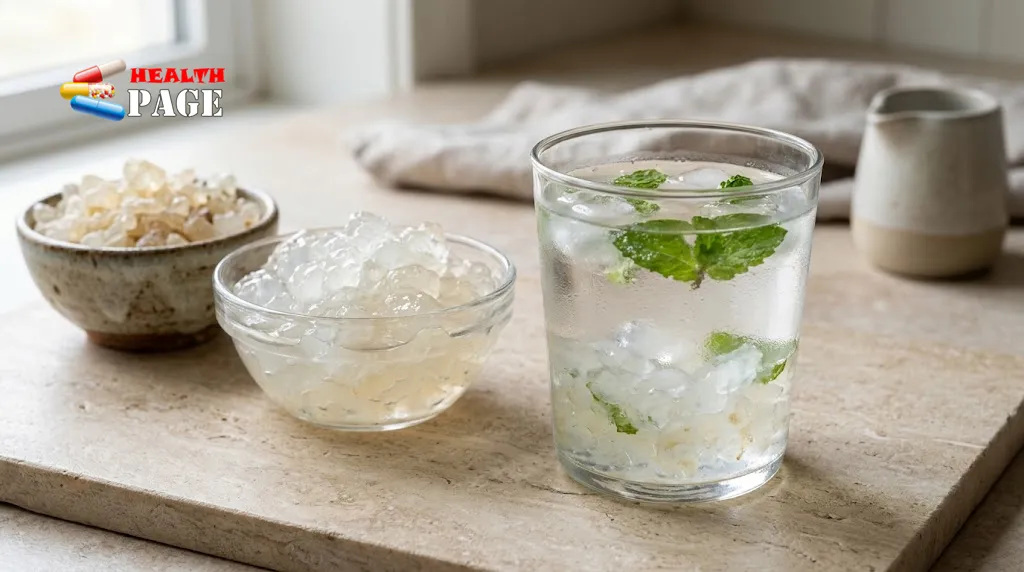
In its dry form, it may appear as irregular flakes, crystals, ribbons, or pale pieces. When soaked, it absorbs water and develops a soft, slippery, gelatinous texture.
Dry gum before soaking
Gum after absorbing water
The appearance of the dry material alone may not reliably distinguish tragacanth from other edible gums. If you are purchasing it for consumption, choose a product specifically labelled for food use rather than relying on appearance or a seller’s informal description.
Gond Katira Benefits: What Does Research Actually Show?
There are several plausible reasons to use gond katira in food, but the strength of the evidence differs between its practical properties and its claimed health effects.
A small human study published in 1984 examined five male volunteers who consumed 9.9 grams of tragacanth daily for 21 days. Researchers observed increases in stool weight in all five participants and shorter intestinal transit times in four. They did not find significant changes in blood glucose tolerance or blood cholesterol and related blood lipids. The study was small and short, so it cannot establish broad health benefits. Read the study on PubMed.
The following seven potential benefits and uses should therefore be understood in context rather than treated as seven proven medical effects.
1. May Contribute to Dietary Fibre Intake
Tragacanth consists largely of complex polysaccharides. Some of these plant carbohydrates can contribute to dietary fibre intake, although the exact composition varies between products.
Dietary fibre is important for normal bowel function and can help support a balanced diet. However, the presence of fibre-like polysaccharides does not mean gond katira provides all the benefits associated with eating a variety of whole plant foods.
Practical takeaway: Consider it an optional food ingredient, not a substitute for fibre-rich foods such as vegetables, fruit, beans, lentils, and whole grains.
2. May Help Support Bowel Regularity
One of the more plausible gond katira benefits relates to bowel function. Water-absorbing gums can increase the bulk and moisture of intestinal contents, which may influence stool movement.
The small human study mentioned above offers preliminary evidence of changes in stool weight and intestinal transit. However, five participants are not enough to establish how well tragacanth works for people with constipation or which amounts would be appropriate.
It should not replace established constipation care, particularly when symptoms are persistent, severe, or accompanied by abdominal pain, vomiting, blood in the stool, or unexplained weight loss.
3. May Interact With Gut Bacteria
Some complex plant carbohydrates are fermented by microorganisms in the large intestine. Tragacanth has been reported to undergo partial fermentation by intestinal microbiota.
This makes it scientifically reasonable to investigate whether the gum has prebiotic effects. A prebiotic is a substance that certain beneficial microorganisms can use.
However, a plausible biological mechanism is not the same as a demonstrated health outcome. There is insufficient human evidence to say that consuming gond katira reliably improves the gut microbiome, prevents digestive diseases, or treats a specific intestinal condition.
4. Can Be Used in Refreshing Summer Drinks
In South Asian food traditions, gond katira is often soaked and mixed into chilled milk, water-based drinks, or sweet beverages during hot weather.
Its gel-like texture makes these drinks appealing, while the liquid itself helps replace water lost through sweating. This is a practical use rather than proof of a special cooling effect from the gum.
There is no convincing clinical evidence that gond katira independently lowers core body temperature or prevents heatstroke. During hot weather, adequate fluids, shade, rest, and appropriate measures to avoid overheating remain essential.
5. Has Useful Thickening and Gelling Properties
One of the best-established uses of tragacanth is its ability to change the texture of food. Food scientists describe it as a thickener, stabiliser, and emulsifier. An emulsifier helps ingredients such as oil and water remain evenly mixed.
These properties explain why tragacanth is used in certain food formulations and why hydrated gum works well in selected drinks and desserts.
This is a genuine functional benefit, although it should not be confused with a medical benefit. A food ingredient can be useful in cooking without being a proven treatment for disease.
6. May Have a Role in Research on Gut Health and Metabolism
Researchers study plant gums because their structure, fermentation, and interaction with food can influence digestion and other physiological processes.
That does not establish that gond katira controls blood sugar, lowers cholesterol, or prevents metabolic disease. The small human study found no significant changes in glucose tolerance or measured blood lipids over its short observation period.
People living with diabetes or high cholesterol should continue to follow their clinician’s advice and use established dietary and medical treatments rather than relying on this gum.
7. Can Be Part of Traditional Foods Without Making Them Medicines
Gond katira can add texture to beverages and desserts. When used as one ingredient in a varied diet, it may offer a practical way to enjoy traditional recipes.
Claims that it reliably improves skin, strengthens hair, builds bones, increases fertility, or causes weight loss are not supported by convincing clinical evidence. Its use in a food or traditional remedy does not establish those effects.
For skin, hair, and bone health, overall nutrition matters more than one isolated gum. For weight management, total dietary intake, physical activity, sleep, and other individual factors have a much larger practical role.
Gond Katira vs. Gond Used in Gond Ke Laddu
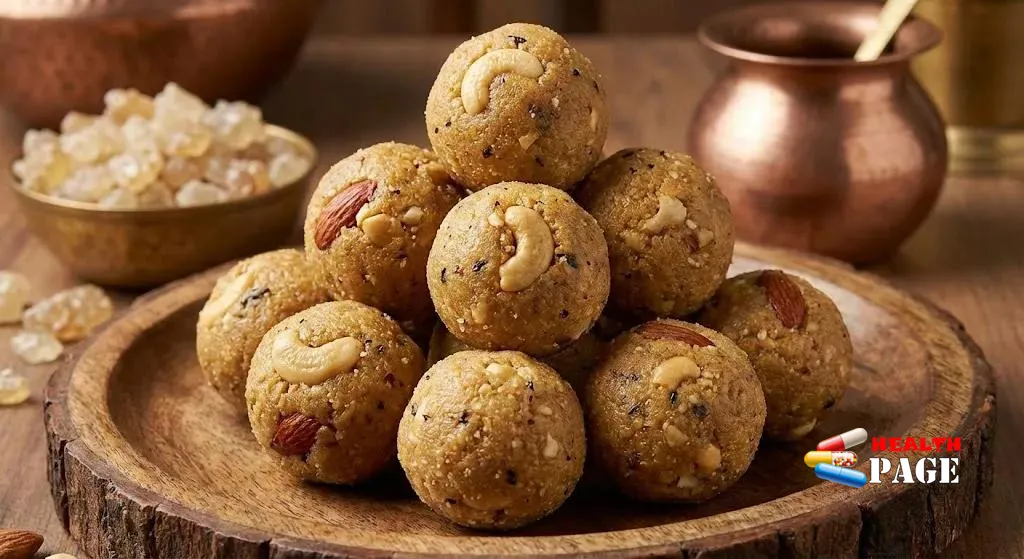
The word gond is used regionally for different plant-derived gums. As a result, gond katira and the gum used in traditional gond laddu or gond ke laddu may not be the same ingredient.
In many South Asian recipes, edible gum used in laddus is gum arabic or another acacia-derived gum, while gond katira commonly refers to tragacanth. Exact naming varies by region and seller, so the ingredient label matters.
| Feature | Gond katira | Gum commonly used in gond ke laddu |
|---|---|---|
| Common identification | Tragacanth gum | Often acacia-derived edible gum or another culinary gum |
| Typical preparation | Soaked in water until expanded | Often fried or cooked according to the recipe |
| Texture and use | Gel-like when hydrated | Often crunchy or porous when fried, depending on the gum |
| Main culinary role | Drinks, desserts, thickening | Traditional sweets and laddus |
| Key consideration | Must be hydrated appropriately before consumption | Use the ingredient and cooking method specified by the recipe |
Not every recipe uses the same gum. If a recipe specifically calls for tragacanth, do not automatically substitute another edible gum on the assumption that all products sold as gond are interchangeable.
How to Use Gond Katira Safely
If you want to try gond katira, preparation is particularly important because dry gum expands after absorbing water.
How to soak gond katira
Step 1: Check the product
Choose food-grade gond katira and follow the preparation instructions on its packaging. Do not use unidentified gum collected or sold without reliable product information.
Step 2: Add sufficient water
Place the required amount in a clean bowl and cover it with enough drinking water to allow the pieces to expand fully. Use the soaking duration specified by the supplier, since products can differ.
Step 3: Check that it has expanded
The gum should have absorbed water and developed its expected soft, gelatinous texture. If it remains hard or contains dry pieces, do not swallow it in that state.
Step 4: Add it to food or a drink
Once properly prepared, use it in a beverage or recipe that suits your preferences. Keep added sugar modest if you are monitoring your overall sugar intake.
How to make a simple gond katira drink
A basic preparation can be made with:
- Fully soaked, food-grade gond katira.
- Chilled drinking water or milk.
- Optional lemon, cardamom, or a small amount of sweetener, depending on the recipe.
Mix the prepared gum into your chosen liquid and serve promptly. Keep milk-based drinks refrigerated and follow normal food hygiene practices.
There is no universally established medicinal dose for gond katira. The amount used in a recipe is not necessarily an appropriate daily supplement dose, and the product’s identity and quality matter.
Never swallow dry gond katira or take it with too little liquid. Its expansion can create a choking risk, particularly in someone who has difficulty swallowing. If the product is not intended for consumption or its preparation instructions are unclear, do not experiment with it.
Gond Katira Side Effects and Precautions
Gond katira may be tolerated by some people when used appropriately as a food ingredient, but that does not mean every preparation or quantity is safe for everyone.
Digestive discomfort
Like other fermentable or fibre-like substances, plant gums may cause gas, bloating, abdominal discomfort, or changes in bowel movements in some people. Individual tolerance varies.
If discomfort develops after consuming it, stop using it and seek medical advice if symptoms persist or are severe.
Choking or intestinal obstruction risk
Dry or inadequately hydrated gum can expand after ingestion. This is particularly concerning for people with swallowing difficulties or conditions that narrow the digestive tract.
Do not give dry gum to children to swallow, and keep preparation methods appropriate for the person consuming it.
Allergic reactions
Hypersensitivity reactions to tragacanth have been reported, although the available evidence does not establish how commonly they occur. Avoid it if you have a known allergy to the ingredient or have previously reacted to it.
Stop using the product and seek urgent medical care if you develop difficulty breathing, swelling of the lips or tongue, or other signs of a serious allergic reaction.
Interactions with oral medicines
Fibre-rich gums can potentially affect how some medicines are absorbed. The extent of any interaction with gond katira is not well established.
If you take regular medication, ask a pharmacist or clinician whether you should separate its use from your medicine and, if so, by how long. Do not rely on an arbitrary waiting interval that has not been established for your specific medication.
What does food-additive safety mean?
The European Food Safety Authority evaluated tragacanth, designated E 413, for use as a food additive. Its assessment concluded that there was no safety concern at the estimated exposure levels for the reported food-additive uses.
That conclusion does not establish that every product sold as gond katira is pure, that unlimited consumption is safe, or that concentrated medicinal use is beneficial. Food-grade quality, preparation, exposure, and the individual’s health circumstances all matter.
Who Should Consult a Healthcare Professional Before Using It?
Professional advice is particularly sensible if you:
- Have difficulty swallowing or a history of intestinal narrowing or obstruction.
- Have a digestive condition that makes fibre-like ingredients difficult to tolerate.
- Take medicines that may be affected by changes in absorption.
- Are pregnant or breastfeeding, because product-specific safety and clinical evidence may be limited.
- Are considering giving gond katira to a young child.
- Have a complex medical condition and want to use it regularly for a therapeutic purpose.
People with persistent constipation, unexplained digestive symptoms, or concerns about blood sugar should seek appropriate assessment rather than using gond katira as a substitute for treatment.
Frequently Asked Questions
Does gond katira really cool the body in summer?
It is traditionally added to chilled drinks during hot weather, which can help make fluid intake more appealing. However, there is insufficient clinical evidence that the gum itself lowers core body temperature or prevents heat-related illness.
Is gond katira good for constipation?
It may influence stool bulk and intestinal transit because it contains water-absorbing polysaccharides. One very small human study reported changes in these measures, but stronger research is needed before gond katira can be recommended as a constipation treatment.
Does gond katira strengthen bones?
There is no convincing clinical evidence that gond katira directly increases bone density or prevents osteoporosis. Adequate calcium, vitamin D, protein, physical activity, and appropriate medical care are more established components of bone health.
Can gond katira help with weight loss?
Gond katira has not been established as a weight-loss treatment. Adding it to a drink does not automatically make the drink beneficial for weight management, especially if it contains substantial added sugar.
Can I consume gond katira every day?
There is no universally established daily medicinal dose. Whether regular consumption is appropriate depends on the specific product, how it is prepared, the amount consumed, and your health circumstances. Follow food-label instructions and seek professional advice before taking it regularly for a therapeutic purpose.
Is gond katira safe during pregnancy?
There is insufficient pregnancy-specific evidence to establish the safety of every gond katira product or medicinal preparation. Ask your obstetrician or another qualified healthcare professional before using it regularly as a supplement or remedy.
Conclusion
Gond katira is a useful traditional food ingredient best known for its ability to absorb water and develop a gel-like texture. It can be added to summer beverages and selected desserts, and its polysaccharides may contribute to dietary fibre intake.
Some preliminary human evidence suggests effects on bowel function, but the research is too limited to establish broad medicinal benefits. Claims about blood sugar control, weight loss, stronger bones, improved fertility, or enhanced skin and hair health should not be treated as proven.
If you decide to use gond katira, choose a clearly labelled food-grade product, hydrate it thoroughly according to the manufacturer’s instructions, and avoid swallowing it dry. Treat it as an optional part of your diet rather than a replacement for evidence-based healthcare.
References
- Eastwood MA, Brydon WG, Anderson DM. The Effects of Dietary Gum Tragacanth in Man. Toxicology Letters, 1984.
- Nejatian M, Abbasi S, Azarikia F. Gum Tragacanth: Structure, Characteristics and Applications in Foods. International Journal of Biological Macromolecules, 2020.
- European Food Safety Authority. Re-evaluation of Tragacanth (E 413) as a Food Additive. EFSA Journal, 2017.
For more Healthy Food article

Dr. Sana Lodhi is a qualified medical doctor (MBBS) with a strong commitment to patient care and evidence‑based medicine. With years of clinical experience and her current role at Liaquat University of Medical & Health Sciences (LUMHS), she brings trusted medical insights to readers, simplifying complex health topics into clear, practical guidance. Her passion lies in promoting preventive healthcare, empowering individuals to make informed decisions, and bridging the gap between medical knowledge and everyday wellness. At HealthyPost.co.uk, Dr. Lodhi shares expert perspectives on health, lifestyle, and medical awareness to help readers live healthier, more balanced lives.