
Rubella Infection in Pregnancy: 7 Risks, Symptoms and Prevention
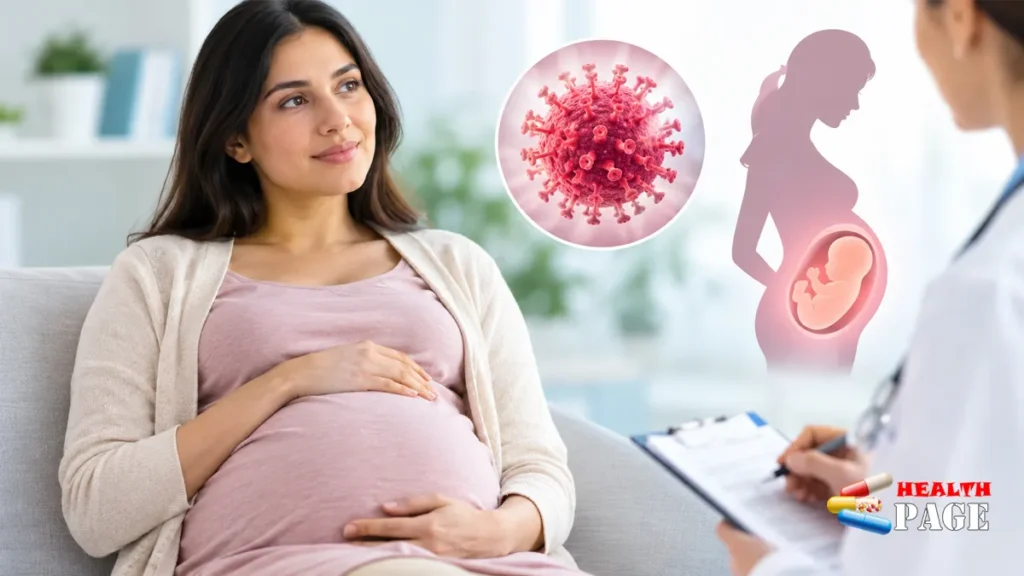
For most people, rubella is a mild illness that passes within about a week. In pregnancy, the same virus can reach the baby, which is why rubella infection in pregnancy is taken seriously even where cases have become rare. The greatest danger comes in the first trimester, when the baby’s organs are forming. Outcomes range from miscarriage to a lifelong condition called congenital rubella syndrome (CRS).
There is a hopeful side to this. A blood test can show whether you are already immune, vaccination before conception closes most of the gap, and prompt medical advice after an exposure changes how the situation is handled. This guide covers the symptoms, the seven main risks to your baby, how immunity results are read, and what to do if you think you have been exposed.
What Rubella Infection in Pregnancy Actually Means
Rubella, also called German measles, is a contagious viral infection that spreads through coughs and sneezes. Despite the nickname, it is a different illness from measles, caused by a different virus, although the combined MMR vaccine protects against both. Symptoms usually appear two to three weeks after exposure, according to the WHO rubella fact sheet.
Three separate things can happen in a pregnancy, and they are easy to blur together:
- Maternal infection: the pregnant person catches the virus, often with a mild illness or none at all.
- Fetal infection: the virus crosses the placenta and reaches the baby.
- Congenital rubella syndrome: the baby is born with the pattern of lasting damage rubella can cause.
The WHO estimates that a woman infected early in pregnancy has a 90% chance of passing the virus to her fetus. That figure describes transmission. It is not the probability of a birth defect, which depends heavily on timing and cannot be predicted with certainty for any individual baby.
Elimination in some regions does not make the risk vanish. The WHO estimates that around 100,000 babies are born with CRS each year worldwide, with the highest rates where vaccination coverage is lowest. That matters for anyone who travels or lives with people who do.
Rubella Symptoms During Pregnancy and How the Virus Spreads
Rubella symptoms during pregnancy are the same as in anyone else, and they are often mild enough to pass for a cold:
- A pink or red rash that starts on the face and neck, then spreads down the body
- A low-grade fever
- Swollen, tender glands behind the ears and in the neck, which the WHO describes as the most characteristic feature
- Sore throat, headache, or red, irritated eyes
- Aching or swollen joints, more common in adult women and usually lasting 3 to 10 days
The WHO notes that the rash appears in only about 50 to 80% of cases. A person can therefore be infected without ever seeing one, and someone with no symptoms can still pass the virus on. Many other illnesses also cause rash and fever, so symptoms can neither confirm nor rule out rubella. Only a blood test can.
People can be contagious before the rash appears, and the WHO says the most infectious period is usually the first five days after it shows. Households, workplaces, schools, clinics and travel all provide opportunities for spread. That is why a pregnant person who is not immune is asked to report any contact promptly rather than wait for symptoms.
7 Risks of Rubella Infection in Pregnancy
These are the effects of rubella infection on the baby that clinicians watch for most closely. Not every affected baby experiences all seven, and several often occur together in CRS.
1. Miscarriage
The CDC lists miscarriage as a risk of catching rubella while pregnant, and the damage is greatest when infection happens early. Miscarriage has many causes, though, so if you are worried about a past loss, talk through the specific circumstances with a clinician rather than drawing conclusions alone.
2. Stillbirth
Loss later in pregnancy is also possible. Both the CDC and the WHO name stillbirth or fetal death among the outcomes of infection during pregnancy.
3. Infection of the baby
When the virus crosses the placenta, it can disrupt how organs form and function. Fetal infection is the doorway to the remaining risks, but it is not a diagnosis of CRS. Whether damage follows depends largely on when in pregnancy the infection occurred.
4. Hearing loss
Deafness is the first complication the CDC lists among common CRS birth defects. Some babies are identified at birth, while others are found only when their hearing is assessed, which is why newborn hearing checks and follow-up matter.
5. Eye problems
Cataracts, a clouding of the lens, are a recognised feature of CRS, and glaucoma is listed as a less common one. Early assessment by an eye specialist gives a baby the best chance of protecting vision.
6. Heart defects
Congenital heart defects are another of the most common CRS findings. Their severity ranges widely, and management depends on the specific problem, from monitoring to surgery.
7. Developmental and other organ effects
CRS can involve intellectual disability and developmental delay, low birth weight, liver and spleen damage, and a skin rash at birth. Less common complications include brain damage, thyroid and other hormone problems, and lung inflammation.
How the Risk Changes by Trimester
Timing of infection matters as much as the infection itself, because different structures form at different moments. If you want to see when the heart, eyes and inner ears take shape, this week-by-week guide to fetal development sets it out plainly. The CDC and WHO both state that rubella causes its most severe damage early in pregnancy, especially in the first 12 weeks.
| Stage of pregnancy | What the guidance says | What it means for you |
|---|---|---|
| First trimester | Most severe damage; highest risk of miscarriage and CRS | Seek assessment immediately after any exposure or rash |
| Second trimester | Risk generally falls as pregnancy advances | Prompt testing is still needed; clinicians weigh timing carefully |
| Third trimester | Serious structural damage from new infection is considered much less likely | Report exposure anyway; newborn follow-up may be planned |
This table is general guidance. Individual risk is assessed by clinicians using the date of exposure, test results and scans, and no table can replace that.
Congenital Rubella Syndrome: Signs, Diagnosis and Long-Term Outlook
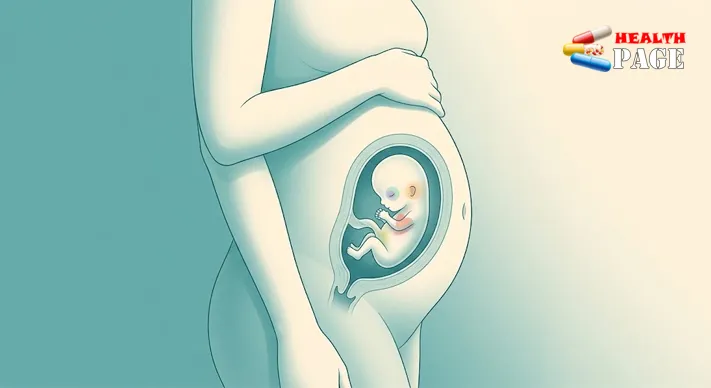
Congenital rubella syndrome is the term for the group of problems that can affect a baby whose mother was infected during pregnancy. According to the CDC’s pregnancy guidance, it can affect almost everything in the developing baby’s body. The congenital rubella syndrome symptoms it lists as most common are deafness, cataracts, heart defects, intellectual disabilities, liver and spleen damage, low birth weight, and a skin rash at birth.
In newborns, CDC laboratory guidance describes testing for rubella IgM as close to birth as possible, repeated at one month if the first result is negative. Rubella IgG that persists after maternal antibodies fade, at around nine months, in an infant who has not been vaccinated or exposed, confirms the diagnosis. The WHO adds that babies with CRS may shed the virus for a year or more, so hospitals take precautions around other pregnant people.
There is no cure for CRS, although specific problems can be treated. Care usually brings together hearing, eye, heart and developmental specialists. Where vaccination is widespread the condition is now very rare, and the CDC reports just 15 babies with CRS in the United States between 2005 and 2018.
Rubella Immunity Test During Pregnancy: IgG, IgM and Reading the Results
A rubella immunity test during pregnancy is a blood test that looks for antibodies, the proteins your immune system makes after vaccination or infection. Two types matter. IgG antibodies indicate immunity: after infection they become detectable within days of the rash, peak over the next one to two weeks, and can last a lifetime. IgM antibodies appear soon after infection or vaccination and can persist for up to three months.
The CDC’s rubella serology guidance recommends IgG testing to assess immunity before, during and after pregnancy. In the United States the cutoff for immunity is 10 IU/ml, and your own lab report will state its threshold.
| Result | What it usually suggests | Typical next step |
|---|---|---|
| IgG positive | Immune through vaccination or past infection | Keep the result on record |
| IgG negative (non-immune) | Susceptible to infection | Report any exposure or rash at once; vaccinate after delivery |
| IgM positive, no symptoms or exposure | Often a false positive | Retest, ideally at a different lab and test format |
| IgM positive with rash or exposure | Possible recent infection | Urgent review, avidity testing, repeat samples |
| Low-avidity IgG | Infection within roughly the past four months | Interpret against timing |
| High-avidity IgG | More distant infection or vaccination | Can help rule out recent early infection |
A positive IgM does not automatically prove recent infection. No assay is perfectly specific, and false positives can occur with other rash-causing viruses such as parvovirus B19, enteroviruses and roseola, with rheumatoid factor, and after recent vaccination. For this reason the CDC does not recommend routine IgM screening in pregnant women who have no symptoms or exposure. Avidity testing, which measures how tightly the antibodies bind, helps tell recent infection from an older one, and it is most useful in early pregnancy.
Policies on routine rubella testing differ between countries and health systems, so ask your maternity team what was checked in your case. The same IgG and IgM vocabulary also appears in tests for other infections, including toxoplasmosis, but each is interpreted by its own rules. A reassuring result for one infection says nothing about another.
What to Do After Rubella Exposure or Suspected Infection
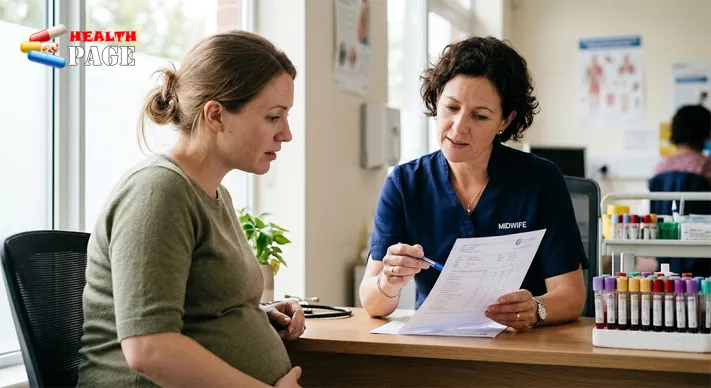
Act on the same day. The CDC advises contacting your doctor immediately if you get rubella or are exposed while pregnant. A sensible sequence looks like this:
- Call before you go in. Phoning first lets staff arrange your visit so other pregnant patients and newborns are not exposed.
- Write down the timeline. Note the date and nature of the contact, any rash or fever and when it began, and your vaccination record or earlier immunity results.
- Expect blood tests. An IgG test checks immunity. If you are non-immune or have symptoms, IgM and avidity tests may follow. Because blood taken in the first days after a rash can be negative even in true infection, a second sample is sometimes needed.
- Ask what the results mean for your stage of pregnancy. Find out what follow-up, such as scans or specialist referral, is planned and when you will hear back.
- Limit contact with other pregnant people and newborns until you are told you are not infectious.
Consider a hypothetical example. At nine weeks, you learn that a child you spent time with has been diagnosed with rubella, and you cannot remember whether you had two MMR doses. Calling the same day lets your team check your records and order an IgG test. If you are immune, the risk is considered very low. If not, you are followed closely and can discuss a plan, rather than waiting for a rash that may never appear.
Treatment Limits, Prevention and Vaccination Before Pregnancy
No antiviral medicine cures rubella, and the CDC states there is no cure for CRS, although individual symptoms can be treated. Care for the pregnant person is supportive and guided by a clinician, so check before taking any medicine for fever or aches. That leaves prevention as the main tool.
The MMR vaccine contains weakened live viruses and is therefore not given during pregnancy. The CDC advises checking your vaccination status before you conceive and avoiding pregnancy for at least four weeks after the vaccine. The WHO notes that a single dose gives more than 95% long-lasting immunity.
- Ask for your vaccination record, or an IgG test if records are missing, when you start planning a pregnancy.
- If you are non-immune, have the vaccine and wait at least four weeks before trying to conceive.
- If you are already pregnant and non-immune, wait until after the birth to be vaccinated.
- Check that close household members are up to date, and review travel plans with your clinician.
If you received MMR before realising you were pregnant, speak to your clinician rather than worrying alone. They can review your situation.
Frequently Asked Questions
Can you have rubella without a rash?
Yes. The WHO reports a rash in only about 50 to 80% of cases, and some infected people have no symptoms at all. If you are pregnant and have been exposed, testing matters whether or not a rash appears.
If I have been vaccinated, can I still catch rubella?
It is uncommon, but no vaccine protects everyone. This is why testing is advised when your status is uncertain. Rubella protection is considered long-lasting, unlike whooping cough protection, which fades faster. This guide to breakthrough infections after vaccination uses whooping cough as its example, but the broader point applies: vaccines lower risk without removing it.
Can I have the MMR vaccine while pregnant?
No. It is a live vaccine, so it is delayed until after delivery. If you are vaccinated before pregnancy, wait at least four weeks before conceiving.
Does infection of the baby always mean CRS?
No. Fetal infection means the virus reached the baby, while CRS describes the damage that can follow. Risk is highest early in pregnancy, and clinicians interpret each case using timing, test results and scans. Nobody can promise an outcome based on infection alone.
Can rubella be treated during pregnancy?
There is no specific antiviral treatment. Management means medical assessment, monitoring and supportive care, which is why prevention and early advice after exposure carry so much weight.
Conclusion
Rubella infection in pregnancy is uncommon, but its consequences for a baby can be lifelong, and its mild symptoms make it easy to miss. The most useful steps come early: confirm your immunity before pregnancy, get vaccinated and wait four weeks if you are not protected, and call your maternity team the same day after any suspected exposure. If you are already pregnant, ask what your records or blood tests show, and keep that result handy.
This article is general educational information and not a substitute for individual medical advice. Medical review: [reviewer name and qualifications, to be added] on [review date, to be added before publication]. Sources last checked on 22 October 2026.
References
- Centers for Disease Control and Prevention. “Pregnancy and Rubella.” https://www.cdc.gov/rubella/pregnancy/index.html
- Centers for Disease Control and Prevention. “Serology Testing for Rubella.” https://www.cdc.gov/rubella/php/laboratories/serology-testing.html
- World Health Organization. “Rubella” (fact sheet). https://www.who.int/news-room/fact-sheets/detail/rubella

Dr. Wang Zhixin is a distinguished Chief Physician specializing in comprehensive gynecology, perinatology, and maternal healthcare systems. She serves at the acclaimed
Shenzhen Maternity and Child Healthcare Hospital, a premier Grade-III Class-A medical center associated with Southern Medical University. With decades of clinical leadership, Dr. Wang is widely recognized for her contributions to reproductive wellness, prenatal diagnostic precision, and advanced clinical research safeguarding maternal-fetal medical outcomes.
As a core specialist panelist on the HealthPage Medical Review Board,
Dr. Wang leverages her senior clinical oversight to meticulously fact-check, audit, and medically verify our reproductive medicine and maternal wellness guides. Her analytical reviews ensure that intricate obstetric protocols and feminine wellness data are rendered into safe, authoritative, and completely evidence-based reference resources for global audiences.
✉ Professional Inquiries:
[email protected]