

Why Does My Nose Burn? 7 Causes and How to Find Relief
If you have ever taken a breath and felt a hot, stinging prickle inside your nostrils, the obvious question is: why does my nose burn? In most cases the answer is irritation or inflammation of the thin, moist lining inside the nose. Dry air, allergies, smoke, a cold and even the spray you use to clear a blocked nose can leave that lining feeling raw, sore or hot. A burning nose is usually more uncomfortable than dangerous, and many triggers can be spotted and eased at home, although a few patterns do deserve a doctor’s attention.
This guide walks through seven possible causes, the clues that may help you recognise which pattern fits yours, the self-care steps that are reasonable to try, and the signs that mean it is time to get advice.
Why Does My Nose Burn When I Inhale?
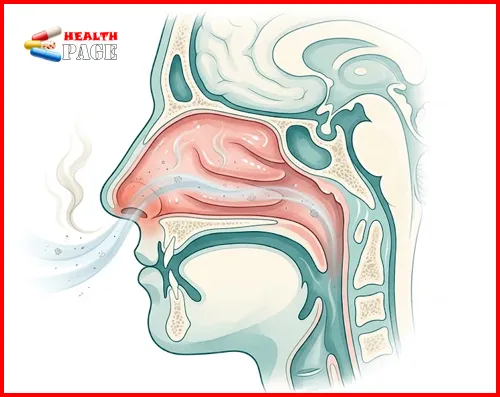
Every breath in sends air across the lining of the nose, whose job is to warm, moisten and filter what you inhale before it reaches the lungs. That lining is rich in blood vessels and nerve endings, which makes it effective and also easy to upset. When the tissue is dry, swollen or already inflamed, ordinary air can register as an irritant, and the nerve endings report it as heat, stinging or rawness.
Cold, dry air draws moisture out of the lining faster than it can be replaced, which is why a winter walk or a bedroom with the heating on all night is such a common trigger. Smoke, dust, perfume and fumes from paint or cleaning products can irritate the surface directly. Allergic and non-allergic rhinitis, meaning inflammation of the nasal lining, can leave the nose more reactive overall, so small changes in temperature or smell may be enough to set off a burning feeling.
Timing offers a useful clue. Burning that appears only in particular places, such as a freshly cleaned bathroom, a smoky room or a cold street, points toward an outside trigger. Burning that is present whether or not you take a deep breath, and that lasts for days, is more likely to reflect dryness or inflammation already established in the nose.
One situation calls for a different response. If the burning starts during or soon after exposure to chemical fumes, move away and get fresh air straight away. Significant difficulty breathing, swelling of the throat or tongue, or severe symptoms after a chemical exposure need urgent medical attention, so call your local emergency number (999 in the UK).
What Are the Common Burning Nose Causes?
The seven causes below are an editorial grouping rather than a ranking of the most frequent ones. They overlap, and more than one can be active at the same time. The table shows the pattern that tends to stand out for each.
| Cause | Pattern that may stand out |
|---|---|
| Dry nasal passages | Rawness in dry weather or heated rooms; often worse on waking |
| Allergies | Sneezing, itching and watery eyes; flares with pollen, dust or pets |
| Smoke and chemical irritants | Starts after exposure; eases when you leave |
| Colds and infections | Arrives with a runny or blocked nose; fades as the illness passes |
| Sinus inflammation | Facial pressure, congestion, discharge, reduced smell |
| Non-allergic rhinitis | Allergy-like symptoms set off by temperature, smells or spicy food |
| Sprays and local irritation | Began after a spray, or after rubbing, picking or blowing |
1. Dry Nasal Passages
The nose is designed to stay moist, and anything that dries it out can produce a dry nose burning sensation. Low humidity, central heating, air conditioning, cold weather and breathing through the mouth at night all contribute. A typical story is waking with tight, raw nostrils in winter, feeling them ease by mid-morning, and then noticing them flare again after an evening beside the radiator.
2. Allergies
Allergic rhinitis is an immune reaction to substances such as pollen, house dust mites, mould spores or animal dander. The allergic rhinitis symptoms most people recognise are sneezing, an itchy nose, congestion, a runny nose and watery eyes. Itching is more typical than burning, but an inflamed lining that is rubbed and wiped repeatedly can feel sore or hot, which is why people sometimes describe a burning nose from allergies. Symptoms that arrive in pollen season, flare in a dusty bedroom or start minutes after stroking a cat point toward an allergic trigger.
3. Smoke, Pollution and Chemical Irritants
Cigarette smoke, wood smoke, traffic fumes, perfume, paint and cleaning products can all irritate the nasal lining directly. The pattern is usually clear in hindsight: the burning begins after the exposure and eases once the trigger is gone. Tobacco smoke affects the whole airway rather than just the nose, and the effects of smoking on the lungs show how far that irritation can reach.
If the burning happens mainly at work, persistent exposure is a reason to speak to an employer or an occupational health service, and better ventilation or a different product may be enough.
4. Colds and Other Respiratory Infections
A cold inflames the nasal lining, producing a runny or blocked nose, sneezing and general discomfort. The burning often has a second source: repeated nose-blowing. Tissues rub the delicate skin at the entrance of the nostrils, and the result is burning nostrils that feel worse than the cold itself. Patting rather than wiping, and choosing soft tissues, helps.
A steamy bathroom can feel soothing during a cold, though the evidence for steam inhalation for congestion is limited, and a bowl of boiling water carries a genuine scald risk.
5. Sinus Inflammation
Sinusitis is inflammation of the sinuses, the air-filled spaces behind the cheeks, forehead and nose. It often follows a cold and can bring congestion, nasal discharge, pain or pressure in the face and a reduced sense of smell. Isolated nasal burning does not mean you have sinusitis, and burning alone cannot show whether an infection is bacterial or viral. For a wider look at conditions that affect the nose, including sinusitis, polyps and rhinitis, this overview of major nasal diseases is a useful companion read.
6. Non-Allergic Rhinitis
Not every irritated nose is an allergic one. The NHS explains that non-allergic rhinitis happens when the inside of the nose becomes irritated, causing a blocked or runny nose, sneezing and sometimes post-nasal drip. Listed triggers include changes in temperature or humidity, exercise, smoke, perfume, paint fumes, alcohol, spicy food and hormone changes. Symptoms can resemble an allergy, so the pattern of triggers matters more than the symptom list. The NHS describes it as not harmful, although it can affect daily life.
7. Nasal Sprays, Medicines and Local Irritation
Treatments meant to relieve nasal symptoms can sometimes cause them. Decongestant sprays containing xylometazoline or oxymetazoline should not be used for more than seven days in a row, and the Royal Pharmaceutical Society has warned that longer use can cause rebound congestion, known as rhinitis medicamentosa. Other nasal sprays may leave some people with dryness or mild stinging, which is why the leaflet is worth reading.
Frequent rubbing, picking and forceful blowing can also leave the lining sore. If you suspect a medicine is responsible, ask a pharmacist or GP to review it, and do not stop a prescribed medicine without advice.
Why Does My Nose Burn Inside?
Burning inside the nose is a symptom, not a diagnosis. The same sensation can come from dryness, allergies, non-allergic rhinitis, a respiratory infection, an irritant or a medicine, so a pattern over several days tells you far more than one uncomfortable day.
Burning felt deep inside the nostril or towards the back of the nose tends to reflect dryness or inflammation of the lining itself. Burning at the rim of the nostril more often reflects local irritation from wiping, rubbing or picking. Some people notice crusting as well. The NHS notes that non-allergic rhinitis can sometimes cause a crust that may smell and bleed if you try to remove it, so resist the urge to pick. Dry, irritated lining also bleeds more easily, and it helps to know what to do during a nosebleed if one happens.
Persistent symptoms, recurrent bleeding, worsening pain, or trouble that stays on one side and does not settle all deserve medical assessment.
What Does a Burning Sensation in the Nose Mean?
A burning sensation in the nose tells you the lining is irritated, but not why. Dry air, an allergy and an overused spray can feel almost identical in the moment, and the sensation alone cannot confirm a diagnosis. The context around it is far more informative.
Keeping brief notes for a week can reveal a lot:
- when the burning starts and when it eases
- where you were or what you had just used, such as a new cleaning product, a candle or a nasal spray
- other symptoms, including sneezing, itching, a blocked nose, facial pressure or mucus draining into the throat
- what you have tried and whether anything changed
Burning that comes and goes with place and exposure usually suggests an outside trigger. Burning with sneezing and itchy eyes fits an allergic pattern, while burning with facial pressure, congestion and a reduced sense of smell raises the question of sinus inflammation. Burning with no other symptoms that lasts for weeks is a reason for a professional look rather than more guesswork.
How to Relieve a Burning Nose Safely
No single step works for every cause, and nothing will clear a burning nose instantly. Gentle measures that protect the lining and reduce exposure are the sensible starting point.
Use a saline product
A ready-made saline nasal spray for dry nose symptoms can moisten the lining and wash away some irritants. Unlike decongestant sprays, saline does not carry a rebound risk. When mucus also drains into the throat, saline, trigger avoidance and staying hydrated form much of the approach to post-nasal drip as well.
Nasal rinses with a bottle or neti pot can help in some circumstances, but water safety is critical. The FDA advises rinsing only with distilled, sterile or previously boiled water, boiled for three to five minutes and cooled until lukewarm. Plain water can irritate the nose, so it should be mixed with a saline product. Ask a healthcare professional whether rinsing suits you or your child.
Add moisture to dry indoor air
When dry air is the culprit, a clean humidifier may help. Follow the manufacturer’s cleaning instructions, because a dirty unit can spread microorganisms, and avoid overdoing it, since excessive humidity encourages mould, which is itself an allergy trigger.
Reduce contact with irritants
Cutting exposure to smoke, strong fragrances, dust and chemical fumes is often the most effective step, because it removes the cause rather than soothing the result. Ventilate rooms when cleaning, never mix cleaning products, and avoid deliberately testing a suspected trigger to see whether the burning returns.
Match medicines to the cause
A pharmacist can say whether an allergy treatment or another medicine suits your situation. Decongestant sprays are for short-term use only, following the product instructions and generally no longer than seven days. If congestion continues beyond that, ask for alternatives rather than extending the spray.
What to leave out
Some popular home measures are more likely to cause harm than benefit:
- essential oils or any other unprescribed substance placed inside the nostrils
- rinses made with untreated tap water
- steam from a bowl of boiling water, since a warm, steamy bathroom is the lower-risk way to get moist air
- repeated picking or forceful nose-blowing
When Should You Seek Medical Attention?
Most burning noses settle with simple changes, but some features should not be left to resolve on their own.
Seek urgent help (call your local emergency number, 999 in the UK) for significant difficulty breathing, swelling of the throat, tongue, lips or face, signs of a severe allergic reaction, or severe symptoms after a chemical exposure.
Seek prompt medical advice for a high fever, severe or worsening facial pain, recurrent or substantial nosebleeds, or symptoms that are getting worse.
Arrange a routine appointment if the burning persists, keeps returning, disturbs sleep or everyday life, or does not improve with reasonable self-care. NHS advice on non-allergic rhinitis also suggests seeing a GP if asthma symptoms appear or worsen, or if it is unclear what is causing the symptoms.
Frequently Asked Questions
Why does my nose burn inside when I do not have a cold?
A cold is only one trigger among many. Dry air, allergies, non-allergic rhinitis, smoke, fragrance and nasal sprays can all cause internal burning without any infection.
Can allergies cause a burning sensation in the nose?
They can contribute, although itching and sneezing are more typical. An inflamed, frequently wiped lining may feel sore or hot, and burning that comes with itchy eyes and seasonal timing leans toward an allergic pattern.
Can dry air make the inside of my nose burn?
Yes. Low humidity, heating and air conditioning dry the lining, often producing rawness or stinging that is worse on waking. If symptoms ease when the air is more comfortable, dryness is a likely contributor; if they persist, other causes deserve a look.
Can nasal sprays cause burning or dryness?
Some can. Overusing decongestant sprays can lead to rebound congestion, and other sprays may cause dryness or stinging in some people. Check the leaflet, keep to the stated duration and ask a pharmacist if the burning began after you started a spray.
Is it safe to use tap water for nasal rinsing?
No. The FDA advises distilled, sterile or previously boiled and cooled water instead, because untreated tap water can contain organisms that are harmless to swallow but may cause serious infection in the nose.
When should I see a doctor about a burning nose?
See one if the burning lasts or keeps returning, disrupts sleep or daily life, comes with recurrent nosebleeds, worsening pain or a high fever, or has not improved with sensible self-care. Trouble breathing or swelling of the face or throat needs emergency care.
A Practical Way Forward
So, why does my nose burn? Usually because the lining inside has become dry, inflamed or irritated, and the seven causes covered here account for many cases. The most useful next step is observation. Note what happens and when, try gentle measures such as a saline spray and cleaner, more comfortable air, and speak to a pharmacist if the pattern points toward an allergy or a medicine.
If the burning persists, returns or comes with bleeding or worsening pain, a clinician can examine the nose and look for causes that self-care cannot reach. For more reading on ear, nose and throat conditions, HealthPage’s ENT section brings related guides together.
References
- NHS, “Non-allergic rhinitis”: https://www.nhs.uk/conditions/non-allergic-rhinitis/
- U.S. Food and Drug Administration, “Is Rinsing Your Sinuses With Neti Pots Safe?”: https://www.fda.gov/consumers/consumer-updates/rinsing-your-sinuses-neti-pots-safe
- The Pharmaceutical Journal, “Risks of nasal decongestant spray overuse need to be made clearer, says RPS”: https://pharmaceutical-journal.com/article/news/risks-of-nasal-decongestant-spray-overuse-need-to-be-made-clearer-says-rps

Dr. Sana Lodhi is a qualified medical doctor (MBBS) with a strong commitment to patient care and evidence‑based medicine. With years of clinical experience and her current role at Liaquat University of Medical & Health Sciences (LUMHS), she brings trusted medical insights to readers, simplifying complex health topics into clear, practical guidance. Her passion lies in promoting preventive healthcare, empowering individuals to make informed decisions, and bridging the gap between medical knowledge and everyday wellness. At HealthyPost.co.uk, Dr. Lodhi shares expert perspectives on health, lifestyle, and medical awareness to help readers live healthier, more balanced lives.