
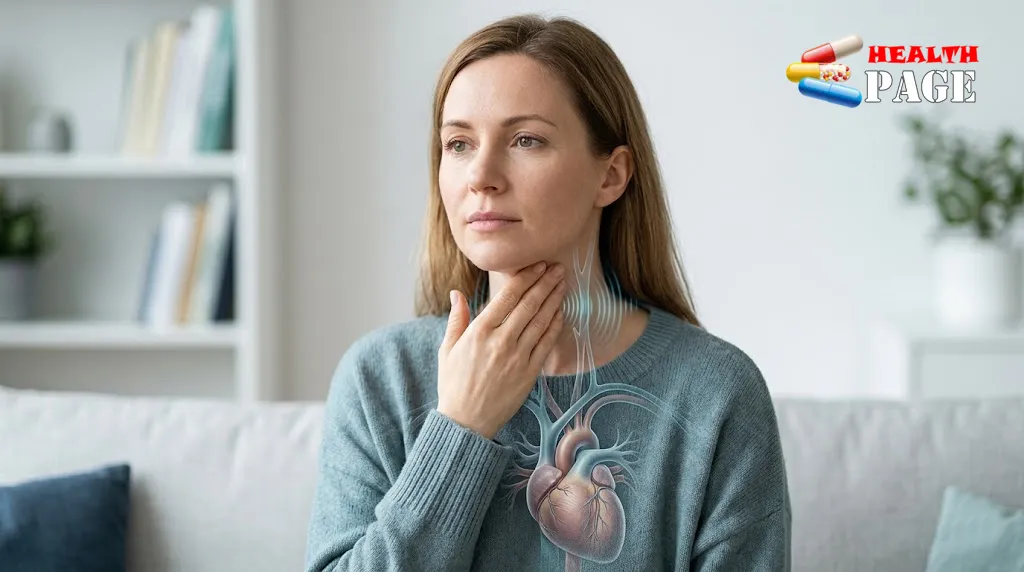
What Do Heart Palpitations Feel Like in Your Throat? When to Worry

Dr. Akram Chang is a veteran Cardiac Specialist with extensive clinical experience serving at the historic
Gulab Devi Teaching Hospital in Lahore.
Specializing in clinical cardiology, myocardial preservation, and preventative cardiovascular health, he dedicates his medical career to both critical inpatient care and global public health literacy.
As a core panelist on the HealthPage Medical Review Board,
Dr. Chang provides rigorous clinical oversight, expert fact-checking, and medical verification for our thoracic and circulatory care resources. His analytical oversight ensures that complex hospital diagnostics are translated into safe, actionable, and strictly evidence-based lifestyle habits.
✉ Professional Inquiries:
[email protected]
⚖️ Clinical Review & Disclaimer
This article has been clinically reviewed for cardiovascular accuracy by Dr. Akram Chang (Cardiovascular Medicine). The physiological analysis of throat flutters, vagus nerve mechanics, and ectopic beats is intended strictly for educational, informational, and reassuring triage purposes. It does not replace an in-person diagnostic evaluation, electrocardiogram (ECG), Holter monitoring, or individualized clinical treatment from a qualified cardiologist.
While localized throat sensations frequently trace back to completely benign lifestyle or stress factors, any novel or persistent change in your heart rhythm requires professional medical attention. Seek immediate emergency medical care (call 999 in the UK or your local emergency number) if your throat palpitations occur alongside chest tightess, crushing pain, radiating discomfort to the arm or jaw, severe dizziness, unsteadiness, or brief fainting episodes. Never delay seeking expert clinical intervention due to information published on this website.
Feeling your heartbeat in your throat can be unsettling. For many people, the first thought is: Is this my heart? That concern is understandable. What Do Heart Palpitations Feel Like in Your Throat? When to Worry is a question we hear often when reviewing symptom histories in clinical content and patient education. In practice, people describe everything from a throat fluttering sensation to a hard thump at the base of the neck, especially during stress, after caffeine, or following a heavy meal.
Most of the time, these sensations are not a medical emergency. But they can feel intense, sudden, and deeply personal. The key is understanding what the feeling may mean, what commonly triggers it, and which red flags should prompt urgent care.
If you have ever noticed a heart pounding in throat feeling, tightness in throat and heart racing, or an irregular heartbeat felt in throat, this guide will help you sort through the possibilities in clear, patient-friendly language.
1. Decoding the Sensation: What Do Heart Palpitations Feel Like in Your Throat?
Throat palpitations do not always feel like a classic racing heart in the chest. In our medical editorial review work, people often use vivid descriptions that are remarkably consistent.
Common descriptions include:
- A rapid flutter or bubbling low in the throat
- A sudden “flip-flop” or rolling sensation
- A forceful thud after a pause
- A pulse that seems to jump into the neck
- A brief choking-like awareness without true airway blockage
Top health authorities including the Mayo Clinic, NHS, and Cleveland Clinic note that palpitations can be felt in the chest, throat, or neck. That is because the heartbeat and pulse pressure are transmitted through blood vessels in the neck, making the sensation more noticeable there in some people.
Here is a quick comparison table:
| What It Feels Like | Likely Non-Emergency Cause | What Is Actually Happening |
|---|---|---|
| Rapid fluttering or bubbling | Stress, anxiety, caffeine | Adrenaline increases heart awareness and rate |
| A sudden flip-flop or hard thud | Benign ectopic heartbeats | A premature beat is followed by a stronger beat |
| Tightness or “lump” in throat | Globus sensation, panic | Throat muscles tense up rather than the heart changing |
| Pounding after a heavy meal | Reflux, stomach pressure, vagal irritation | Shared nerve pathways may amplify the sensation |
One important distinction: not every throat symptom is a heart symptom. A globus sensation panic attack can create the feeling of a lump in the throat, while actual palpitations feel more rhythmic or pulse-like.
That is also why readers exploring Difference Between Anxiety and Heart Palpitations often find it helpful to compare body sensations side by side.
2. Why the Feeling Happens in the Throat, Not Just the Chest
Many people ask why they can barely feel anything in the chest, yet the throat seems impossible to ignore.
The answer is anatomy.
The carotid arteries and nearby soft tissues in the neck can transmit pulse changes very efficiently. If a heartbeat is extra forceful, early, delayed, or simply more noticeable because you are stressed, you may feel it higher up. This is especially true when lying down, bending forward, or swallowing after a meal.
A few common non-emergency triggers include:
- Caffeine or energy drinks
- Alcohol
- Nicotine
- Sleep deprivation
- Dehydration
- Fever
- Heavy or spicy meals
- Hormonal shifts during menstruation, pregnancy, or menopause
Most studies agree that heightened body awareness also plays a major role. During stress, people become more sensitive to normal internal signals. A mild pulse wave that would usually go unnoticed can suddenly feel dramatic.
This is also where Fast heart beat symptoms overlap. A faster heart rate may be felt in the chest, neck, or throat depending on posture, hydration, and nervous system state.

3. The Anxiety Link: Why Stress Causes a Throat Fluttering Sensation
The connection between throat fluttering sensation and anxiety is very real. It is one of the most common patterns we see in symptom-based health education.
When the brain senses stress, it releases adrenaline. That can:
- Speed up the heart
- Make beats feel stronger
- Tighten throat and chest muscles
- Increase awareness of swallowing and breathing
This creates what many people call an anxiety induced throat flutter. It may come on during a tense conversation, while driving, at bedtime, or in the middle of a panic episode. The body is not imagining the sensation. The feeling is real. But the trigger may be nervous system activation rather than dangerous heart disease.
Here is where confusion often happens. Anxiety can produce:
- A racing pulse
- Dry mouth
- Throat tightness
- A lump sensation
- Hyperfocus on heartbeat
That combination can mimic a cardiac event. Yet in otherwise healthy people, it is often a stress response. The NHS notes that palpitations linked to stress are common and are frequently harmless, especially when brief and self-limited.
A simple example: a person drinks strong coffee, skips lunch, gets an upsetting email, and suddenly notices fluttering in the throat. That sequence strongly suggests a stress-stimulant trigger rather than a structural heart emergency.
4. Can Ectopic Beats Be Felt in the Throat?
Yes. Can ectopic beats be felt in the throat? Absolutely.
This is one of the clearest explanations for a sudden neck or throat thump. Ectopic beats include premature atrial contractions and premature ventricular contractions. These are early beats that interrupt the heart’s regular rhythm. Many are benign.
People often feel them as:
- A skipped beat
- A pause
- A strong catch-up thud
- A punch-like pulse in the throat
That stronger follow-up beat is why benign ectopic heartbeats can be so noticeable. The chest may not even register it much, but the neck pulse does.
If you have seen the term premature ventricular contractions neck pulse, it refers to this same basic phenomenon: a change in timing followed by a stronger transmitted beat.
In healthy people, occasional ectopic beats can happen with:
- Stress
- Caffeine
- Alcohol
- Poor sleep
- Dehydration
- Illness
- Hormonal changes
Still, frequency matters. If these episodes happen often, last longer, or come with dizziness, it is sensible to speak with a clinician. A doctor may consider an ECG, wearable monitor, blood work, or thyroid testing.
For coding or charting questions, some readers also search Palpitations ICD 10, especially when reviewing visit summaries or billing documentation.
5. The Brain-Gut-Heart Connection: The Vagus Nerve and Throat Palpitations
The link between the vagus nerve and throat palpitations is one of the most overlooked parts of this topic.
The vagus nerve helps regulate heart rate, digestion, swallowing, and throat sensation. It connects the brain with the throat, stomach, and heart. Because of that shared pathway, irritation in one area can sometimes create symptoms in another.
This is why people may notice palpitations:
- After acid reflux
- During bloating
- After swallowing large bites
- When bending over after eating
- During anxiety or panic
The relationship between gerd and throat fluttering is especially important. Acid reflux can irritate the throat and nearby nerve pathways. A full stomach can also increase pressure under the diaphragm, making heartbeats more noticeable. Some people then experience a flutter, a pulse in the neck, or a strange throat awareness after meals.
This does not mean reflux causes a dangerous arrhythmia in most cases. It means body systems overlap more than people realize.
There is growing public interest in vagus nerve stimulation for heart rate, but it is important to be careful with online advice. While certain clinician-approved maneuvers may help in select cases of rapid rhythm, they are not a substitute for diagnosis.
For reflux-related symptom context, this article may also sit alongside broader heart-health education, including Heart failure symptoms and causes, because patients often confuse benign palpitations with more serious heart conditions.
6. How to Stop Throat Palpitations Instantly: Safe First Steps
Many readers want practical advice. They search how to stop throat palpitations instantly because the sensation feels urgent.
There is no universal instant fix. But a few safe steps may help reduce symptoms if you are otherwise stable and have no emergency warning signs:
Try these first
- Stop and sit down
- Loosen tight clothing around the neck
- Sip water slowly
- Reduce caffeine or nicotine intake
- Practice slow diaphragmatic breathing: inhale for 4, exhale for 6
- Notice whether the episode started after stress, reflux, or a heavy meal
Safe calming techniques
Some clinicians may suggest vagal maneuvers in specific situations, especially for certain rapid heart rhythms. One commonly discussed option is the valsalva maneuver for rapid heart rate, which involves bearing down briefly as if having a bowel movement. This should be done carefully and ideally after medical guidance, especially if you have heart disease, vascular disease, or are unsure what rhythm you are experiencing.
Other measures sometimes used include:
- Splashing cold water on the face
- Gentle, paced breathing
- Lying on the left side if that feels more comfortable
Do not try repeated internet remedies if you feel faint, have chest pain, or are short of breath. That is the point to seek urgent care.
For evidence-based patient advice on palpitations and emergency symptoms, the NHS heart palpitations page is a reliable resource.

7. When an Irregular Heartbeat Felt in the Throat Needs Medical Attention
Most brief palpitations are not dangerous. But some deserve prompt evaluation.
Seek emergency care right away if an irregular heartbeat felt in throat happens with:
- Chest pain or pressure
- Fainting or near-fainting
- Severe shortness of breath
- Blue lips or severe weakness
- Confusion
- A very fast or very slow pulse that does not settle
- A personal or family history of heart rhythm disorders or sudden cardiac arrest
Arrange non-emergency medical review if:
- Episodes are becoming more frequent
- They last several minutes or longer
- They happen during exercise
- You are pregnant and symptoms are new or worsening
- You also have fatigue, weight loss, tremor, or heat intolerance that could suggest thyroid disease
- You have heavy periods or signs of anemia
A clinician may review medications, stimulant use, thyroid function, iron levels, and cardiovascular history. In some cases, tests may include an ECG, Holter monitor, or imaging. If exertional symptoms are part of the picture, related topics like What Are the 3 Types of Stress Tests may come up during evaluation.
For broader symptom context, the Cleveland Clinic heart palpitations resource also explains when to seek care.
8. FAQs
Are throat palpitations usually dangerous?
Usually not. Brief episodes tied to stress, caffeine, reflux, or occasional ectopic beats are often benign. But symptoms with chest pain, fainting, or breathlessness need urgent care.
Can anxiety really cause a flutter in my throat?
Yes. The pattern of throat fluttering sensation and anxiety is common. Adrenaline can speed the heart, tense throat muscles, and make normal body sensations feel much stronger.
What is the difference between globus sensation and a palpitation?
Globus is the feeling of a lump or tightness in the throat, often linked to stress or reflux. A palpitation feels more like a pulse, flutter, skip, or thump.
Can GERD trigger a throat flutter?
It can. Gerd and throat fluttering may occur because reflux and stomach pressure can irritate nearby nerve pathways and increase awareness of pulse sensations.
Should I worry about ectopic beats in my throat?
Occasional ectopic beats are often harmless, especially without other symptoms. But frequent episodes, exercise-related symptoms, or dizziness deserve medical review.
Can dehydration make palpitations worse?
Yes. Dehydration can raise heart rate, affect electrolyte balance, and make pulse sensations feel stronger in the chest, neck, or throat.
Conclusion
So, What Do Heart Palpitations Feel Like in Your Throat? When to Worry? For most people, it feels like fluttering, pounding, a skipped beat, or a sudden thump in the throat or lower neck. Common triggers include anxiety, caffeine, reflux, poor sleep, dehydration, and benign ectopic heartbeats. The overlap between the throat, heart, and nervous system is real, which is why these episodes can feel so intense.
Still, the feeling should never be ignored if it comes with chest pain, fainting, severe breathlessness, or persistent rhythm changes. If you are unsure, it is reasonable to get checked. Brief reassurance is helpful. Proper assessment is better.
If this symptom overlaps with stress-related episodes, you may also want to explore Difference Between Anxiety and Heart Palpitations. And if your symptoms include a sustained Fast heart beat or other concerning changes, a clinician can help sort out whether the cause is anxiety, reflux, hormones, anemia, thyroid issues, or a true rhythm disorder.
This article is for informational purposes and does not replace personalized medical advice.
References
- Mayo Clinic: heart palpitations
- NHS: heart palpitations
- Cleveland Clinic: heart palpitations
Pingback: Can Stress Cause Chest Pain? Symptoms, Heart Risks & When to Seek Help
Pingback: Is the Apple Watches ECG Accurate? Expert Guide to Heart Rhythm Monitoring